
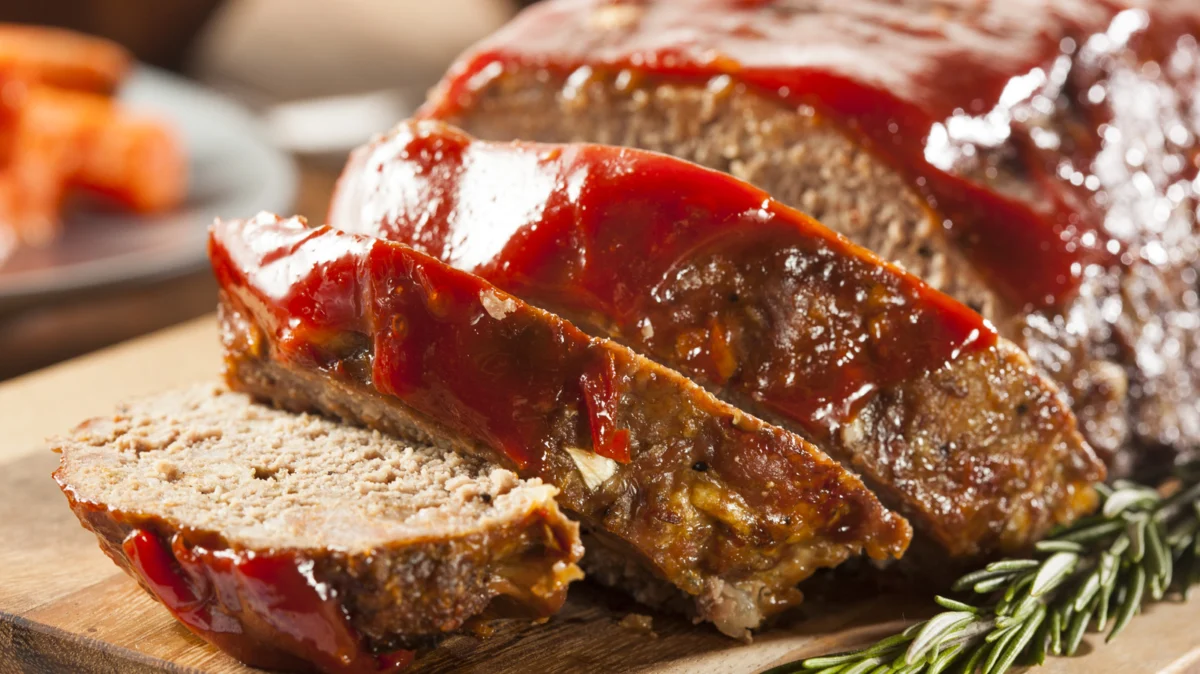
The classic American meatloaf stands as a staple of domestic culinary tradition, prized for its comfort and versatility. However, the dish is notoriously temperamental; a minor miscalculation in ingredient ratios often results in a loaf that crumbles upon slicing, destroying the intended presentation and texture. While professional kitchens have long relied on precise ratios of proteins to starches to ensure structural integrity, the home cook often struggles with the delicate balance between moisture and cohesion. Recent culinary trends and anecdotal evidence from home economics experts suggest that a common pantry staple—specifically commercial pancake and biscuit mixes such as Bisquick—serves as a highly effective binding agent that surpasses traditional breadcrumbs in both performance and flavor profile.
The Science of Structural Integrity in Meatloaf
To understand why a breakfast mix functions effectively as a binder, one must examine the fundamental science of meatloaf preparation. Meatloaf is essentially an emulsion of ground protein, fat, moisture (often provided by eggs, milk, or tomato-based glazes), and starch. The primary role of the binder is to absorb excess liquid released by the meat during the rendering process while simultaneously providing a matrix that holds the protein fibers together.
Traditionally, recipes have relied on breadcrumbs, rolled oats, or crushed crackers. These ingredients function primarily through mechanical absorption. However, commercial biscuit mixes contain a specific blend of wheat flour, leavening agents (such as sodium aluminum phosphate and calcium phosphate), salt, and often dried buttermilk or other dairy solids. When incorporated into raw ground beef or a meat mixture, the flour component hydrates and creates a starch-based gel that traps moisture within the protein network. This results in a finished product that is significantly less prone to "weeping" or falling apart when subjected to the high-heat environment of a standard convection or conventional oven.
Chronology and Evolution of the Meatloaf Binder
The evolution of the meatloaf binder mirrors the history of processed convenience foods in the United States. During the Great Depression, meatloaf became a vital way to stretch expensive protein sources. Homemakers utilized bread scraps, oatmeal, and even cooked rice to increase the volume of the dish, effectively inventing the modern "filler" method.
By the 1950s and 60s, the rise of "shortcut" cooking led to the experimentation with boxed mixes. Brands like Bisquick, which launched in 1930, were marketed heavily to post-war housewives looking for efficiency. While initially intended for biscuits and pancakes, the product’s versatility was quickly recognized in wider applications. Culinary historians note that by the mid-1960s, recipe cards circulated in suburban neighborhoods began recommending pancake mix as a thickener for stews and a binder for meat-based dishes. This practice faded into obscurity during the health-conscious shifts of the 1980s and 90s, only to see a resurgence in the 2020s as social media-driven "kitchen hacks" rediscovered the utility of pantry staples.
Comparative Analysis: Breadcrumbs vs. Biscuit Mix
When comparing traditional binders to commercial biscuit mixes, the primary difference lies in the chemical composition. Breadcrumbs, particularly panko or dry, unseasoned varieties, provide structure but offer little in the way of flavor or additional leavening. Conversely, the inclusion of baking powder within a biscuit mix provides a subtle lift to the protein structure.
Data from food science laboratories indicate that a meatloaf bound with biscuit mix maintains a higher degree of internal "spring" than one bound with breadcrumbs. Because the biscuit mix contains leavening agents, the meatloaf experiences a minor expansion during the cooking process, which prevents the dense, compacted texture that often characterizes a failed, "heavy" meatloaf. Furthermore, the inclusion of salt and dried buttermilk in the mix provides a pre-seasoned profile that enhances the savory depth of the meat, reducing the need for extensive additional salting by the cook.
Technical Recommendations for Implementation
For home cooks seeking to integrate this method into their routine, the recommended ratio is approximately one-half to two-thirds of a cup of dry biscuit mix per two pounds of meat. This ratio ensures that the mixture remains moist without becoming "doughy."
The preparation process remains largely unchanged:
- Combine the meat, eggs, and seasonings as per a standard recipe.
- Gradually incorporate the dry biscuit mix.
- Allow the mixture to rest for approximately ten to fifteen minutes before shaping. This rest period is crucial, as it allows the flour and dairy solids in the mix to fully hydrate, ensuring the binding properties are activated before the loaf is placed in the oven.
Expert chefs suggest that pairing this binder with a liquid glaze—such as a mixture of ketchup, brown sugar, and apple cider vinegar—complements the acidity inherent in the buttermilk found in the biscuit mix. This creates a balanced flavor profile that hits both savory and tangy notes.
Broader Culinary Implications
The shift toward using multi-purpose pantry items reflects a broader trend in American home cooking: the "pantry-minimalist" movement. As food costs rise, consumers are increasingly seeking ingredients that serve multiple functions, thereby reducing waste and simplifying shopping lists. The use of a pancake mix as a meatloaf binder is a prime example of repurposing a product to minimize the number of specialized items stored in the pantry.
Beyond utility, there is the question of texture consistency. In institutional catering and high-volume food service, consistency is paramount. The use of standardized dry mixes allows for a more uniform result, minimizing the variance between individual batches of meatloaf. While professional chefs may lean toward fresh breadcrumbs and artisanal techniques, the efficacy of the biscuit mix cannot be dismissed in the context of residential meal preparation.
Addressing Nutritional and Dietary Considerations
It is important to note that commercial biscuit mixes typically contain gluten, making this method unsuitable for individuals with celiac disease or gluten sensitivities. Furthermore, these mixes often contain added sodium, which should be accounted for when balancing the overall salt content of the meatloaf mixture. Home cooks are advised to reduce the amount of added salt in their base recipe if using a commercial mix, as the product is already formulated with leavening and seasoning agents.
For those concerned about the additive content, organic or "clean label" pancake mixes are increasingly available in retail markets. These versions often replace artificial leavening with more natural alternatives and utilize higher-quality flours, providing the same binding benefits without the inclusion of synthetic preservatives or high levels of sodium.
Conclusion
The transition from using traditional breadcrumbs to a commercial biscuit mix for meatloaf binding represents a logical evolution in home cooking. By leveraging the specific properties of wheat flour, leavening agents, and dried dairy, home cooks can achieve a superior texture that is both moist and structurally sound. As the culinary landscape continues to prioritize both efficiency and quality, it is likely that such "hacks"—once considered unconventional—will become standard practice in the modern American kitchen. The success of this method lies not in the complexity of the technique, but in the intelligent application of existing pantry resources to solve the age-old problem of the crumbling meatloaf.
