
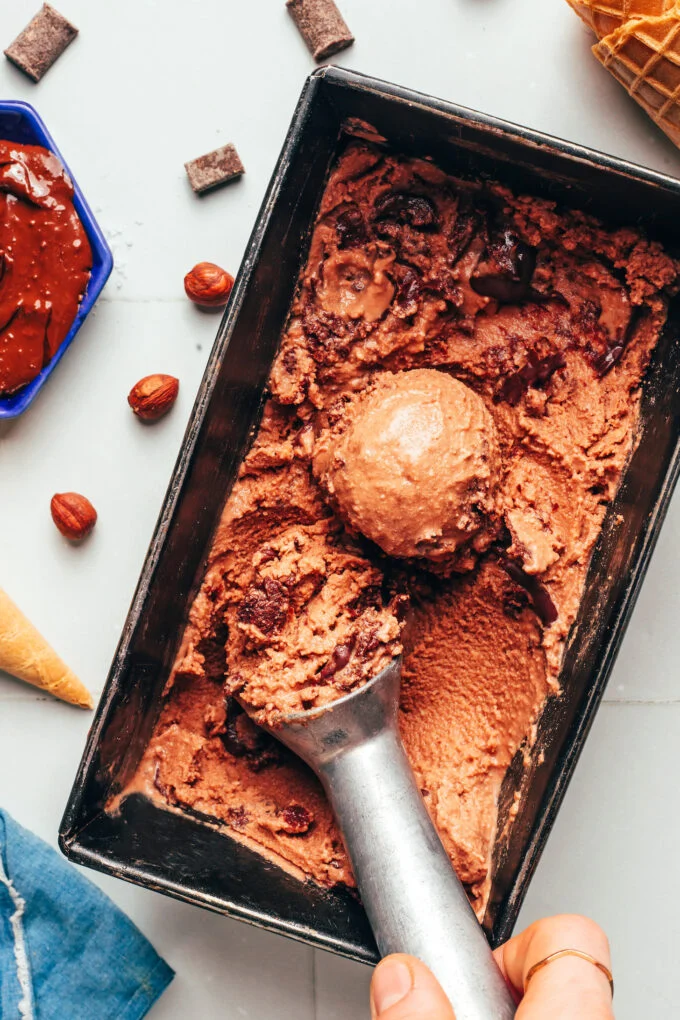
The landscape of modern plant-based confectionery has seen a significant evolution, shifting from simple sorbets toward complex, dairy-free frozen desserts that rival traditional gelato in both texture and flavor profile. A recent development in this sector is the introduction of a six-ingredient vegan ice cream recipe that utilizes the classic flavor pairing of roasted hazelnuts and high-quality chocolate. This recipe marks a departure from traditional custard-based ice creams, which rely on heavy cream and eggs, opting instead for a nutrient-dense, coconut-milk base that caters to the rising demographic of consumers prioritizing dairy-free and gluten-free dietary requirements.
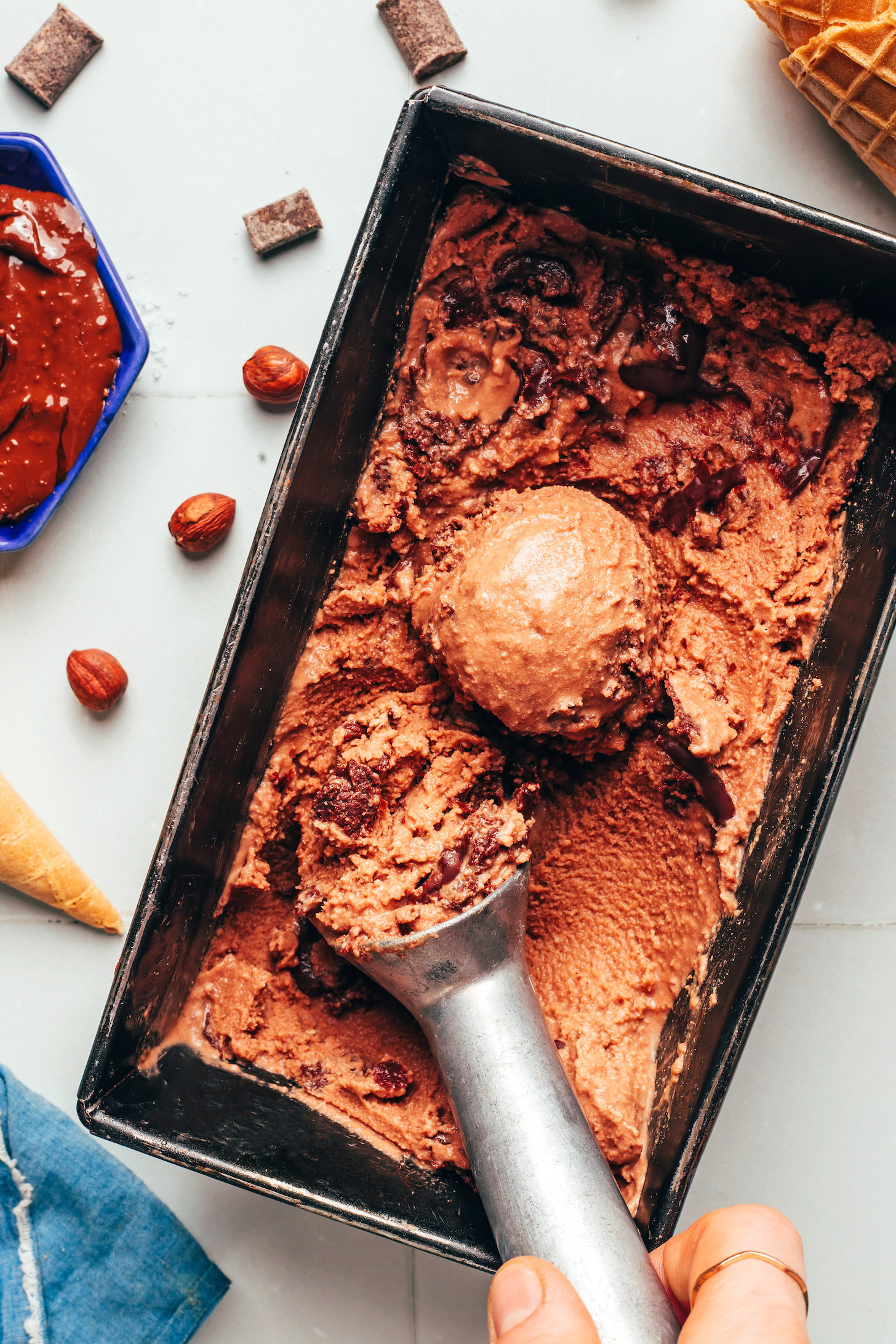
The Rise of Plant-Based Frozen Desserts
Market analysis from recent years indicates that the global dairy-free ice cream market is experiencing a compound annual growth rate (CAGR) of over 10%. Consumers are increasingly seeking alternatives that avoid animal-derived ingredients without sacrificing the mouthfeel associated with premium dairy products. The adoption of ingredients like coconut milk—specifically those containing natural emulsifiers such as guar gum—has proven essential in achieving the necessary viscosity and creaminess that defined the industry standard for decades.
The recent focus on hazelnut-based chocolate desserts reflects a broader trend toward "clean label" eating. By focusing on minimal ingredient lists—in this case, just six core components—producers and home chefs are moving away from the stabilizers, gums, and artificial flavorings that often permeate mass-market vegan alternatives. This shift aligns with broader consumer movements toward transparency in food production and the DIY (do-it-yourself) culinary movement.
Technical Preparation and Culinary Methodology
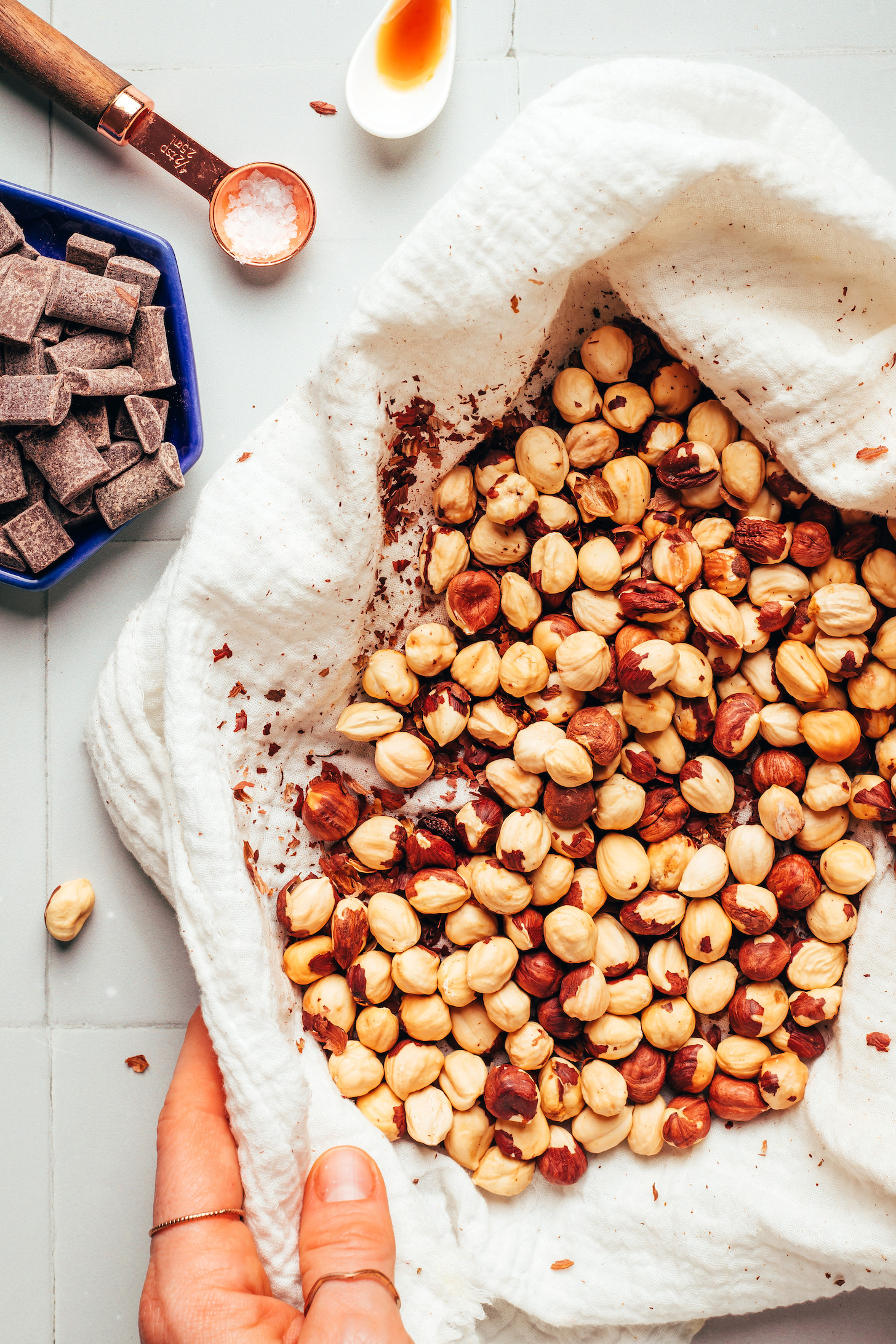
The creation of this specific iteration of vegan hazelnut-chocolate ice cream follows a precise, multi-stage culinary process. The methodology begins with the thermal treatment of raw hazelnuts. Roasting is not merely a flavor-enhancing step; it is a chemical necessity that triggers the Maillard reaction, developing the complex, toasted profile expected of high-end chocolate-hazelnut spreads. This process also serves a functional purpose by loosening the bitter skins of the nuts, which must be removed to ensure a smooth, uniform texture.
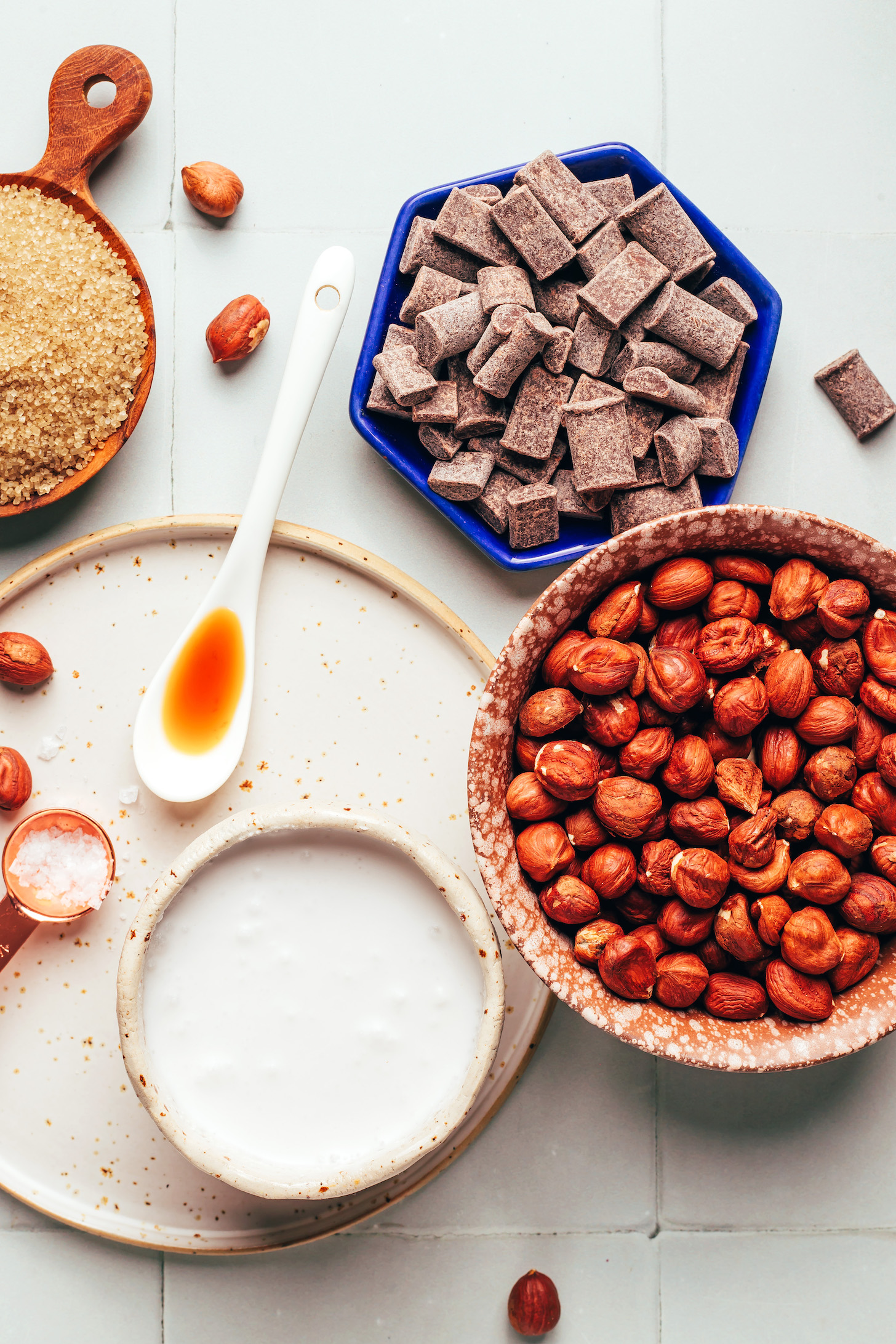
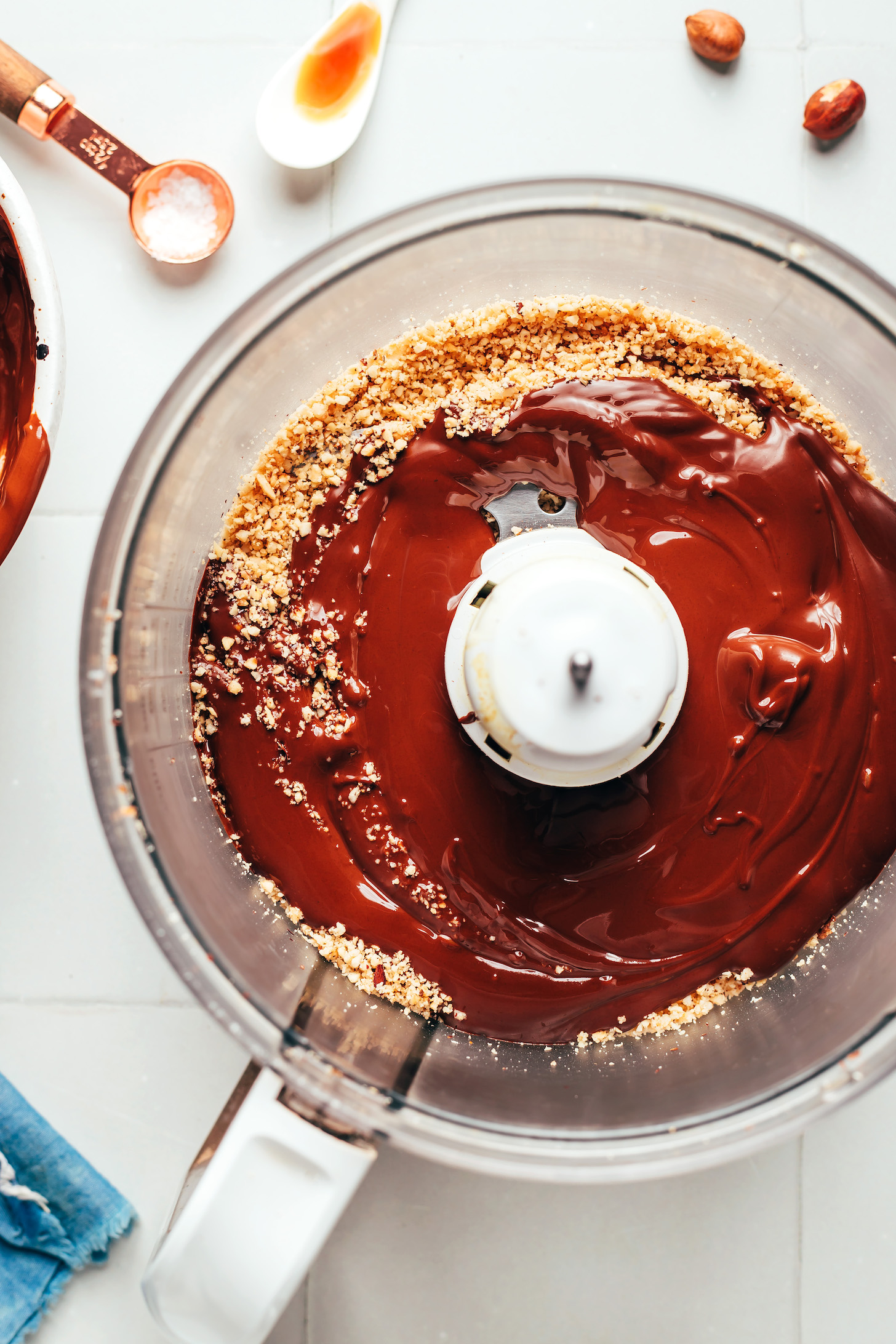
Once the hazelnuts are processed into a paste, they are emulsified with melted chocolate to create the "Nutella" base. This component is then integrated into a mixture of light coconut milk, cane sugar, and vanilla extract. The inclusion of a small amount of salt is a critical technical detail, as it acts as a flavor enhancer, balancing the high sugar content and cutting through the richness of the coconut fats.
Chronology of Preparation
The preparation cycle is structured to maximize stability and texture.
- Roasting (0–20 minutes): Hazelnuts are roasted at moderate temperatures to release natural oils.
- Emulsification (20–40 minutes): Blending the roasted nuts with melted chocolate creates a cohesive, high-fat base.
- Base Preparation (40–60 minutes): Incorporation of the coconut milk and secondary ingredients occurs, followed by a thorough blending process to ensure consistent aeration.
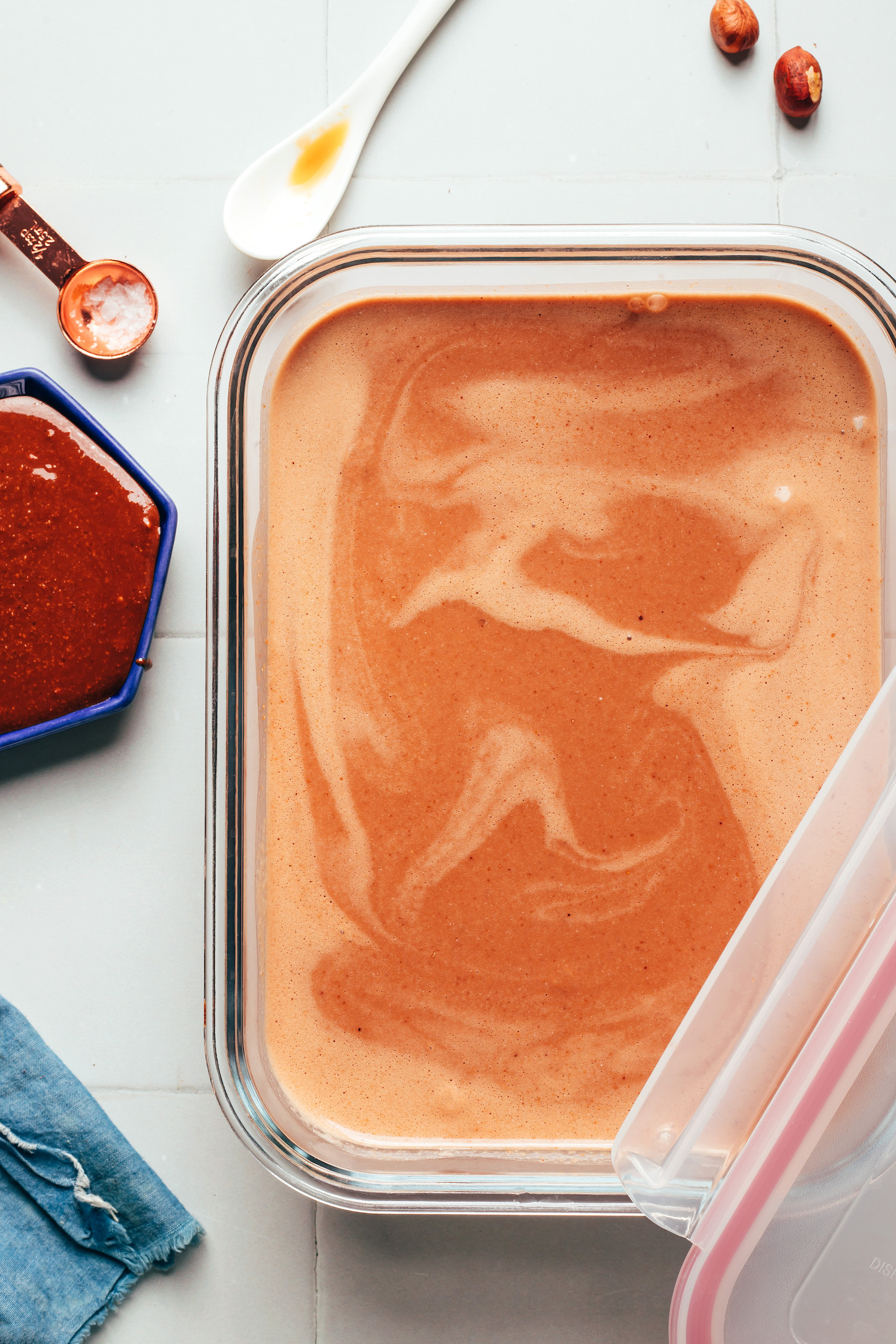
- Thermal Stabilization (60–180 minutes): The mixture must be refrigerated for at least one hour. This step is essential; it lowers the temperature of the fats, ensuring that the mixture reaches the optimal viscosity for the churning process.
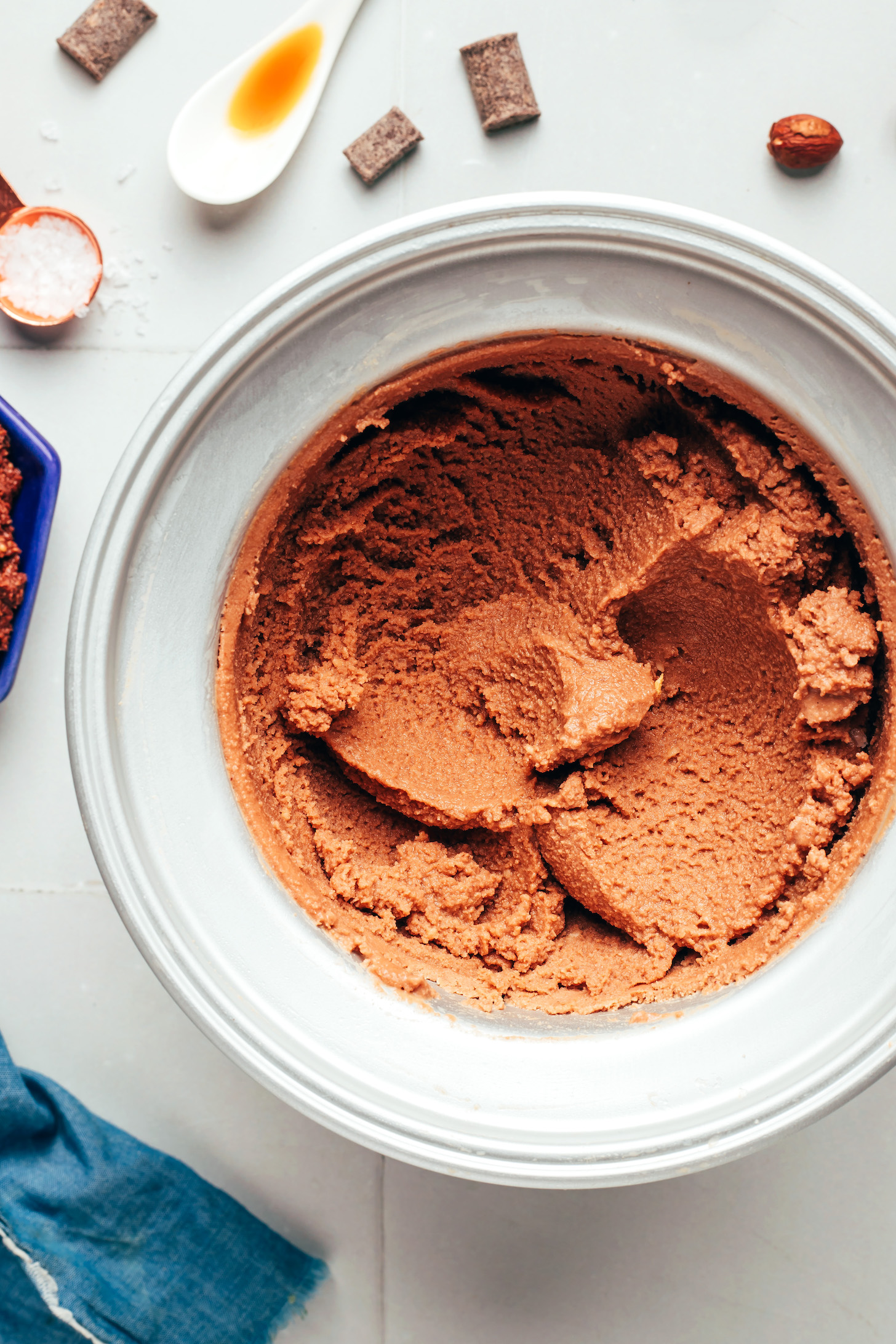
- Churning (180–210 minutes): Mechanical aeration via an ice cream maker incorporates air into the base, creating the characteristic "fluffy" structure. The final stage involves the manual folding of reserved chocolate-hazelnut spread to create distinct swirls, providing texture contrast.
Nutritional Profile and Dietary Implications
From a nutritional standpoint, the transition to a coconut-based dessert offers a different lipid profile than traditional dairy. While dairy ice cream is rich in milk fats, the coconut-based model provides medium-chain triglycerides (MCTs).
- Serving Size: ~1/2 cup
- Calories: 277 kcal
- Total Fat: 21.2 g (Saturated Fat: 9.4 g)
- Carbohydrates: 21.5 g
- Protein: 3.6 g
- Fiber: 2.8 g
The absence of cholesterol and the inclusion of plant-based proteins from the hazelnuts provide a slight nutritional advantage for individuals monitoring heart health, though the high caloric density remains a factor for dietary management. The fiber content is largely attributed to the hazelnut component, which also contributes small amounts of iron and calcium.
Broader Impact on Home Cooking Trends
The popularity of this recipe format underscores a shift in how home cooks perceive "masterpiece" desserts. Historically, complex frozen desserts were considered the domain of commercial producers with industrial-grade equipment. However, the proliferation of accessible, high-performance home ice cream makers has democratized the process.
Experts in the culinary field suggest that this trend is fueled by the "Kitchen-to-Table" movement, where consumers value the ability to control the quality of ingredients, particularly in items that are traditionally highly processed. By eliminating common allergens like soy, gluten, and dairy, recipes like this one are increasingly being adopted for social gatherings where dietary restrictions are common.
Industry Perspectives
Culinary professionals have noted that the success of dairy-free ice cream often hinges on the quality of the coconut milk used. Variations in the fat content and the presence of natural stabilizers can significantly alter the outcome. The recommendation to use specific, high-quality coconut milk brands highlights an increasing consumer awareness of ingredient functionality. When the base lacks proper emulsification, the resulting ice cream can suffer from ice crystal formation, which ruins the mouthfeel.
Furthermore, the versatility of the chocolate-hazelnut base allows for secondary applications, such as incorporation into cakes, breads, or warm beverages. This multi-functionality is a key driver in the popularity of such recipes, as it encourages efficient use of ingredients and reduces waste.
Conclusion and Future Outlook
As the summer season approaches, the demand for plant-based frozen treats is expected to peak. The integration of high-quality ingredients—such as ethically sourced cocoa and raw hazelnuts—into a simple, six-ingredient framework demonstrates that complexity in flavor does not necessitate complexity in production.

The longevity of this trend seems assured as more consumers move away from mass-produced, additive-heavy desserts. Whether for those with strict dietary restrictions or those simply seeking a more artisanal approach to their summer cooling options, the rise of the homemade vegan gelato serves as a testament to the ongoing innovation within the domestic kitchen. By standardizing these professional-grade techniques for the home cook, recipes like this provide a blueprint for a future where plant-based, gourmet-quality desserts are a standard feature of the household diet.
This model of dessert production—prioritizing simple, whole ingredients over industrial stabilizers—is likely to continue influencing the broader food industry as it adapts to a more health-conscious and ingredient-aware consumer base. The success of this specific hazelnut and chocolate formulation serves as a key case study in how traditional comfort foods can be successfully reimagined for the modern, ethical, and health-focused consumer.
