
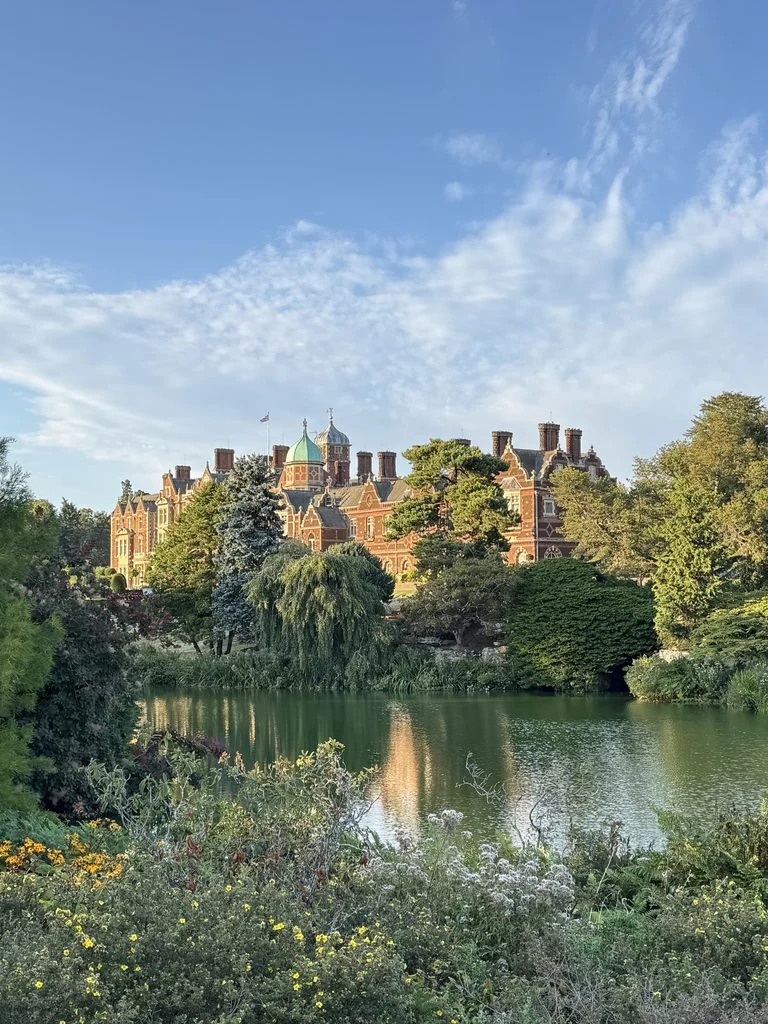
A Legacy of Royal Residency
The history of Sandringham is inextricably linked to the personal lives of the monarchy. Originally acquired as a country retreat for the then-Prince of Wales, the estate was rebuilt in a Jacobethan style, prioritizing comfort and domesticity over the rigid formality often associated with palaces like Buckingham or Windsor. For over a century, it has functioned as the primary destination for the Royal Family’s Christmas celebrations, a tradition established by King George V, who famously described the house as “dear old Sandringham, the place I love better than anywhere in the world.”

The recent "A Royal Country Retreat – Signature Tour" offers a rare, guided interior experience of the house. Visitors are granted access to areas of the residence that have historically remained private, providing a comprehensive view of the architectural and personal evolution of the home. The tour includes the Saloon, the Billiards Room, and the Long Library—the latter of which holds significant historical weight as the site of Queen Elizabeth II’s first televised Christmas broadcast in 1957.

Chronology and Operational Context
The decision to expand public access to the private quarters of Sandringham marks a shift in the management of royal estates under the reign of King Charles III. While the gardens and certain public areas have been accessible for decades, the inclusion of the ground-floor private rooms—where the family often relaxes—represents an unprecedented level of transparency.

The tours are strictly scheduled on Thursday, Friday, and Saturday evenings, beginning at 4:30 PM and concluding at 6:30 PM. This timing is deliberate, ensuring that the residential nature of the house is maintained while allowing for an intimate guest experience. The logistics are managed by professional stewards, many of whom possess decades of experience within the royal household, providing historical context that spans the transition from the late Queen Elizabeth II to the current monarch.

Interior Insights and Historical Significance
The interior of Sandringham serves as a repository of personal royal history. The Saloon, often the focal point of the tour, is characterized by its "lived-in" atmosphere. Features such as half-finished jigsaw puzzles on the tables and family photographs displayed on sideboards reinforce the narrative that this is, fundamentally, a family home.

Among the most significant rooms on the tour is the garden-view bedroom where King George VI passed away in 1952. The dining room, frequently curated to reflect the setting of recent family gatherings, showcases the Minton china and crystal that have been staples of royal hospitality for generations. The inclusion of these rooms is designed to provide an educational narrative, illustrating how the monarchy balances its public role with its private family obligations.

Supporting Data: The Economics of the Estate
Sandringham is not merely a house; it is a significant economic engine for the Norfolk region. As a private estate, it is operated through the Sandringham Estate Trust. Financial reports suggest that the estate’s diversification—which includes the production of "Sandringham Gin," distilled from botanicals grown on-site, and the management of orchards providing apples for commercial juice production—is essential to the long-term sustainability of the property.

The "Signature Tour" contributes to the estate’s wider visitor economy. Data from the Association of Leading Visitor Attractions (ALVA) consistently highlights the importance of historical royal residences in driving tourism in the United Kingdom. By allowing access to the interior, the estate effectively increases the value proposition for visitors, supporting the maintenance of the Grade II-listed structure and the surrounding parklands.

The Role of Oral History in Royal Stewardship
A distinctive feature of the current tour program is the role played by the room stewards. The involvement of staff who have served the Royal Family for upwards of 35 years adds a layer of primary-source testimony that is rarely found in traditional museum settings. These individuals provide anecdotal accounts of life at Sandringham during the tenures of the Queen Mother, Princess Margaret, and the late Queen Elizabeth II. This oral history component ensures that the "human" element of the estate is preserved, moving beyond the mere cataloging of furniture and art.

Broader Implications for the Monarchy
The opening of Sandringham House to more extensive public tours is consistent with broader efforts by the modern monarchy to maintain relevance and accessibility. By sharing the spaces where royal decision-making and family life intersect, the institution fosters a greater sense of connection with the public.

Furthermore, the emphasis on the house’s role as a working estate—highlighting the local produce, the gardens, and the conservation efforts—aligns with King Charles III’s long-standing commitment to environmental sustainability and rural stewardship. The estate serves as a microcosm of the King’s broader philosophy, demonstrating that royal property can be managed with an eye toward conservation, agricultural productivity, and public engagement simultaneously.

Analysis of the "Signature" Approach
The "Signature Tour" model is a carefully curated experience that contrasts with the high-volume, self-guided tours seen at other heritage sites. By limiting the number of visitors and ensuring a guided, narrative-led flow, the estate maintains the integrity of the private space. This approach minimizes the wear and tear on historic interiors while maximizing the educational impact of the visit.

From an architectural preservation standpoint, this model is highly effective. It allows for the monitoring of the environment within the rooms—protecting delicate fabrics, wood paneling, and historical artifacts from the fluctuations in light and temperature that can occur in unrestricted spaces.

Future Prospects for Sandringham
As the estate continues to evolve, the integration of technology and historical education will likely remain a priority. The current success of the "Signature Tour" suggests a public appetite for high-quality, in-depth historical engagement. Future developments may see further expansion into the upper floors or the inclusion of more extensive archives related to the estate’s agricultural history.

For the visitor, the experience is designed to be more than a viewing of art; it is an immersion into the lifestyle of the British monarchy. Whether through the lens of the architectural design, the personal mementos of past monarchs, or the sustainable practices of the present-day estate, Sandringham remains a vital touchstone of British heritage. The invitation to visit is, in essence, an invitation to witness the continuity of a historical narrative that remains, despite the changes in the world outside its gates, remarkably preserved within the quiet corners of the Norfolk countryside.

The commitment to maintaining the "cozy and comfortable" aesthetic, as noted by visitors, is a testament to the success of the estate’s management in honoring the legacy of those who have lived there. As the estate moves forward, it will continue to serve as a bridge between the private lives of the Royal Family and the public’s desire to understand the history and daily operations of one of the world’s most enduring institutions.
