
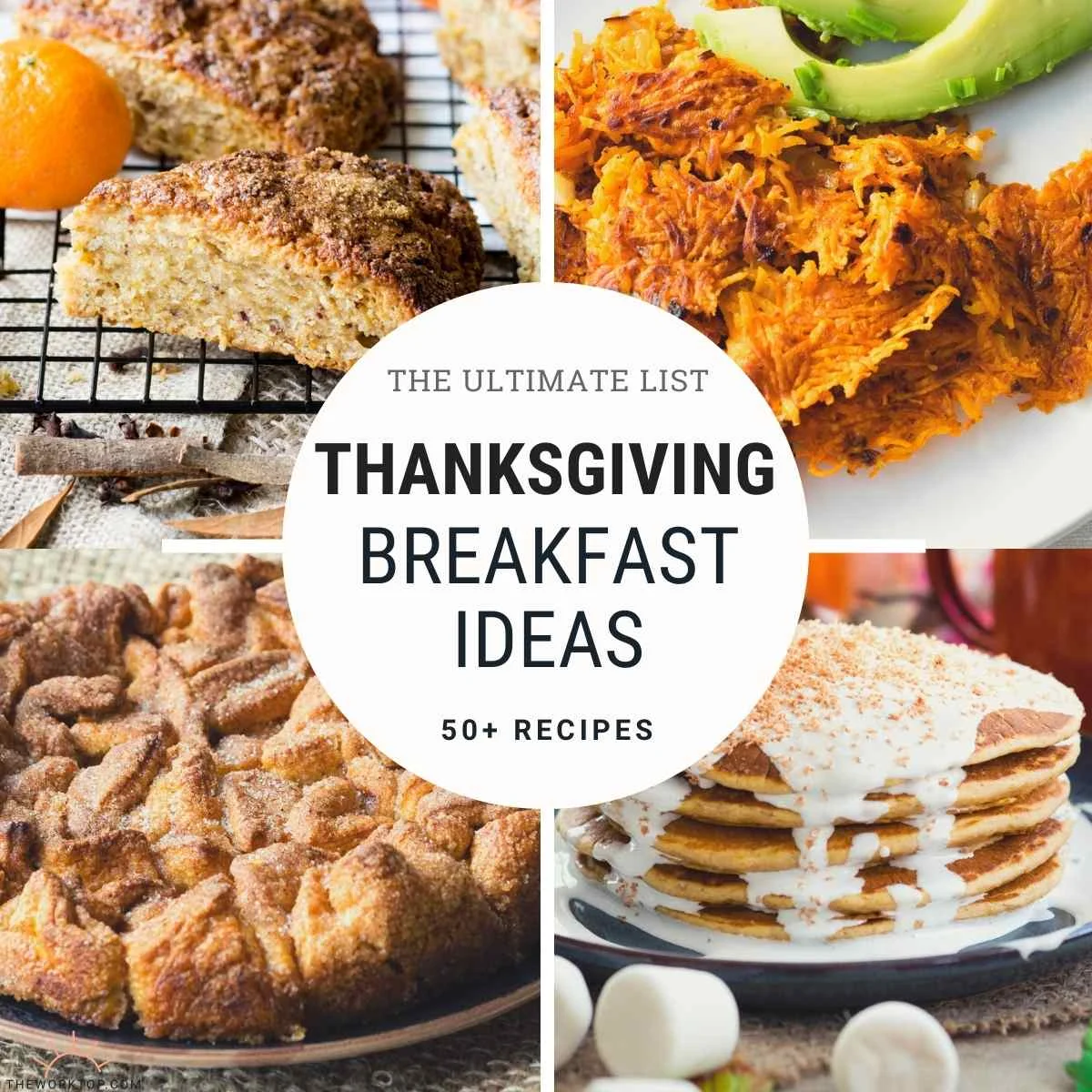
Thanksgiving is traditionally dominated by the evening feast, a multi-course production centered on the roasted turkey. However, a growing culinary trend has shifted the spotlight to the hours preceding the main event, with families increasingly embracing elaborate breakfast and brunch menus. This shift is not merely about culinary indulgence; it is a strategic approach to managing the holiday’s social dynamics and physiological demands. By providing a substantial morning meal, hosts can mitigate the "hangry" irritability that often builds during long hours of food preparation, while also creating a distinct celebratory milestone before the primary event.

According to recent food industry surveys, nearly 40% of households now incorporate a dedicated breakfast or brunch on Thanksgiving day. This represents a significant departure from the traditional "starve-until-dinner" strategy, which experts suggest can lead to overeating and digestive discomfort during the main feast. A well-planned brunch provides the caloric energy required for the day’s labor—from basting the bird to managing a packed kitchen—while fostering a sense of hospitality for overnight guests.
The Evolution of the Thanksgiving Brunch Landscape
The transformation of Thanksgiving breakfast from a simple cup of coffee to a curated meal is fueled by several factors. Culinary experts note that the increased accessibility of "make-ahead" recipes has been the primary driver of this trend. By utilizing overnight casseroles and prep-friendly skillet dishes, hosts can maximize their time with family while ensuring that the breakfast table remains festive and stress-free.
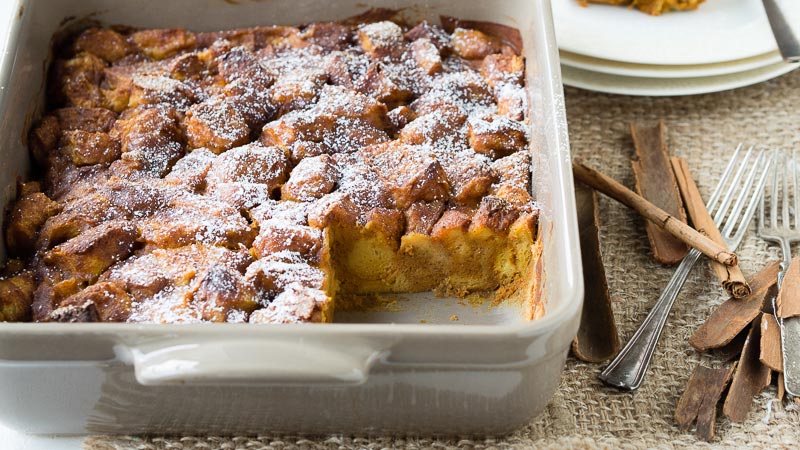
Furthermore, the integration of seasonal ingredients such as pumpkin, cranberries, sweet potatoes, and warming spices allows the breakfast menu to act as a thematic prelude to the Thanksgiving dinner. This continuity in flavor profiles—connecting the morning’s cinnamon-dusted French toast to the evening’s pumpkin pie—creates a cohesive narrative for the holiday.
Strategic Meal Planning: The Casserole Advantage
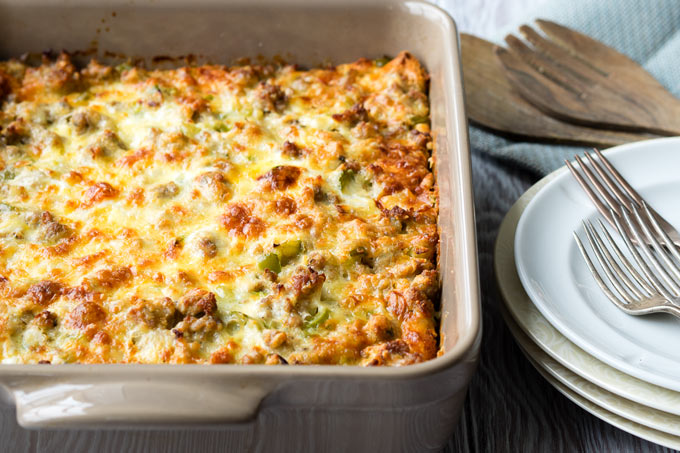
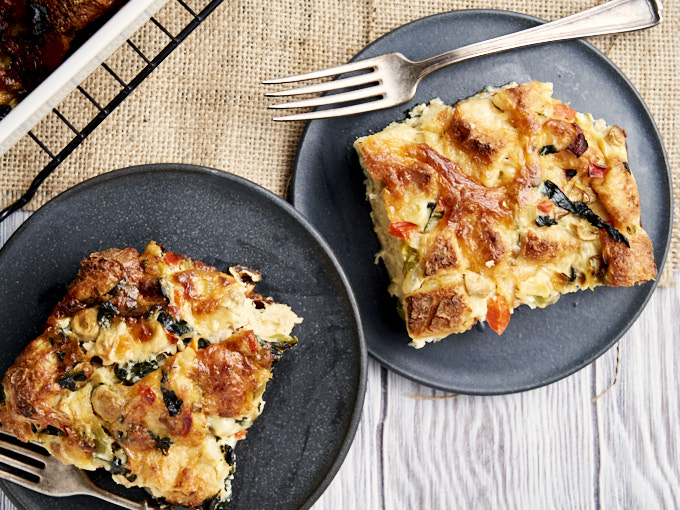
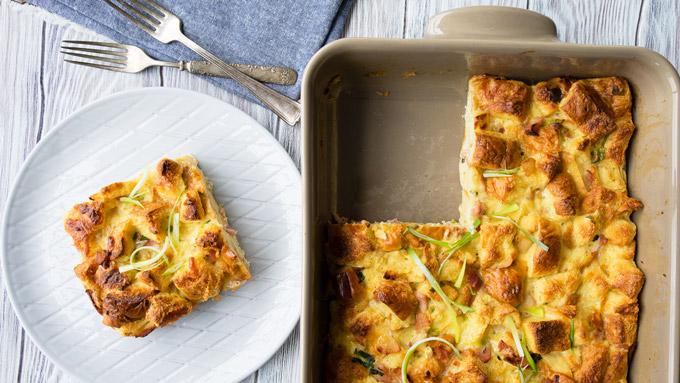
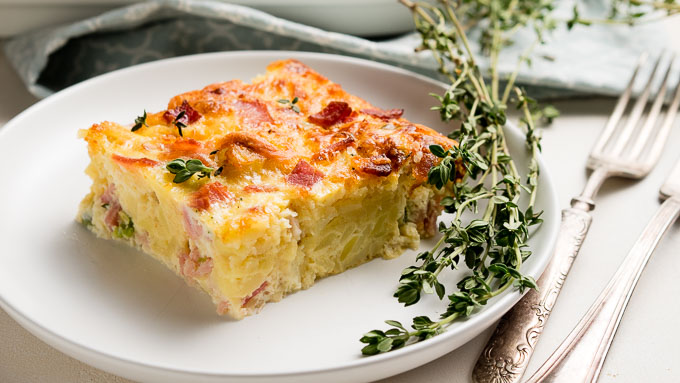
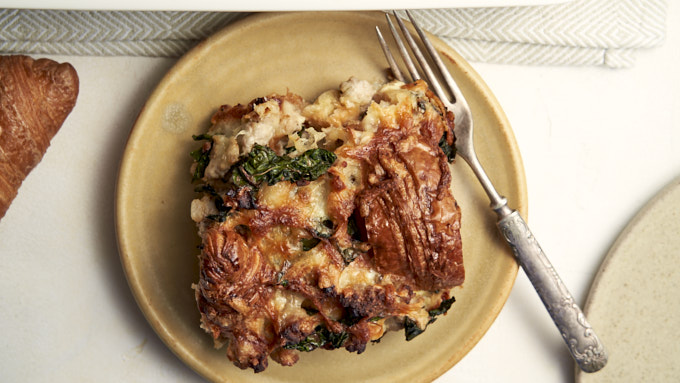
For large gatherings, the breakfast casserole remains the gold standard of efficiency. These dishes offer a dual benefit: they provide a hearty, crowd-pleasing protein base and are designed to be prepared up to 24 hours in advance. For example, a Sausage and Egg Breakfast Casserole or a Vegetarian Breakfast Casserole can be assembled the night before, refrigerated, and placed in the oven while the host manages final turkey preparations.

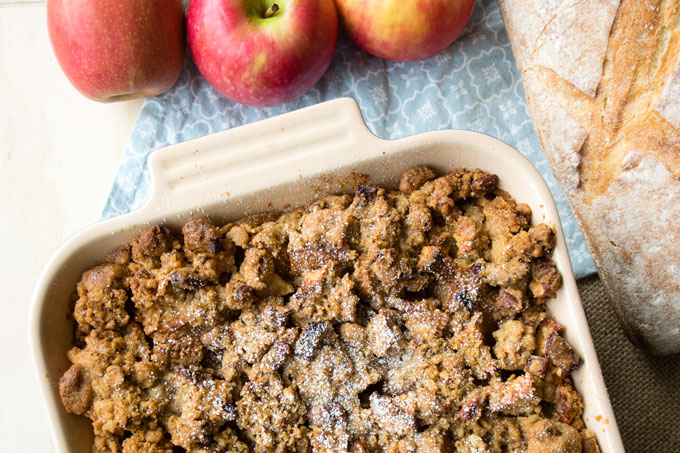
The chemistry of these overnight bakes is essential to their success. By allowing the bread to soak in the egg-and-milk mixture for several hours, the final result achieves a custard-like texture that is superior to standard breakfast bakes. This technique is equally applicable to sweet dishes, such as Apple French Toast Casseroles, where the flavors of cinnamon and caramelized fruit have time to permeate the bread fully.
Skillet Cooking: The Versatility of One-Pan Meals
While casseroles offer ease, skillet-based recipes provide a rustic, tactile experience that is gaining traction among home chefs. Skillet meals—ranging from bacon-infused sweet potato hashes to loaded farm-style breakfasts—allow for greater control over the crispness of potatoes and the texture of eggs.

From a logistical standpoint, the skillet is an efficient tool. A Sweet Potato Hash, for instance, serves as a nutrient-dense option that utilizes one of Thanksgiving’s most iconic ingredients in a savory context. These dishes are particularly effective for smaller groups or for those who prefer a "build-your-own" style of service, where individual components can be added or adjusted according to dietary preferences.
Seasonal Flavors and Festive Dietary Considerations
The modern Thanksgiving breakfast menu is increasingly conscious of diverse dietary needs. The rise of gluten-free, vegan, and dairy-free options ensures that all guests are accommodated without requiring separate meal preparations.
- Gluten-Free Innovation: Utilizing ingredients like potatoes or specialized flour blends allows for dishes like gluten-free potato casseroles or almond-flour-based pancakes. These alternatives are no longer viewed as "substitutes" but as high-quality culinary choices that satisfy all guests.
- Plant-Based Celebrations: The inclusion of vegan muffins, carrot cakes, and plant-based pumpkin dishes demonstrates a commitment to inclusivity. These recipes rely on clever substitutions—such as flax eggs or coconut yogurt—to maintain the structural integrity and flavor profile expected of traditional holiday foods.
Economic and Logistical Implications for the Host
For the professional or amateur host, the logistical planning of Thanksgiving requires a delicate balance of timing. The adoption of a structured breakfast timeline serves as a stabilizer for the entire day. By establishing a morning routine, the host creates a schedule that anchors the chaotic preparations of the afternoon.
Data from the American Farm Bureau Federation consistently highlights the rising cost of holiday ingredients. Consequently, breakfast ideas that utilize pantry staples—such as oats, flour, eggs, and canned pumpkin—are highly valued. These recipes allow for an elevated dining experience without incurring the significant expense associated with the primary Thanksgiving protein and side dishes.
The Role of Beverages in Holiday Hospitality
A sophisticated breakfast menu is incomplete without a thoughtful beverage program. The focus on "fall-forward" drinks has seen a surge in popularity. Maple Pecan Lattes and hot pumpkin spice drinks are no longer exclusively found in commercial coffee chains; they are now staples of home-based holiday hospitality.
These drinks serve a dual purpose: they act as a comforting start to a chilly autumn day and offer a non-alcoholic, or in the case of brunch cocktails like the Hibiscus Lemon Gin, an alcoholic, festive touch to the morning. The inclusion of these beverages encourages guests to linger at the table, promoting the social bonding that is at the heart of the holiday.

Chronological Planning for a Seamless Morning
To ensure the breakfast service does not conflict with the cooking schedule of the main feast, successful hosts utilize a chronological approach:
- T-Minus 48 Hours: Inventory pantry staples and purchase fresh produce. Prepare any components that can be stored, such as spice blends or dry mixes for pancakes and muffins.
- T-Minus 24 Hours: Assemble and refrigerate any overnight casseroles. Prepare beverage bases like syrups or fruit infusions.
- Thanksgiving Morning: Pre-heat the oven early. If serving a casserole, it can bake while the coffee is being brewed. If using a skillet, the quick cooking time allows for a fresh, hot meal to be served in under 30 minutes, leaving ample time to move the turkey into the oven.
Concluding Analysis: The Future of the Thanksgiving Meal
The shift toward a comprehensive Thanksgiving breakfast is a reflection of a broader cultural movement toward "slowing down" the holiday. Rather than viewing the day as a single high-pressure event, families are finding value in extending the celebration to encompass the entire day. This approach reduces the pressure on the dinner hour, as the focus is no longer exclusively on the turkey.
By integrating breakfast into the holiday tradition, hosts create a space for lower-stakes socialization and creative culinary expression. Whether it is a quick batch of cinnamon-sugar pull-apart bread or a more involved sweet potato brunch skillet, these ideas serve as a reminder that the spirit of Thanksgiving is found in the time shared together, from the first cup of coffee to the final slice of pie. As the holiday season continues to evolve, the Thanksgiving breakfast stands as a testament to the modern family’s desire for connection, comfort, and, above all, a well-nourished start to their day of gratitude.
