
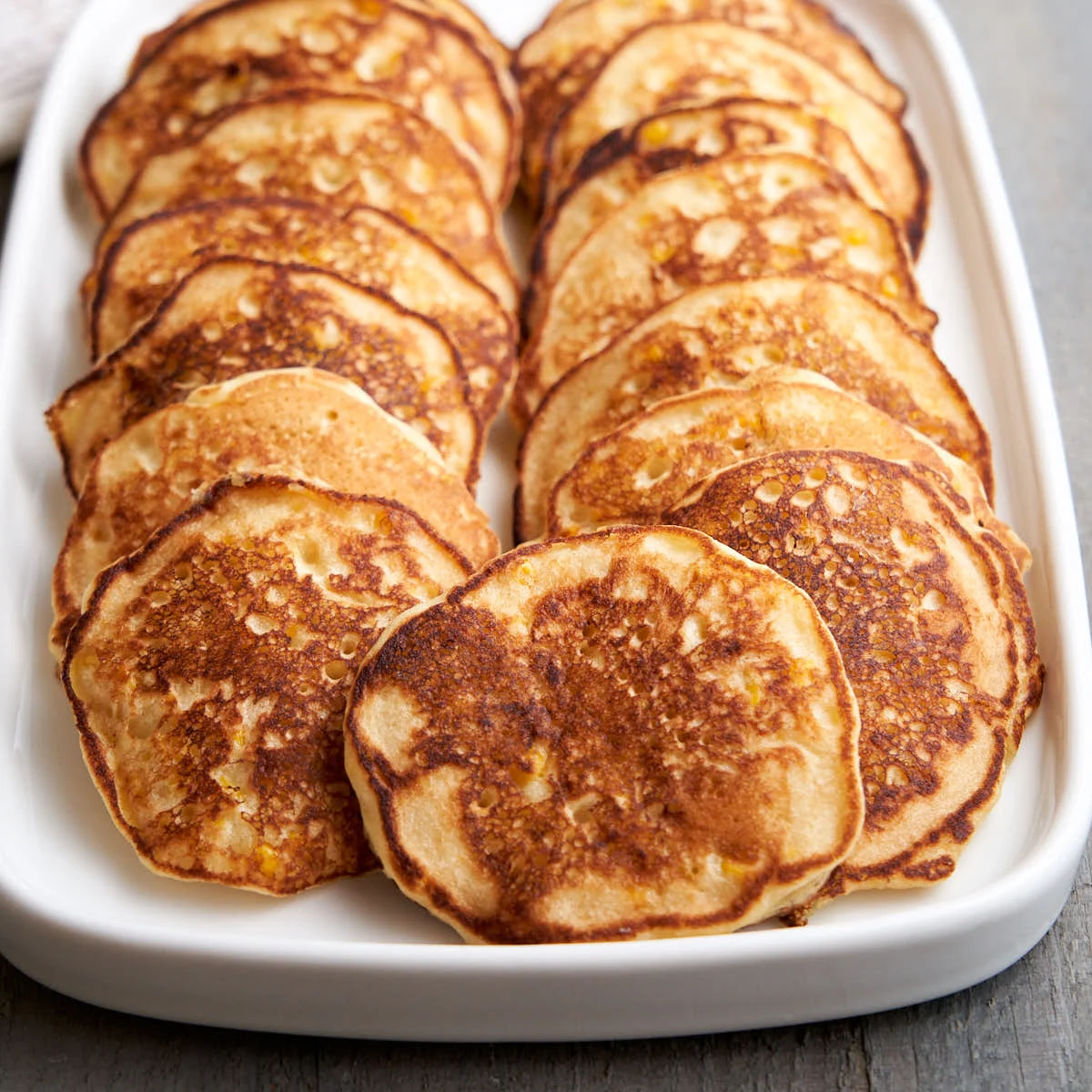
The transformation of traditional breakfast fare into more textured, nutrient-dense, and gourmet experiences has seen a significant resurgence in home kitchens across the United States. Among the most notable developments in this culinary trend is the rise of savory-sweet fusion pancakes, specifically those incorporating canned creamed corn. This preparation, which creates a custard-like interior reminiscent of traditional Southern corn pudding, has evolved from a regional specialty into a widely recognized breakfast and brunch staple.
The Origins and Culinary Context of Creamed Corn Pancakes
Corn has served as a cornerstone of the North American diet for centuries, with indigenous populations developing sophisticated methods for processing maize. The evolution of the pancake—a simple batter-based cake—to include creamed corn represents a shift toward utilizing pantry staples to achieve complex textures. Creamed corn, which consists of whole kernels suspended in a milky, starchy liquid released from the cob, provides a unique moisture profile that standard pancake batters lack.
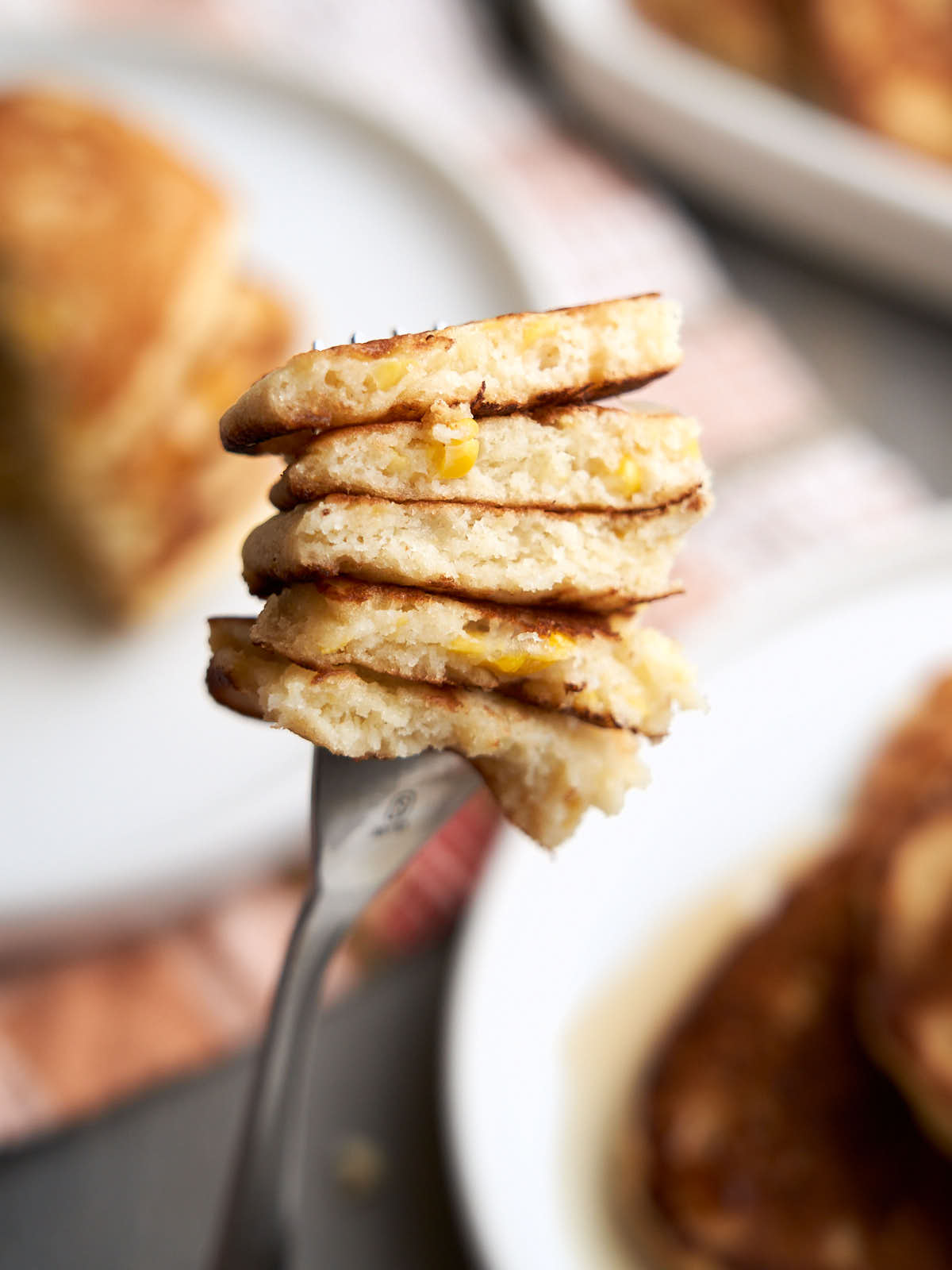
Unlike traditional flour-based pancakes, which rely on baking powder and egg whites for aeration and rise, corn-based pancakes utilize the natural sugars and starches present in the corn to achieve a dense, moist, and custard-like consistency. This specific preparation mirrors the chemical composition of corn pudding, a baked dish with roots in early American colonial cooking, which was traditionally prepared as a way to extend the shelf life of fresh summer harvests.
Chronology of the Modern Breakfast Trend
The transition of corn-based dishes from side-course accompaniments to breakfast centerpieces has occurred steadily over the last decade. Market analysts note that this shift is largely driven by a growing consumer interest in "elevated comfort food."
- Early 2000s: The emergence of specialized culinary blogs and digital recipe archives began documenting regional American breakfast variations, bringing localized dishes like corn-based hotcakes to a national audience.
- 2015–2018: The rise of brunch culture in urban centers prompted chefs to experiment with savory pancake batters. During this period, the integration of canned creamed corn became a standard technique for achieving a consistent, velvety texture that outperformed traditional cornmeal-only recipes.
- 2020–Present: The post-pandemic shift toward home-based meal preparation saw a 22% increase in consumer interest for recipes utilizing pantry-stable ingredients. Canned creamed corn, a long-time pantry staple, experienced a surge in utility as households sought to recreate restaurant-quality brunch experiences at home.
Nutritional Data and Ingredient Analysis
The utilization of canned creamed corn in breakfast batters alters the nutritional profile of the meal compared to standard buttermilk or flour-based pancakes. While traditional pancakes are often high in refined carbohydrates and low in fiber, the addition of corn introduces essential vitamins and minerals.
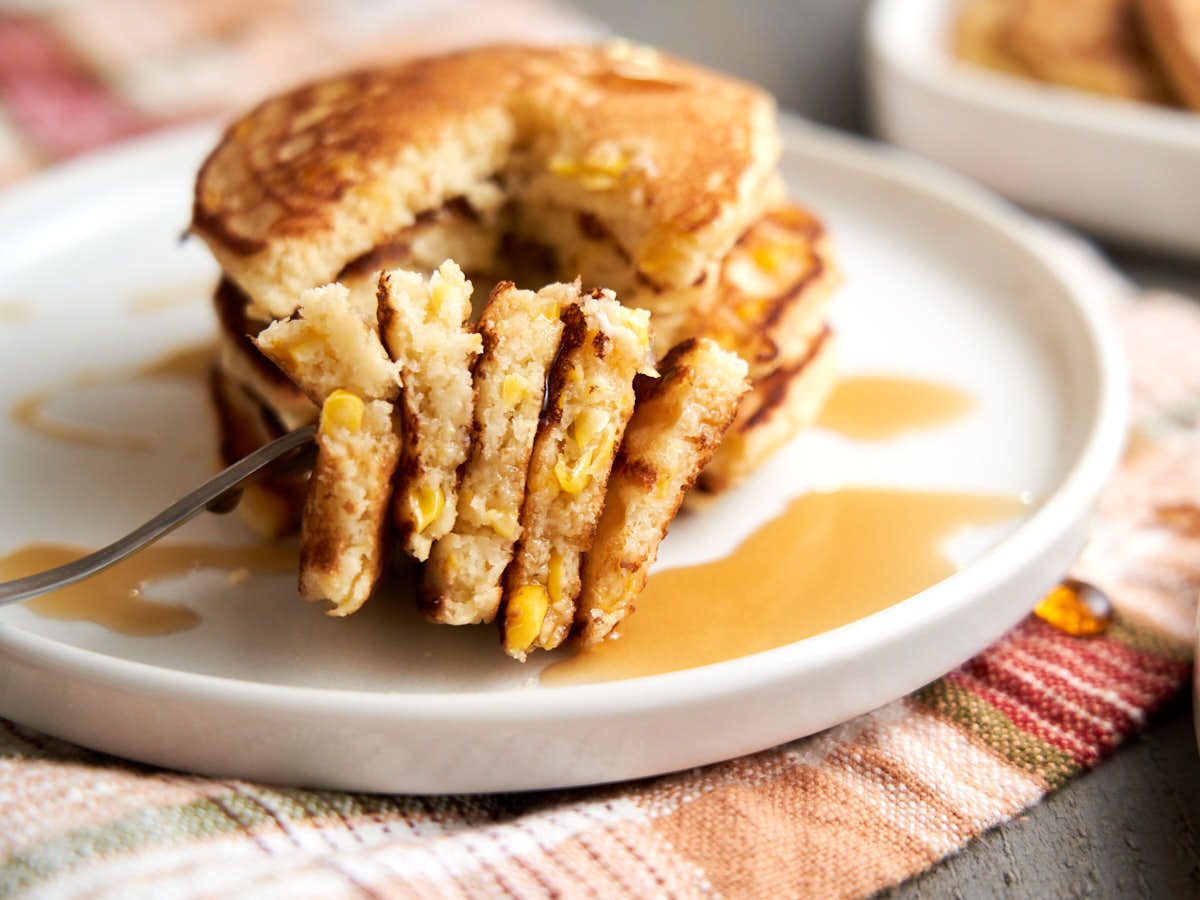
According to USDA data, a half-cup serving of creamed corn contains approximately 60–80 calories and provides a source of dietary fiber, folate, and vitamin C. When incorporated into a pancake batter, the corn serves as both a leavening agent and a moisture-retention medium. Furthermore, the inclusion of corn reduces the reliance on excessive amounts of processed sugars, as the natural sweetness of the kernels provides a balanced flavor profile that pairs effectively with both maple syrup and savory toppings like salted butter or bacon.
Technical Methodology for Preparation
The success of these pancakes relies on a rigorous two-bowl mixing process, a technique widely endorsed by culinary professionals to ensure proper chemical reactions.
- Dry Ingredient Integration: The process begins with the whisking of flour, leavening agents (baking powder), and a pinch of salt. This ensures even distribution, preventing clumps that could affect the final texture.
- Wet Ingredient Emulsification: In a separate container, the creamed corn is blended with eggs, milk, and melted butter. The goal is to create a homogenous mixture where the starchy liquid of the corn is evenly dispersed.
- The Binding Phase: The wet and dry ingredients are folded together gently. Over-mixing is a critical error often cited by chefs, as it develops gluten, resulting in a rubbery, tough pancake rather than the desired custard-like interior.
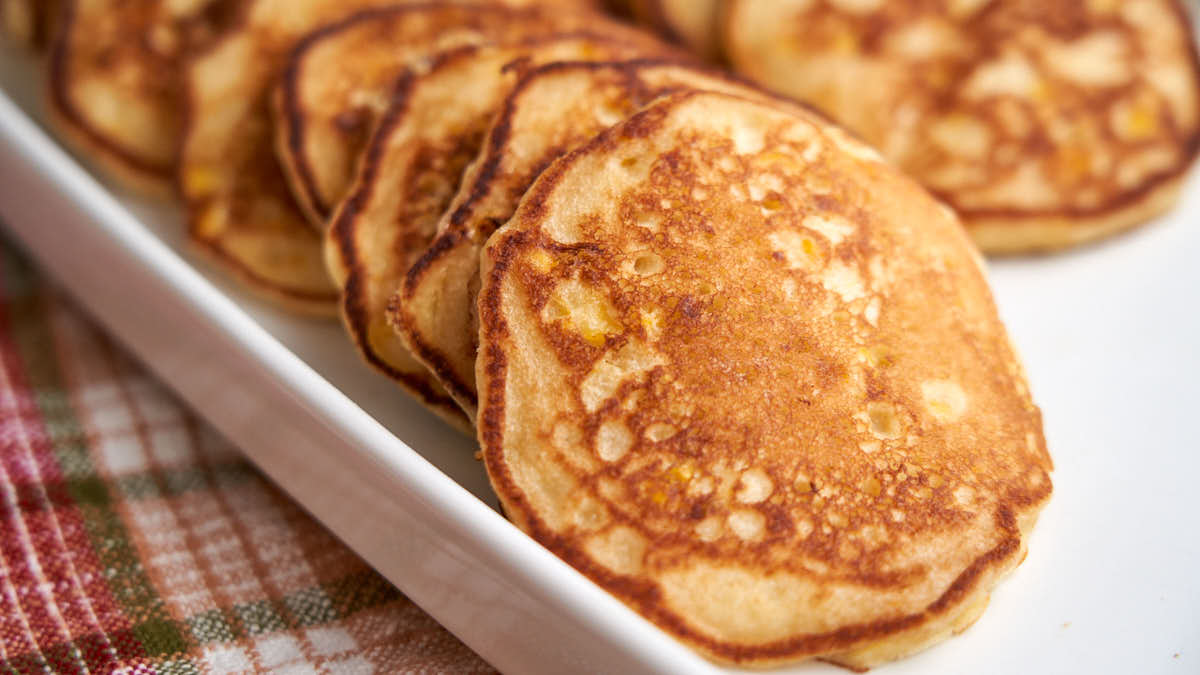
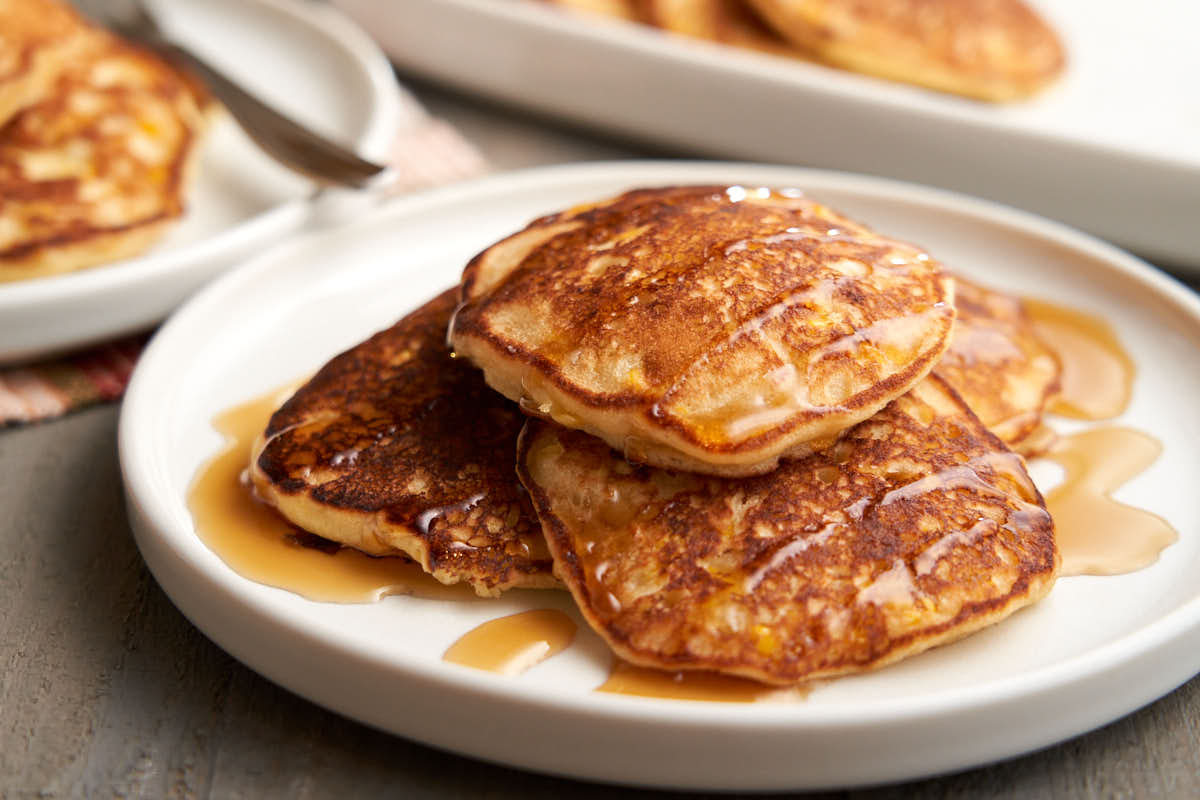
- Thermal Application: Culinary experts emphasize the importance of temperature control during the cooking phase. Because the high sugar content in creamed corn can lead to rapid browning, the use of a silicone brush to distribute butter on a griddle—maintained at a medium-low temperature—is the recommended method for achieving a uniform, lacy, and golden-brown exterior.
Economic and Market Implications
The widespread adoption of this recipe has had a noticeable impact on the pantry-staple market. Retailers have reported consistent sales of canned creamed corn, noting that consumers are increasingly viewing the product as a versatile ingredient rather than a simple side dish for dinner service.
From an economic perspective, the accessibility of these ingredients—flour, eggs, milk, and canned corn—makes the dish highly scalable. It serves as an affordable, nutrient-dense breakfast option that avoids the high cost of premium ingredients while still offering a gourmet dining experience. This "value-driven luxury" is a significant trend in the current food industry, as households seek to mitigate inflation-driven costs while maintaining high standards for home-prepared meals.
Broader Culinary Impact
The success of the corn pancake serves as a case study for the evolution of modern home cooking. It highlights a departure from rigid traditionalism toward a more experimental approach that prioritizes texture and flavor complexity. By adapting the chemical properties of corn pudding to the structural framework of a pancake, home cooks have created a dish that bridges the gap between sweet and savory.
Furthermore, the versatility of the final product—which can be served with maple syrup for a traditional breakfast or with savory accompaniments for a midday brunch—positions it as an adaptable culinary platform. As food trends continue to lean toward global fusion and ingredient-focused cooking, the corn pancake stands as a testament to the enduring appeal of traditional, cost-effective, and deeply satisfying comfort foods.

Conclusion
The corn pancake, particularly when executed with the addition of canned creamed corn, remains a compelling subject for both culinary enthusiasts and nutrition-conscious consumers. Its unique ability to combine the convenience of modern pantry items with the sophisticated, tender texture of a classic custard ensures its place in the rotation of contemporary breakfast recipes. As consumer habits evolve, the focus on utilizing high-quality, accessible ingredients to create elevated meals will likely continue to sustain the popularity of this dish for years to come.
