
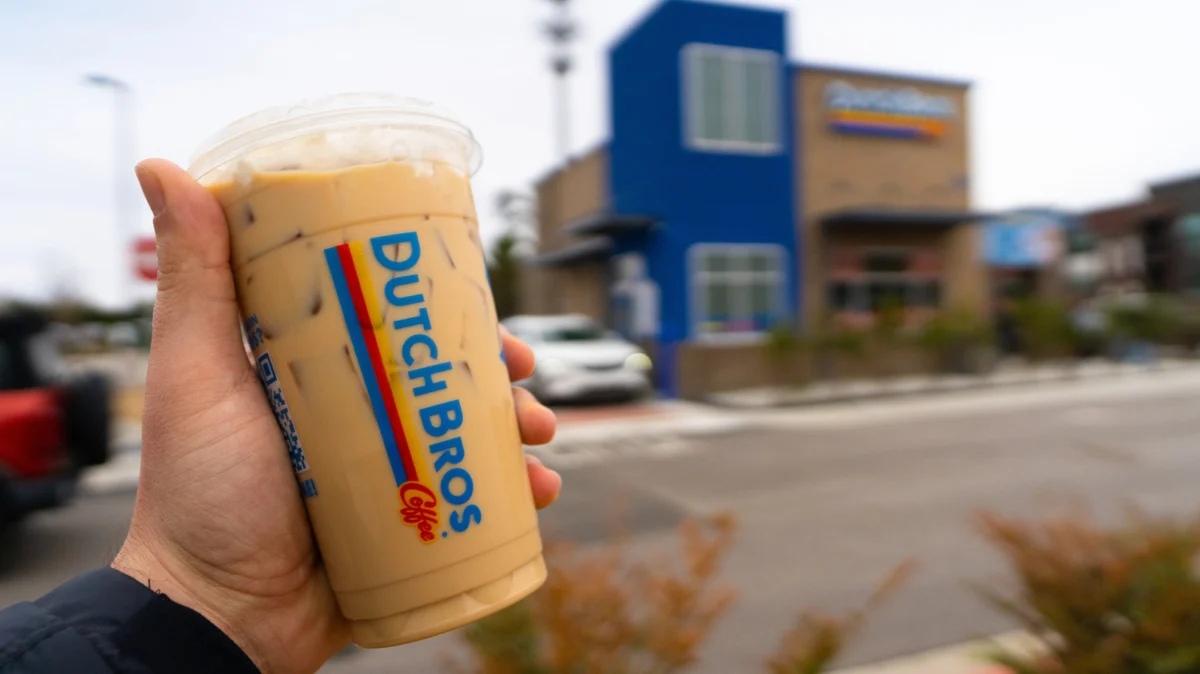
For aficionados of the vibrant Dutch Bros coffee experience, the allure of their signature drinks often comes with the recognition that daily indulgences can significantly impact one’s budget. Among their popular offerings, the Golden Eagle iced latte stands out as a particular favorite, a creamy concoction blending the rich notes of caramel and vanilla, crowned with a final flourish of caramel drizzle. While the convenience and unique flavor profile of a Dutch Bros visit are undeniable, the economic reality for many consumers necessitates exploring more accessible alternatives. Fortunately, the beloved Golden Eagle is surprisingly straightforward to replicate in the comfort of one’s own kitchen, requiring only a handful of readily available ingredients. This allows for a personalized and cost-effective approach to enjoying this signature beverage, transforming a daily treat into an achievable home ritual.
The foundational elements for crafting a homemade Golden Eagle are quite simple: caramel syrup, vanilla syrup, espresso, half and half, and ice. The process begins by preparing your chosen serving vessel. For those who appreciate the aesthetic of their coffee, a stylish iced coffee glass, such as those featuring bamboo lids and reusable straws, can enhance the overall experience. The initial step in assembling the drink involves artfully drizzling caramel syrup along the interior walls of the glass, a technique that not only contributes to the visual appeal but also ensures a more profound and consistent caramel flavor throughout each sip. Following this, two pumps of caramel syrup are added directly to the glass. The espresso is then brewed and poured immediately over these caramel pumps. This method facilitates a more efficient dissolution of the syrup, integrating it seamlessly with the robust coffee base. The quantity of espresso mirrors Dutch Bros’ own standard: small and medium Golden Eagles typically contain two shots, while larger sizes incorporate four. This guideline can be adjusted based on personal preference for caffeine intensity and coffee flavor.
The next crucial step involves combining the espresso and caramel mixture thoroughly. Subsequently, the half and half is introduced. It is this ingredient that distinguishes the Golden Eagle as a breve, a category of espresso drink characterized by the use of steamed half-and-half, differentiating it from a standard latte which typically uses milk. The addition of ice then chills the beverage to the desired temperature. Finally, a final drizzle of caramel syrup is applied to the surface, completing the visual and gustatory profile of the Golden Eagle. This straightforward assembly process empowers consumers to recreate the essence of their favorite Dutch Bros beverage without the recurring expense of frequenting the drive-thru, making it a practical and satisfying option for everyday enjoyment.
Elevating the Homemade Golden Eagle: Customization and Flair
While the base recipe for the Golden Eagle is undeniably appealing, the inherent advantage of preparing this beverage at home lies in the boundless opportunities for customization and enhancement. The Dutch Bros menu itself offers a testament to customer preferences, with drinks like the Annihilator and the 9-1-1 highlighting a demand for both nuanced flavors and potent caffeine levels. The Golden Eagle, consistently recognized among the top-tier Dutch Bros offerings according to customer sentiment, can be further elevated through simple yet impactful modifications.
One of the most direct ways to amplify the Golden Eagle experience without introducing new ingredients is by increasing the espresso content. For those seeking an intensified caffeine kick or a more pronounced coffee flavor, adding an extra shot or two of espresso can transform the drink into a more robust pick-me-up, aligning with the preferences of patrons who favor bolder coffee profiles.
For those whose palates lean towards sweeter, more decadent concoctions, the addition of caramel cold foam presents an exceptional upgrade. This luxurious topping can be purchased pre-made from various retailers or, for a more hands-on approach, can be crafted at home. The process involves combining heavy cream, milk, and caramel sauce in a blender or with a frother until a thick, velvety foam is achieved. This rich foam is then generously spooned over the prepared Golden Eagle, adding a creamy, sweet layer that complements the underlying coffee and caramel. For those who enjoy a hint of savory contrast, a subtle pinch of salt can be incorporated into the cold foam mixture, creating a profile reminiscent of Starbucks’ popular salted caramel cold foam. This addition provides a delightful interplay of sweet and salty notes, adding complexity to the beverage.
Another avenue for flavor innovation involves introducing a touch of spice. Dutch Bros itself offers signature cinnamon sprinkles, which are essentially brown sugar pieces coated in cinnamon, providing a warm, aromatic dimension. A comparable effect can be achieved at home by combining brown sugar with cinnamon. This mixture can then be sprinkled atop the finished Golden Eagle, offering a delightful textural contrast and a comforting spiced aroma. To amplify the indulgence, an additional caramel drizzle over the cinnamon-brown sugar topping can create an exceptionally decadent and aromatic homemade Golden Eagle, perfectly suited for moments when a little extra comfort and flavor are desired. These enhancements not only personalize the drink but also allow for a more creative and engaging coffee-making experience, proving that the journey to a perfect cup can be as enjoyable as the destination itself.
The Economic and Cultural Significance of Accessible Coffee
The ability to recreate popular coffee shop beverages at home extends beyond mere cost savings; it reflects a broader cultural shift towards home-based consumption and a growing desire for accessible luxury. In recent years, the rise of specialty coffee culture has made elaborate coffee drinks more desirable than ever, yet the associated prices can be prohibitive for regular enjoyment. Dutch Bros, with its distinct brand identity and dedicated customer base, exemplifies this trend. The chain, founded in Grants Pass, Oregon, in 1992 by Dane and Travis Boersma, has experienced remarkable growth, expanding to over 800 locations across 16 states. Its focus on a drive-thru model, coupled with energetic "broistas" and a menu of customizable drinks, has cultivated a loyal following.
The economic implications of replicating a popular drink like the Golden Eagle at home are substantial. While a single Golden Eagle might cost between $5 and $7 depending on size and location, the cost of the individual ingredients for a homemade version—espresso beans, syrups, and dairy—is significantly lower. For a household that consumes coffee daily, the annual savings could amount to hundreds, if not thousands, of dollars. This financial benefit empowers consumers to allocate their resources towards other priorities or to enjoy other discretionary spending.
Furthermore, the trend of "copycat" recipes taps into a desire for control and personalization. In an era where consumers are increasingly health-conscious and discerning about ingredients, making beverages at home allows for greater transparency and the ability to tailor them to specific dietary needs or preferences. For instance, individuals can opt for lower-sugar syrups, alternative milks, or adjust the caffeine levels to suit their individual requirements. This level of customization is often more limited in a traditional coffee shop setting, where pre-set recipes and ingredient formulations are the norm.
The phenomenon also speaks to the growing popularity of home barista skills. With readily available information online, including detailed recipes and tutorials, individuals are increasingly equipped to experiment with espresso machines, milk frothers, and various brewing techniques. This democratizes the art of coffee making, transforming it from a professional domain into an accessible hobby. The satisfaction derived from successfully replicating a beloved café beverage at home can be significant, fostering a sense of accomplishment and culinary prowess. As consumers continue to seek value, quality, and personalization in their daily routines, the ability to bring the Dutch Bros Golden Eagle experience into their own kitchens stands as a testament to the evolving landscape of beverage consumption.