
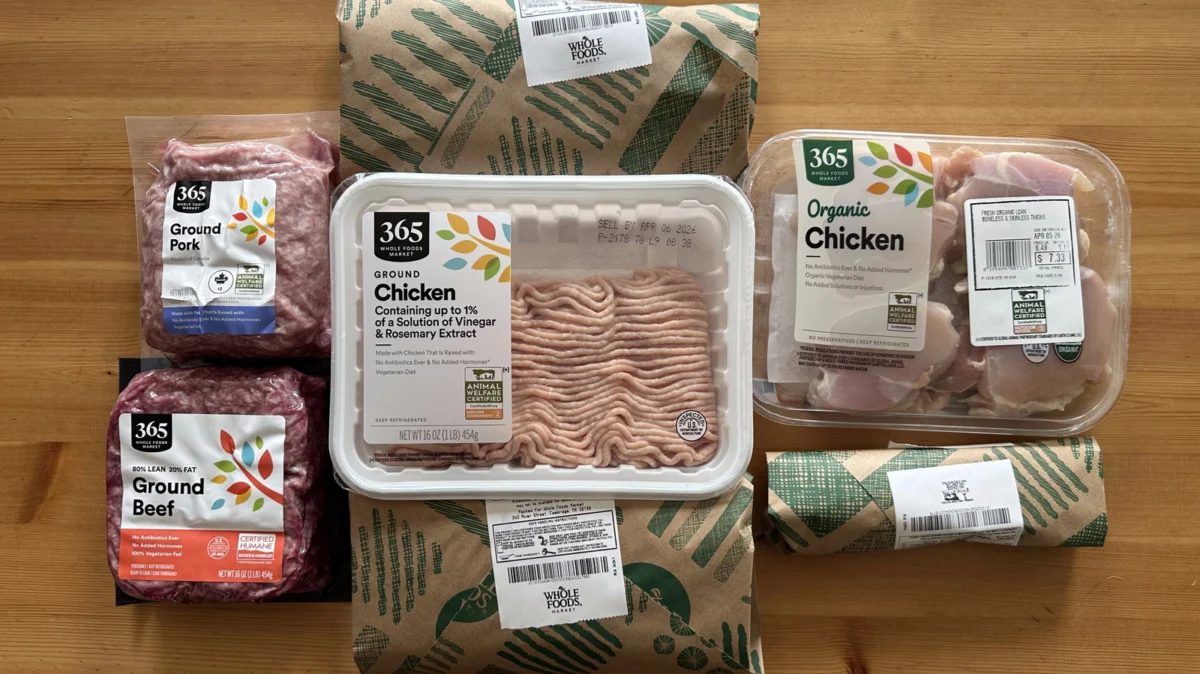
Navigating the meat counter at Whole Foods Market can be a complex undertaking, especially for consumers aiming to balance quality, ethical sourcing, and value. While the grocery chain, acquired by Amazon founder Jeff Bezos in 2017, has cultivated a reputation for organic and high-standard products, not all offerings are created equal. A recent in-depth evaluation of seven distinct meat products available at Whole Foods reveals key insights into which items warrant a purchase and which might be best left on the shelf, based on factors including flavor, texture, and overall affordability. This analysis aims to equip shoppers with the knowledge to make more informed decisions, potentially saving both time and money on their grocery runs.
The methodology behind this evaluation involved purchasing, preparing, and critically assessing a range of meats, from staple ground products to premium cuts. Each item was scrutinized for its sensory attributes—taste and texture—as well as its perceived value proposition. The goal was to move beyond the general perception of Whole Foods as a premium grocer and provide a granular look at its meat department, acknowledging that inventory and quality can vary between individual store locations.
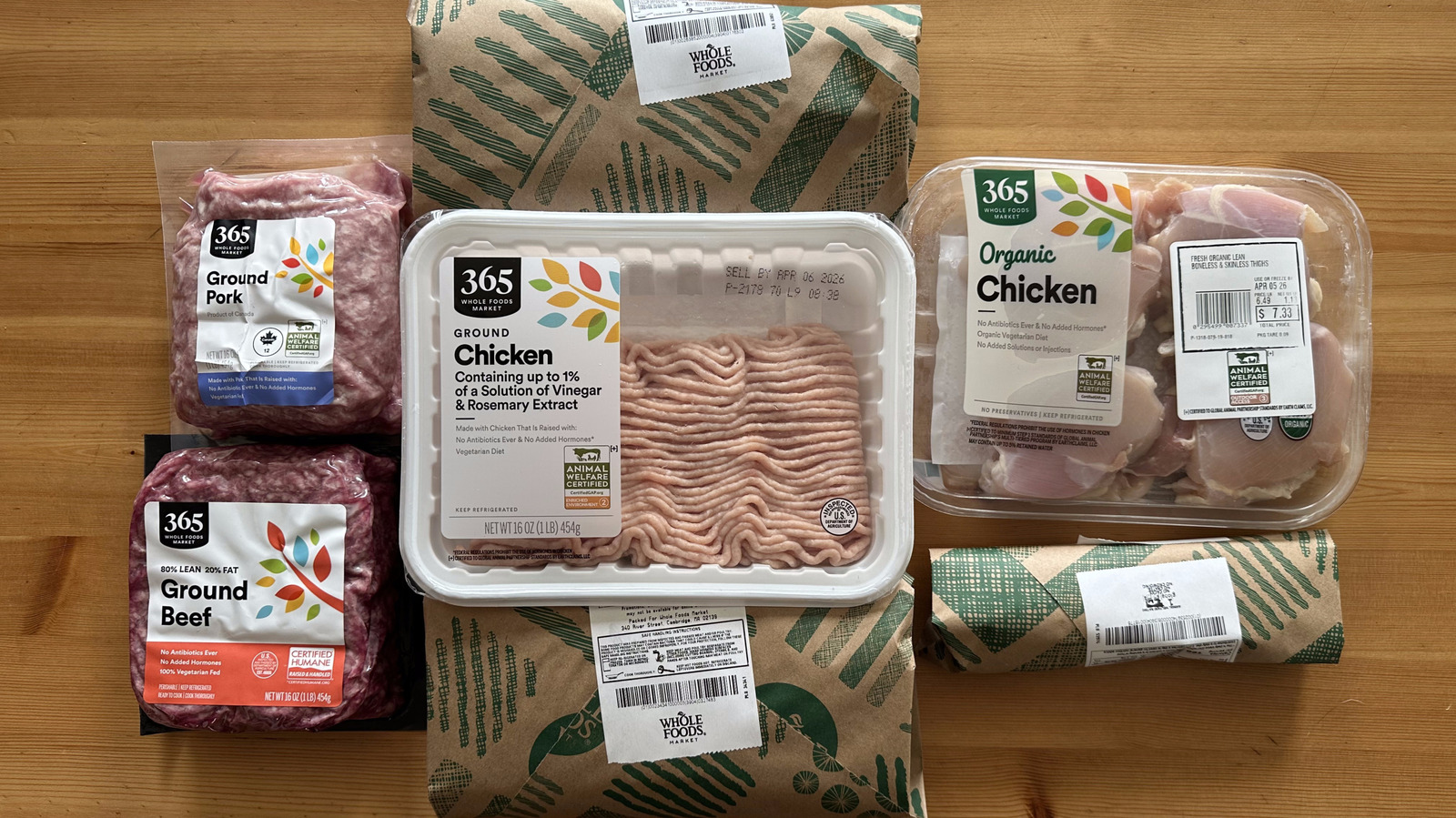
Understanding the Whole Foods Meat Market
Whole Foods Market has long positioned itself as a destination for consumers prioritizing health, sustainability, and quality in their food choices. The company’s commitment to offering products that meet specific standards, such as organic certification, animal welfare certifications, and antibiotic-free options, contributes to its premium pricing. However, this elevated positioning also invites scrutiny regarding whether the price point consistently aligns with the quality experienced by the consumer. The meat department, in particular, represents a significant expenditure for many households, making a discerning approach all the more crucial.
The acquisition by Amazon in 2017 brought both opportunities and challenges. While increased operational efficiency and potentially broader sourcing could be anticipated, it also raised questions about maintaining the brand’s core values and the impact on consumer trust. This ongoing dynamic underscores the importance of independent evaluations of specific product categories within the store.
The "Buy" List: Top Meat Selections at Whole Foods
Based on the comprehensive tasting and evaluation, several meat products from Whole Foods stand out as worthwhile purchases, offering a good balance of quality, flavor, and versatility.
1. 365 Ground Pork: A Versatile and Flavorful Choice
Ground pork, a favorite among many home cooks for its rich flavor and adaptability, can be a challenging product to find consistently good quality. Overly fatty ground pork can result in an unpleasant aroma and taste, detracting from dishes. However, Whole Foods’ 365 brand ground pork appears to defy this common pitfall. The evaluation found this product to be remarkably delicious, with a fat content that, while present, was not overpowering. Crucially, it avoided leaving the greasy, filmy sensation often associated with excessively fatty meats.
The flavor profile of the 365 ground pork is described as having a solid umami richness, yet it remains neutral enough to serve as a blank canvas for a wide array of seasonings and culinary creations. This makes it an excellent choice for everything from meatballs and pasta sauces to dumplings and stir-fries. Its ability to maintain a pleasant texture and flavor, even when not mixed with leaner meats, positions it as a strong contender for a staple ingredient in any kitchen.
2. 365 Organic Chicken Thighs: Juicy and Flavorful Dark Meat
For enthusiasts of dark meat chicken, Whole Foods’ 365 organic chicken thighs present a compelling option. While the individual thighs may be on the smaller side, suggesting a potential for less yield per pound, the quality of the meat itself is highlighted as being notably high. Prepared with simple seasonings like salt, pepper, and olive oil, these chicken thighs emerged from the oven moist, juicy, and full of flavor. This suggests a robust quality in the organic sourcing and processing of the product.

Chicken thighs are often favored for their richer, fattier texture compared to chicken breasts, which translates into a more succulent and satisfying eating experience. The evaluation indicates that the 365 organic chicken thighs deliver on this promise, making them a recommended staple for those who appreciate the depth of flavor and moisture that dark meat provides. Their performance, even when slightly overcooked, speaks to their inherent quality.
3. 365 Ground Chicken: A Leaner, Adaptable Alternative
Ground chicken is a highly versatile ingredient, serving as a leaner substitute for ground beef in a multitude of dishes, including burgers, stir-fries, and soups. The 365 brand ground chicken at Whole Foods is noted for its flavor and ability to retain juiciness after cooking. This makes it an attractive option for health-conscious consumers seeking a high-quality, lean protein source.
A unique characteristic observed with this product is a faint vinegary smell upon opening and cooking, which is attributed to a vinegar solution used in its treatment. While this may be off-putting to some consumers unfamiliar with the process, the evaluation confirms that this scent does not translate into a discernible vinegar flavor in the finished dish. This aspect, combined with the overall quality and juiciness, still positions it as a recommended purchase.

4. Bone-In Ribeye: A Premium Cut Worth Considering
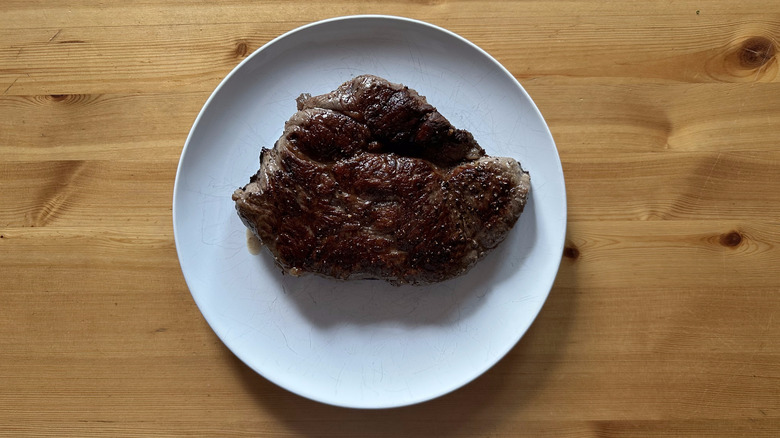
The bone-in ribeye steak, a cut celebrated for its rich marbling, decadent flavor, and tender texture, also makes an appearance on the "buy" list, albeit with a slight caveat. While it may not surpass the quality of ribeyes from specialty butcher shops or certain warehouse clubs like Costco, the Whole Foods bone-in ribeye is deemed "pretty solid." Its thickness is a notable positive, indicating that the store does not compromise on portion size.
A minor concern noted was an initial iron-like aroma upon unwrapping, similar to that of the 365 ground beef. However, this aroma dissipated upon cooking, particularly when prepared to a medium-rare doneness. The presence of the bone is highlighted as a beneficial feature for home cooks, as it can act as an insulator, helping to prevent overcooking and ensuring a more forgiving cooking process. For those seeking a high-quality steak experience without venturing to specialized retailers, this option is a viable choice.
The "Skip" List: Selections to Approach with Caution
While Whole Foods offers several commendable meat products, some selections were found to be less impressive, either due to flavor deficiencies, textural issues, or a perceived lack of value for the price.

1. 365 Ground Beef: Flavor and Aroma Concerns
Ground beef is a kitchen staple, valued for its convenience and versatility. However, the 365 ground beef at Whole Foods, specifically an 80% lean variety, failed to impress. The primary drawbacks were its perceived fattiness, which was expected given the lean percentage, and a more significant issue: an intense aroma of iron present in the raw meat. This strong, metallic scent was off-putting and, while less pronounced after cooking, still lingered as a detectable taste.
For consumers accustomed to leaner ground beef or those sensitive to metallic notes, this product may be a disappointment. The evaluation suggests that while batches might vary, the experience with this particular package leads to a recommendation to skip it, especially when leaner alternatives are available elsewhere.
2. Beef Top Sirloin Steak: Lacking in Exceptional Quality
Beef top sirloin steak is often chosen for its lean profile and comparatively lower price point among premium beef cuts. While the top sirloin steak at Whole Foods is not inherently bad—described as flavorful and relatively juicy for its type—it falls short of offering exceptional value. The assessment points out that, regardless of the retailer, sirloin steak will generally not match the richness and decadence of fattier cuts like ribeye or New York strip.
The implication here is not that other grocery stores offer superior sirloin, but rather that this particular cut, at Whole Foods’ price point, may not deliver a standout experience. While it can be used in dishes like bowls and salads or as a substitute when a hearty beef portion is desired without the cost of more premium cuts, the overall consensus is that consumers might find more satisfying options elsewhere.
3. Mild Italian Pork Sausage: A Bland and Texturally Lacking Choice
The mild Italian pork sausage from Whole Foods’ butcher selection received a lukewarm review. Cooked using an air fryer, the experience highlighted a lack of significant flavor, a deficiency in the expected juiciness, and a disappointing lack of the characteristic "snap" that defines a high-quality sausage. While the cooking method might have played a role, the assessment suggests that even grilling may not fully compensate for the inherent blandness of this particular product.
The evaluation implies that other, more heavily spiced sausages from Whole Foods might offer a better flavor profile. However, for those specifically seeking a mild Italian pork sausage, this option is deemed skippable unless a very bland profile is precisely what is desired.

Methodology and Broader Implications
The evaluation process employed a direct, hands-on approach, involving the purchase and preparation of seven distinct meat products available at a local Whole Foods Market. The criteria for categorization into "buy" or "skip" were based on a holistic assessment of texture, flavor, and relative value. Products that excelled in taste and maintained moisture after cooking were lauded, while those found to be flavorless, possess an unpleasant taste or aroma, or simply not justify their cost, were relegated to the "skip" category.
The implications of this detailed analysis extend beyond individual grocery shopping trips. For consumers, it provides a practical guide to navigating a specific section of a high-profile retailer, potentially optimizing their grocery budget and ensuring greater satisfaction with their purchases. For retailers like Whole Foods, such evaluations serve as valuable feedback, highlighting areas of strength and opportunities for improvement in product quality, consistency, and value proposition.
In an era where consumers are increasingly conscious of where their food comes from and how it is produced, understanding the nuances of supermarket meat offerings is paramount. This detailed breakdown offers a transparent look into the Whole Foods meat department, empowering shoppers to make informed decisions that align with their culinary preferences and budgetary considerations. As the grocery landscape continues to evolve, with a growing emphasis on transparency and consumer education, such in-depth product reviews play a vital role in shaping purchasing habits and fostering a more discerning marketplace.