
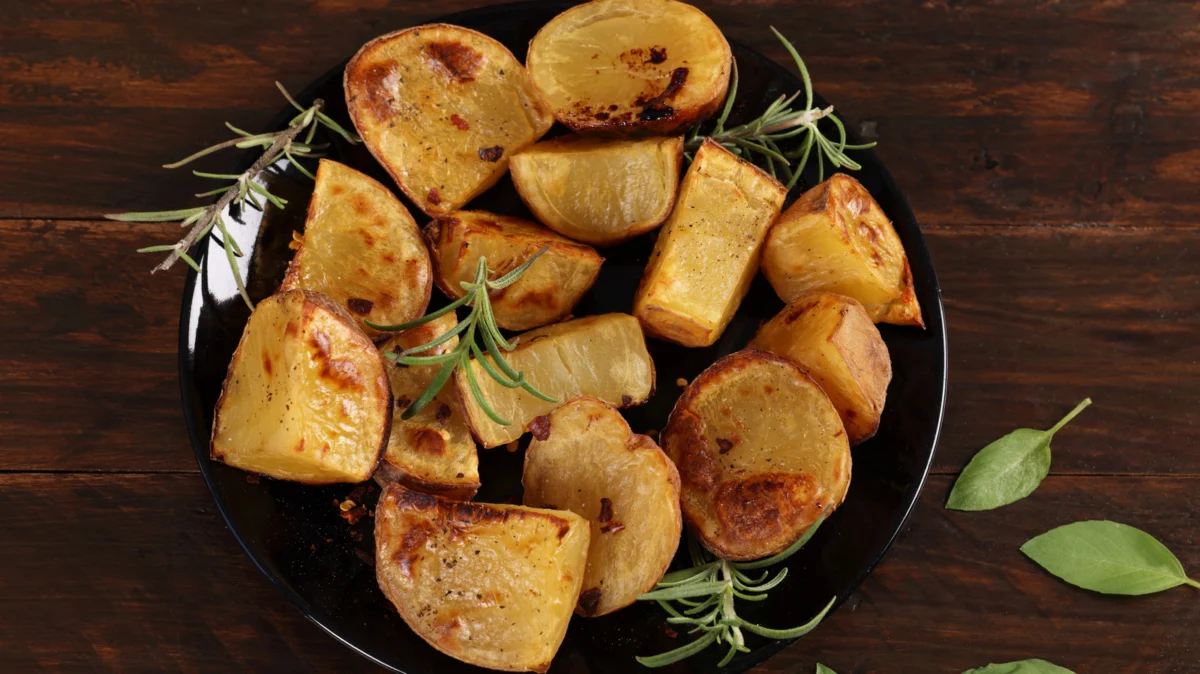
A culinary expert has weighed in on the debate surrounding the best cooking oil for achieving perfectly roasted potatoes, revealing that the ideal choice is not a one-size-fits-all answer but rather a decision contingent on the desired culinary outcome and flavor profile. Chef Antonia Lofaso, a notable figure in the culinary world, shared her insights during the recent Nassau Paradise Island Wine & Food Festival, offering guidance that can elevate this universally loved side dish from good to exceptional.
The versatility of roasted potatoes is undeniable. They serve as a foundational element in a myriad of dining experiences, from the comforting embrace of a traditional Sunday roast to the vibrant energy of a Spanish tapas spread, and the refined elegance of a steakhouse dinner. This broad applicability necessitates a nuanced approach to their preparation, with the selection of cooking oil playing a pivotal role in defining their texture, flavor, and overall character. Chef Lofaso’s perspective underscores the importance of having a diverse pantry of oils, each suited for a specific gastronomic purpose.
Tailoring Oil Choice to Culinary Intent
Chef Lofaso articulated a clear philosophy: the optimal oil for roasting potatoes is intrinsically linked to the intended style of the dish. "If I’m doing Italian potatoes and I’m putting Parmesan cheese on them or basil and something like that, I’m definitely going with an olive oil," she stated, highlighting the aromatic synergy between olive oil and classic Italian seasonings. The fruity, sometimes peppery notes of good quality olive oil can enhance the herbaceous and cheesy elements, creating a cohesive and authentic flavor profile. This choice leverages olive oil’s ability to impart a distinct Mediterranean character, transforming a simple potato into a dish that evokes the essence of Italian cuisine.
Conversely, for preparations with a different geographical or flavor inspiration, a different oil becomes paramount. "If I’m doing a Spanish style potato with aji amarillo or a pecil… a grape seed oil, something a little bit more neutral," Lofaso explained. This preference for a neutral oil like grapeseed oil is strategic. Grapeseed oil possesses a high smoke point and a clean, subtle flavor that allows the more assertive spices, such as aji amarillo (a Peruvian chili pepper paste) or pimentón (Spanish paprika), to take center stage. In this context, the oil acts as a conduit for flavor, ensuring that the vibrant, spicy, or smoky notes of the accompanying ingredients are not masked but rather amplified. The neutrality of grapeseed oil also ensures that the potatoes themselves develop a delightful crispness without introducing any competing tastes.
Beyond the Neutral: Classic Roasts and Regional Specialties
For the quintessential classic roast potato, often adorned with aromatic garlic and rosemary, many home cooks instinctively reach for olive oil. While this is a popular choice, Lofaso’s insights suggest a consideration for higher smoke points when intense heat is involved. "If you’re going to be heating your pan to a really high temperature or are pairing the potatoes with bold flavors, rapeseed or canola oil is a good call to avoid smoke," she advised. Rapeseed (commonly known as canola oil in North America) and canola oil are prized for their high smoke points, typically around 400-450°F (204-232°C), making them ideal for achieving a deep, even crispness without the acrid taste and unpleasant smoke that can arise from oils with lower smoke points at high temperatures. This is particularly important when aiming for that coveted crispy exterior without compromising the potato’s interior texture.
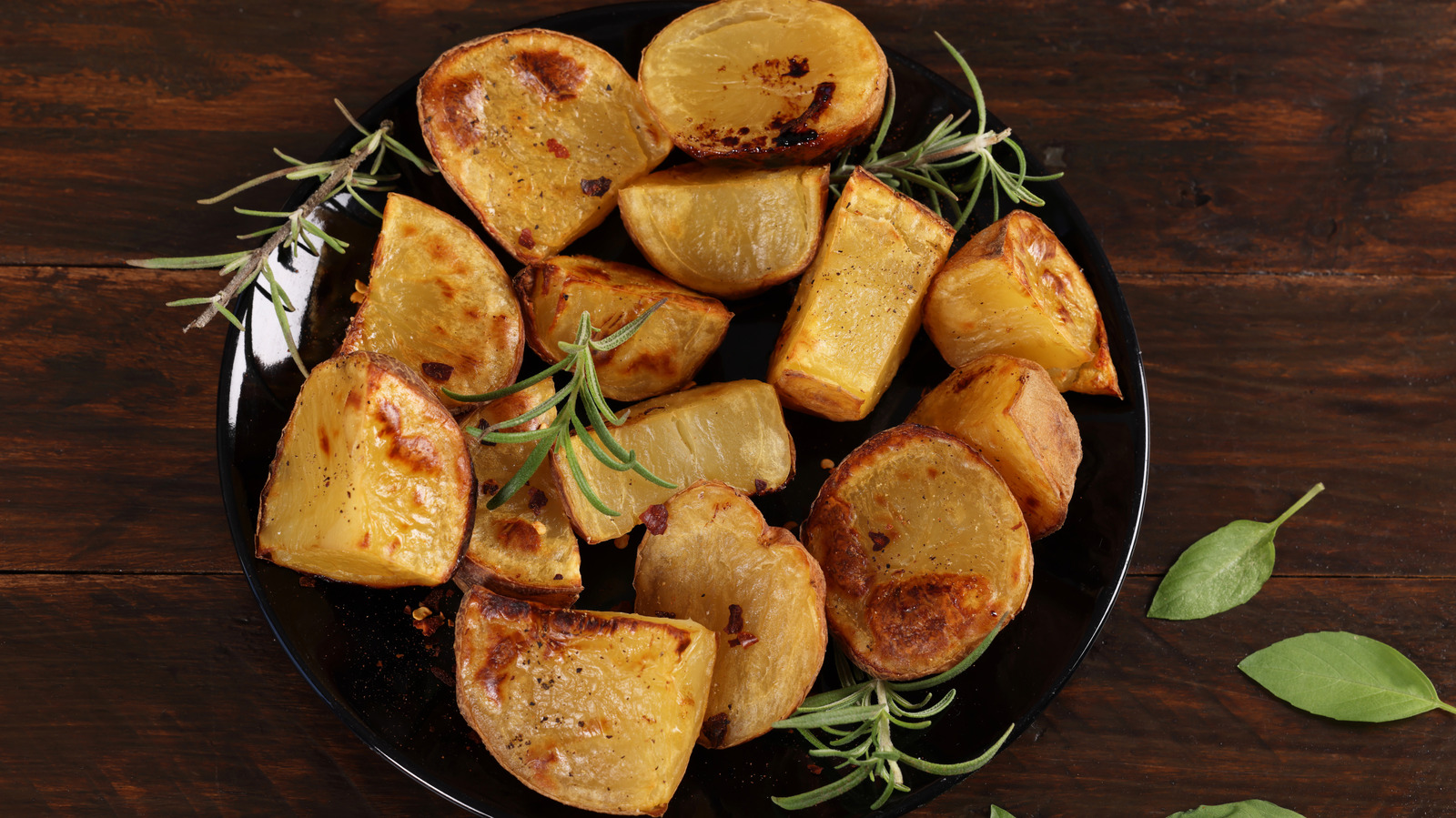
The exploration of fats extends beyond vegetable oils, delving into the realm of animal fats, which impart unique flavors and textures. "You can also roast potatoes in butter for a more tender texture," Lofaso noted. Butter, when used judiciously, can contribute a rich, creamy mouthfeel and a delicate sweetness. However, its lower smoke point means it’s often best used in combination with other oils or at moderate temperatures to prevent burning.
In the United Kingdom and Ireland, a cherished tradition, particularly around the holiday season, involves using goose or duck fat for roasting potatoes. "In Britain and Ireland, goose or duck fat is often used around the holidays for a luxurious flavor," Lofaso observed. These fats not only contribute an unparalleled richness and depth of flavor but also yield exceptionally crisp and golden results. The rendered fat from these birds coats the potato pieces evenly, creating a barrier that traps moisture within while promoting intense browning and crisping on the exterior. This practice is a testament to the long-standing culinary wisdom that animal fats can elevate simple ingredients to celebratory status.
The Great Boil Debate: Par-Boiling for Perfection?
The pursuit of the perfect roast potato often leads to a discussion about pre-treatment, with par-boiling being a widely adopted technique. The common wisdom suggests that partially boiling the potatoes before roasting helps to create a fluffy interior and a robustly crisp exterior. However, Chef Lofaso presents a compelling counterpoint to this widely held belief. "Perfect roast potatoes I actually think work really well when you don’t boil," she declared, challenging the necessity of this preparatory step.
Lofaso’s approach, however, acknowledges the potential benefits of boiling if executed with a specific methodology. She elaborates, "However, if you completely dry out the potatoes after par-boiling and then smash them, Lofaso says this can lead to a good balance between a crisp exterior and moist interior." This technique involves boiling the potatoes until just tender, thoroughly drying them to remove surface moisture, and then gently smashing them. This process increases the surface area, creating more nooks and crannies that can crisp up beautifully in the oven. "If you boil them, dry them out, smash them, boil them, and then put them back into a super [hot] oven, that water and then dehydration actually makes them very, very crisp," she explained, detailing a multi-stage process that leverages the interaction of water and heat for ultimate crispness. The initial boiling softens the interior, the drying removes excess surface water that would inhibit crisping, and the smashing creates texture. The final high-heat roast then transforms these surfaces into a delectable crunch.
Foundational Techniques for Consistent Success
Beyond the choice of oil and the par-boiling debate, several fundamental techniques are crucial for achieving consistently outstanding roast potatoes, regardless of the chosen fat. Lofaso’s advice touches upon these essential elements:
- Potato Selection: The type of potato chosen significantly impacts the final result. "Choosing the right type of potato to use (firm, floury potatoes like Russets or Yukon Golds are typical favorites)," is a critical starting point. Floury varieties, such as Russets and Yukon Golds, tend to break down slightly during cooking, creating a fluffy interior and allowing the exterior to crisp up effectively. Waxy potatoes, while holding their shape well, may not achieve the same level of fluffy interior.
- Uniformity in Cutting: "Cutting the chunks to the same size" ensures that all pieces of potato cook evenly. Inconsistent sizes can lead to some pieces being perfectly roasted while others are undercooked or burnt. Aiming for roughly uniform cubes or wedges is key.
- Pan Management: "Not overcrowding the pan" is a frequently overlooked yet vital tip. When potatoes are packed too tightly, they steam rather than roast. This prevents the Maillard reaction, the chemical process responsible for browning and developing complex flavors, from occurring effectively. Adequate space between potato pieces allows hot air to circulate, promoting even crisping.
- Enhancing Par-Boiling (if used): For those who still opt for par-boiling, a simple addition to the boiling water can yield remarkable results. "If you are par-boiling, adding salt and baking soda to the water can help to break down the potatoes further for better exteriors." Salt seasons the potatoes from the inside out, and a small amount of baking soda (sodium bicarbonate) can slightly increase the pH of the water, which aids in softening the potato’s pectin, leading to a more tender interior and a rougher surface that crisps up more readily. This "simple step that will really take your roast potatoes to the next level," as noted in culinary circles, can significantly improve texture and crispness.
Broader Culinary Implications and Trends
Chef Lofaso’s insights into the best oils for roasting potatoes reflect a broader culinary trend towards ingredient-driven cooking and a deeper understanding of how different fats interact with food. The rise of home cooking and the increasing accessibility of diverse ingredients have empowered individuals to experiment in the kitchen. Food media, including publications like Tasting Table, plays a significant role in disseminating this knowledge, bridging the gap between professional techniques and home kitchens.
The Nassau Paradise Island Wine & Food Festival, where Lofaso shared her expertise, is part of a larger ecosystem of culinary events that serve as platforms for chefs to share their knowledge and for the public to engage with food culture. These festivals not only showcase talent but also contribute to the ongoing dialogue about food, technique, and the sensory experience of eating. The detailed exploration of a seemingly simple dish like roast potatoes underscores the complexity and artistry involved in everyday cooking.
The implications of understanding these nuances extend beyond just potato preparation. It speaks to a growing appreciation for the science and art of cooking, where the choice of a single ingredient, like cooking oil, can fundamentally alter the character of a dish. As consumers become more sophisticated in their palates and more curious about the "why" behind culinary recommendations, advice from seasoned professionals like Chef Lofaso becomes increasingly valuable. Her emphasis on tailoring techniques to specific outcomes encourages a more thoughtful and creative approach to cooking, transforming routine meals into opportunities for culinary discovery. The humble potato, through the lens of expert advice, becomes a canvas for exploring diverse flavors, textures, and cultural influences.