
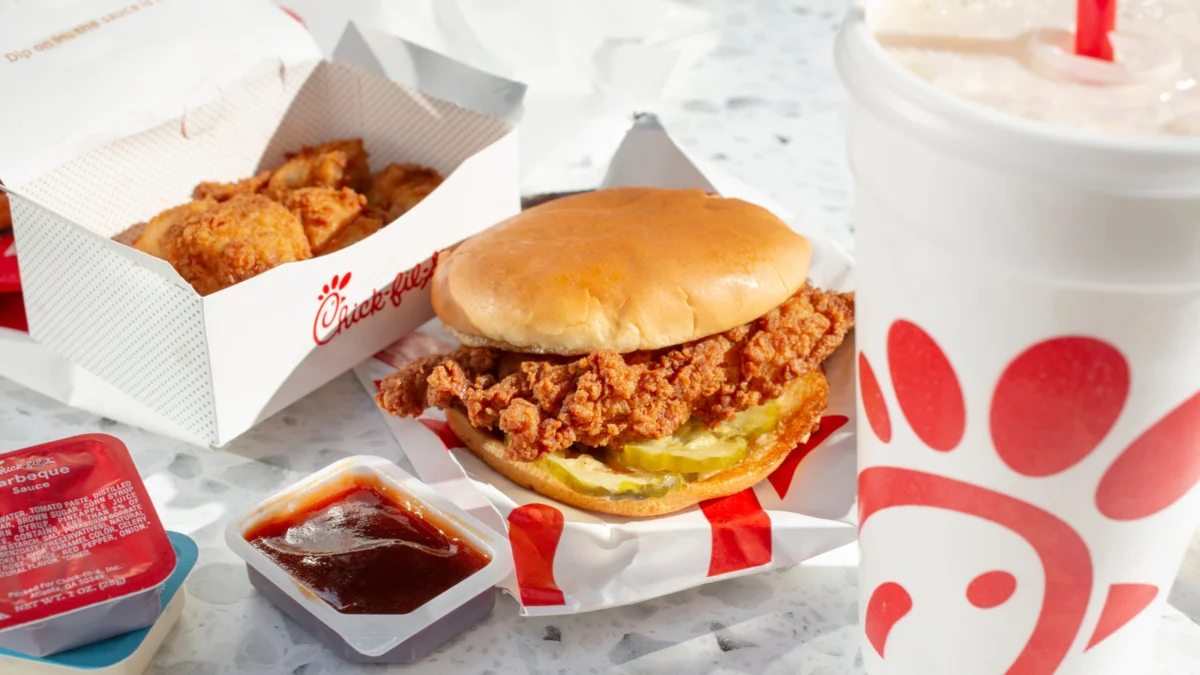
The question of what happens to surplus food in the fast-food industry is a persistent one, particularly for a chain as ubiquitous and popular as Chick-fil-A. While consumers largely praise the brand for its flavorful chicken, consistent quality, and comforting, nostalgic appeal, an understanding of the company’s operational ethics, especially concerning social responsibility and environmental impact, is equally crucial. Chick-fil-A, like countless other fast-food establishments, grapples with the daily challenge of managing unsold food at the close of business. With over 3,000 locations in operation, the sheer volume of chicken sandwiches, nuggets, and accompanying side dishes prepared daily inevitably leads to a certain amount of leftover product. Fortunately, Chick-fil-A has implemented a structured and commendable program to address this issue, primarily through its initiative known as "Shared Table."
This initiative, as part of a broader investigation into how ten major chain restaurants handle their leftovers, was detailed by a Chick-fil-A representative. The core principle of the Shared Table program is straightforward: participating restaurants meticulously package surplus food items, ranging from their signature biscuits and nuggets to other prepared menu components. These packaged goods are then made available for pickup by local nonprofit organizations and community partners, who subsequently transform them into new meals for those in need. Currently, an impressive minimum of 2,500 Chick-fil-A store locations actively participate in the Shared Table program. Collectively, this effort has facilitated the distribution of over 42 million meals to individuals and families facing food insecurity. The following sections will delve deeper into the operational mechanics of Shared Table, explore its origins and expansion, and highlight Chick-fil-A’s proactive strategies for waste prevention.
The Genesis and Evolution of Chick-fil-A’s Shared Table Program
The inspiration for Chick-fil-A’s Shared Table program can be traced back to a single, grassroots effort by a local franchise owner-operator in Knoxville, Tennessee. This enterprising individual began donating leftover food from their restaurant to a nearby rescue mission, demonstrating a commitment to community welfare that resonated with the company’s values. Over time, this commendable practice spread organically to other Chick-fil-A locations, gaining momentum and proving its efficacy. Recognizing the significant potential for positive impact, the concept was officially adopted and integrated into a company-wide food donation program in 2012.
Under the umbrella of the Shared Table outreach, participating Chick-fil-A restaurants are empowered to package any wholesome, unsold food at the end of each operational day. This prepared food is then made ready for collection by a network of community partners. These partners typically include a range of vital organizations such as homeless shelters, soup kitchens, food banks, and various rescue ministries, all dedicated to providing essential support and sustenance to vulnerable populations.
The impact of the Shared Table program extends far beyond simple donation. Leftover food items, which might otherwise become stale or unappealing within hours, are given a new life. Through the culinary ingenuity of the recipient organizations, these ingredients are ingeniously repurposed into a diverse array of nourishing and shareable meals. Dishes like stir-fries, hearty casseroles, comforting chicken and dumplings, classic chicken cacciatore, flavorful tacos, refreshing fruit smoothies, and versatile frittatas are just a few examples of the creative transformations that occur. This commitment to food repurposing underscores Chick-fil-A’s dedication to maximizing the value of its resources and minimizing waste.
In a further testament to its dedication and to share this innovative approach, Chick-fil-A launched a digital cookbook titled "Extra Helpings" in 2023. This publication features 26 carefully curated recipes, all utilizing repurposed ingredients from restaurant leftovers, alongside inspiring stories from the nonprofit partners who are on the front lines of hunger relief. This initiative not only provides practical culinary inspiration but also serves to raise awareness and foster greater engagement with the issue of food waste and its solutions.
Chick-fil-A collaborates with a broad spectrum of nonprofit organizations across both the United States and Canada to facilitate the expansive reach of the Shared Table outreach. A key partner in this endeavor is Food Donation Connection. This organization plays a crucial role by connecting Chick-fil-A’s participating restaurants with local groups that are actively engaged in hunger relief efforts. Food Donation Connection’s expertise and established network extend to numerous other major restaurant chains as well, including well-known brands such as McDonald’s, KFC, Olive Garden, Longhorn Steakhouse, and Cracker Barrel, among others. This collaborative model highlights a systemic approach to tackling food waste and hunger across the broader foodservice industry.
Proactive Waste Prevention Strategies at Chick-fil-A
Chick-fil-A’s approach to addressing food waste is commendably multi-faceted, extending well beyond its successful surplus food donation program. The company has also implemented robust strategies aimed at preventing waste from occurring in the first place, thereby reducing the overall quantity of leftover chicken and other menu items at the end of each day. A cornerstone of this preventative strategy is the individual restaurant’s adoption of what the company refers to as a "cook less, more often" methodology.
This operational philosophy means that chicken and other menu items are prepared in smaller, more frequent batches throughout the day, rather than being produced in large quantities all at once. This approach offers a dual benefit: it ensures that food remains as fresh as possible for the daily customers, enhancing the overall dining experience, while simultaneously minimizing the guesswork involved in forecasting demand. By cooking in smaller increments, restaurants can more accurately align production with real-time customer needs, significantly curtailing the likelihood of overproduction and subsequent waste. This dynamic and responsive cooking schedule is a key factor in Chick-fil-A’s ability to manage its inventory efficiently and sustainably.
Chick-fil-A emphasizes that its commitment to waste reduction is not solely driven by altruistic motives for hunger relief. These efforts are intrinsically linked to broader environmental commitments that the company has embraced. By integrating food donations through programs like Shared Table with other waste-conscious practices, such as comprehensive composting initiatives and other waste-minimization efforts, Chick-fil-A has made a significant environmental impact.
Since 2020, the company has reported that these combined efforts have successfully diverted over 61 million pounds of restaurant food waste from landfills. This figure represents a substantial achievement in reducing the environmental burden associated with food disposal. For context, the nonprofit ReFED estimates that approximately 38% of all food produced in the United States goes unsold or uneaten. This statistic underscores the magnitude of the food waste challenge facing the nation. Chick-fil-A’s reported diversion of over 61 million pounds of food waste highlights the potential for widespread adoption of similar practices by other American restaurants, food suppliers, and consumers to create a more sustainable food system. The company’s ongoing dedication to operational efficiency and environmental stewardship, as demonstrated through its waste reduction initiatives, positions it as a leader in responsible business practices within the fast-food sector.
For those interested in a more comprehensive understanding of Chick-fil-A’s signature product, an exploration of "12 facts you didn’t know about Chick-fil-A’s chicken" can provide further insights into the brand’s operational intricacies and product development.