
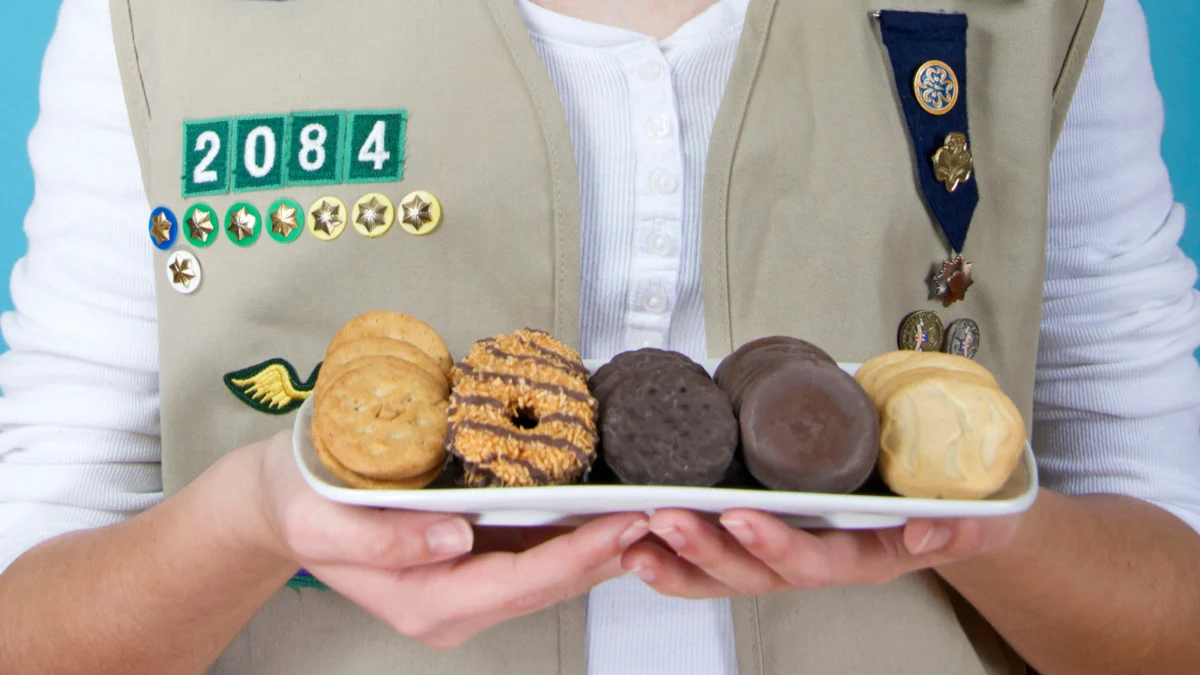
The enduring popularity of Girl Scout cookies, a tradition deeply ingrained in American culture, is being reimagined in the kitchen with a creative twist on a beloved no-bake dessert: the icebox cake. This simple yet elegant treat offers a versatile canvas for showcasing the distinct flavors of these iconic cookies, transforming them into a delightful frozen confection that requires no oven time.
Icebox cakes, characterized by their layered construction of cookies and a creamy filling, are traditionally chilled in the refrigerator or freezer until the cookies soften and meld with the filling, creating a cake-like texture. Their inherent simplicity and adaptability make them a perfect candidate for culinary experimentation, and the current trend of incorporating Girl Scout cookies into this dessert format highlights a nostalgic yet innovative approach to enjoying these seasonal favorites. The appeal lies in its accessibility; individuals can leverage their personal preferences for specific cookie varieties, from the minty allure of Thin Mints to the rich caramel and chocolate notes of Samoas, to craft a dessert that is both familiar and uniquely their own.
The genesis of the icebox cake can be traced back to the early 20th century, with early iterations appearing in cookbooks as far back as the 1920s. These early recipes often utilized Nabisco’s iconic chocolate wafers, layered with whipped cream and allowed to soften in the refrigerator. Over time, the concept evolved, embracing a wider array of cookies and fillings, solidifying its place as a go-to dessert for its ease of preparation and impressive results. The current adaptation, marrying this classic dessert with the universally adored Girl Scout cookie lineup, taps into a powerful sense of nostalgia and communal experience, as Girl Scout cookie sales are a significant annual event, often associated with community engagement and childhood memories.
The Art of the Icebox Cake: A Girl Scout Cookie Transformation
The fundamental process of creating a Girl Scout cookie icebox cake involves a straightforward assembly of key components. At its core, the dessert requires one to two boxes of the chosen Girl Scout cookies, serving as the structural and flavor foundation. These cookies are then layered with a generous amount of homemade whipped cream, which acts as the binding agent and provides a light, airy contrast to the cookie’s texture. Beyond these essentials, the possibilities for customization are virtually limitless, inviting the incorporation of complementary fillings and toppings. These can range from fruit preserves and rich custards to smooth puddings, decadent caramel or chocolate sauces, and the satisfying crunch of chopped nuts.
The assembly itself is a testament to the dessert’s unpretentious nature. In a baking dish or pie plate, layers are meticulously constructed, alternating between the Girl Scout cookies, the whipped cream, and any additional desired fillings. Once the layers are complete, the entire creation is covered, typically with plastic wrap or a lid, and placed in the freezer. An overnight chill, or a minimum of eight hours, is crucial to allow the cookies to absorb moisture and soften, achieving the signature icebox cake consistency. The final flourish occurs just before serving, when the cake is adorned with a fresh topping of whipped cream and any chosen garnishes, transforming it into a visually appealing and delectable dessert.
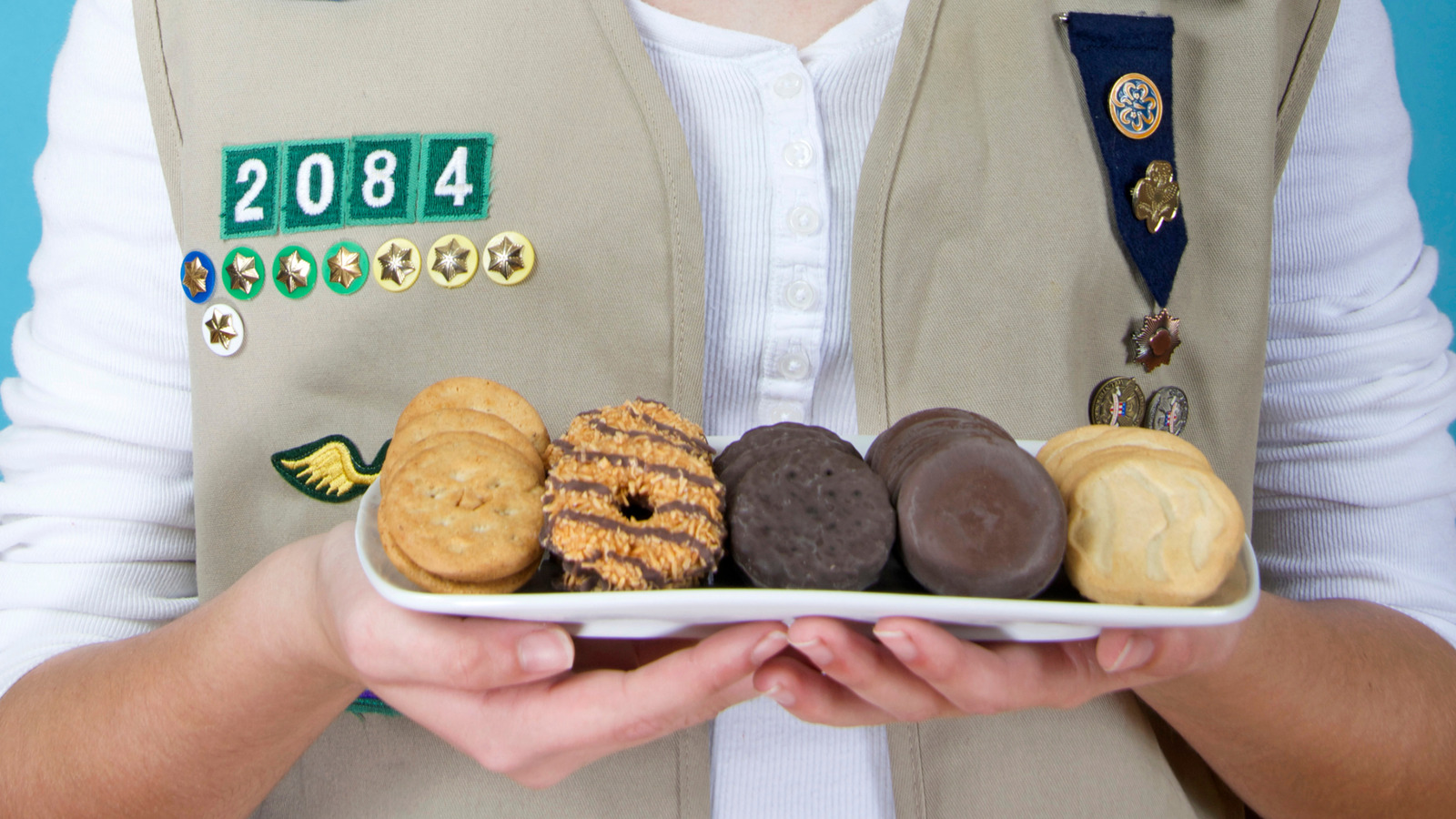
Creative Customizations: Tailoring Icebox Cakes to Cookie Flavors
The true magic of the Girl Scout cookie icebox cake lies in its adaptability, allowing for a wide spectrum of flavor profiles and creative expressions. Drawing inspiration from the diverse offerings of Girl Scout cookies, culinary enthusiasts can devise unique combinations that elevate the dessert experience.
For instance, the universally popular Thin Mints offer a distinctive starting point. To enhance their inherent chocolate and peppermint notes, one can incorporate two teaspoons of peppermint extract into a chocolate pudding. This pudding is then layered with the Thin Mints and whipped cream. The final presentation can be further embellished with mini chocolate chips, a drizzle of dark chocolate syrup for an intensified chocolate experience, and a scattering of fresh mint leaves for an aromatic and visually appealing finish. This approach not only honors the original cookie flavor but amplifies it through thoughtful additions.
Samoas, with their characteristic blend of caramel, chocolate, and toasted coconut, present another exciting avenue for icebox cake creation. In this iteration, caramel sauce and coconut-flavored pudding are strategically placed between the cookie and whipped cream layers. The crowning glory of a Samoas icebox cake often features a generous topping of shredded sweetened coconut, artfully drizzled with both chocolate and caramel syrup. This combination creates a multi-layered sensory experience, mirroring the complex and beloved flavor profile of the cookie itself.
The Tagalong cookie, a delightful fusion of chocolate and peanut butter, lends itself to a similarly indulgent icebox cake. Here, alternating layers of chocolate pudding, peanut butter pudding, and whipped cream are interspersed with the Tagalong cookies. For the topping, the cake can be adorned with small pieces of Tagalong cookies or a scattering of peanut butter chips, reinforcing the dominant peanut butter theme. This approach ensures that the essence of the Tagalong cookie is present in every bite.
Beyond Sandwich Cookies: Crafting No-Bake Crusts
The versatility of Girl Scout cookies extends beyond their use as layered components; certain varieties are exceptionally well-suited for creating a no-bake cookie crust, offering an alternative textural element to the icebox cake. Cookies such as Lemonades, Lemon-Ups, Thin Mints, Toffee-tastic, and Trefoils, when processed into a fine crumb, can form the base of a delightful frozen dessert.
To prepare this crust, approximately 20 to 25 cookies are pulsed in a food processor or blender until they achieve a consistency akin to sand. This finely ground cookie mixture is then transferred to a bowl and combined with eight tablespoons of melted butter. The resulting mixture is pressed firmly into the bottom of a greased baking dish or pie plate, with the base of a glass often used to ensure a compact and even layer. This cookie crust is then placed in the freezer for approximately 20 minutes to set, providing a stable foundation for the subsequent cake layers while the remaining cake ingredients are prepared. This method allows for the incorporation of a wider range of cookie types, opening up even more possibilities for unique icebox cake creations.
The Broader Impact: Nostalgia, Community, and Culinary Innovation
The trend of incorporating Girl Scout cookies into icebox cakes is more than just a culinary fad; it taps into deeper cultural currents. Girl Scout cookies represent a significant annual ritual for many Americans, evoking memories of childhood, community involvement, and the simple joy of sharing a sweet treat. The annual cookie sale, typically kicking off in late winter or early spring, is a highly anticipated event, with millions of boxes sold across the nation. This widespread availability and cultural resonance make Girl Scout cookies a familiar and cherished ingredient.
By reimagining these cookies in a new dessert format, individuals are not only enjoying a delicious treat but are also engaging with a cherished tradition in a novel way. This culinary innovation bridges generational gaps, allowing older generations to relive nostalgic memories while introducing younger ones to a creative application of a beloved product. The accessibility of the icebox cake recipe also promotes home baking and encourages families to spend time together in the kitchen, fostering a sense of shared experience.
Furthermore, this trend highlights the broader impact of iconic food brands on popular culture and culinary innovation. The enduring appeal of Girl Scout cookies, cultivated over decades through effective marketing and a commitment to quality, allows them to transcend their original purpose and become inspiration for a wide array of creative endeavors, from gourmet desserts to everyday treats. The ability of these cookies to adapt and inspire new culinary applications speaks to their timeless appeal and their significant role in the American culinary landscape. The ease with which they can be integrated into various recipes underscores their versatility and broad appeal, ensuring their continued relevance in both traditional and innovative dessert preparations.
The phenomenon also reflects a growing interest in no-bake desserts, particularly as consumers seek simpler, more accessible, and often healthier alternatives to traditional baked goods. Icebox cakes, with their minimal preparation time and reliance on chilling rather than baking, fit perfectly into this trend. The absence of an oven also makes them an ideal choice for warmer months, when the desire for cooling desserts is at its peak. The combination of nostalgic ingredients, straightforward preparation, and a delightful end product positions the Girl Scout cookie icebox cake as a standout dessert that is likely to remain a popular choice for seasons to come.