
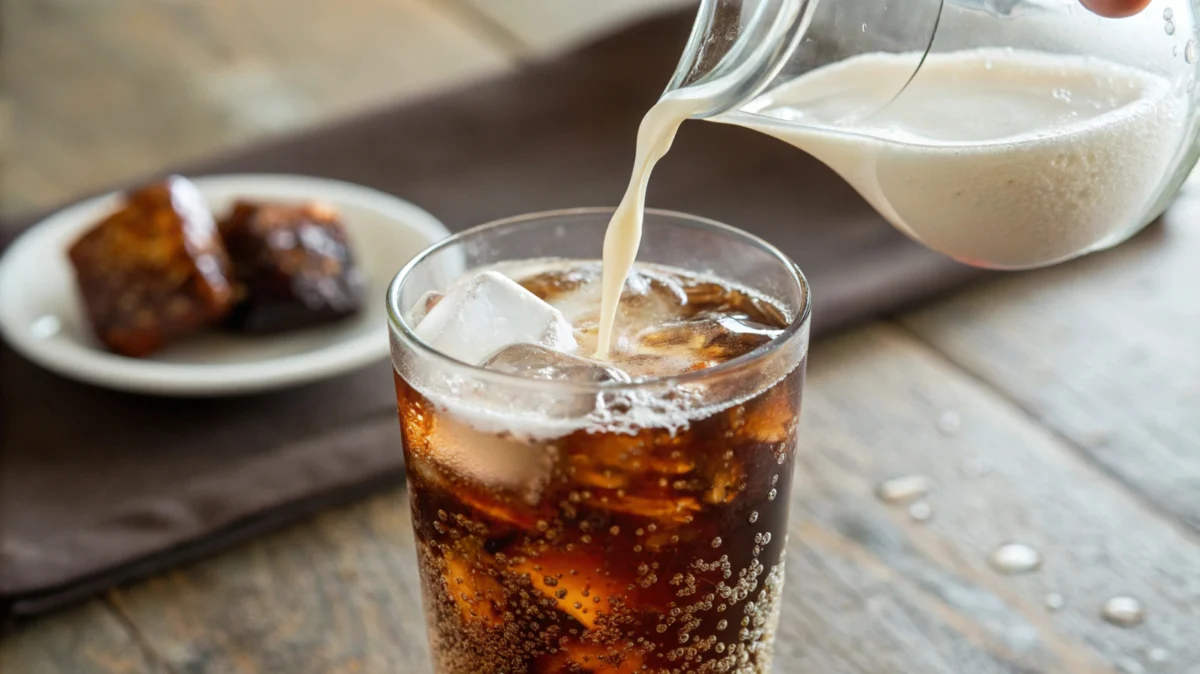
The landscape of beverage innovation is often a fascinating interplay of tradition and experimentation. While many consumers today associate the fusion of coffee and carbonation with recent trends or offerings from global giants like Coca-Cola and Pepsi, the reality is that this concept has roots stretching back much further, even predating the widespread popularity of such hybrids. In fact, one of the most beloved Mexican soda brands, Jarritos, embarked on its journey with a coffee-flavored soda, a bold move made decades before its larger international competitors even considered such a venture. This early foray into a niche market, though initially unsuccessful, laid the groundwork for a brand that would come to symbolize vibrant flavors and a rich cultural heritage.
The genesis of Jarritos can be traced back to 1950, a period when Mexico’s burgeoning beverage industry was beginning to shift. Don Francisco "El Güero" Hill, a visionary inventor with a discerning palate and a passion for drinks, recognized a growing demand for carbonated beverages. He observed that the country’s long-standing tradition of refreshing aguas frescas – often made with fruits, flowers, and grains – was facing increasing competition from the convenience and novelty of sodas. This observation sparked Hill’s entrepreneurial spirit. Working from his dining room table in Mexico City, with his wife and children serving as his devoted taste-testers, he began the meticulous process of formulating his first soda. His ambition was to create a unique beverage that could capture the essence of Mexican flavors within a carbonated format.
The initial product that emerged from this domestic laboratory was a coffee-flavored soda. At the time, coffee in Mexico was predominantly viewed as a morning beverage, almost exclusively consumed hot and with milk. The concept of infusing coffee with carbonation, bottling it, and presenting it as a cold, refreshing drink was, by all accounts, a radical departure from established norms and cultural expectations. This pioneering spirit, while commendable, proved to be a significant hurdle. The market was not yet receptive to the idea of a chilled, fizzy coffee beverage. The initial coffee-flavored offering, despite its innovative conception, was met with a lukewarm reception and ultimately failed to gain traction. This early setback, however, did not deter Don Francisco Hill. Instead, it served as a crucial learning experience, prompting him to pivot and explore flavors that were more aligned with the existing preferences of the Mexican consumer.
The pivot proved to be a turning point for Jarritos. Recognizing the need to connect with a broader audience, Hill shifted his focus to more familiar and widely accepted flavor profiles. The next flavor to be introduced was mandarin, a bright and zesty citrus that resonated much more effectively with the market. This flavor quickly became a success, providing Jarritos with the foothold it needed in the competitive soda industry. Building on this momentum, the company began to expand its repertoire, introducing a range of other popular flavors that would soon define the brand. Tamarind, with its distinctive sweet and tart profile, lime, offering a classic citrus refreshment, and "tutti-frutti" – a term often understood as a blend of fruit flavors, akin to fruit punch – were among the subsequent additions. These flavors tapped into the rich culinary heritage of Mexico, offering a taste of familiar yet exciting beverages in a new, carbonated form.

Over the decades, Jarritos has cultivated an expansive and diverse lineup of flavors, many of which stand out for their unique fruit-forward profiles, reflecting the vibrant produce of Mexico. While tamarind continues to be a perennial favorite, the brand has successfully introduced and maintained popular options such as passion fruit, mango, and guava. These selections not only cater to a wide range of palates but also underscore the brand’s commitment to celebrating authentic Mexican fruit essences. The distinctive packaging of Jarritos has also played a significant role in its enduring appeal. The clear glass bottles not only showcase the visually appealing, vibrant colors of the sodas within but also feature the iconic illustration of three jugs, a design meticulously crafted by Don Francisco Hill himself.
The name "Jarritos" itself is a direct nod to this visual identity and the brand’s roots. It translates to "little jugs" in Spanish, a charming reference to the traditional clay vessels from which aguas frescas were, and still are, commonly served in Mexico. By naming his soda brand "Jarritos," Hill was not merely creating a catchy moniker; he was forging a connection to a deep-seated cultural practice and imbuing his modern beverage with a sense of heritage and authenticity. This branding strategy has helped to solidify Jarritos’s identity as more than just a soda; it is a cultural touchstone, a means of sharing the unique flavors of Mexican beverages with consumers both domestically and internationally. The brand has achieved considerable success and recognition as a popular international soda brand, a testament to its quality and distinctiveness.
The history of Jarritos is a compelling narrative of innovation, adaptation, and enduring success. While its initial foray into the coffee soda market proved unsuccessful, the brand’s ability to pivot and embrace more popular flavors allowed it to flourish. Today, Jarritos remains a staple in many households and a popular accompaniment to Mexican cuisine. Its grapefruit soda, for instance, is widely recognized as an excellent mixer for the classic Paloma cocktail, demonstrating the brand’s versatility and continued relevance in both casual and culinary contexts.
The challenge of creating a successful coffee-flavored soda, however, is not unique to Jarritos. It appears to be a persistent hurdle across the beverage industry, even for the largest and most established companies. Numerous attempts have been made to bring this particular fusion to the mainstream market, with a notable lack of widespread, long-term success. Brands like Keepers have experimented with citrus and coffee soda combinations, often with limited market penetration. Even global beverage titans have struggled to make coffee-soda hybrids a lasting success.

Coca-Cola, a company with an unparalleled history of beverage innovation and marketing prowess, has notably attempted to enter this space multiple times. Coca-Cola Blak, a cola-coffee hybrid, was launched and subsequently discontinued, only to be re-released and then discontinued again. The company further experimented with Coca-Cola Plus Coffee, an energizing blend that also met a similar fate, being discontinued in 2022. These repeated efforts and subsequent failures suggest a significant challenge in capturing consumer interest and creating a sustainable market for such a product.
Pepsi, Coca-Cola’s primary competitor, has also ventured into this territory. The vintage Pepsi Kona flavor, named after a Hawaiian coffee variety, was reportedly a coffee-cola blend that never progressed beyond the test market phase. This indicates that the allure of a coffee-flavored soda has been a point of consideration for major players in the industry, yet the path to widespread consumer acceptance has remained elusive. The consistent struggles of these global giants to establish a successful coffee soda brand highlight a complex interplay of consumer preferences, product formulation, and market timing.
Despite the general trend of coffee sodas failing to gain widespread traction, there is one notable exception that has managed to carve out a significant niche: Manhattan Special. This coffee soda has maintained its presence in the market for over a century. Founded in 1895 by Italian immigrants in Brooklyn, Manhattan Special takes pride in its traditional production methods, utilizing hand-brewed espresso and cane sugar. While it may not possess the same level of global distribution or brand recognition as Coca-Cola, Pepsi, or even Jarritos, it enjoys a devoted following, particularly within the New York metropolitan area. The longevity of Manhattan Special, especially when contrasted with the repeated failures of larger corporations, is a testament to its distinct approach and loyal customer base. Its success for over 130 years with a product that eludes even the biggest soda manufacturers is a remarkable business achievement.
The consistent difficulty in making coffee sodas a mainstream success raises questions about consumer demand and the inherent challenges in balancing the distinct characteristics of coffee with the refreshing, often sweet, profile of soda. It’s possible that consumers’ established routines and preferences for coffee—as a morning beverage, a hot drink, or a standalone experience—create a mental barrier to accepting it in a cold, carbonated format as a general refreshment. The nuanced flavors and aromas of coffee might also be difficult to replicate or enhance effectively within the sweet and effervescent structure of a soda, leading to a taste profile that doesn’t resonate with a broad audience.
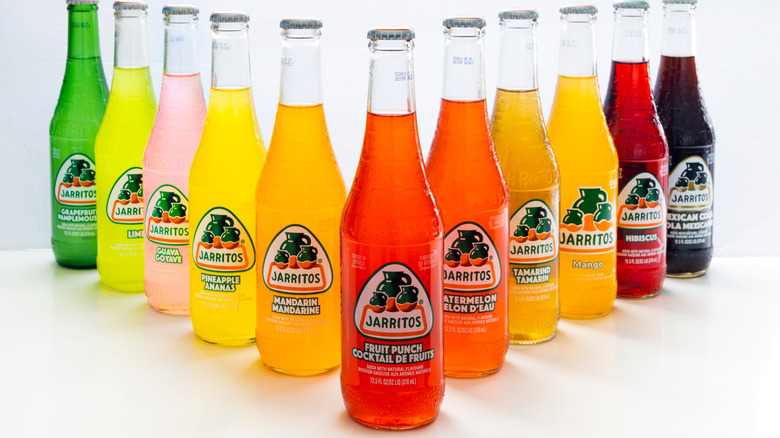
The enduring struggle of coffee sodas in the broad market may, in retrospect, be a positive development for brands like Jarritos. If the initial coffee-flavored Jarritos had achieved widespread success, it’s conceivable that the company might have focused its resources and innovation efforts on further developing that niche. This, in turn, could have potentially limited the exploration and eventual triumph of the vibrant, fruit-centric flavors that have become the brand’s hallmark. The original intention of Don Francisco Hill was to innovate and offer unique beverage experiences, and while his first attempt didn’t land as planned, it ultimately paved the way for a legacy of bright, distinctive, and culturally rich flavors that have captivated consumers worldwide. The story of Jarritos serves as a powerful reminder that sometimes, the most significant successes emerge not from replicating existing trends, but from embracing unique cultural heritages and daring to explore uncharted territory, even if the initial steps are met with challenges.