
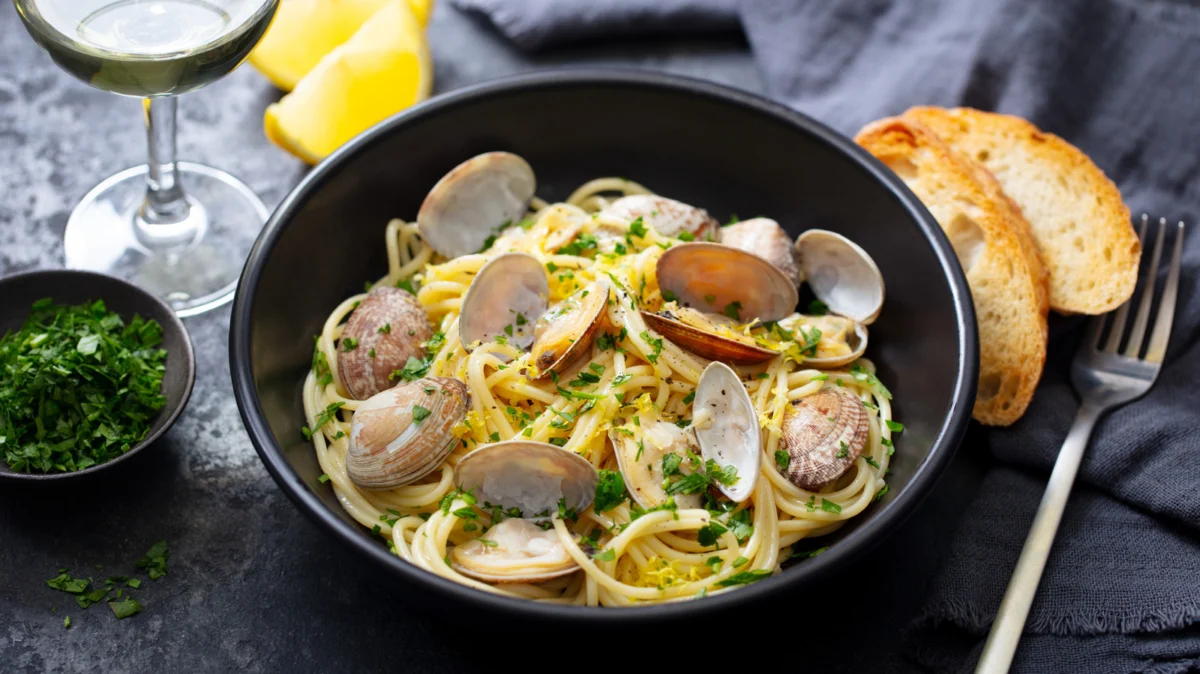
Michelin-starred chef Michael White has revealed a surprising secret ingredient that elevates seafood pasta dishes to new culinary heights: vermouth. The celebrated chef, known for his refined approach to Italian cuisine, shared this revelation at the prestigious Nassau Paradise Island Wine & Food Festival, a vibrant annual event that draws top culinary talent and food enthusiasts to the Bahamas. White, owner of Bianco Hospitality, highlighted how this fortified wine, often relegated to cocktail bars, offers a complex flavor profile that can transform simple seafood preparations.
The Unexpected Ingredient for Seafood Pasta Perfection
For home cooks and seasoned chefs alike, the foundational elements of a stellar seafood pasta are typically straightforward: high-quality pasta, aromatic garlic, fresh-from-the-sea seafood such as clams, shrimp, or lobster, bright lemon juice, crisp white wine, and fragrant fresh herbs. These components, when expertly combined, yield a dish that is both refreshing and deeply satisfying. However, according to Chef White, there’s an often-overlooked ingredient that can unlock an even greater dimension of flavor.
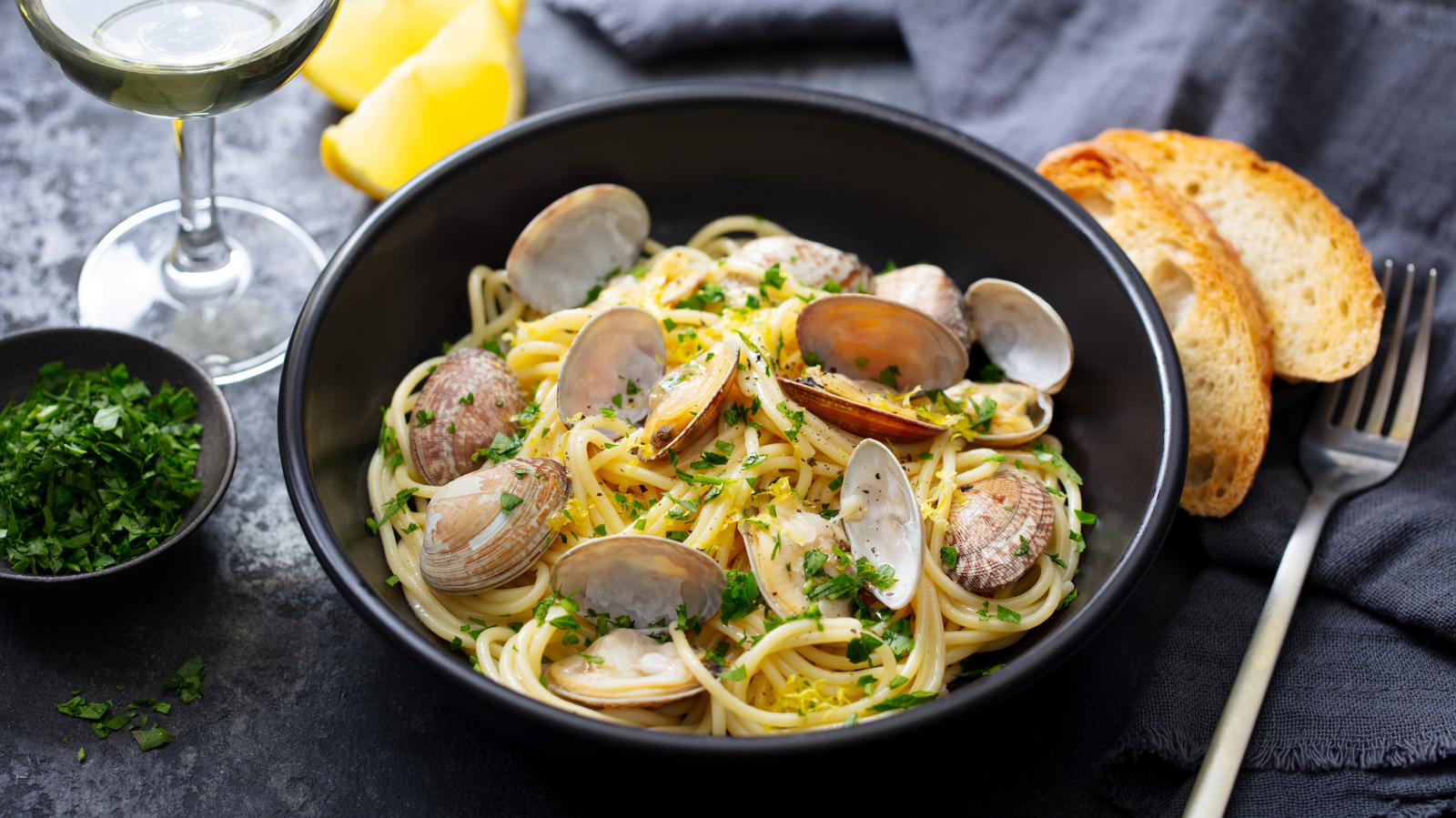
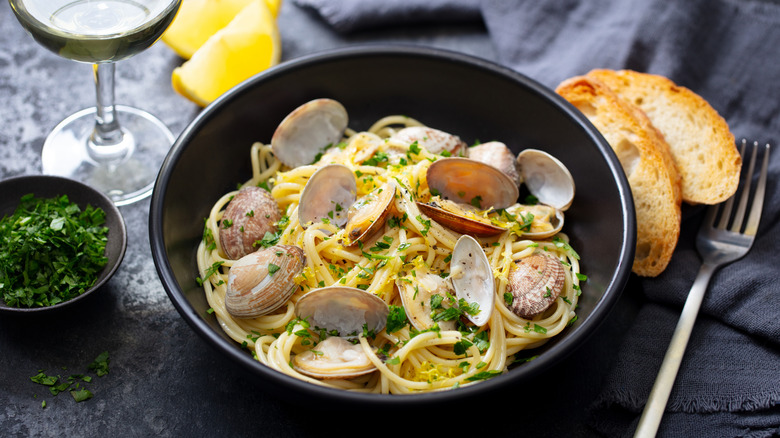
"I use a lot of vermouth, actually," Chef White stated in an exclusive interview. "Obviously, it’s a fortified wine, and therefore, it has a lot of flavor. When I’m doing pastas, for example, I’m using white vermouth sometimes. If I’m doing a seafood pasta with clams, it’s amazing. People are like, ‘What’s that flavor in there?’"
The appeal of vermouth, particularly white vermouth, lies in its inherent complexity. It is an aromatized, fortified wine, meaning it has been fortified with a spirit and infused with botanicals, typically herbs, spices, and roots. This process imbues vermouth with a spectrum of flavors that go beyond those found in traditional wine. White vermouth, often characterized by its herbaceous notes and citrus undertones, can act as a powerful flavor enhancer. When introduced into a seafood pasta sauce, it can amplify the natural brininess of shellfish, complement the acidity of lemon, and add a more pronounced, yet balanced, acidity to the overall dish. This acidity is crucial for cutting through richness and harmonizing the diverse flavors of seafood, garlic, and herbs.
Vermouth’s Versatility Beyond the Cocktail Glass
Chef White’s endorsement extends beyond its application in seafood pasta, suggesting that vermouth holds significant potential across a broader range of culinary creations. The ingredient’s inherent depth and layered flavor profile make it a compelling alternative to traditional cooking wines.
In dishes like parmesan risotto, where white wine is a standard addition to deglaze the pan and introduce acidity to the creamy arborio rice, substituting with white vermouth can introduce a crisper, more herbaceous dimension. This can, in turn, enhance the nutty and salty characteristics of the Parmesan cheese, creating a more nuanced and sophisticated flavor experience. Similarly, in preparations involving butter-poached fish, where white wine is often used to balance the richness of the butter sauce with its acidity, white vermouth can offer a similar function but with added complexity. The botanical notes of vermouth can also create a delightful interplay with the delicate flavors of fish, especially when paired with fresh herbs and citrus elements.
For enthusiasts of red vermouth, often associated with classic cocktails like the Manhattan or Americano, there are also savory applications to explore. In dishes such as red wine-braised short ribs, a staple in slow-cooked comfort food, red vermouth can serve as an innovative substitute for red wine. Red vermouth typically possesses a sweeter profile than many red wines used in braising. This inherent sweetness can effectively counter the rich, fatty elements inherent in braising liquids, resulting in a more balanced and deeply flavored final product. The complexity of red vermouth, with its spice and fruit notes, can add an unexpected yet welcome depth to slow-cooked meats, encouraging chefs to reconsider its role beyond mixed drinks.
The Nassau Paradise Island Wine & Food Festival: A Culinary Showcase
The Nassau Paradise Island Wine & Food Festival, where Chef White shared his vermouth secret, is a prominent event on the culinary calendar. Typically held over a weekend, it brings together renowned chefs, sommeliers, and mixologists from around the globe to showcase their talents. The festival often features a series of events, including gourmet tasting sessions, exclusive dinners, interactive cooking demonstrations, and cocktail competitions.
The festival’s setting in the Bahamas provides a unique backdrop, blending the allure of a tropical paradise with world-class gastronomy. Attendees have the opportunity to sample a diverse array of culinary creations, often with a focus on fresh, local ingredients, including seafood, alongside international influences. This year’s event, which attracted Chef White, underscored the festival’s commitment to celebrating culinary innovation and sharing new insights with a discerning audience. The timing of Chef White’s comments at such a high-profile event lent significant weight to his culinary revelation.
Background and Analysis of Vermouth in Cooking
Vermouth’s origins trace back to the late 18th century in Italy, where it was developed as a medicinal tonic infused with wormwood (Artemisia absinthium), the ingredient from which it derives its name. Over time, its palate-pleasing qualities led to its widespread adoption as an aperitif and, subsequently, as a key component in cocktails. Its fortified nature, with an alcohol content typically ranging from 15% to 20% ABV, contributes to its longer shelf life compared to unfortified wine, making it a practical ingredient to keep on hand.
The culinary application of vermouth is not entirely new, but it has been less extensively explored and promoted than its use in beverages. Traditional cooking wines are often lower in quality and less complex in flavor, primarily serving to add moisture and a basic acidic or fruity note. Vermouth, with its meticulously crafted botanical infusions and fortification, offers a far richer and more nuanced flavor base.
Data and Implications
The implications of Chef White’s recommendation are significant for both home cooks and professional chefs. By integrating vermouth into everyday cooking, individuals can:
- Enhance Flavor Complexity: Vermouth introduces a wider array of aromatic compounds and flavor notes than standard cooking wines. This can lead to more layered and intriguing taste profiles in dishes.
- Improve Acidity Balance: The fortified nature of vermouth can provide a more robust and sustained acidity, which is crucial for balancing rich ingredients, cutting through fat, and brightening overall flavors.
- Reduce Waste: Many home cooks may have a bottle of vermouth that is primarily used for occasional cocktails. Incorporating it into cooking provides an additional avenue for its use, reducing the likelihood of it expiring unused.
- Elevate Simplicity: As Chef White suggests, vermouth can transform a simple dish like seafood pasta into something "amazing." This implies that even basic recipes can benefit from a touch of sophistication through ingredient choice.
The market for fortified wines, including vermouth, has seen a resurgence in recent years, driven by the craft cocktail movement and renewed interest in classic spirits. While precise data on vermouth’s use specifically in cooking is scarce, its growing popularity in beverage applications suggests an increased availability and consumer familiarity that could facilitate its adoption in the kitchen. For instance, reports from the spirits industry have indicated a steady growth in the premium vermouth segment, with consumers seeking out higher-quality, more artisanal options. This trend can translate to greater accessibility for culinary applications.
Broader Impact and Future Culinary Trends
Chef Michael White’s advocacy for vermouth in cooking could influence future culinary trends. As chefs continue to seek out innovative ways to add depth and character to their dishes, ingredients that offer a multi-dimensional flavor profile are likely to gain prominence. Vermouth, with its rich history and diverse botanical composition, is well-positioned to become a staple in a wider array of recipes.
The suggestion to swap vermouth for wine in various dishes encourages a re-evaluation of common culinary practices. It prompts a deeper understanding of how different types of fortified wines can interact with various ingredients and cooking methods. The exploration of both white and red vermouth in savory applications opens up a vast landscape of culinary possibilities, from delicate seafood preparations to robust braised meats.
This culinary insight from a respected chef like Michael White, shared at a prominent festival, has the potential to inspire a new wave of experimentation in kitchens worldwide. It underscores the idea that ingredients we often associate with one specific use can possess surprising versatility, waiting to be discovered and celebrated for their broader culinary contributions. The humble bottle of vermouth, once confined to the cocktail shaker, may soon find its rightful place as a secret weapon in the repertoire of discerning cooks.