
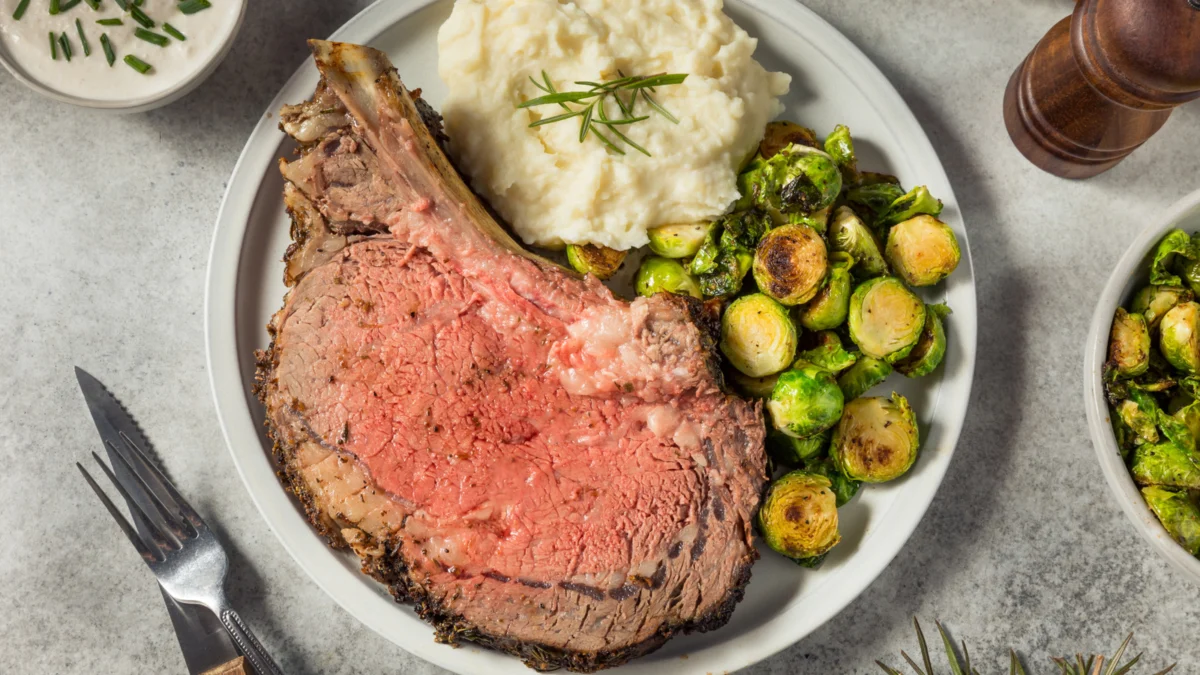
Prime rib, a culinary masterpiece often gracing holiday tables and celebratory feasts, stands as a testament to the art of slow roasting and the inherent richness of high-quality beef. Its reputation precedes it: a tender, succulent cut with a perfectly seasoned crust, boasting a buttery texture and profound, beefy flavor. However, a persistent debate simmers in gastronomic circles: should this king of roasts be accompanied by a symphony of condiments, or does its intrinsic perfection necessitate a more restrained approach? Experts and seasoned chefs largely advocate for the latter, urging diners to approach prime rib with a discerning palate, one that prioritizes the natural essence of the meat over the masking potential of sauces.
The inherent allure of prime rib lies in its meticulous preparation and the quality of the beef itself. Typically sourced from the rib section of the cow, this cut is characterized by generous intramuscular fat, or marbling, which renders during the slow cooking process. This marbling is the secret to its signature melt-in-your-mouth texture and its deep, satisfying flavor. The exterior often develops a beautifully caramelized crust, a result of careful seasoning and precise temperature control, adding a delightful textural contrast. To gild this lily with overpowering sauces, particularly those with excessive sweetness or acidity like ketchup or even some béarnaise variations, is often considered a culinary misstep, akin to drowning a perfectly aged wine in cola. The very essence of prime rib is its unadulterated, robust beefiness, a flavor profile that many believe is best appreciated in its purest form.
The Quintessential Pairing: Au Jus
When it comes to traditional accompaniments for prime rib, only one sauce truly earns its place as a definitive partner: au jus. Unlike many external condiments, au jus is not an afterthought; it is an integral extension of the prime rib itself. This savory liquid is meticulously crafted from the pan drippings that result from the roasting process. These drippings, rich with the rendered fat and caramelized meat juices, form the foundational flavor profile of the au jus.
The creation of a superior au jus typically involves deglazing the roasting pan with a liquid, such as beef stock, red wine, or even a touch of water, to capture all the flavorful browned bits. Aromatics like onions, garlic, and herbs are often introduced to further deepen the complexity. The resulting liquid is then strained to achieve a smooth, refined consistency. The purpose of au jus is not to mask or transform the flavor of the prime rib, but rather to enhance it. Its inherent beefiness, a direct reflection of the roast, acts as a natural complement, intensifying the savory notes and adding a touch of moisture without overwhelming the palate. A well-executed au jus offers a subtle, yet impactful, enhancement, allowing the prime rib to remain the undisputed star of the meal.
Data from culinary surveys consistently highlight the preference for simpler preparations when it comes to premium cuts of beef. A 2023 report by the National Cattlemen’s Beef Association indicated that over 60% of consumers surveyed preferred to taste the natural flavor of their steak or roast, with only about 25% regularly utilizing heavy sauces. This suggests a growing appreciation for the inherent quality of the meat itself.
The Acceptable Exception: Horseradish Sauce
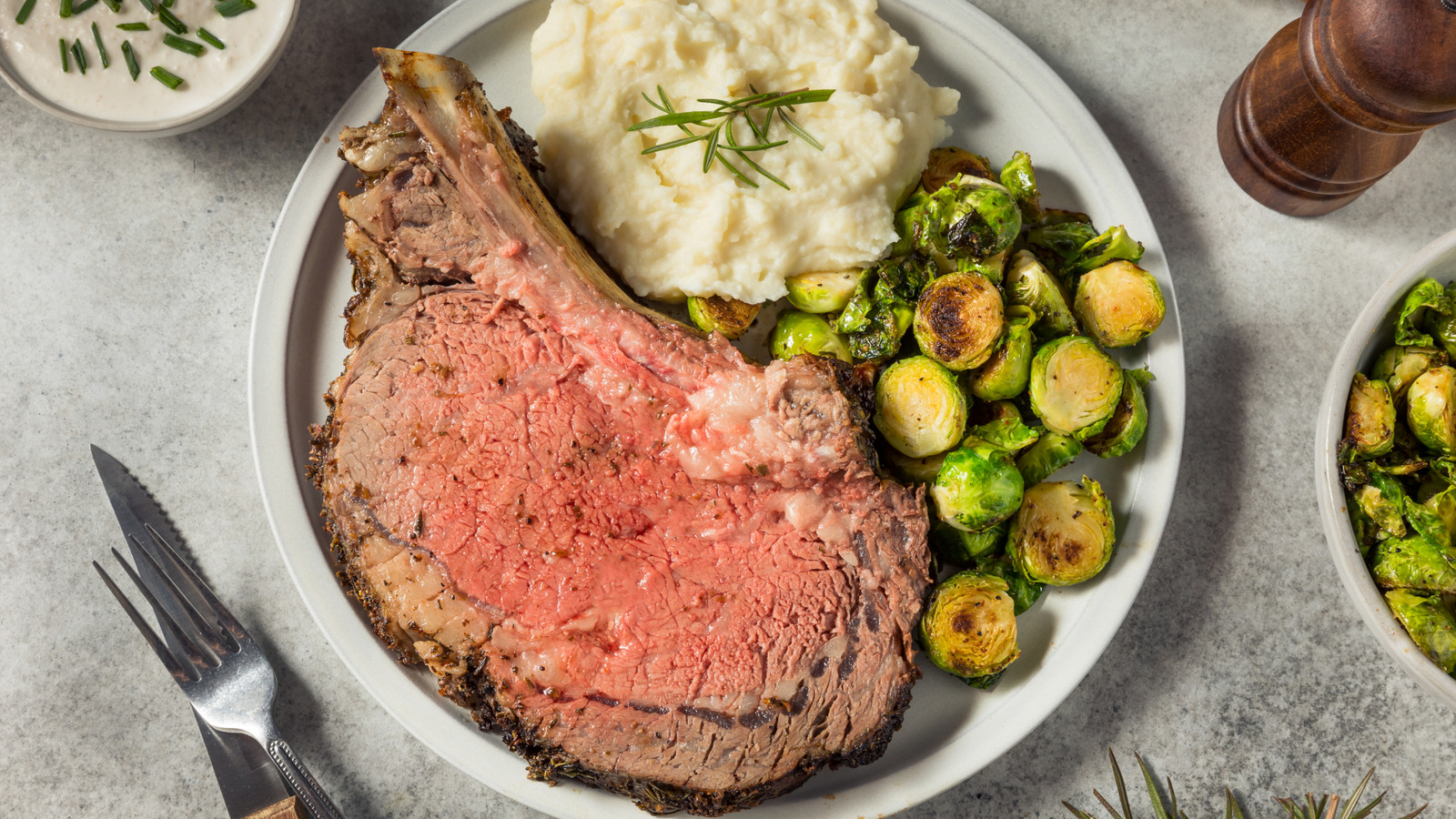
While au jus reigns supreme, a notable exception to the "no-sauce" rule emerges in the form of spicy, creamy horseradish sauce. This classic steakhouse condiment holds a revered position due to its unique ability to balance the inherent richness of prime rib. The pungent, sharp bite of horseradish, when tempered with cream or mayonnaise, provides a welcome counterpoint to the buttery, unctuous nature of the fatty cut. This dynamic creates a more complex and engaging flavor experience, preventing palate fatigue.
The rationale behind the acceptance of horseradish sauce lies in its ability to cut through the richness without entirely eclipsing the beef’s natural flavor. It offers a refreshing contrast, akin to a palate cleanser, that can elevate the overall enjoyment of the prime rib. It’s a testament to the sauce’s efficacy that it has become a staple in steakhouses for decades, a testament to its enduring appeal among discerning diners.
However, even with horseradish sauce, moderation is key. Culinary etiquette, and indeed common sense, dictates a light hand. Overindulgence can easily lead to a dominant horseradish flavor, effectively negating the purpose of enjoying the prime rib. The goal is to use the sauce as a subtle accent, a whisper of spice that complements the beef, rather than a shout that drowns it out. As chefs dedicate significant effort to sourcing, seasoning, and perfectly cooking prime rib, it is considered best practice to first sample the roast in its unadorned state. A single bite of a flawlessly prepared prime rib can be so exquisite that it renders any additional condiment superfluous, a testament to the chef’s skill and the quality of the ingredients.
A Deeper Dive into Prime Rib Preparation and Appreciation
The journey of prime rib from farm to table is a testament to culinary tradition and precision. The selection of the cut is paramount. Typically, prime rib is taken from the primal rib roast, which comprises ribs six through twelve. The "prime" designation in prime rib is a historical artifact from the USDA’s grading system, which once used "prime" to denote the highest quality grade. While the grading system has evolved, the name has stuck, signifying a cut that is generally expected to be of superior quality, characterized by ample marbling and tenderness.
The preparation often begins days in advance, with a dry brine or a wet brine, depending on the desired outcome. Dry brining involves generously salting the roast and allowing it to rest in the refrigerator for an extended period, often 24 to 72 hours. This process draws out moisture, concentrates the beef flavor, and helps to tenderize the meat. The salt also penetrates the muscle fibers, leading to a more seasoned and succulent final product. Wet brining, on the other hand, involves submerging the roast in a saltwater solution, often infused with herbs and spices, which infuses the meat with moisture and flavor from within.
The cooking method is equally critical. Slow roasting at a low temperature, typically between 250°F and 350°F (120°C to 175°C), is the cornerstone of prime rib preparation. This gentle heat allows the connective tissues to break down slowly, resulting in an incredibly tender and juicy interior. The final hour or so of cooking often involves increasing the oven temperature or utilizing the broiler to achieve that coveted, crispy crust. A meat thermometer is an indispensable tool, ensuring the internal temperature reaches the desired level of doneness, usually between 120°F and 130°F (49°C to 54°C) for medium-rare, which is considered ideal for prime rib.
The Role of Condiments in Culinary History
The practice of pairing meats with sauces and condiments is as old as cooking itself. Historically, sauces served multiple purposes: to preserve food, to mask the flavors of less-than-ideal cuts, or to add richness and complexity to otherwise simple preparations. Early condiments often relied on fermented ingredients, strong spices, and vinegars to achieve their characteristic flavors.
As culinary techniques advanced and the availability of high-quality ingredients increased, the role of condiments began to shift. For less desirable cuts, sauces remained essential for palatability. However, with the advent of refined butchery and improved cooking methods, the focus gradually moved towards celebrating the inherent flavors of premium ingredients. This shift is particularly evident in the evolution of steakhouse culture.
In the early days of steakhouses, heavy, rich sauces were often the norm. However, as diners became more educated about beef and the nuances of flavor, the appreciation for simpler preparations grew. The rise of the "steakhouse sauce" in bottles, often a blend of ketchup, Worcestershire sauce, and various spices, represented a more mass-market approach. While convenient, these sauces often lacked the subtlety and sophistication that a prime cut of beef deserved.
Broader Implications for Culinary Appreciation
The debate surrounding prime rib and its accompaniments reflects a larger trend in modern gastronomy: a growing emphasis on provenance, quality, and the art of letting ingredients shine. This philosophy extends beyond beef to other premium products, such as artisanal cheeses, heritage vegetables, and sustainably sourced seafood. The underlying principle is that when ingredients are of the highest caliber and are prepared with skill and respect, they often require minimal adornment.
The implication for diners is an encouragement to develop a more discerning palate. This involves actively engaging with the food, paying attention to the textures, aromas, and subtle flavor notes. It means understanding that a well-cooked piece of meat possesses a complex flavor profile that can be easily obscured by an overzealous application of sauce. By choosing to forgo or minimize condiments, diners not only honor the chef’s efforts but also unlock a deeper appreciation for the quality of the food itself.
Furthermore, this approach fosters a greater understanding of culinary balance. The ideal pairing is not one that overpowers, but one that harmonizes. In the case of prime rib, the subtle enhancements of a well-made au jus or the sharp counterpoint of a light horseradish sauce can elevate the experience. However, when these accompaniments become the dominant flavor, the prime rib itself is lost, and the potential for a truly memorable culinary encounter is diminished. The ultimate takeaway is that while condiments have their place, for a cut as magnificent as prime rib, true appreciation often lies in savoring its inherent, unadulterated perfection.