

This Sugar Cookie Recipe is buttery and soft with crisp edges but soft inside. They hold their shape so this is a great recipe for cut-out cookies that can be decorated. Top with buttercream frosting or cream cheese frosting and sprinkles. This is the best sugar cookie recipe and will be your tried and true recipe for Valentine’s or Christmas cookies.
In the world of home baking, few treats evoke the same warmth and nostalgia as the sugar cookie. This versatile confection, often associated with festive holidays and joyous celebrations, serves as a blank canvas for culinary creativity, from intricate royal icing designs to simple, cheerful sprinkles. While countless recipes exist, one stands out for its consistent ability to deliver a delightful balance of textures and flavors: a recipe that yields cookies that are both delightfully buttery and satisfyingly soft, with just the right hint of crispness at the edges. This comprehensive guide delves into the nuances of this exceptional sugar cookie recipe, exploring its origins, preparation techniques, and its enduring appeal across generations.
A Legacy of Sweetness: The Enduring Appeal of Sugar Cookies

The sugar cookie, in its various forms, has a rich history that spans centuries and continents. While its exact origins are debated, its presence is deeply woven into the fabric of Western baking traditions, particularly in Europe and North America. Early iterations likely involved simple combinations of flour, fat, and sweetener, evolving over time with the introduction of ingredients like baking soda and vanilla extract, which became more readily available. The ability to roll out and cut dough into various shapes transformed the sugar cookie into a celebrated medium for artistic expression, especially during holiday seasons.
Christmas and Valentine’s Day, in particular, have become synonymous with the sugar cookie. During the festive Christmas period, elaborate gingerbread houses and intricately decorated cut-out cookies adorn tables and windowsills, while Valentine’s Day sees a surge in heart-shaped creations, often adorned with romantic hues and sweet messages. The appeal lies not only in the taste but also in the communal aspect of their creation and sharing. Families often gather in the kitchen, rolling dough, cutting shapes, and decorating cookies together, creating cherished memories that are as sweet as the treats themselves.
The Anatomy of a Perfect Sugar Cookie: Texture, Flavor, and Functionality
The hallmark of an exceptional sugar cookie recipe lies in its ability to achieve a delicate equilibrium of characteristics. This particular recipe is lauded for its "buttery and soft with crisp edges but soft inside" profile. This texture is achieved through a careful balance of ingredients and preparation methods. The richness of butter contributes to the characteristic buttery flavor and aids in creating a tender crumb, while the precise ratio of flour and leavening agents ensures the cookies spread just enough to achieve those desirable crisp edges without becoming overly thin or brittle. Crucially, the dough is formulated to "hold its shape," a vital attribute for cut-out cookies. This means the dough contains sufficient structure to maintain the integrity of intricate shapes, preventing them from distorting or melting into amorphous blobs during baking.

Mastering the Craft: A Step-by-Step Approach to Sugar Cookie Perfection
Creating these perfect sugar cookies involves more than just following a list of ingredients; it’s about understanding the science and art behind each step.
The Foundation: Essential Ingredients
While the exact quantities are detailed in the accompanying recipe card, the core components of a superior sugar cookie recipe typically include:
- Butter: High-quality, unsalted butter is paramount. Its fat content contributes significantly to flavor and texture. Room temperature butter is essential for proper creaming with sugar, creating an aerated base for the dough.
- Sugar: Granulated sugar provides sweetness and contributes to the cookie’s crispness. Some recipes may also incorporate a small amount of brown sugar for added moisture and a hint of caramel flavor, though this particular recipe emphasizes a pure, classic sugar cookie taste.
- Eggs: Eggs act as binders, providing structure and richness.
- Vanilla Extract: Pure vanilla extract is key to enhancing the overall flavor profile, adding a warm, aromatic depth.
- Flour: All-purpose flour is the standard, providing the necessary structure. The amount of flour is critical; too much can lead to dry, tough cookies, while too little can result in excessive spreading.
- Leavening Agents: Baking powder and/or baking soda are used to provide lift and tenderness, ensuring the cookies aren’t dense.
- Salt: A pinch of salt balances the sweetness and enhances the other flavors.
The Crucial Step: Chilling the Dough
One of the most frequently emphasized techniques in achieving superior sugar cookies is the chilling of the dough. This step is not merely a suggestion; it is a fundamental requirement for success, especially when working with higher-fat butters like Kerrygold, which are known for their rich flavor but also their tendency to melt more readily.

Why Chill the Dough?
The chilling process serves a dual purpose:
- Controlling Spread: The fats (primarily butter) in the dough solidify when chilled. When the cookies are placed in a hot oven, these solidified fats melt more slowly. This gradual melting prevents the cookies from spreading out excessively, allowing them to retain their intended shapes. Unchilled dough, with its warmer fats, will melt and spread much faster, leading to thinner, often misshapen cookies.
- Developing Flavor and Texture: Chilling also allows the gluten in the flour to relax, resulting in a more tender cookie. Furthermore, it allows the flavors of the ingredients to meld and deepen, contributing to a more complex and satisfying taste.
The recipe suggests dividing the dough into two disks before chilling. This makes the dough easier to handle and roll out once it has firmed up.
Rolling and Cutting: Precision and Patience
The process of rolling out the dough is where the "cut-out" aspect of this recipe truly shines. The dough’s inherent stability ensures that intricate shapes will remain intact.
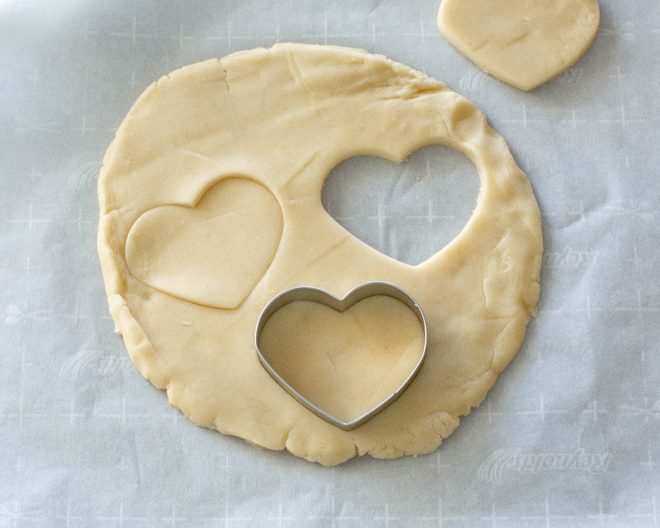
Techniques for Optimal Rolling:
- Between Parchment Paper: A highly recommended technique is to roll the dough between two sheets of parchment paper. This prevents sticking to the rolling pin and the work surface, minimizing the need for extra flour, which can alter the cookie’s texture. Once rolled to the desired thickness, the parchment-paper-clad dough can be easily transferred to the refrigerator or freezer to chill.
- Lightly Floured Surface: Alternatively, a lightly floured surface can be used. However, bakers must be judicious with the amount of flour, as adding too much can result in a dry dough.
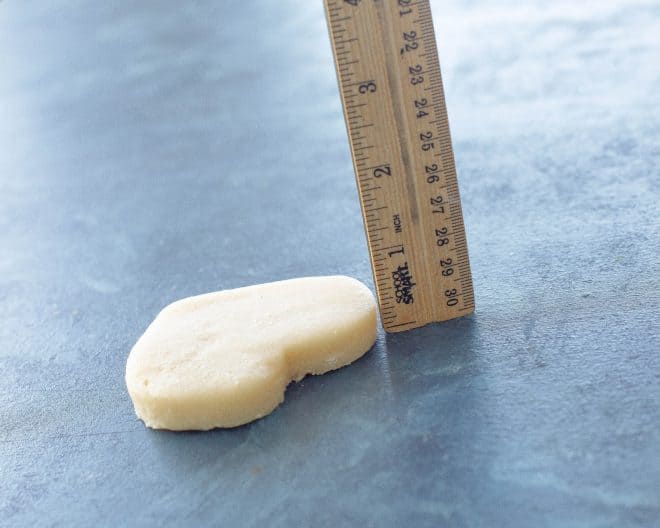
The thickness at which the dough is rolled directly influences the final texture of the cookie. For a softer cookie with a more substantial bite, roll the dough thicker. For a crispier, more delicate cookie, roll it thinner. This flexibility allows bakers to cater to individual preferences.
Baking to Perfection: Achieving the Desired Crispness and Softness
The baking process is the culmination of all the preparation. Precise oven temperatures and timing are crucial for achieving the desired outcome.
Factors Influencing Texture:
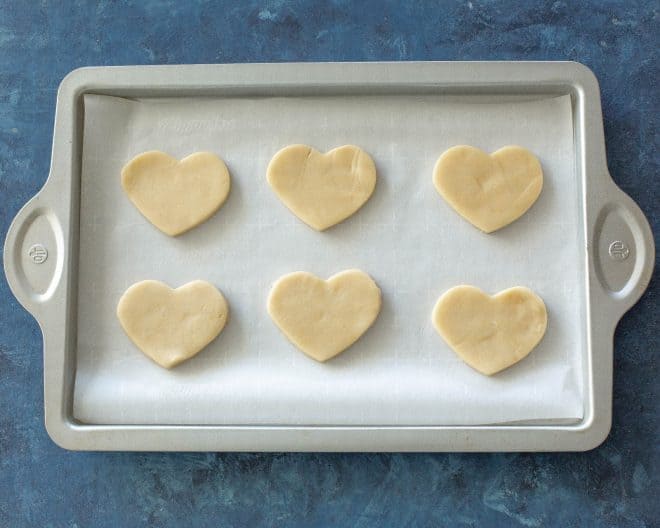
- Dough Thickness: As mentioned, thicker dough yields softer cookies, while thinner dough results in crispier cookies.
- Baking Time: Overbaking will lead to dry, hard cookies, regardless of the initial dough thickness. Conversely, underbaking may result in cookies that are too soft and may not hold their shape well once cooled. The visual cues of golden-brown edges are a reliable indicator of doneness.
Frosting and Decoration: The Art of Embellishment
Once baked and cooled, the sugar cookies are ready to be transformed into edible works of art. This recipe highlights two popular frosting choices:
- Buttercream Frosting: A classic choice, buttercream offers a rich, creamy sweetness that complements the buttery cookie.
- Cream Cheese Frosting: For a slightly tangier and equally delightful option, cream cheese frosting is a favored alternative. The recipe notes that cream cheese frosting is a personal go-to.
Coloring the Frosting: For vibrant colors without compromising flavor, gel food coloring is recommended. Unlike liquid food colorings, gels are concentrated and require only a small amount to achieve intense hues.
Decorative Touches: Sprinkles are a simple yet effective way to add visual appeal and a festive touch to sugar cookies, especially for holidays.
Extending the Shelf Life: Freezing Techniques
The recipe provides valuable insights into freezing both the dough and baked cookies, ensuring that the joy of homemade sugar cookies can be enjoyed year-round.
- Freezing Sugar Cookie Dough: Unbaked sugar cookie dough can be frozen for up to three months. For optimal results, it should be thawed gradually in the refrigerator for 24 hours before rolling and baking. This allows the dough to rehydrate evenly and prevents it from becoming too soft too quickly.
- Freezing Baked Cookies: Baked cookies can also be frozen. The recommended method involves flash-freezing them in a single layer on a cookie sheet for about an hour. This prevents them from sticking together. Once frozen, they can be transferred to a freezer-safe bag or container. Thawing can be done at room temperature or in the refrigerator.
A Culinary Staple for Every Occasion
The enduring popularity of this sugar cookie recipe stems from its reliability and its adaptability. Whether destined for the meticulously decorated landscape of a Christmas cookie platter or the cheerful simplicity of a Valentine’s Day treat, these cookies consistently deliver on flavor and texture. Their ability to hold their shape makes them ideal for intricate cut-outs, while their inherent softness ensures a delightful eating experience. This recipe transcends mere instructions; it represents a gateway to creating sweet memories, fostering family traditions, and celebrating life’s moments, one buttery, perfectly textured cookie at a time. The "Sugar Cookie Showdown" mentioned in the article implies a dedicated exploration of various sugar cookie recipes, underscoring the author’s commitment to finding and perfecting this particular rendition as a tried-and-true favorite. The alternative suggestion of "Sugar Cookie Bars" further illustrates the versatility of the sugar cookie concept, catering to those who prefer a simpler, less labor-intensive approach to enjoying this beloved treat.