
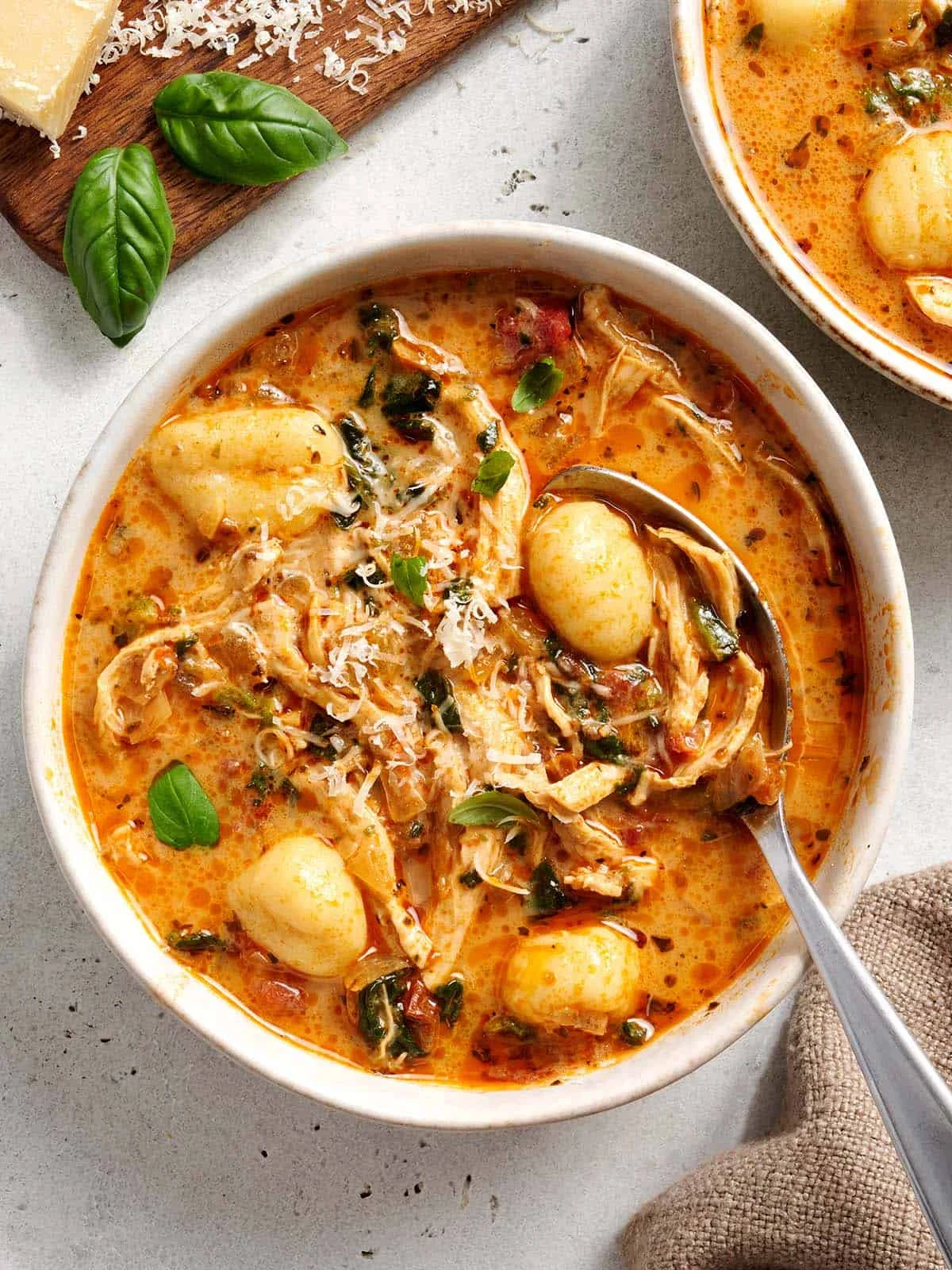
The culinary landscape of the 2020s has been defined by the rapid democratization of "luxury" flavors through social media platforms, leading to the emergence of the "Marry Me" recipe family as a cornerstone of modern domestic cooking. Originally popularized as a cream-based chicken skillet dish, the concept has undergone a significant evolution, most recently manifesting as a highly efficient and cost-effective soup variant. This iteration, rigorously developed and verified by the Nashville Test Kitchen, integrates tender shredded chicken, pillowy gnocchi, and a complex sun-dried tomato-infused broth. By bridging the gap between high-end restaurant aesthetics and strict budgetary constraints, the Marry Me Chicken Soup represents a broader shift in consumer behavior, where home cooks prioritize "proposal-worthy" meals that cost less than two dollars per serving.
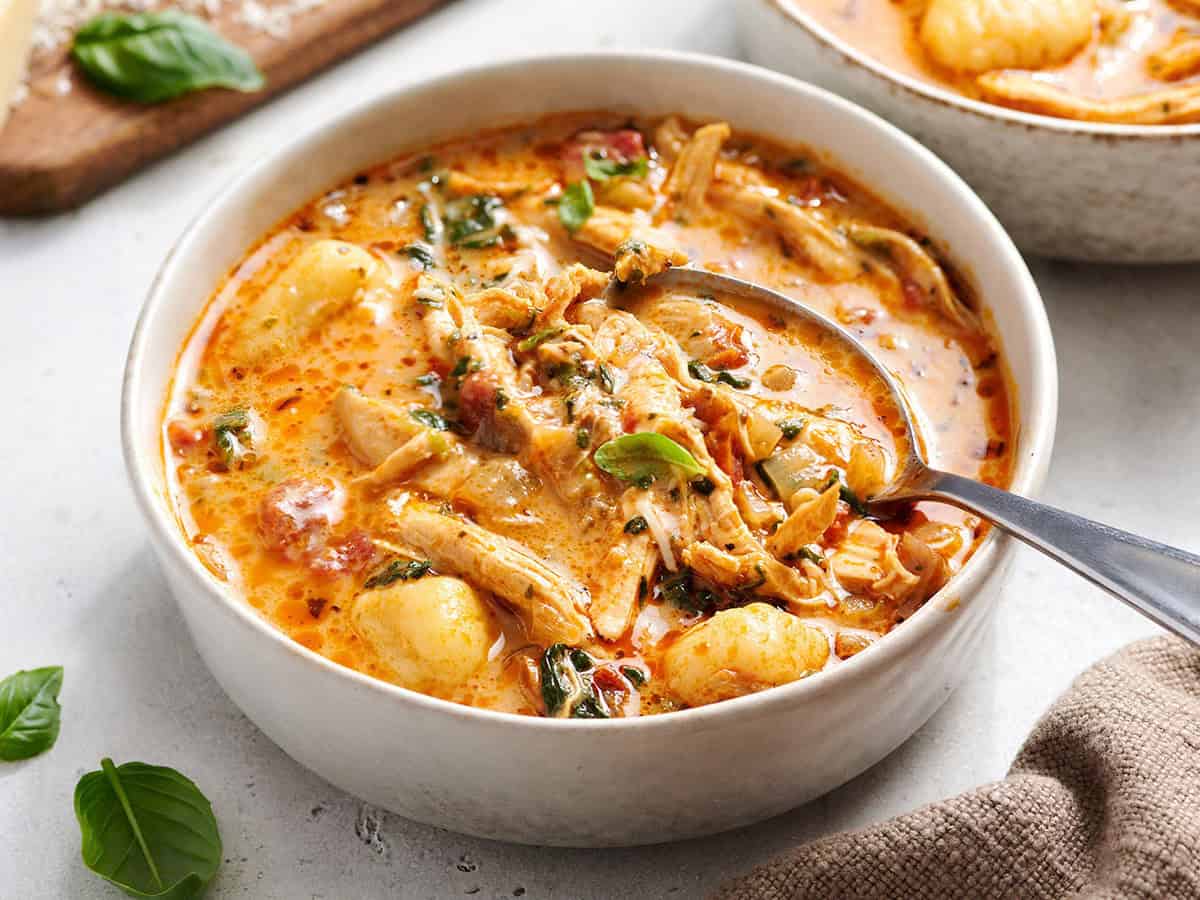
The Genesis and Evolution of the Marry Me Phenomenon
The "Marry Me" nomenclature is widely attributed to the editorial team at Delish in 2016, who famously joked that the dish was so delicious it could prompt a marriage proposal. What began as a singular recipe for Tuscan-style chicken—heavy on cream, Parmesan, and sun-dried tomatoes—morphed into a global digital trend by 2020. As inflation and global supply chain disruptions increased the cost of dining out, home cooks began seeking ways to replicate "restaurant-quality" comfort food at home.
The transition from a skillet-based entree to a soup is a logical progression in the trend’s chronology. Soup, as a medium, allows for greater volume and ingredient stretching, which aligns with the current economic climate. The Nashville Test Kitchen’s latest data indicates that the soup version can be produced for approximately $9.45 for a full six-serving batch. This represents a significant reduction in cost compared to the original pan-seared version, which often requires more expensive cuts of meat and higher volumes of heavy cream.
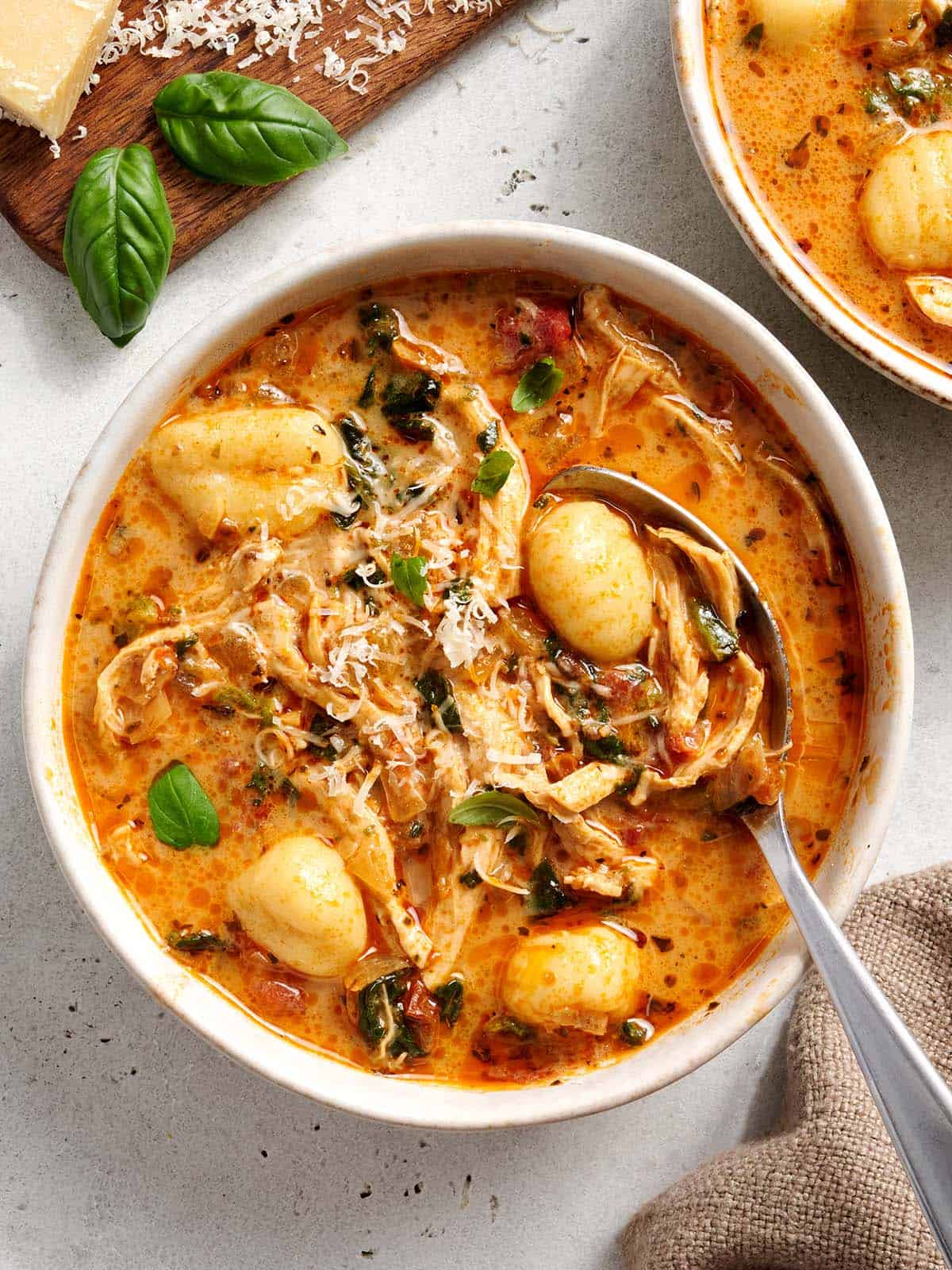
Chronology of Culinary Adaptation
The timeline of the Marry Me trend reflects the changing priorities of the American household over the last decade:
- 2016–2018: The Origin Phase. The original recipe gains traction in lifestyle magazines as a "date night" staple.
- 2019–2021: The Viral Explosion. TikTok and Instagram Reels propel the recipe into the mainstream. It becomes a top-searched term on Google Recipes, frequently paired with pasta or mashed potatoes.
- 2022–2023: The Diversification Phase. Home cooks begin experimenting with "Marry Me" chickpeas, meatballs, and salmon to accommodate different dietary preferences and budgets.
- 2024–Present: The Efficiency Phase. The trend pivots toward "one-pot" and "soup" formats. The focus shifts toward speed (under 40 minutes) and extreme affordability without sacrificing the "luxury" flavor profile established by the original.
Economic Analysis of the $1.58 Serving
The most striking aspect of the Nashville Test Kitchen’s Marry Me Chicken Soup is its fiscal efficiency. At a calculated cost of $1.58 per serving, the dish is positioned well below the average cost of a fast-food meal, which has risen to over $12.00 in many urban markets.
Several strategic "budget hacks" contribute to this price point:
- Oil Utilization: By using the flavored oil from jarred sun-dried tomatoes as the primary sautéing fat, the recipe eliminates the need for additional butter or expensive extra-virgin olive oil while doubling the depth of flavor.
- Concentrated Bases: The use of "Better Than Bouillon" or similar concentrates allows for a more robust flavor profile than standard canned broth at a fraction of the price per gallon.
- Frozen Staples: The inclusion of frozen spinach, which is thawed and squeezed dry, provides the same nutritional value and color as fresh spinach but with a longer shelf life and lower waste margins.
- Gnocchi as a Filler: Store-bought shelf-stable gnocchi provides a dense, filling carbohydrate that mimics the texture of handmade pasta but costs significantly less and cooks in under four minutes.
Technical Execution and Flavor Chemistry
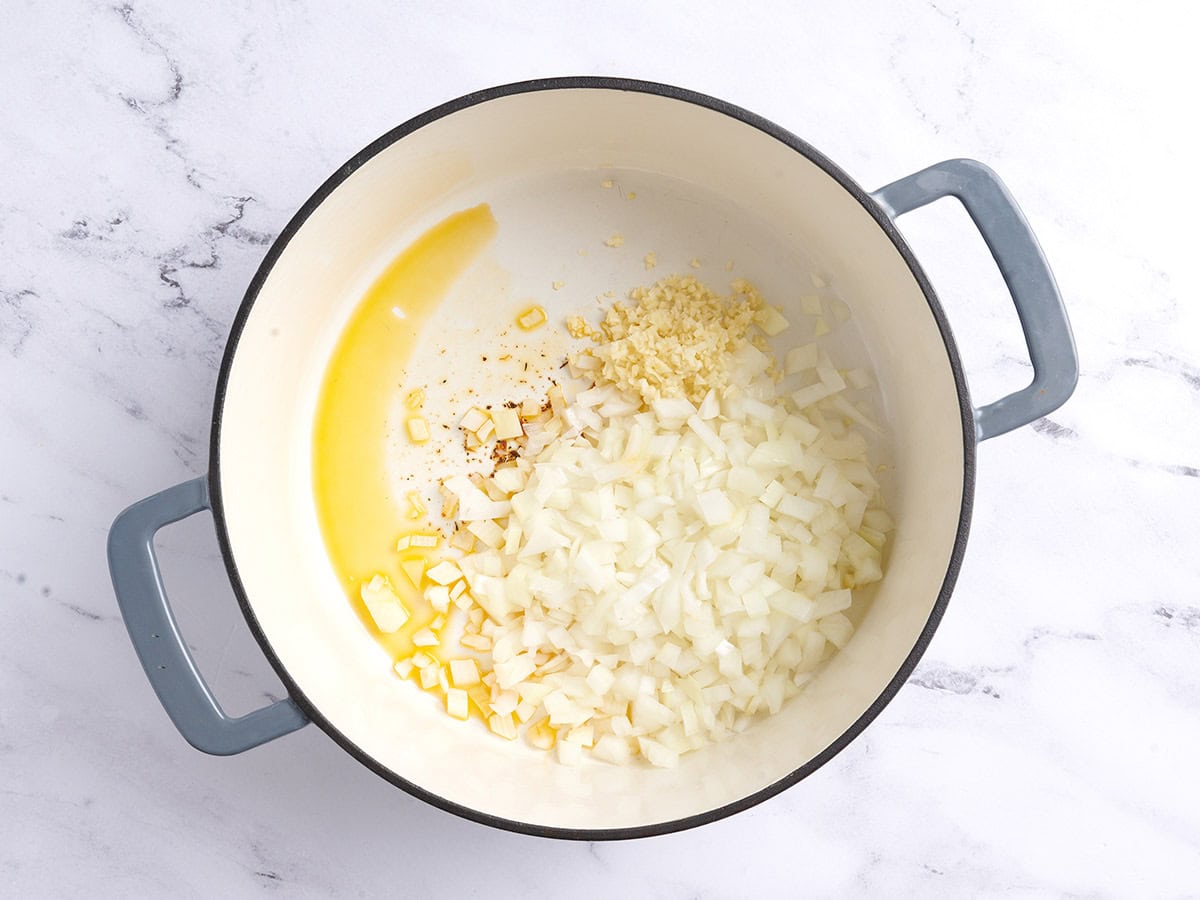
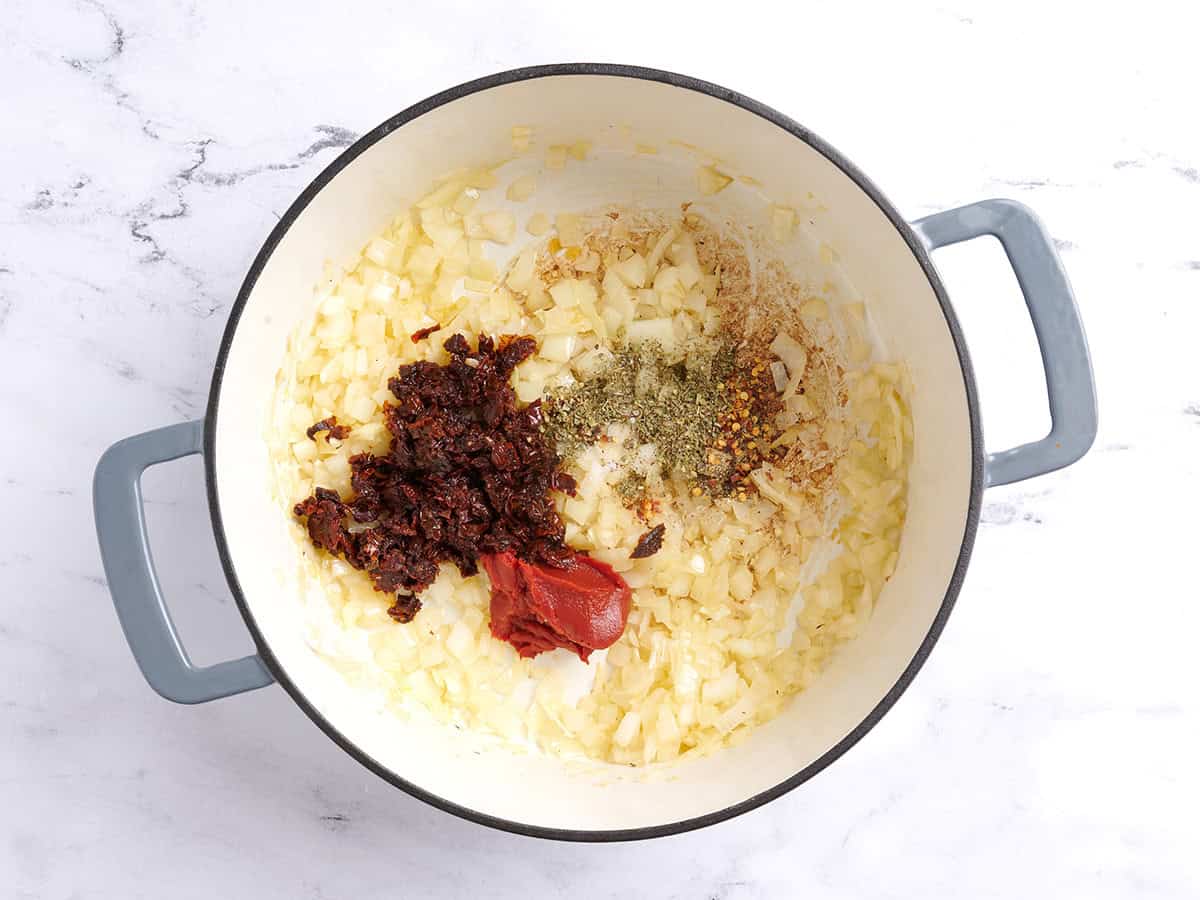
The success of the Marry Me Chicken Soup relies on specific chemical reactions that elevate simple ingredients. The " Nashville Method" emphasizes the caramelization of tomato paste—a process where the sugars in the tomato are heated until they darken and develop a savory, umami-rich profile. This step is crucial for providing the "all-day simmered" taste in a 40-minute window.
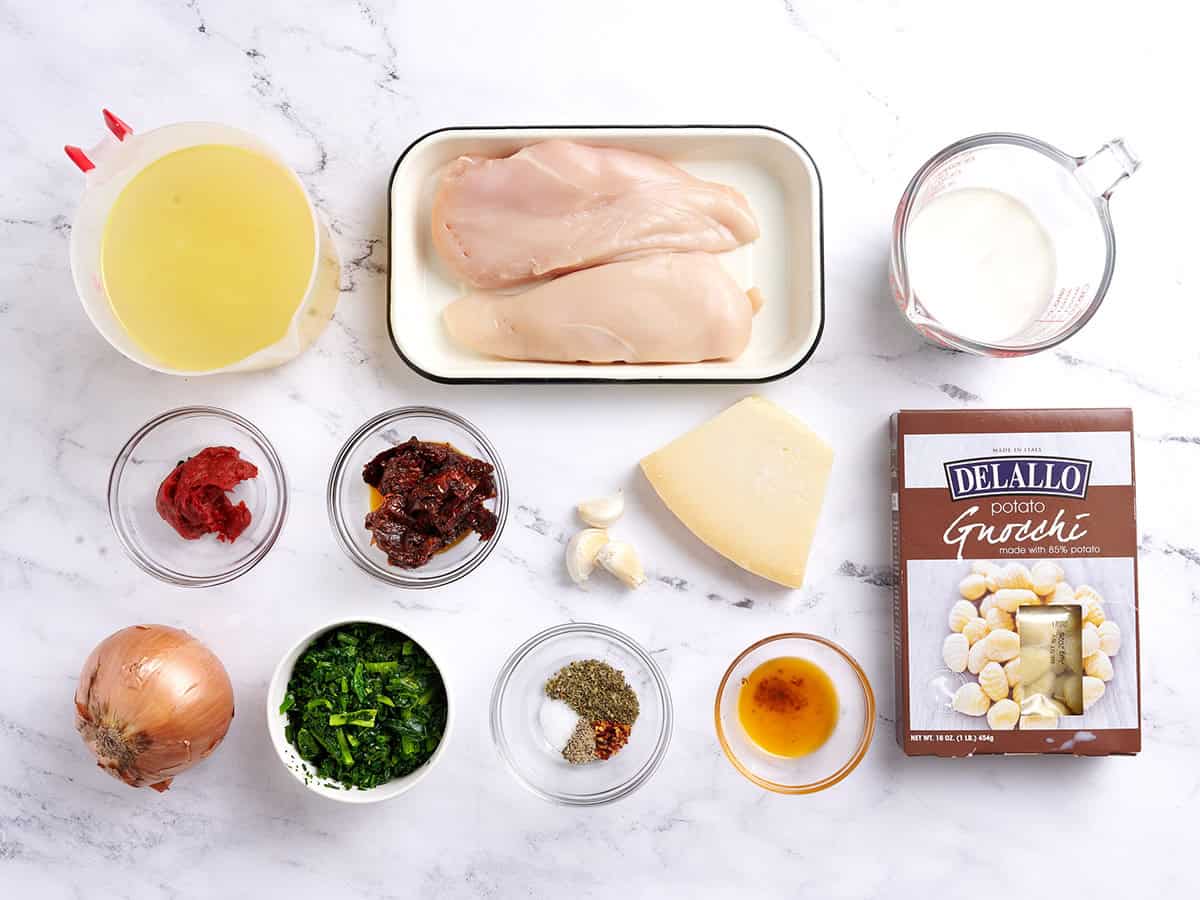
The flavor profile is further enhanced by the inclusion of red pepper flakes for heat, Italian seasoning for herbal depth, and a significant amount of Parmesan cheese. The cheese acts as both a flavoring agent and a thickener, working in tandem with the starch released from the gnocchi to create a "pillowy" and "velvety" broth. This interplay of textures is a hallmark of the Marry Me family, designed to trigger the brain’s comfort centers.
Nutritional Profile and Dietary Implications
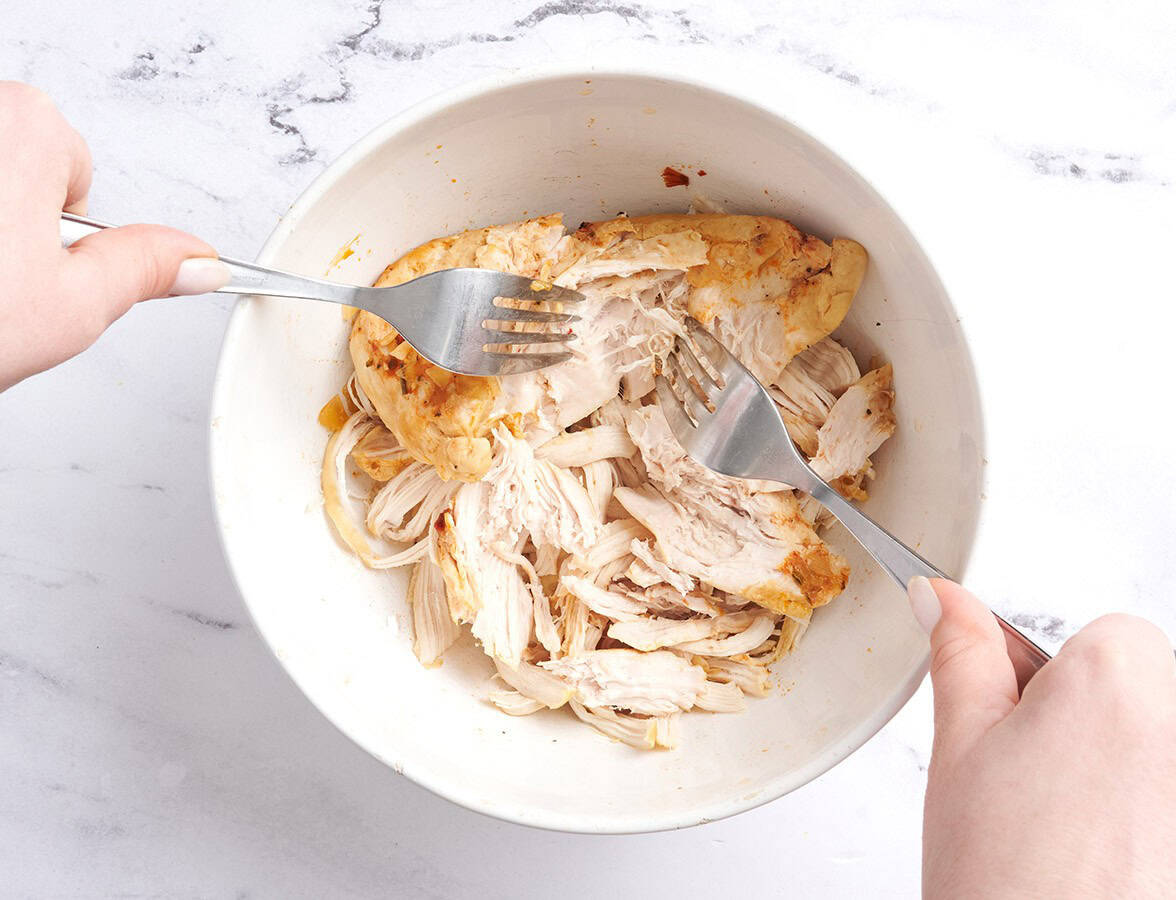
From a nutritional standpoint, the Marry Me Chicken Soup offers a balanced profile for a comfort-focused meal. A single serving contains 316 calories, providing a substantial 25 grams of protein. This high protein-to-calorie ratio is largely due to the use of lean chicken breasts, which are poached directly in the broth to maintain moisture.
However, the dish is high in sodium, containing 1,593 mg per serving, which represents 69% of the recommended daily value. This is a common characteristic of budget-friendly recipes that rely on bouillon and Parmesan for flavor. Health experts suggest that those monitoring sodium intake can mitigate this by using low-sodium broth bases and fresh spinach instead of frozen, though this may slightly alter the final cost-per-serving.
Statements from Culinary and Economic Experts
Industry analysts suggest that the "Marry Me" trend is a symptom of "premiumization" in home cooking. "We are seeing a generation of cooks who may not have formal training but have high expectations for flavor," says culinary researcher Elena Rodriguez. "They are looking for ‘cheat codes’ to achieve complex flavors. Sun-dried tomatoes and heavy cream are the ultimate cheat codes for creating a sense of luxury on a budget."
Economic analysts also point to the "Lipstick Effect" in the grocery aisle. When consumers cannot afford large luxuries like vacations or new cars, they spend on "small luxuries" like premium jarred tomatoes or high-quality Parmesan. The Marry Me Chicken Soup fits perfectly into this niche—it feels like an indulgence, but the total investment remains under ten dollars for a family of six.
Broader Cultural Impact and Market Trends
The persistence of the Marry Me trend has had a measurable impact on grocery retail. Market data shows a steady increase in the sale of sun-dried tomatoes and shelf-stable gnocchi, items that were once considered niche or "specialty" ingredients. The democratization of these ingredients means they are now standard stock in discount grocers like Aldi and Lidl, further fueling the accessibility of the recipe.
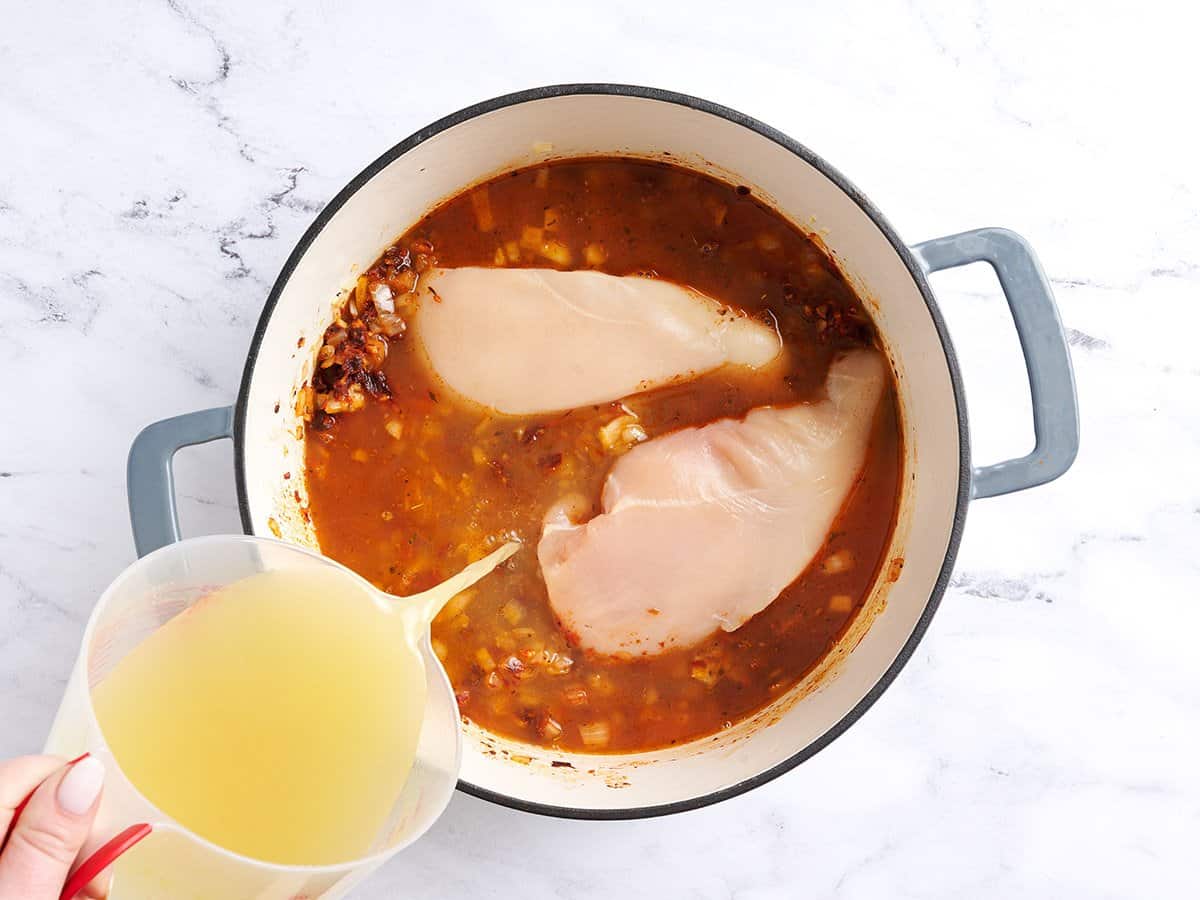
Furthermore, the "Nashville Test Kitchen" approach highlights a growing demand for "rigorous testing" in the influencer space. Consumers are increasingly skeptical of "viral" recipes that look good on camera but fail in the kitchen. By providing step-by-step photographic evidence and detailed cost breakdowns, developers are building a new standard of trust with the home cook.
Conclusion and Future Outlook
The Marry Me Chicken Soup is more than a viral recipe; it is a case study in the intersection of digital culture, economic necessity, and culinary innovation. As households continue to navigate a volatile economy, the demand for meals that offer emotional comfort, nutritional value, and aesthetic appeal will only grow.
The longevity of the "Marry Me" brand suggests that the flavor profile—creamy, tangy, and savory—has become a permanent fixture in the American culinary canon. Whether it leads to a proposal or simply a satisfied family on a Tuesday night, the dish proves that the most successful recipes of the modern era are those that respect the cook’s time, wallet, and palate in equal measure. As we look toward future iterations, it is likely we will see this concept adapted for slow cookers, air fryers, and plant-based proteins, ensuring that the "Marry Me" legacy continues to evolve with the needs of the global kitchen.