
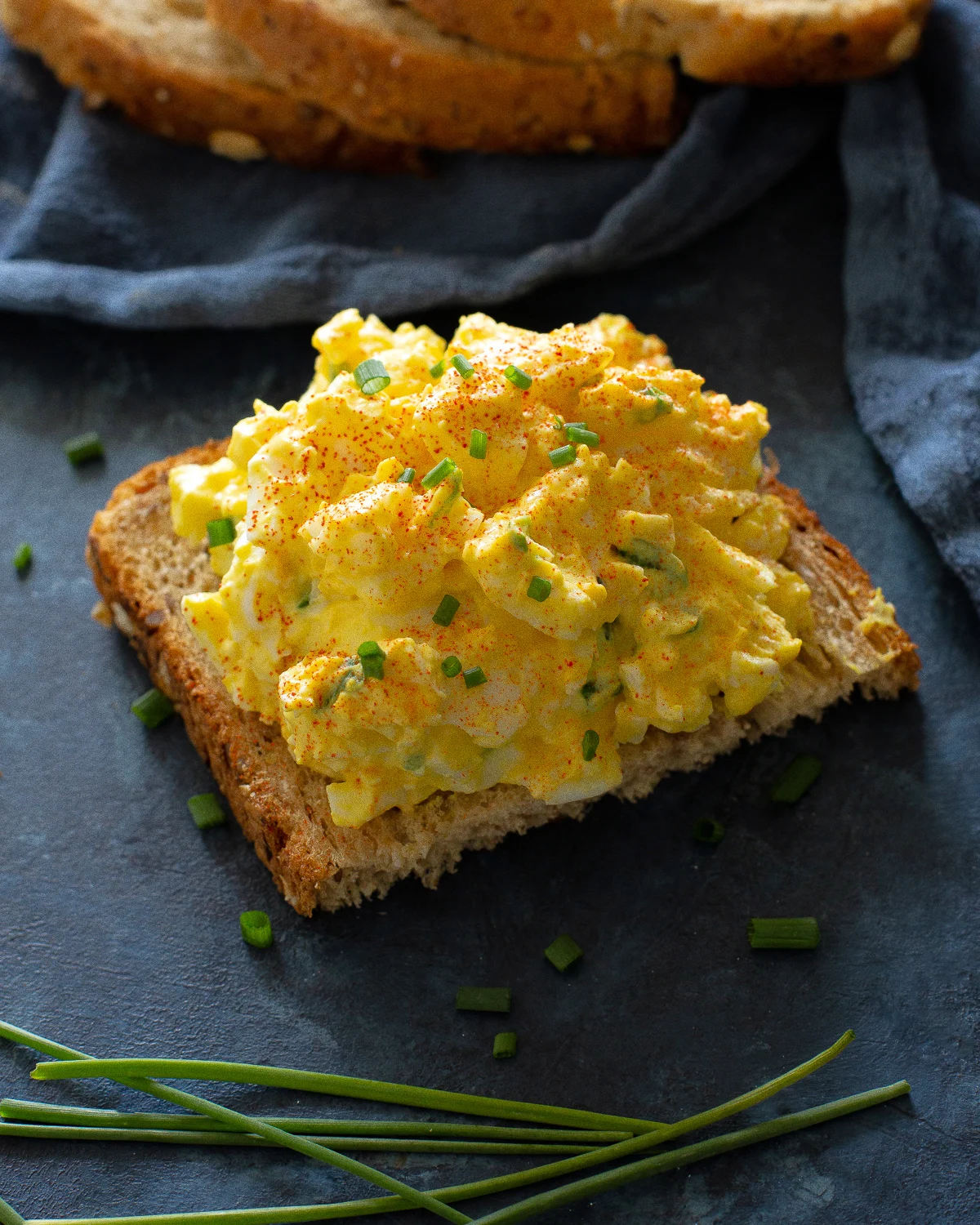
Egg salad, a dish often associated with comforting childhood lunches and simple gatherings, continues to hold a cherished place in culinary traditions. This article delves into the preparation and enduring appeal of a classic egg salad recipe, emphasizing its creamy texture, savory depth, and the harmonious blend of fundamental ingredients. The recipe, built upon a foundation of perfectly hard-boiled eggs, creamy mayonnaise, tangy mustard, a hint of bright lemon juice, and the fresh, aromatic touch of chives, represents a timeless approach to this beloved dish.
A Culinary Comfort Rooted in Tradition
The appeal of egg salad transcends fleeting food trends. For many, it evokes a powerful sense of nostalgia, transporting them back to simpler times and the warmth of home kitchens. This classic rendition eschews elaborate embellishments, focusing instead on perfecting the fundamental elements that have made egg salad a beloved staple for generations. The inherent simplicity of its preparation belies its capacity to deliver a profoundly satisfying and flavorful experience. This emphasis on a traditional approach suggests a deliberate choice to honor the dish’s heritage, offering a taste of familiar comfort in an ever-evolving culinary landscape.
The Art of Crafting the Perfect Egg Salad
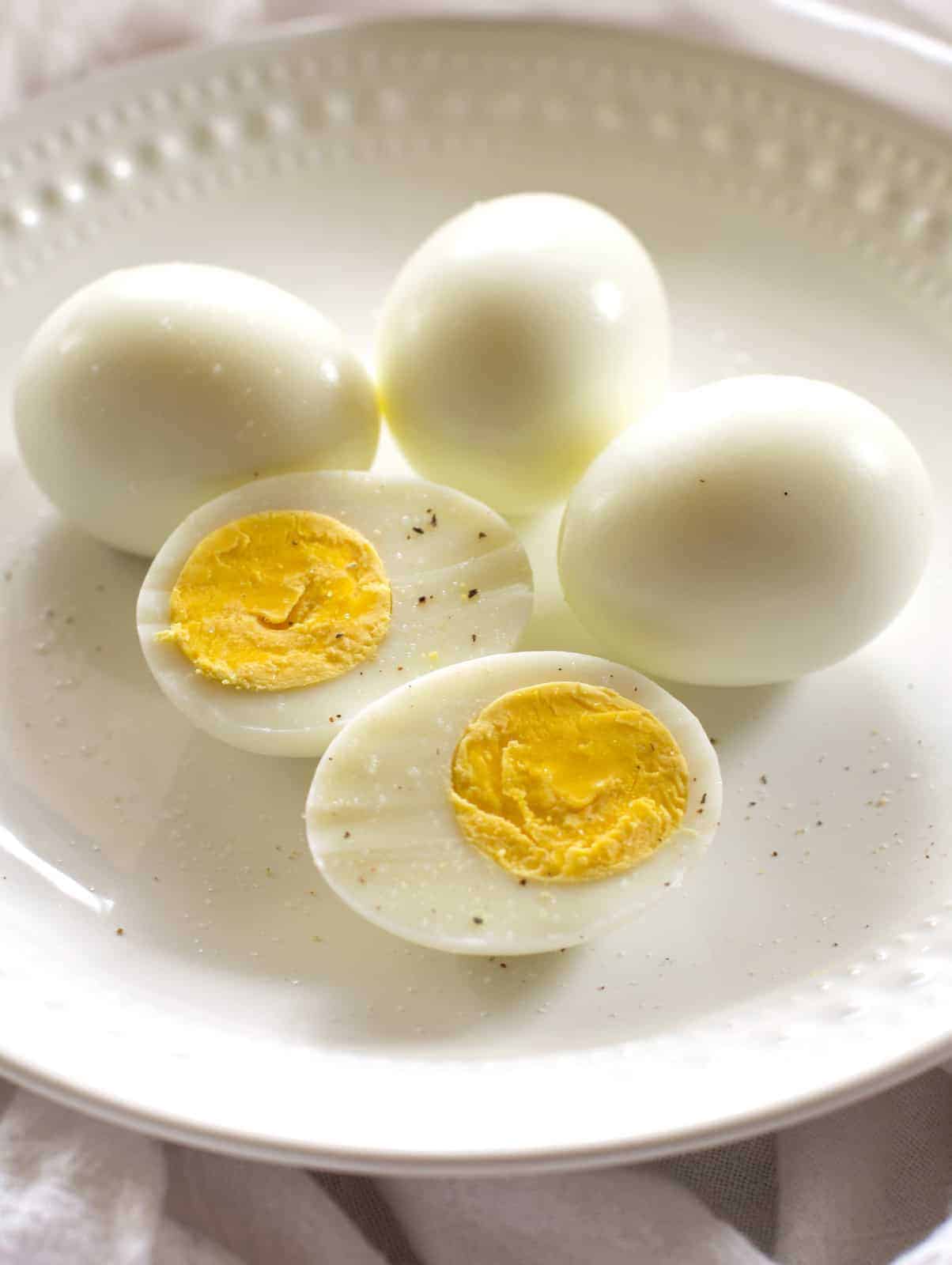
The creation of an exceptional egg salad begins with the careful preparation of its core component: the hard-boiled egg. The method employed for boiling eggs can significantly impact the final texture and ease of peeling. Techniques often involve placing eggs in a saucepan, covering them with cold water, and bringing them to a rolling boil. Once boiling, the heat is typically reduced, and the eggs are simmered for a specific duration, often around 10-12 minutes, to achieve a firm yet tender yolk and a fully cooked white. Immediately plunging the cooked eggs into an ice bath is a crucial step, halting the cooking process and facilitating easier shell removal. This meticulous attention to detail in the initial stage ensures a superior base for the salad.
The subsequent steps involve a thoughtful combination of ingredients designed to enhance the natural flavors of the eggs. The creamy richness of mayonnaise forms the binder, while a touch of mustard introduces a subtle sharpness and complexity. Lemon juice adds a vital element of brightness, cutting through the richness and elevating the overall profile of the salad. Finally, freshly chopped chives provide a delicate oniony note and a vibrant green visual appeal. The balance of these components is key, with each ingredient playing a role in creating a harmonious and well-rounded flavor.
Versatility in Serving and Storage
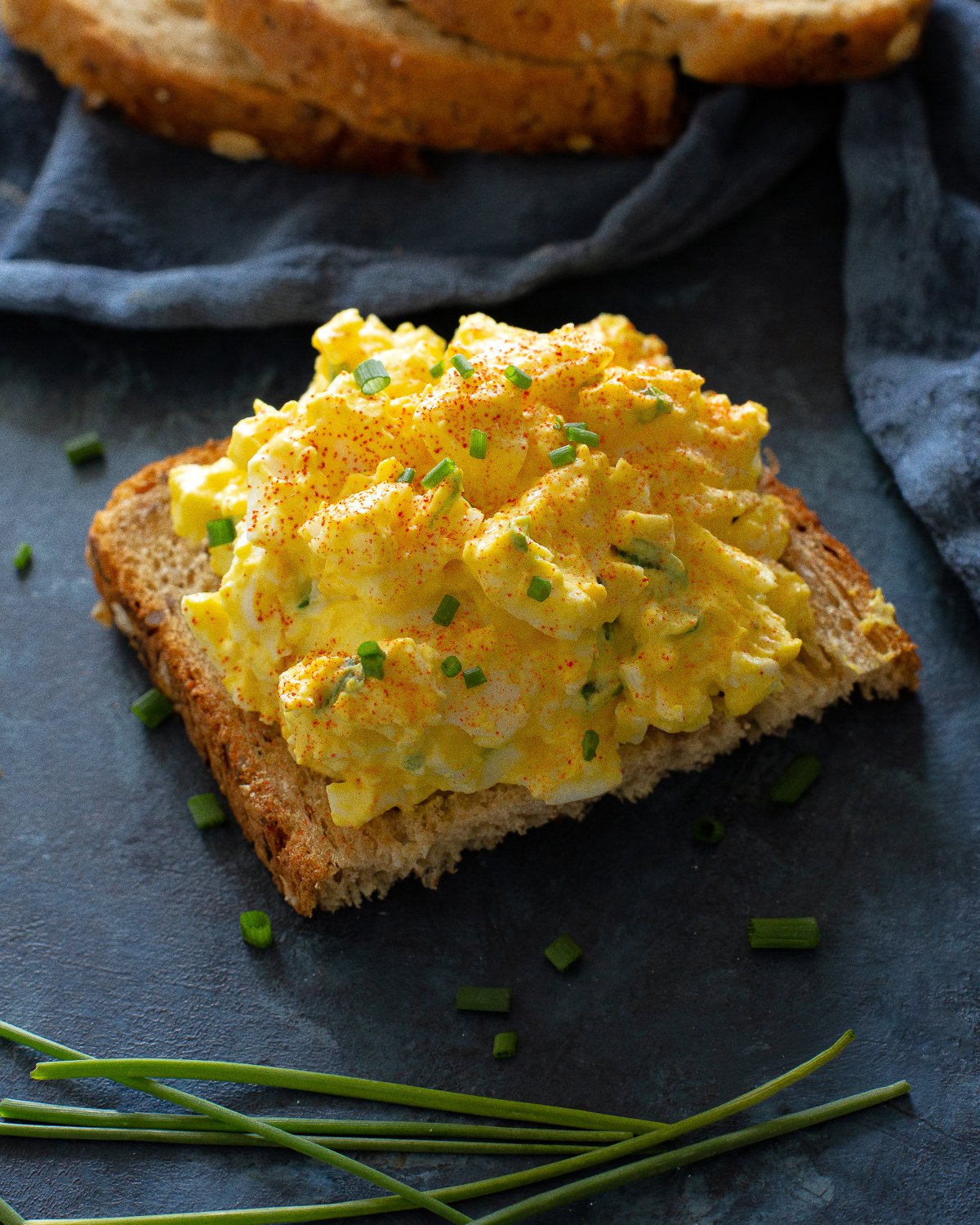
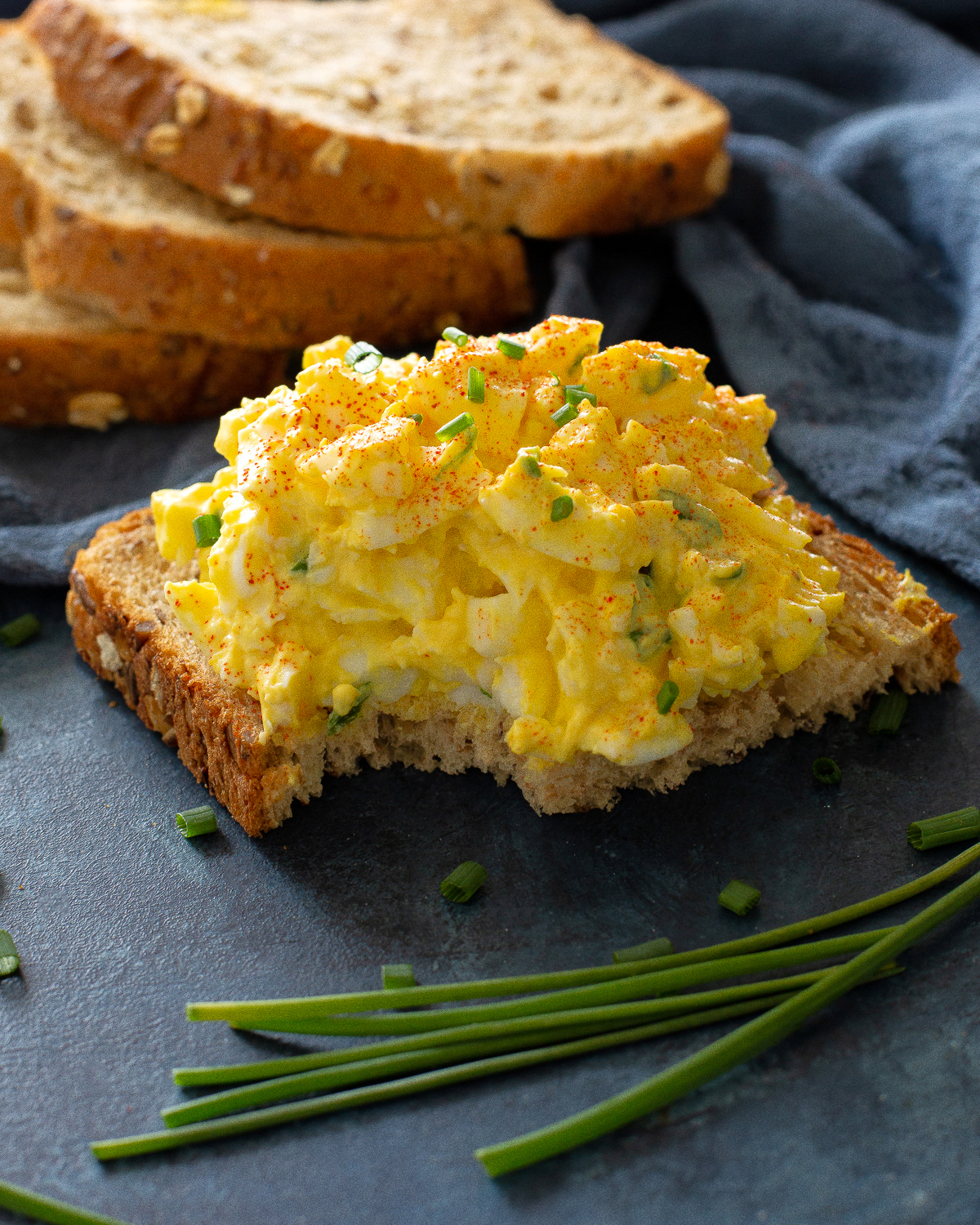
One of the enduring strengths of egg salad lies in its remarkable versatility. It serves as a foundational element for a multitude of culinary creations. Traditionally, it is most commonly enjoyed as a sandwich filling, nestled between slices of soft bread or toasted artisanal loaves. The textural contrast between the creamy egg salad and the bread is a classic pairing. Beyond sandwiches, egg salad also pairs beautifully with a variety of accompaniments. Serving it with crisp crackers offers a delightful crunch, while it can also be a flavorful addition to lettuce wraps for a lighter option. Furthermore, its savory profile makes it an excellent topping for baked potatoes, a filling for deviled eggs, or a component in more elaborate salads.
Proper storage is essential to maintain the freshness and safety of egg salad. Once prepared, it should be kept chilled in an airtight container in the refrigerator. This practice helps to preserve its quality and prevent spoilage. The recommended storage period for homemade egg salad is typically within 3 to 4 days, ensuring optimal taste and safety for consumption. Adhering to these guidelines allows for enjoyment of this versatile dish over several meals.
A Look at Related Culinary Contributions
The enduring popularity of egg salad naturally leads to an exploration of other dishes that feature eggs as a primary ingredient. The humble egg, a nutritional powerhouse, lends itself to an extraordinary range of preparations, from simple scrambled eggs to complex custards and baked goods. Recipes that highlight the versatility of eggs include omelets, frittatas, quiches, and various egg-based breakfast and brunch dishes. Each of these preparations showcases a different facet of the egg’s culinary potential, contributing to a rich and diverse gastronomic landscape.
Background and Context: The Enduring Appeal of Comfort Food
The concept of "comfort food" has gained significant traction in recent years, with consumers increasingly seeking out dishes that provide emotional as well as physical nourishment. Egg salad fits squarely within this category. Its association with home cooking, family meals, and a sense of security contributes to its status as a comfort food. In times of uncertainty or stress, familiar and well-loved dishes like egg salad can offer a grounding and reassuring experience. The current culinary climate, with its emphasis on wholesome ingredients and accessible preparation methods, further solidifies the appeal of such traditional recipes.
Nutritional Considerations
Eggs are a complete protein source, meaning they contain all nine essential amino acids that the body cannot produce on its own. They are also rich in vitamins and minerals, including vitamin D, vitamin B12, selenium, and choline, which plays a crucial role in brain health and development. While mayonnaise adds richness and flavor, it also contributes to the calorie and fat content of egg salad. Consumers mindful of their dietary intake may opt for lighter mayonnaise varieties or adjust the quantity of mayonnaise used in the recipe. The inclusion of fresh ingredients like chives and lemon juice adds beneficial vitamins and antioxidants, contributing to the overall nutritional profile of the dish.
Broader Impact and Implications
The continued presence and popularity of recipes like this classic egg salad highlight a broader trend in food consumption: a renewed appreciation for traditional dishes and a desire for authentic, home-style cooking. As food blogs and recipe websites proliferate, classic recipes are being revisited, adapted, and shared, ensuring their survival and evolution. The accessibility of ingredients and the straightforward preparation methods make egg salad an ideal dish for home cooks of all skill levels, fostering a sense of culinary empowerment and connection to food traditions. This enduring appeal suggests that while culinary innovation will undoubtedly continue, the foundational recipes that have nourished generations will always retain their significant place in our kitchens and hearts. The simple, yet profound, satisfaction derived from a well-made egg salad speaks to the enduring power of food to connect us to our past and provide comfort in the present.