
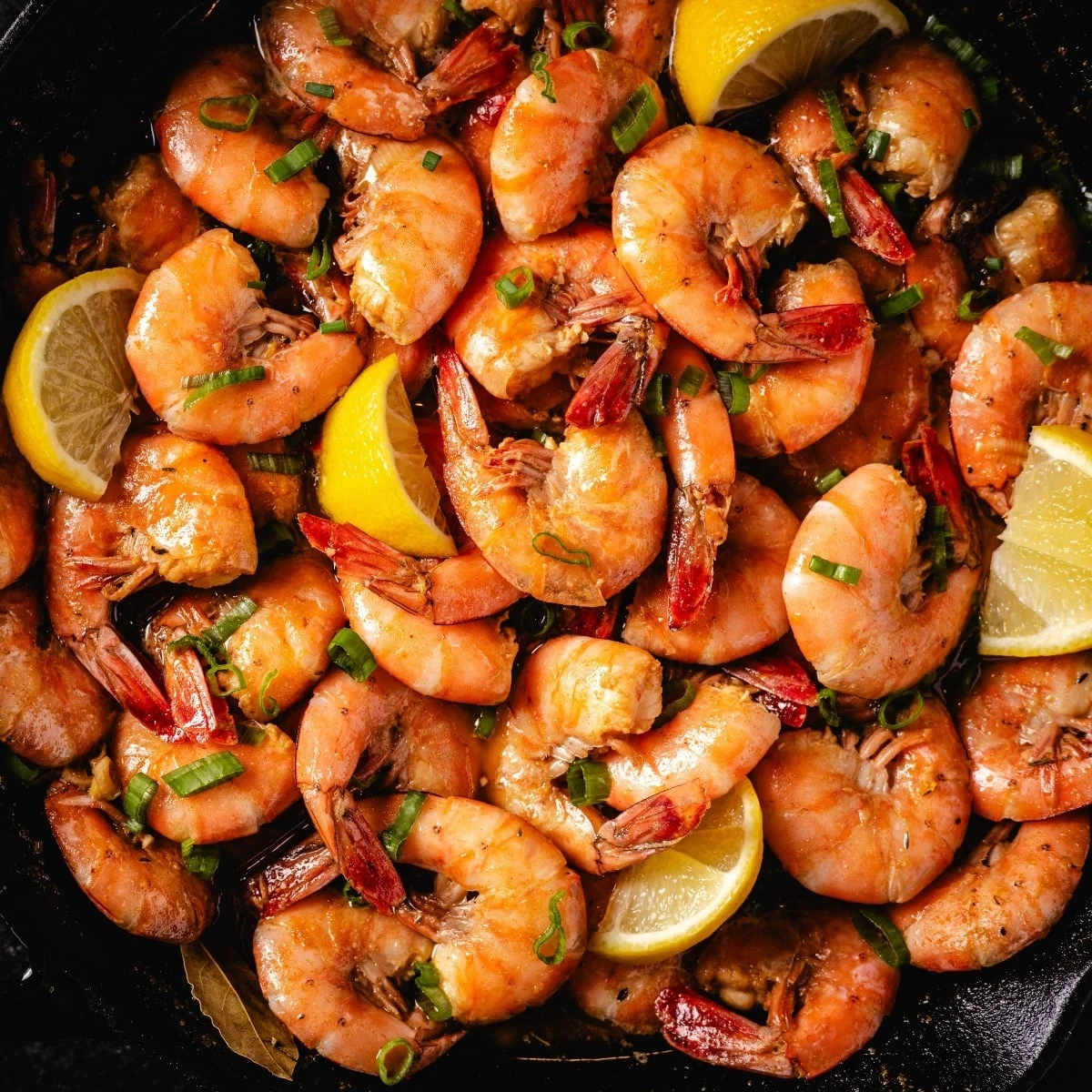
The culinary landscape of the American South is defined by its ability to merge disparate cultural influences into cohesive, iconic dishes, with New Orleans BBQ shrimp standing as a primary example of this gastronomic synthesis. Despite its name, the traditional preparation of this dish involves neither a barbecue grill nor the tomato-based sauces typically associated with American barbecue. Instead, it is defined by a decadent, peppery, butter-based sauce, traditionally prepared on a stovetop or in an oven. Recent innovations in the field of outdoor cooking, however, have seen a resurgence in efforts to integrate authentic wood-fired smoke into this Creole classic, effectively bringing the "barbecue" element back to a dish that has historically existed without it.
The Historical Genesis of New Orleans BBQ Shrimp
To understand the modern iterations of this dish, one must examine its mid-20th-century origins. Historical records attribute the creation of New Orleans BBQ shrimp to Pascal’s Manale, a legendary Italian-Creole restaurant located on Napoleon Avenue in Uptown New Orleans. According to local lore and culinary historians, the dish was first served in 1953 after a regular customer described a shrimp dish he had encountered in Chicago. The chef at Pascal’s Manale attempted to recreate it, resulting in a unique concoction of butter, black pepper, and garlic that would eventually become a staple of Louisiana cuisine.
The nomenclature "BBQ" remains a point of confusion for those outside the Gulf Coast region. In the context of New Orleans, the term refers to the color and richness of the sauce—a deep, reddish-brown hue achieved through the combination of Worcestershire sauce, spices, and the rendered fats from the shrimp shells—rather than the cooking method. For decades, the dish remained a localized delicacy, served in cast-iron skillets with massive quantities of French bread to absorb the liquid gold at the bottom of the pan.

The Technical Transition to Wood-Fired Smoking
While the stovetop method remains the gold standard in French Quarter establishments, contemporary pitmasters and outdoor cooking experts, such as Susie Bulloch of the "Hey Grill Hey" platform, have pioneered a hybrid approach. This method seeks to preserve the integrity of the original buttery emulsion while introducing the complex phenols and aromatics of wood smoke.
The process involves utilizing a smoker—often set to a temperature range of 225°F to 250°F—to infuse the raw shrimp with hickory, pecan, or fruitwood smoke. Unlike high-heat grilling, which can quickly desiccate delicate seafood, the low-and-slow smoking process allows the butter and Worcestershire-based marinade to slowly penetrate the shells. This transition represents a broader trend in American culinary arts: the "barbecue-fication" of regional classics, where traditional recipes are adapted for the burgeoning backyard smoker market, which has seen significant growth over the last decade.
The Significance of Shell-On Preparation
A critical component of the New Orleans BBQ shrimp protocol is the retention of the shell during the cooking process. From a culinary science perspective, the shell serves multiple functions. First, it acts as a protective barrier, preventing the shrimp meat from overcooking and becoming rubbery under direct heat. Second, the shells contain chitin and various amino acids that, when heated in the presence of fats like butter, undergo the Maillard reaction, contributing a deep, savory umami flavor to the surrounding broth.
Furthermore, the "messy" nature of the dish is considered an essential part of the sensory experience. The act of peeling the shrimp by hand ensures that the diner is in constant contact with the seasoned oils, intensifying the flavor profile. Culinary analysts suggest that this tactile engagement is a hallmark of communal Southern dining, fostering a slower, more social eating environment.

Quantitative Analysis of Ingredients and Nutrition
The nutritional profile of New Orleans BBQ shrimp reflects its status as a celebratory, indulgent meal. A standard serving, as outlined in modern adaptations, contains approximately 444 calories. The distribution of macronutrients is heavily weighted toward fats, with an estimated 46 grams per serving, of which 29 grams are saturated. This high fat content is primarily derived from the extensive use of unsalted butter, which serves as the vehicle for the Cajun aromatics.
From a micro-nutrient perspective, the dish provides a significant amount of Vitamin A (1534 IU) and Vitamin C (35 mg), largely due to the inclusion of lemon juice and specific spice blends. However, the sodium content is notably high, often exceeding 600 mg per serving, necessitated by the inclusion of Worcestershire sauce and Creole seasonings. This profile underscores the dish’s role in the "comfort food" category, where caloric density and flavor impact are prioritized over lean nutritional metrics.
The Economic Impact of the Gulf Shrimp Industry
The continued popularity of dishes like New Orleans BBQ shrimp is inextricably linked to the economic health of the Gulf of Mexico’s shrimping industry. Louisiana is the largest producer of shrimp in the United States, with the industry contributing over $1.3 billion annually to the state’s economy. The preference for "jumbo" or "colossal" shrimp in BBQ recipes drives demand for larger species, such as the Brown Shrimp (Farfantepenaeus aztecus) and White Shrimp (Litopenaeus setiferus).
Market data suggests that the rise of digital recipe sharing and outdoor cooking influencers has helped stabilize demand for domestic shrimp amidst increasing competition from imported, farm-raised alternatives. By emphasizing the superior flavor and texture of wild-caught, shell-on Gulf shrimp, culinary educators provide a direct support mechanism for regional fisheries.

Step-by-Step Chronology of the Modern Smoked Variant
The execution of a smoked New Orleans BBQ shrimp recipe follows a precise chronological order to ensure the delicate seafood is not compromised:
- Preparation of the Aromatics: The process begins with the creation of a "flavor base," typically involving melted butter, minced garlic, lemon juice, Worcestershire sauce, and a proprietary blend of Cajun spices (often including paprika, cayenne, and dried oregano).
- Seafood Integration: Fresh, head-on or head-off (but shell-on) shrimp are tossed in a cast-iron skillet or heavy-bottomed pan with the butter mixture.
- The Smoking Phase: The skillet is placed on a preheated smoker. Unlike stovetop cooking, which relies on conduction, the smoker utilizes convection and radiation to cook the shrimp while the smoke particles adhere to the fats in the sauce.
- Monitoring and Agitation: The shrimp are typically stirred once or twice during the 20-to-30-minute cooking window to ensure even exposure to both the heat and the smoke.
- Finishing: The dish is removed once the shrimp have turned opaque and reached an internal temperature of approximately 145°F. It is immediately garnished with fresh parsley and served with toasted crusty bread.
Cultural Implications and the Global Reach of Creole Cuisine
The adaptation of New Orleans BBQ shrimp for the modern grill illustrates the fluid nature of American foodways. What began as an Italian-influenced experiment in a New Orleans kitchen has evolved into a symbol of Louisiana’s culinary identity, eventually reaching global audiences through digital media. The "Hey Grill Hey" iteration of the recipe, authored by Susie Bulloch, exemplifies how professional pitmasters are now serving as the new gatekeepers of regional traditions, translating localized techniques for a globalized audience of home cooks.
Industry experts observe that this democratization of specialized recipes has led to a "BBQ Renaissance." Consumers are no longer satisfied with simple grilled meats; they seek the complex, layered flavors of regional specialties like those found in the French Quarter. This shift has broader implications for the appliance industry, as demand for versatile smokers and pellet grills continues to rise among hobbyist cooks seeking to replicate restaurant-quality results at home.
Concluding Analysis
New Orleans BBQ shrimp remains a masterclass in the balance of acidity, fat, and spice. Whether prepared in the traditional kitchens of Uptown New Orleans or on a high-tech wood-pellet smoker in a suburban backyard, the dish’s core identity remains unchanged: it is an unapologetically bold, messy, and flavor-forward celebration of Gulf Coast resources. The integration of actual smoke into the recipe does not represent a departure from tradition, but rather a completion of the dish’s linguistic promise, finally uniting the "BBQ" name with the BBQ method. As culinary boundaries continue to blur, such fusions ensure that regional classics remain relevant, accessible, and, most importantly, a staple of the American dinner table.