
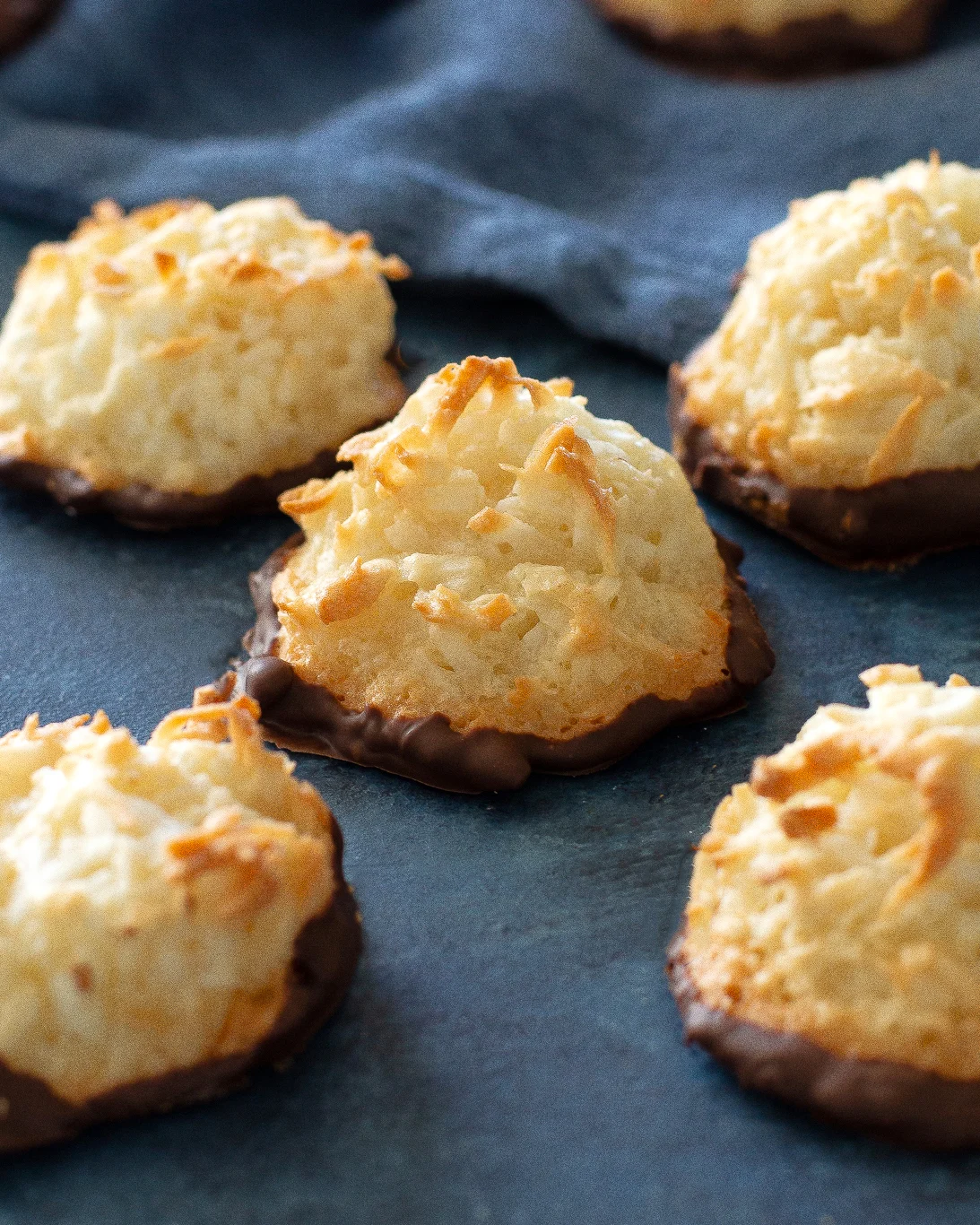
Coconut macaroons, those delightful, bite-sized confections, represent a fascinating intersection of culinary tradition and accessible indulgence. Characterized by their core ingredients of shredded coconut, sugar, egg whites, and flour, these cookies offer a satisfying textural contrast: a crisp exterior that gives way to a tender, chewy interior. Often enhanced with a decadent dip in melted chocolate, macaroons have solidified their place as a versatile dessert, particularly finding favor during celebratory occasions like Easter.
The simplicity of the macaroon’s ingredient list belies a nuanced baking process that has seen variations emerge over time. While many recipes historically incorporate sweetened condensed milk, an alternative approach utilizing egg whites has been explored and validated for its ability to produce a distinctly chewy texture. This exploration highlights a continuous refinement within home baking, where cooks seek to optimize both flavor and mouthfeel. The distinction between macaroons and their French counterpart, macarons, is also a point of common interest for those venturing into the world of meringue-based sweets. Pronounced "mack-a-roon," the American macaroon is distinct from the delicate French macaron ("mac-a-rohn"), which are sandwich cookies filled with buttercream, ganache, or jam.
Historical Context and Culinary Roots
The origins of the macaroon are somewhat debated, with roots often traced back to Italy in the 8th or 9th century. Early iterations were simpler, often featuring almond flour as the primary base. Over centuries, as culinary practices spread across Europe and eventually to the Americas, ingredients and techniques evolved. The incorporation of coconut is a more modern development, particularly gaining traction in American baking where it has become the defining characteristic of the popular "coconut macaroon." This shift reflects broader trends in ingredient availability and consumer preference, with coconut offering a distinct tropical flavor and a unique textural element that sets it apart from its almond-based ancestors.
The rise of coconut macaroons in the United States can be partly attributed to the increasing availability of shredded coconut in the early to mid-20th century. As food processing and distribution networks expanded, this once exotic ingredient became a pantry staple, enabling home bakers to experiment with new recipes. The macaroon, with its straightforward preparation, proved to be an ideal vehicle for showcasing the sweet, slightly tropical notes of coconut. Its inherent chewiness and ability to hold its shape made it a reliable choice for bakers of all skill levels.
The Easter Connection: A Seasonal Staple
The association of coconut macaroons with Easter is a tradition that has taken root in many households. The light, sweet nature of the cookie, coupled with its often pale, inviting appearance, lends itself well to the spring festivities. While not as overtly symbolic as some other Easter treats, the macaroon’s popularity during this period speaks to its versatility and its ability to complement a wider array of celebratory foods. Its relatively simple preparation also makes it a favored choice for family baking projects, often involving children in the mixing and shaping process.
The appeal of the macaroon during Easter can also be linked to the broader trend of seasonal baking. As calendars turn to spring, there is a collective shift towards lighter, brighter flavors and visually appealing desserts. The coconut macaroon, with its inherent sweetness and customizable aesthetic (especially when dipped in chocolate), fits this seasonal palate perfectly. It offers a comforting yet sophisticated treat that can be enjoyed at brunch, as an afternoon pick-me-up, or as a delightful addition to an Easter dessert table.
Decoding the Ingredients: The Science of Chewy Texture
The key to achieving the signature chewy interior of a coconut macaroon lies in the balance of its core components: coconut, sugar, egg whites, and flour. Shredded coconut, particularly sweetened varieties, provides both the primary flavor and a significant portion of the cookie’s structure. Sugar not only contributes sweetness but also plays a crucial role in moisture retention, contributing to the chewy texture. Egg whites act as a binder, helping to hold the ingredients together, and their protein content coagulates during baking, contributing to the cookie’s crisp exterior. Flour, used in smaller quantities, provides additional structure without making the macaroon dense.
The debate between using sweetened condensed milk and egg whites in macaroon recipes often comes down to subtle differences in the final product. Sweetened condensed milk, with its high sugar and milk solids content, can contribute to a richer, more caramel-like flavor and a very moist, dense chew. Recipes utilizing egg whites, however, tend to produce a lighter macaroon where the coconut flavor is more pronounced, and the chew is often described as more distinct and less fudgy. The choice between these methods often comes down to personal preference and the desired end result, showcasing the adaptability of the macaroon itself.
Beyond the Basic: Variations and Enhancements
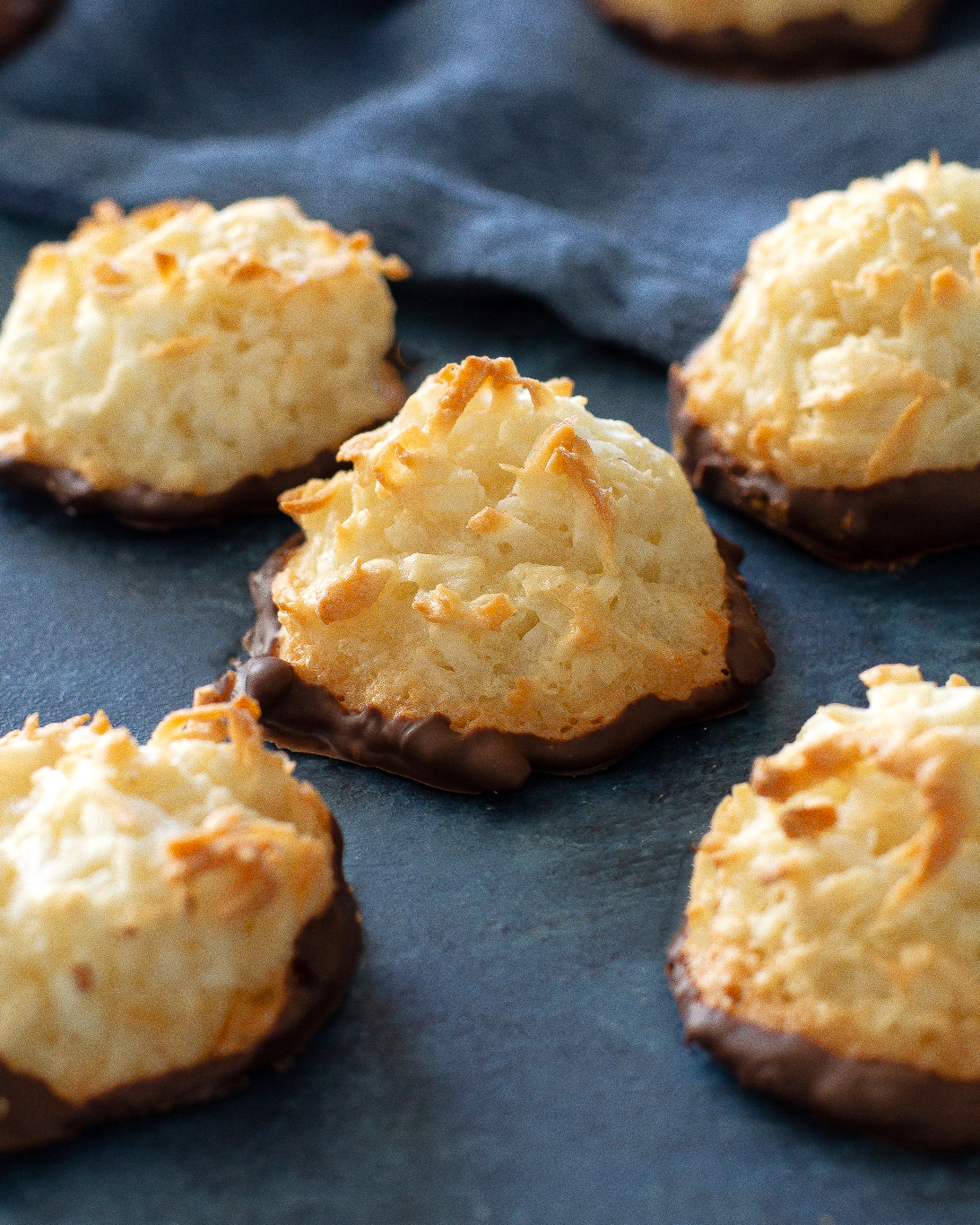
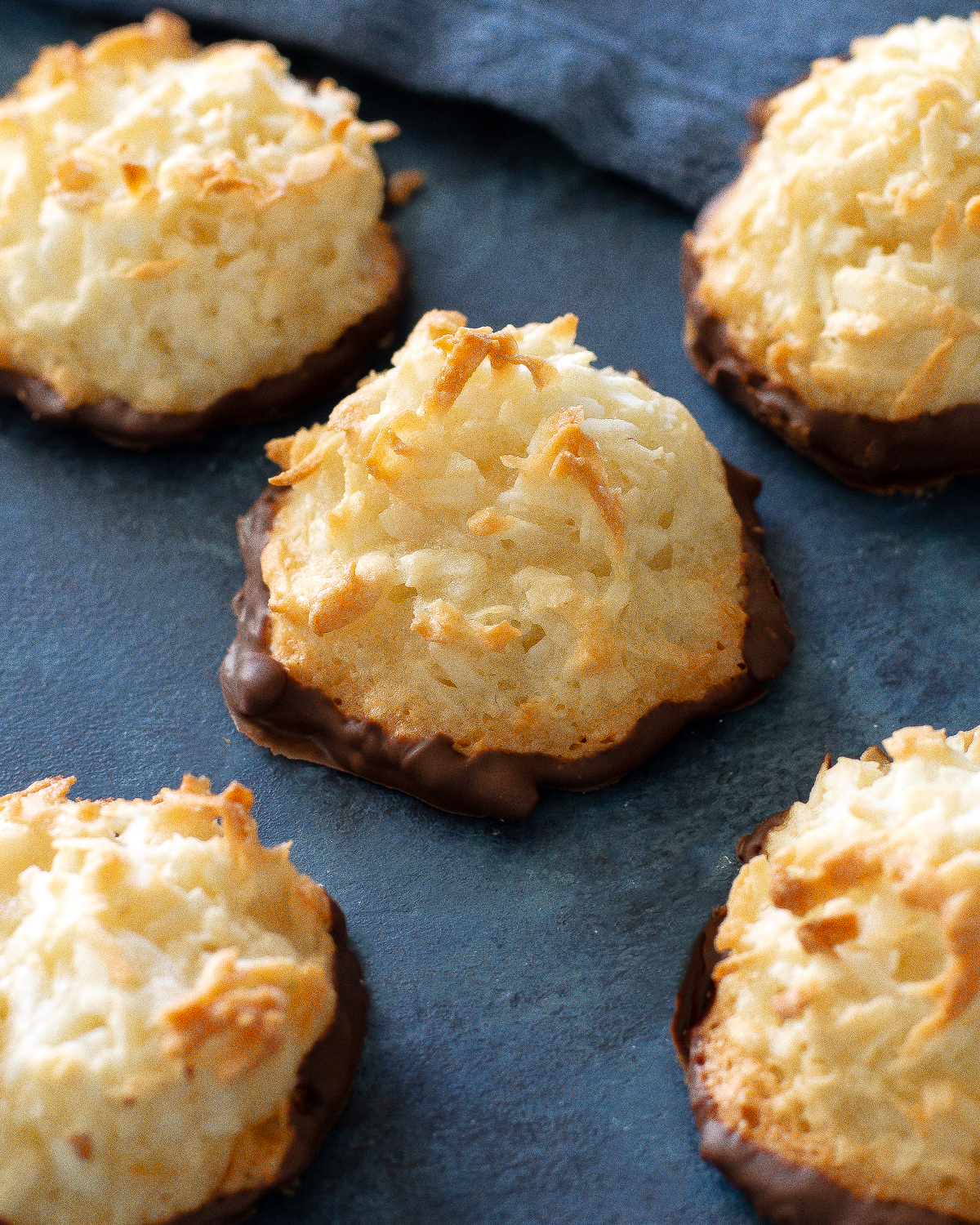
While the classic coconut macaroon is a beloved treat on its own, culinary creativity has led to numerous variations. The most common enhancement is the aforementioned chocolate dip. Dark, milk, or white chocolate can be used, adding a layer of richness and visual appeal. The contrast between the sweet, chewy macaroon and the slightly bitter or creamy chocolate is a popular combination.
Further innovations include the addition of flavor extracts, such as vanilla or almond, to deepen the cookie’s aroma and taste. Some recipes incorporate citrus zest, like lemon or lime, to add a bright, refreshing counterpoint to the sweetness. For those seeking a more complex flavor profile, spices like cinnamon or nutmeg can be introduced. Even the type of shredded coconut can be varied, with unsweetened coconut offering a less sweet base for those who prefer to control the sugar content more precisely. These variations demonstrate the enduring adaptability of the macaroon, allowing it to evolve with changing tastes and culinary trends.
Broader Impact and Consumer Engagement
The enduring popularity of coconut macaroons speaks to a broader trend in the culinary landscape: the appreciation for simple, satisfying desserts that can be both homemade and commercially produced. In an era of complex patisserie, the macaroon offers an accessible entry point into baking, providing a sense of accomplishment for novice bakers. Its consistent appeal also makes it a reliable offering for bakeries and cafes, where its comforting familiarity draws customers.
The digital age has further amplified the macaroon’s reach. Recipe-sharing platforms, food blogs, and social media channels are replete with variations and tutorials, making it easier than ever for individuals to find and recreate this classic cookie. This widespread dissemination of recipes fosters a sense of community among home bakers and contributes to the ongoing evolution of the macaroon itself, as new interpretations and techniques are shared and adopted. The engagement with such recipes often goes beyond mere consumption, fostering a deeper connection with food and the joy of creating something delicious from scratch. The visual appeal of perfectly formed and decorated macaroons also lends itself well to platforms like Instagram and Pinterest, further fueling their popularity.
In conclusion, the coconut macaroon, a seemingly simple cookie, represents a rich tapestry of culinary history, adaptability, and enduring appeal. From its humble origins to its status as a beloved seasonal treat and a canvas for endless variations, the macaroon continues to delight palates and inspire bakers worldwide. Its journey underscores the power of simple ingredients and straightforward techniques to create lasting culinary treasures.