
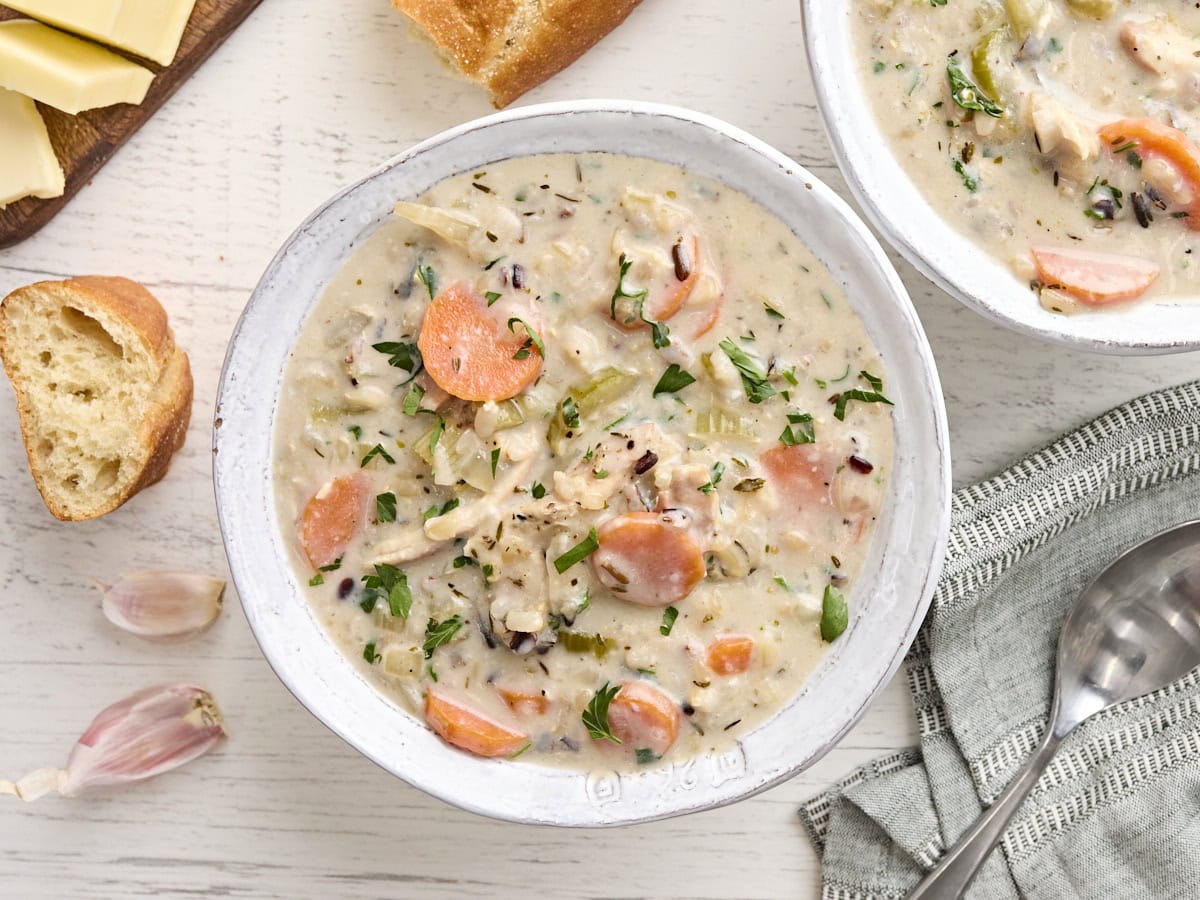
The Nashville Test Kitchen has officially released its updated and rigorously tested version of the Creamy Chicken and Rice Soup, a culinary staple that has remained a cornerstone of budget-conscious home cooking since its original debut in 2011. As households across the United States face fluctuating grocery prices and a renewed interest in "from-scratch" meal preparation, this specific recipe serves as a case study in how traditional comfort foods are being re-engineered for efficiency, nutrition, and affordability. The 2025 iteration of the soup emphasizes a one-pot methodology that minimizes utility costs and cleanup time while maximizing the flavor profile through a slow-simmered base and a traditional roux-based thickening agent.
Culinary Framework and Methodological Overview
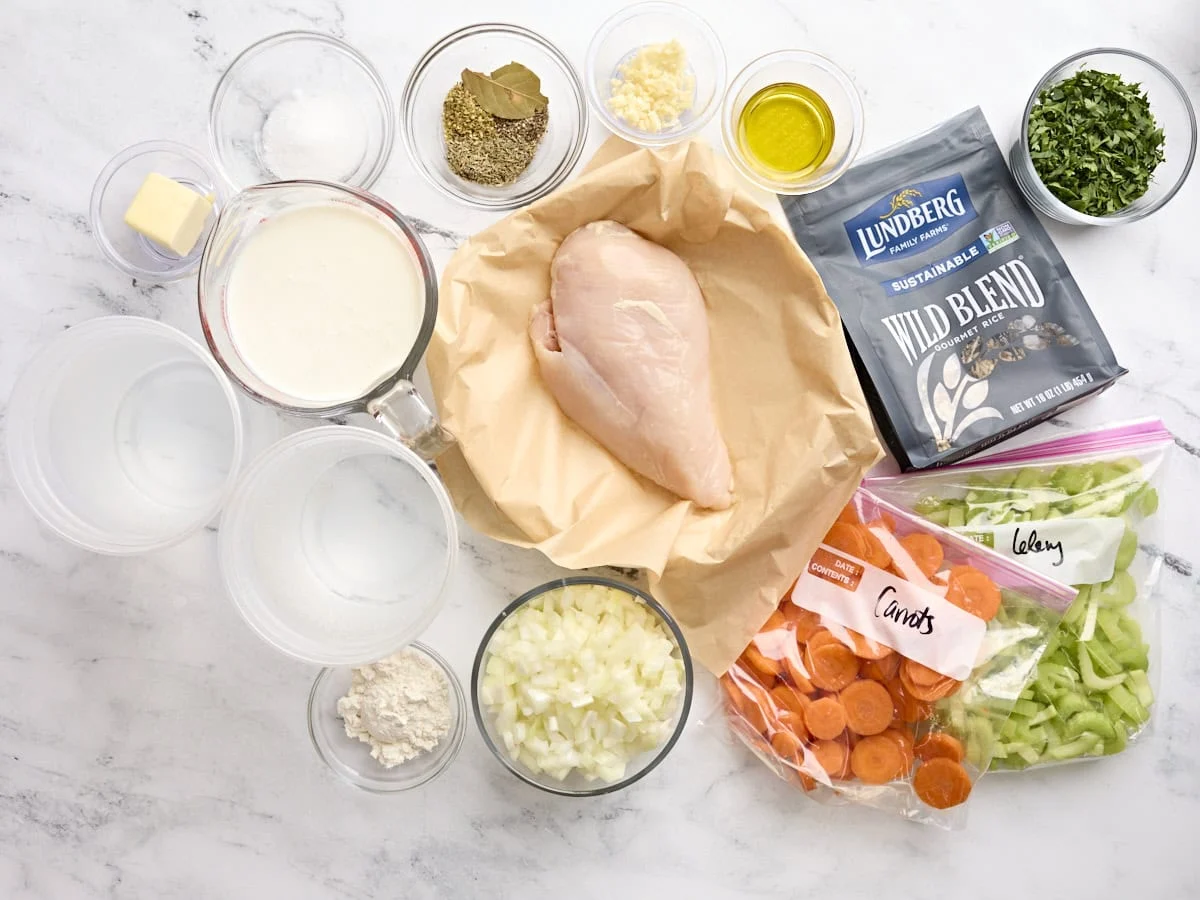
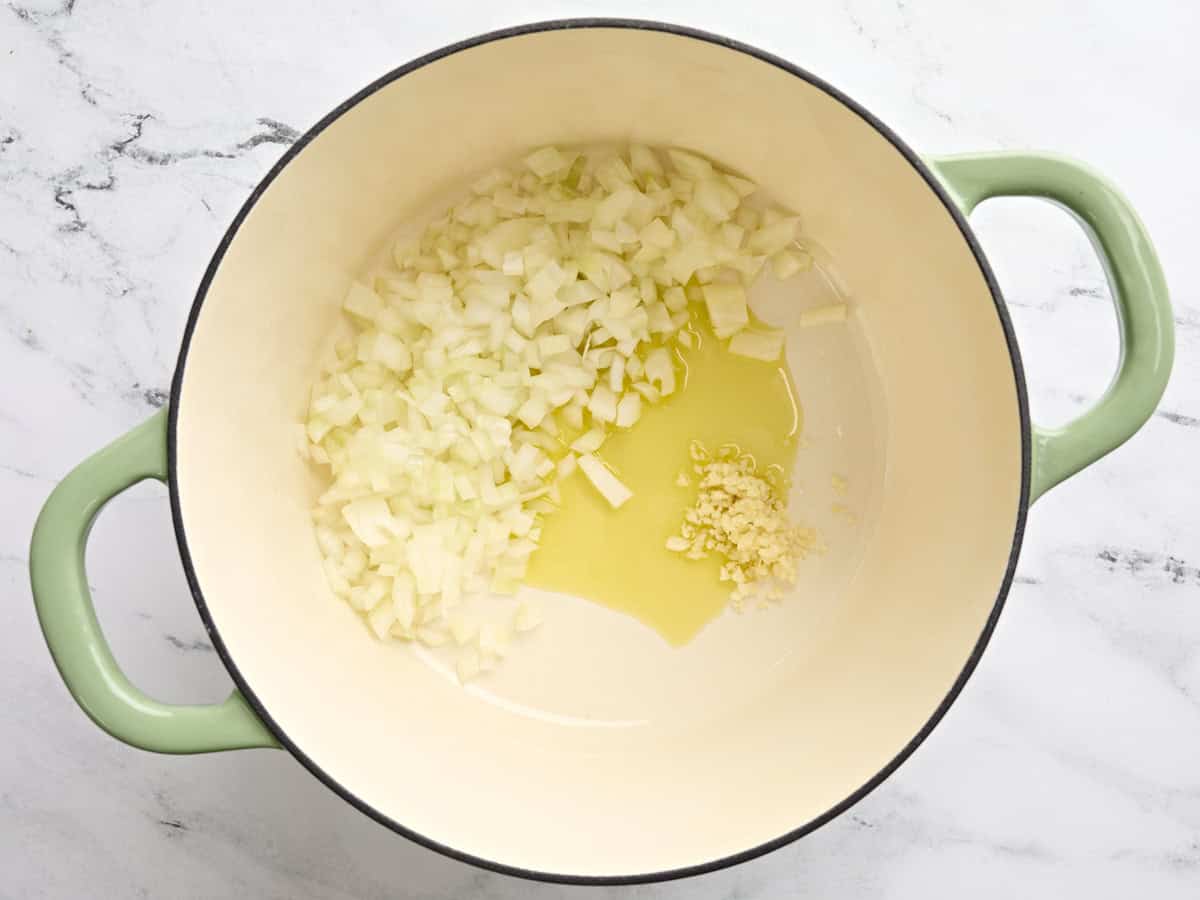
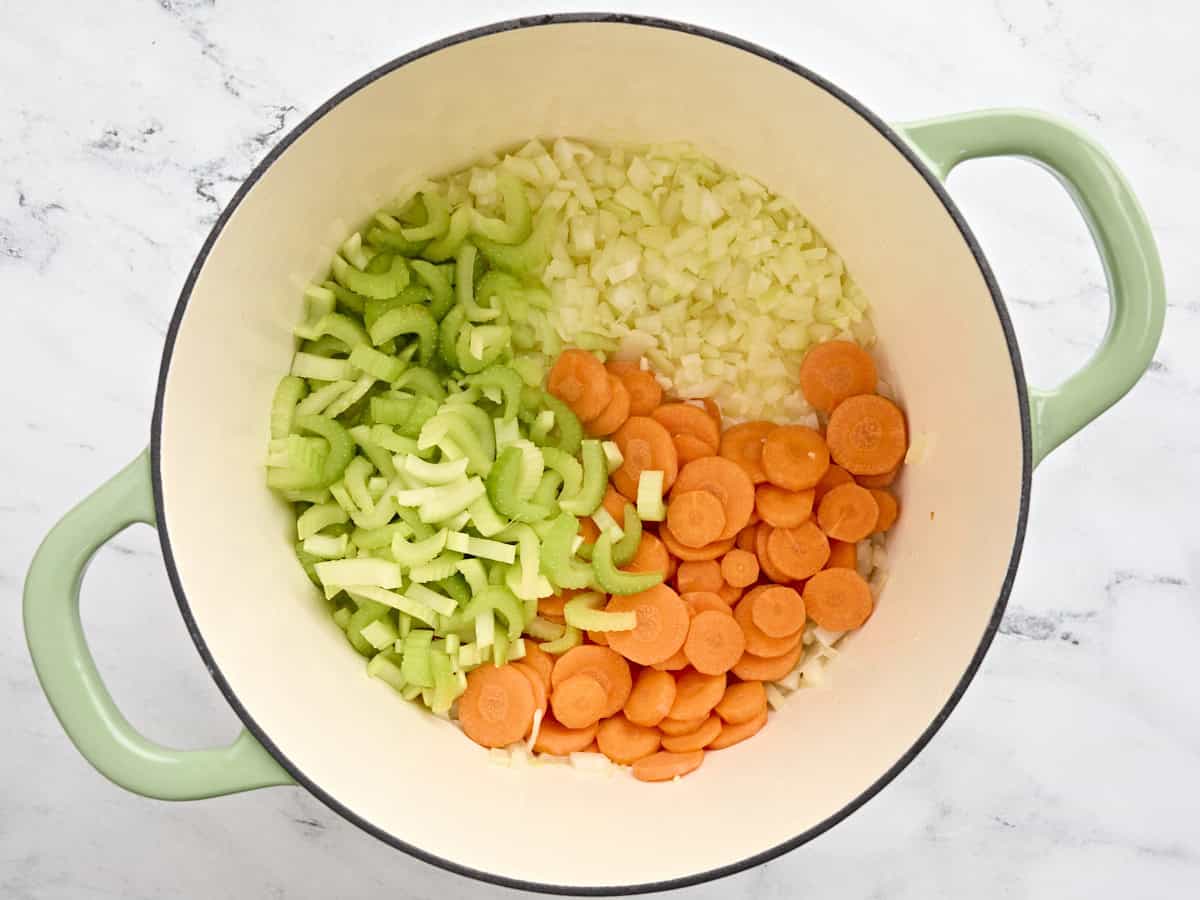
The Creamy Chicken and Rice Soup is structurally designed as a "complete meal in a bowl," balancing the three primary macronutrients: proteins, carbohydrates, and fats. Unlike many contemporary quick-fix recipes that rely on pre-packaged sodium-heavy broths, this version builds its own foundational stock directly in the pot. This process begins with a mirepoix—a traditional French aromatics base consisting of onions, carrots, and celery—sautéed in olive oil to release essential sugars and flavors.
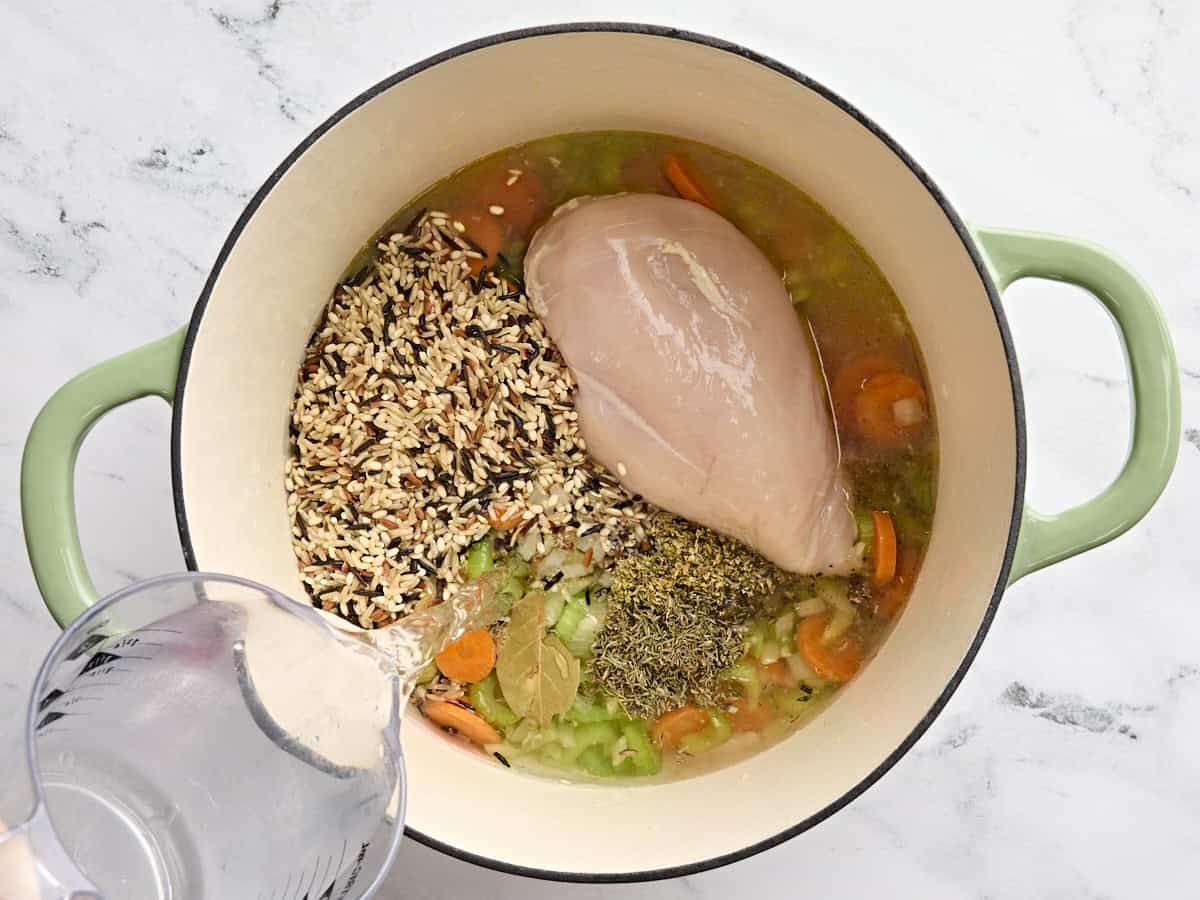
The inclusion of wild rice serves a dual purpose. From a culinary perspective, wild rice provides a hearty, nutty texture that resists becoming mushy during the extended one-hour simmering process required to tenderize the chicken. From a nutritional standpoint, wild rice is technically a semi-aquatic grass, offering higher protein and fiber content compared to standard white rice. The recipe calls for one pound of chicken breast, which is poached directly in the simmering liquid alongside the rice and vegetables. This technique ensures the poultry remains moist while simultaneously infusing the cooking water with collagen and protein, effectively creating a homemade stock without the added expense of store-bought cartons.
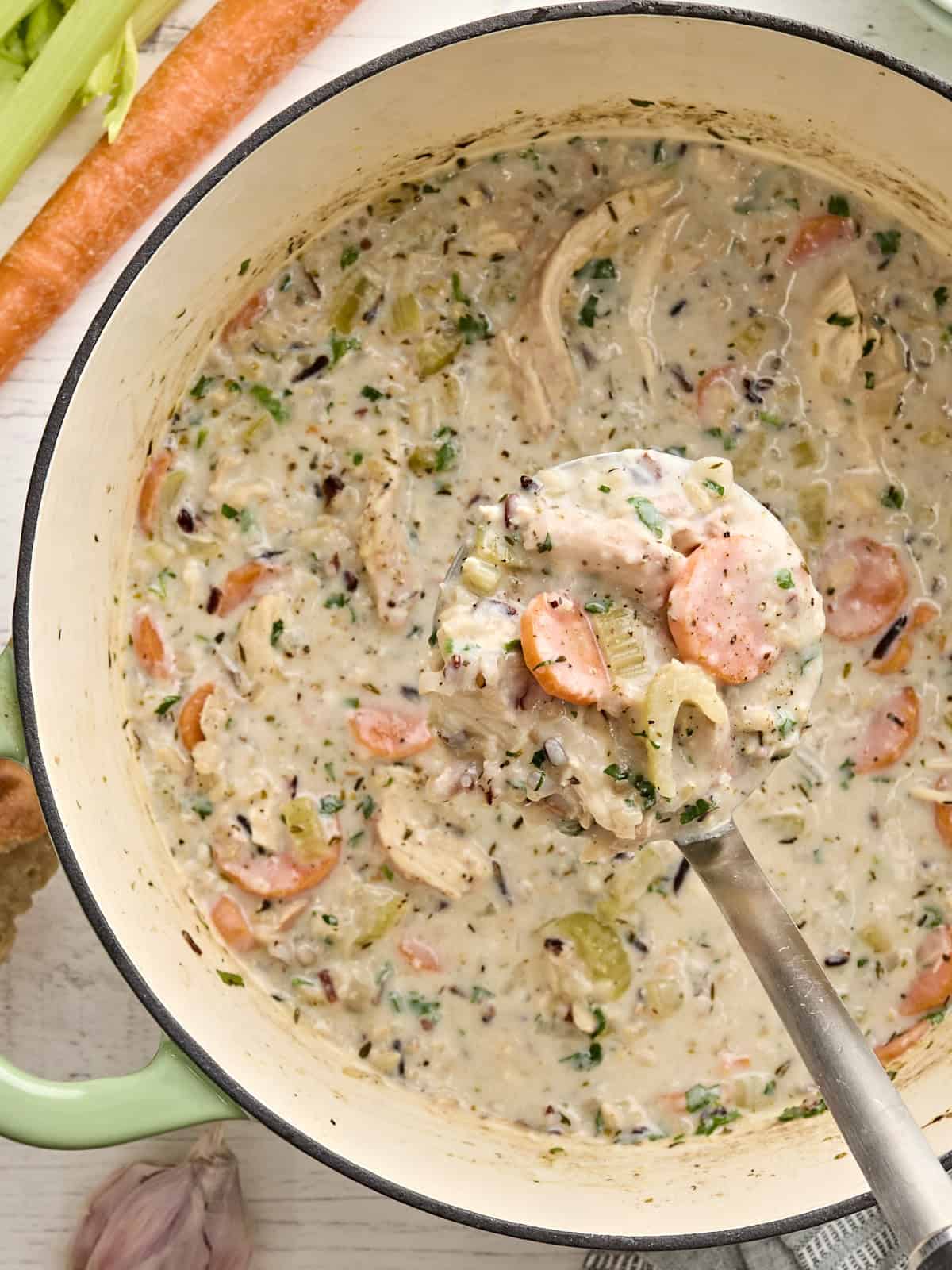
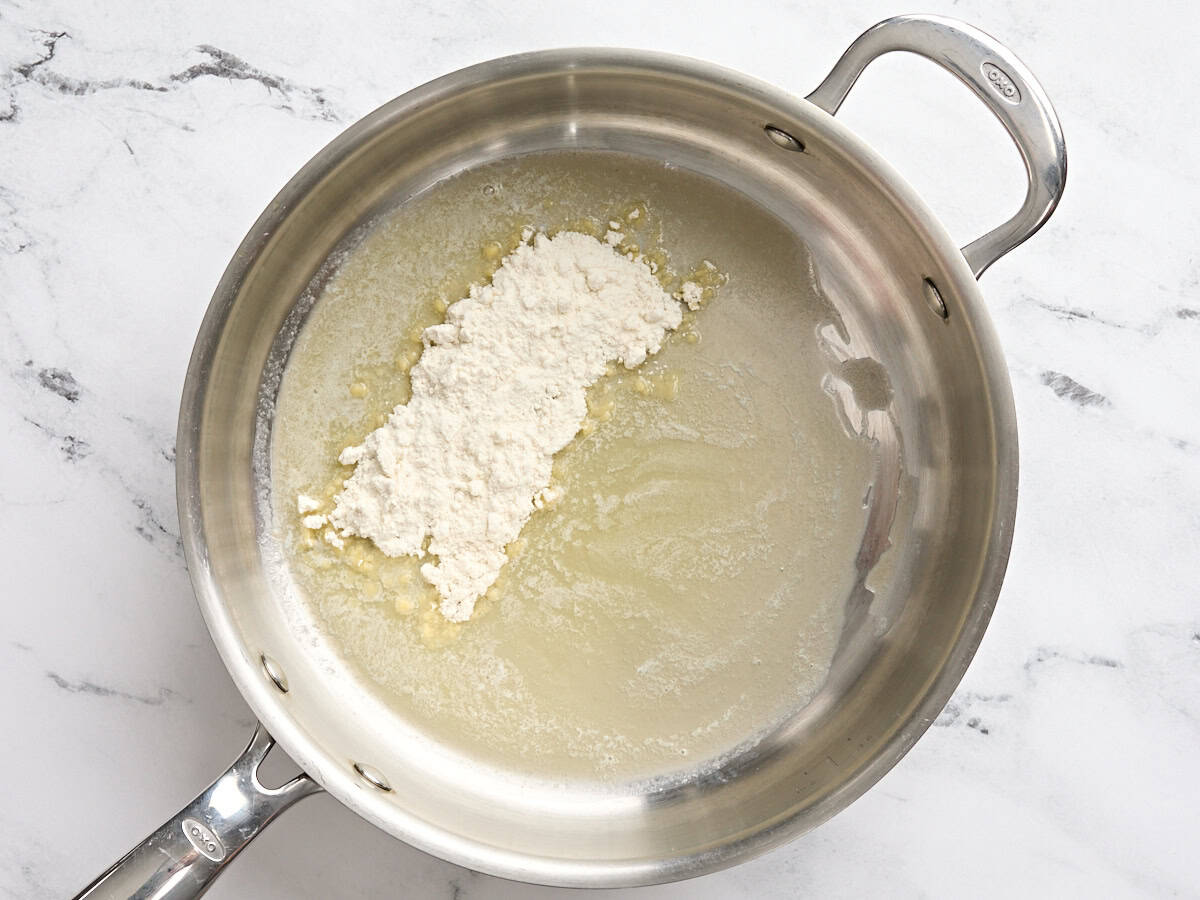
To achieve the "creamy" designation without the heavy caloric load of heavy cream, the Nashville Test Kitchen utilizes a secondary thickening process. Near the conclusion of the simmering period, a roux is prepared using equal parts butter and all-purpose flour, which is then tempered with whole milk. This creates a velvety texture that, when integrated into the main pot, provides a luxurious mouthfeel while maintaining a relatively low calorie count of 241 kcal per 1.25-cup serving.
A Chronology of Recipe Development: 2011 to 2025
The history of this recipe reflects broader trends in the digital food media landscape. Originally published on October 22, 2011, the Creamy Chicken and Rice Soup was born during the aftermath of the 2008 financial crisis, a period when "budget cooking" transitioned from a niche necessity to a mainstream lifestyle choice. Over the subsequent fourteen years, the recipe underwent multiple iterations based on user feedback and advancements in food science.

On October 13, 2025, the recipe was republished following a comprehensive "retesting and reworking" phase. This update was necessitated by several factors, including changes in standard package sizes for poultry and grains, as well as a shift in consumer preference toward "one-pot" meals that reduce the carbon footprint associated with multi-burner stove usage. The Nashville Test Kitchen, led by founder Beth Moncel, utilized meticulous "number crunching" to ensure the recipe remained economically viable in a post-inflationary market.
Economic Analysis and Cost-Per-Serving Data
A critical component of the Nashville Test Kitchen’s mission is the transparent calculation of recipe costs. As of the 2025 update, the total cost for a batch of Creamy Chicken and Rice Soup—which yields eight generous servings—is approximately $9.55. This breaks down to an estimated $1.19 per serving, placing it firmly within the "Under $1.50 per serving" category of affordable dining.
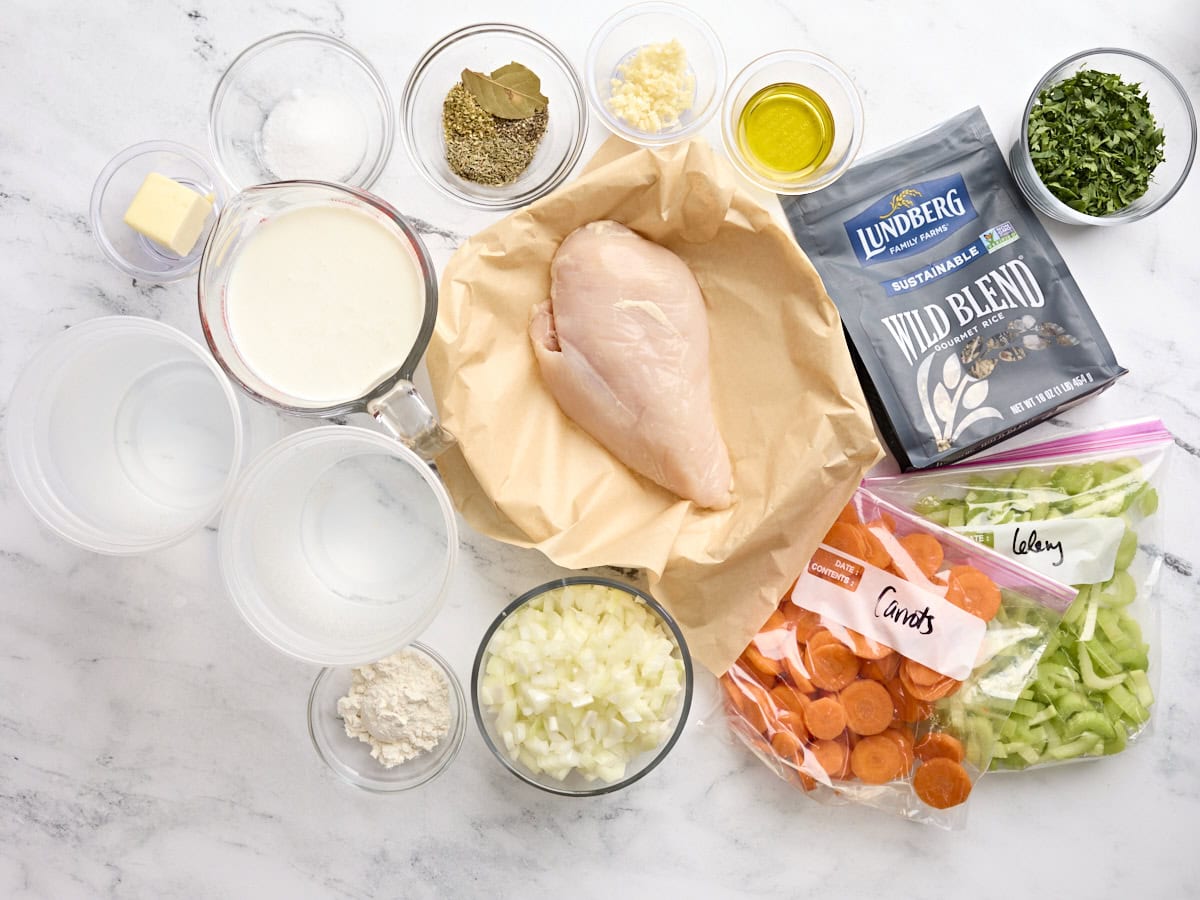
Data provided by the kitchen indicates that the primary cost drivers are the chicken breast and the wild rice mix. However, the recipe offers significant "cost-avoidance" benefits. By utilizing water and dried herbs (thyme, oregano, and bay leaves) to create a flavor base, the consumer saves approximately $3.00 to $4.00 that would otherwise be spent on high-quality organic chicken broth. Furthermore, the use of whole milk and a flour-based roux is significantly more cost-effective than purchasing heavy cream or canned "cream of" soups, which often contain preservatives and stabilizers.
The economic impact of such recipes extends beyond the individual household. As more consumers opt for "from-scratch" cooking, there is a measurable shift in grocery demand toward raw ingredients (carrots, onions, celery, bulk grains) and away from ultra-processed goods. This trend is often cited by economic analysts as a "bottom-up" approach to managing household inflation.
Nutritional Profile and Health Implications
The Creamy Chicken and Rice Soup is positioned as a nutritionally dense option for families. A breakdown of the 241-calorie serving reveals a balanced distribution of nutrients:
- Protein (18g): Providing 36% of the daily recommended value, the high protein content supports muscle maintenance and satiety.
- Carbohydrates (24g): Sourced primarily from wild rice and vegetables, these provide sustained energy release.
- Fiber (3g): Essential for digestive health, derived from the carrot and celery skins and the whole-grain nature of wild rice.
- Sodium (436mg): At 19% of the daily value, this is significantly lower than commercial canned soups, which often exceed 800mg per serving.
The inclusion of fresh parsley at the final stage of cooking adds a burst of Vitamin C and Vitamin K, while the use of cracked black pepper and optional cayenne pepper introduces piperine and capsaicin, compounds known for their metabolic and anti-inflammatory properties.
Consumer Reception and Social Proof
The longevity of the recipe is bolstered by significant "social proof." User testimonials, such as those from long-term followers like "Virginia," highlight a recurring theme: the recipe’s ability to convert "non-soup lovers" into enthusiasts. Virginia noted, "I’ve literally been making this recipe for years… I don’t love soup or chicken soup but this one is so good that I keep coming back to it."
This sentiment is echoed across digital platforms, where the recipe has garnered high ratings for its simplicity and "cozy" factor. The Nashville Test Kitchen’s rigorous testing process—ensuring that the instructions are "easy, affordable, and delicious"—has created a high level of trust between the creator and the consumer. This trust is vital in an era of "AI-generated" recipes that often lack practical testing in real-world kitchen environments.
Storage, Sustainability, and Waste Reduction
In the context of modern sustainability, the Creamy Chicken and Rice Soup excels in food waste management. The recipe encourages the use of "half bunches" of celery and "half pounds" of carrots, which can often be sourced from the "odds and ends" of a refrigerator’s crisper drawer.
Furthermore, the storage guidelines provided by the Nashville Test Kitchen address the realities of modern busy schedules. The soup maintains its integrity in the refrigerator for 3-4 days. While the rice continues to absorb liquid during storage—a common characteristic of starch-based soups—the instructions provide a simple solution: adding a splash of broth or water during reheating to restore the original consistency.
Regarding freezing, the analysis is factual and objective. While creamy soups can undergo texture changes during the thawing process due to the breakdown of the dairy emulsion, the kitchen suggests that it remains a viable option for long-term storage (up to 3 months) if stored in airtight, freezer-safe containers.
Broader Implications for the Home Cooking Industry
The success of the Creamy Chicken and Rice Soup reflects a broader cultural shift toward "domestic efficiency." As the cost of dining out continues to rise, recipes that offer a "restaurant-quality" experience for less than $2.00 per person are becoming essential tools for financial stability.

The Nashville Test Kitchen’s approach—combining the science of food (the roux, the poaching temperature) with the art of budgeting—represents a new frontier in culinary education. By focusing on "staple" recipes that do not require specialized equipment or exotic ingredients, they are democratizing high-quality nutrition.
In conclusion, the 2025 update of the Creamy Chicken and Rice Soup is more than just a seasonal meal suggestion. It is a refined culinary blueprint that addresses the intersection of economics, health, and comfort. As "soup weather" becomes a seasonal fixture for many, this recipe stands as a testament to the enduring power of well-tested, budget-friendly home cooking. The implications are clear: with the right techniques and a focus on whole ingredients, the average household can significantly improve its nutritional intake and financial health, one bowl at a time.