
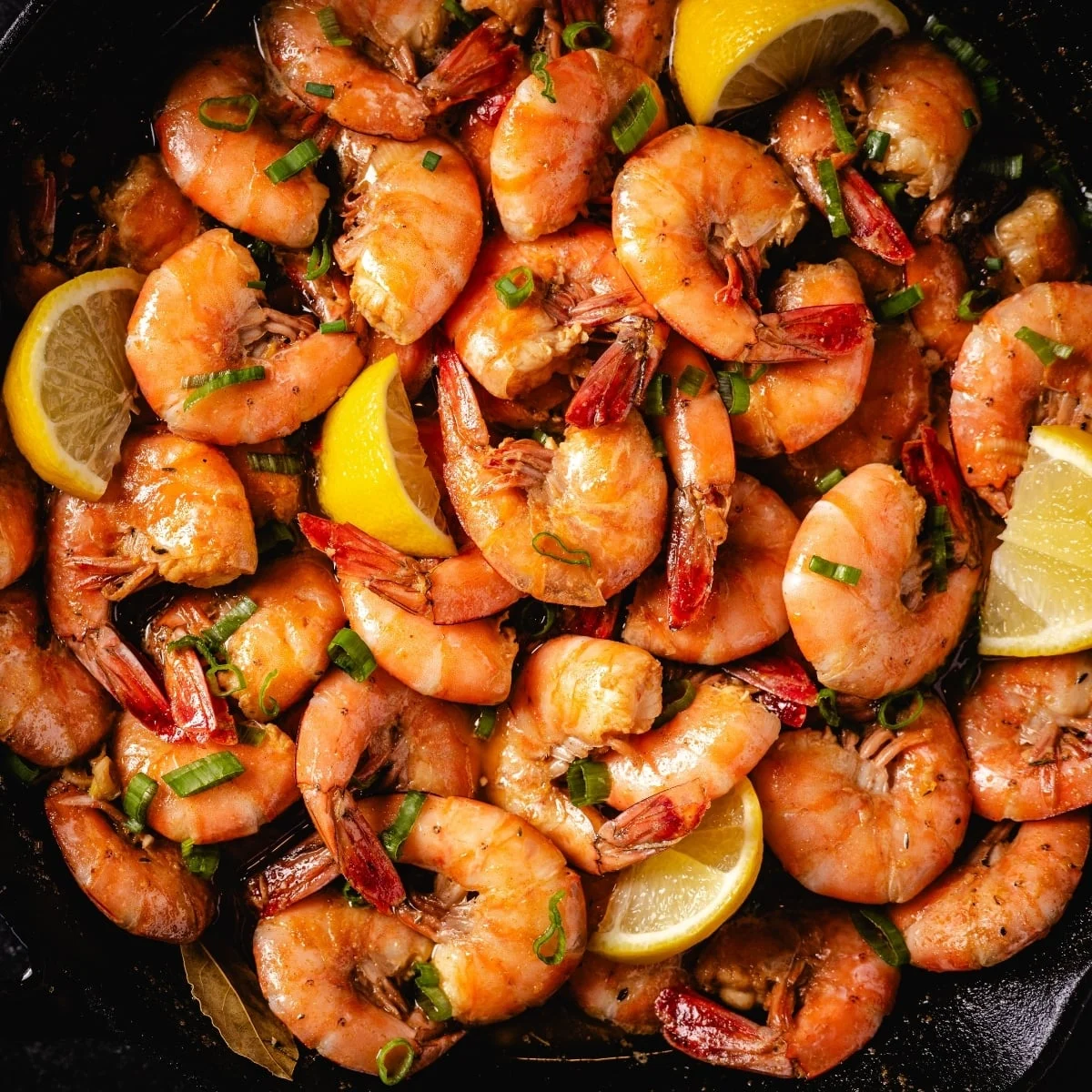
The gastronomic landscape of the American South is defined by its ability to blend cultural influences into distinct, regionally recognized staples, among which New Orleans BBQ shrimp remains one of the most celebrated and frequently misunderstood preparations. Despite its nomenclature, the dish involves no traditional barbecue sauce or pit-smoking techniques in its original form; rather, it is a decadent, butter-based sauté characterized by high concentrations of black pepper, garlic, Worcestershire sauce, and lemon. Recently, culinary innovators have begun bridging the gap between this Creole classic and traditional wood-fired cooking, introducing smoke profiles to a dish that has remained largely unchanged since the mid-20th century. This shift reflects a broader trend in American home cooking where traditional indoor recipes are being adapted for the pellet grill and smoker, offering a fusion of deep-seated regional flavors with modern outdoor culinary technology.
Historical Context and the BBQ Misnomer
To understand the contemporary adaptation of New Orleans BBQ shrimp, one must first examine its origins, which are widely attributed to Pascal’s Manale restaurant in Uptown New Orleans. Established in 1913, the restaurant introduced the dish in the mid-1950s after a regular customer described a shrimp dish he had encountered in Chicago. The chef at Pascal’s Manale attempted to recreate it, resulting in a unique pan-sauce preparation that relied heavily on butter and spices. The "barbecue" label was applied not to describe the cooking method, but likely to evoke the rich, dark, and spicy nature of the sauce, which mimicked the intensity of traditional barbecue without utilizing its ingredients.

For decades, the standard preparation remained consistent: head-on, shell-on jumbo shrimp submerged in a sauce that is essentially a spicy emulsification of butter and fats. The dish became a symbol of New Orleans’ "messy" dining culture, necessitating the use of bibs and large quantities of French bread to absorb the residual liquid. The transition of this dish from the commercial kitchen to the backyard smoker represents a significant evolution in its chronology, as home cooks seek to add a literal "barbecue" element—smoke—to a dish that previously held the name only in spirit.
Technical Analysis of the Smoked Adaptation
The adaptation of New Orleans BBQ shrimp for the smoker, as popularized by culinary experts like Susie Bulloch of Hey Grill Hey, involves a precise methodology designed to maintain the integrity of the shrimp while layering flavor. In this version, the traditional stovetop or oven-roasting method is replaced by indirect heat at temperatures typically ranging from 350°F to 400°F. This temperature range is critical; it is high enough to cook the shrimp quickly—preventing a rubbery texture—while allowing the wood smoke to penetrate the butter sauce and the porous shells of the seafood.
The chemical composition of the sauce plays a vital role in this process. The use of high-quality unsalted butter provides a fat base that carries the fat-soluble compounds found in Cajun seasonings and garlic. When placed in a smoker, the surface area of the sauce in a cast-iron skillet acts as a trap for smoke particulates. Using hardwoods such as pecan or oak provides a subtle nuttiness that complements the sweetness of the shrimp without overpowering the acidity of the lemon and the pungency of the Worcestershire sauce.

Economic and Industry Data: The Role of Gulf Shrimp
The viability and authenticity of New Orleans BBQ shrimp are intrinsically linked to the health of the Gulf of Mexico shrimp industry. According to data from the National Oceanic and Atmospheric Administration (NOAA), shrimp is the most consumed seafood in the United States, with per capita consumption hovering around five pounds per year. Louisiana remains a primary contributor to this market, with the state’s shrimp industry contributing over $1.3 billion annually to the regional economy.
Culinary professionals emphasize that the success of the BBQ shrimp recipe depends on the use of "shell-on" shrimp. From a scientific perspective, the shell serves two purposes: it protects the delicate meat from the direct intensity of the heat, and it contains high concentrations of chitin and proteins that contribute a deep, savory "umami" flavor to the butter sauce as they heat. Furthermore, the industry has seen a shift toward "head-on" availability in specialty markets, which is preferred by purists because the hepatopancreas (often referred to as the "fat" in the head) melts into the sauce during the cooking process, providing a richness that cannot be replicated with pre-peeled frozen varieties.
Chronology of Preparation and Culinary Methodology
The process of preparing smoked New Orleans BBQ shrimp follows a specific sequence designed to maximize flavor extraction:

- Sourcing and Cleaning: Fresh, jumbo shrimp (U-10 or U-12 count) are sourced, ideally from Gulf waters. While the shells remain on, the shrimp are often deveined by cutting through the back of the shell to ensure cleanliness.
- Sauce Emulsification: The base is constructed using melted butter, minced garlic, Worcestershire sauce, lemon juice, and a heavy hand of Cajun or Creole seasoning. This seasoning typically includes paprika, cayenne, onion powder, and dried herbs like oregano and thyme.
- The Smoking Phase: The shrimp are arranged in a single layer in a heavy-duty skillet—usually cast iron for its heat retention properties—and doused with the sauce. The skillet is placed on the grill or smoker.
- Agitation and Monitoring: The shrimp are cooked for approximately 10 to 15 minutes. Frequent tossing ensures that every shrimp is coated in the darkening sauce and exposed to the moving smoke.
- Resting and Serving: Once the shrimp reach an internal temperature of approximately 120°F to 145°F and the shells turn a vibrant pink, they are removed. A short resting period allows the sauce to thicken slightly as it cools.
Official Responses and Culinary Impact
While traditionalists at historic New Orleans institutions may view the addition of smoke as a departure from heritage, the broader culinary community has embraced the change as a logical progression. Food critics have noted that the "backyard BBQ" movement has democratized complex regional recipes, making them accessible to those outside of the Louisiana bayou.
The reaction from home enthusiasts has been overwhelmingly positive, particularly regarding the communal nature of the dish. As a "finger food," the act of peeling smoked shrimp at a table with friends and family reinforces the social aspects of outdoor cooking. Influencers in the BBQ space have reported that seafood recipes, specifically shrimp, have seen a 25% increase in engagement over the last three years, as consumers look for lighter, faster alternatives to long-haul briskets and pork shoulders.
Broader Implications for Regional Cuisine
The transformation of New Orleans BBQ shrimp highlights a significant trend in the globalization of regional American flavors. Through digital platforms and specialized outdoor cooking equipment, a dish that was once confined to a specific neighborhood in New Orleans is now being prepared in backyards from London to Tokyo. This proliferation ensures the survival of the dish’s identity while allowing for local variations.

Moreover, the emphasis on shell-on preparation encourages a more conscious approach to seafood consumption. It forces the diner to interact with the anatomy of the food, fostering an appreciation for the ingredient that is often lost in processed, pre-peeled alternatives. As sustainability becomes a focal point of the seafood industry, the demand for whole, domestic shrimp helps support local shrimping fleets against the influx of cheaper, farm-raised imports.
In conclusion, the smoked New Orleans BBQ shrimp is more than just a meal; it is a convergence of history, chemistry, and regional pride. By utilizing the smoker, cooks are not destroying a classic; they are providing the "BBQ" that the dish’s name has promised for seventy years. As outdoor cooking technology continues to advance, the boundaries between indoor "haute cuisine" and outdoor "low and slow" traditions will continue to blur, resulting in a richer, more diverse American palate. The essential requirement remains unchanged: a heavy stack of napkins and a crusty loaf of bread to ensure that not a single drop of the smoke-infused, buttery essence is wasted.