
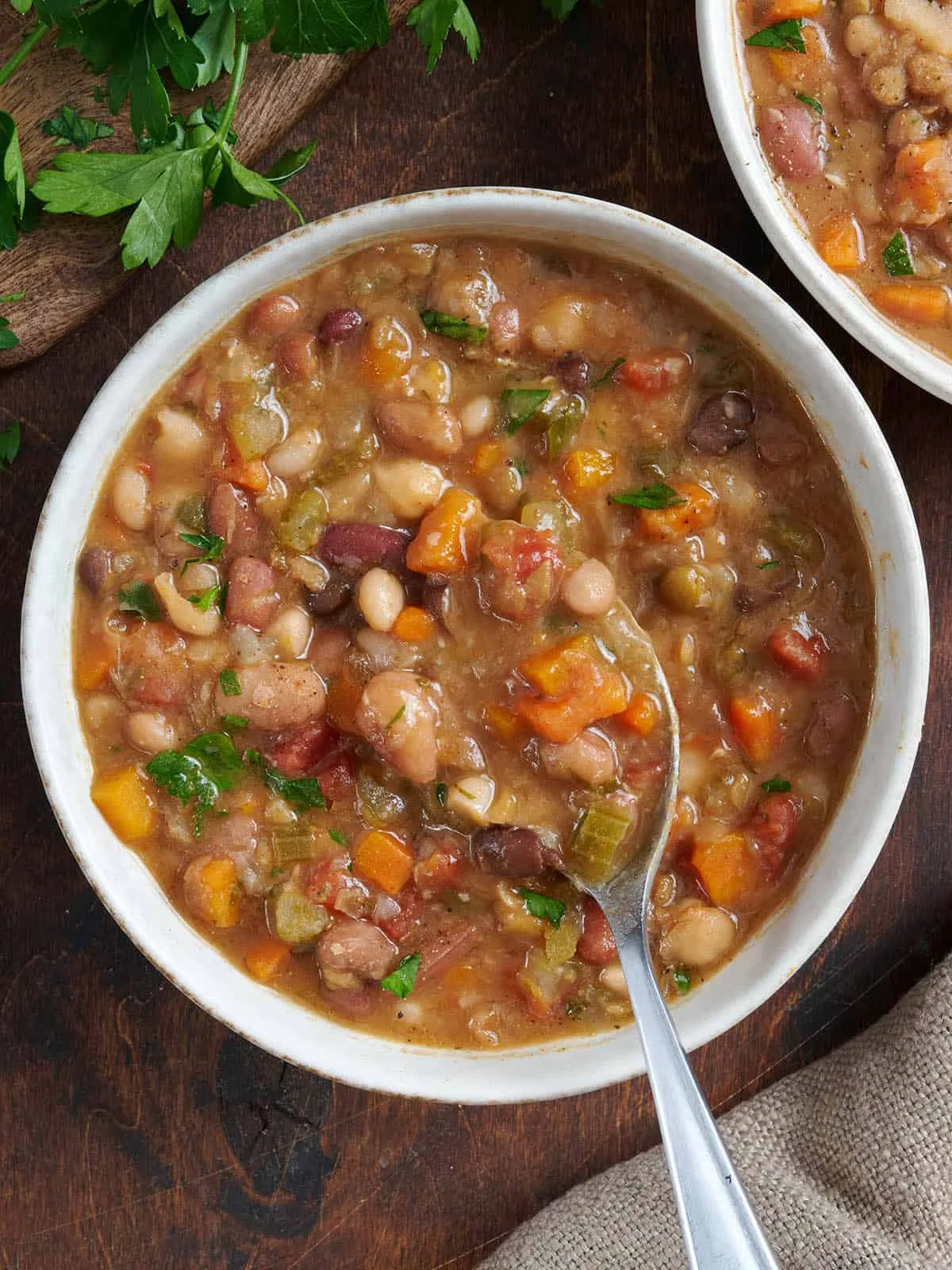
The global shift toward plant-based nutrition and the increasing necessity for fiscal responsibility in the domestic sphere have converged to elevate the status of the humble legume from a secondary side dish to a primary dietary staple. In an era marked by fluctuating food prices and a heightened awareness of long-term health outcomes, the utilization of multi-variety bean compositions, such as the 15-bean blend, represents a strategic intersection of affordability and high-density nutrition. Recent data from the Nashville Test Kitchen highlights a specific iteration of this culinary approach: the Vegetarian 15 Bean Soup, a dish that demonstrates how shelf-stable ingredients can be transformed into a meal providing significant percentages of daily nutritional requirements for less than one dollar per serving.
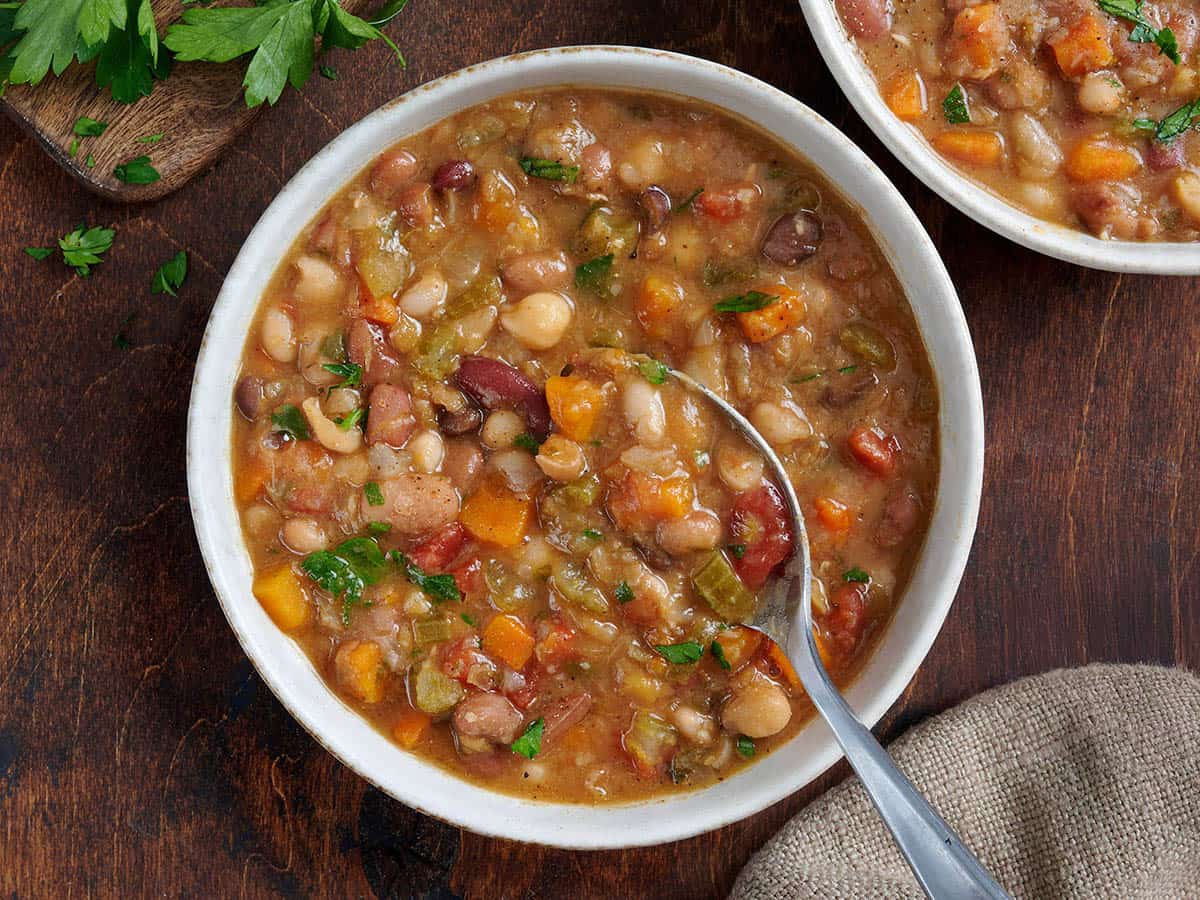
The Fiscal Efficiency of Legume-Based Diets
As inflationary pressures continue to impact the global grocery market, consumers have increasingly turned toward "underrated superfoods" that offer shelf stability without compromising nutritional integrity. Beans, in particular, have emerged as a frontrunner in the search for budget-friendly protein. The Vegetarian 15 Bean Soup model provides a compelling case study in cost-per-serving metrics. With a total recipe cost estimated at $6.76, the resulting eight servings cost approximately $0.85 each. This price point stands in stark contrast to animal-based proteins, which have seen significant price volatility due to supply chain disruptions and environmental factors.
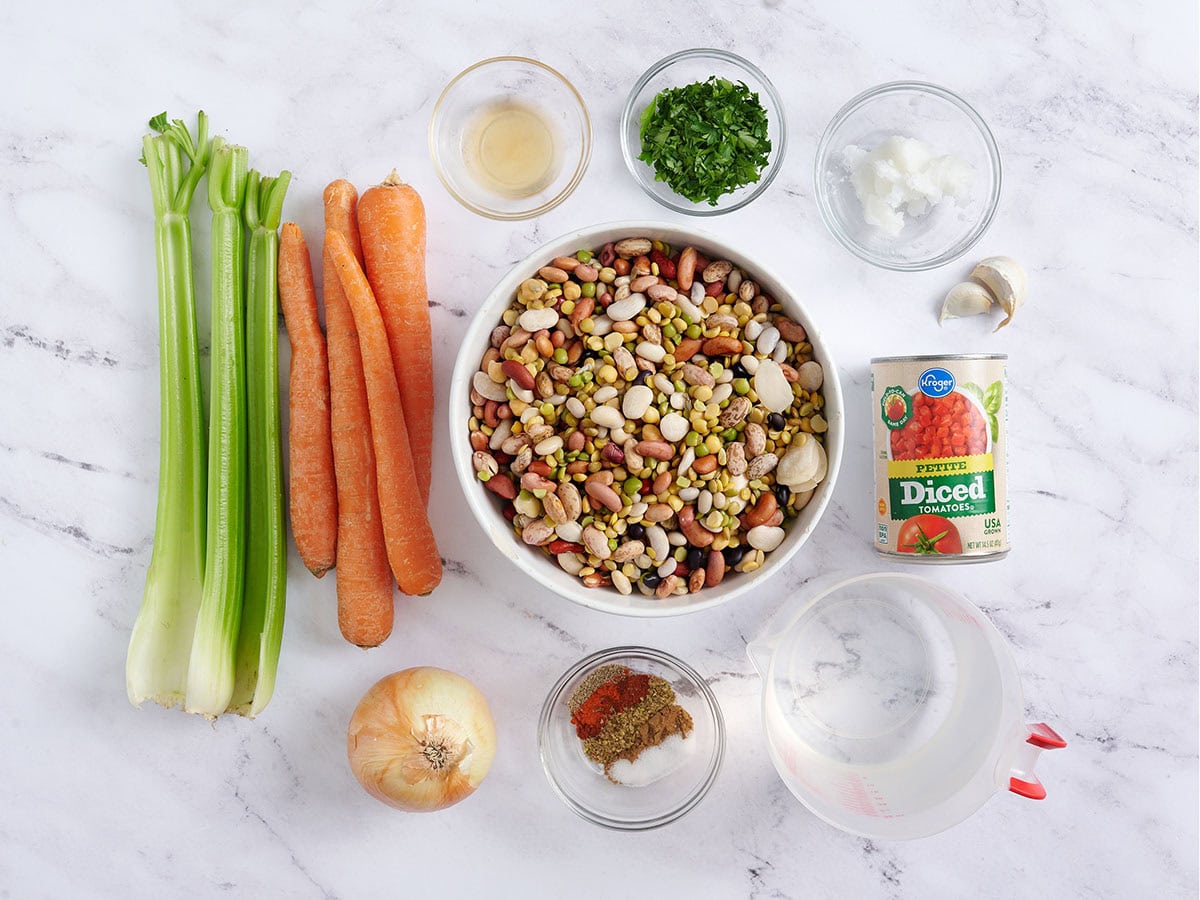
The primary driver of this cost efficiency is the use of dried beans rather than canned varieties. While canned beans offer convenience, dried beans provide a superior yield-to-cost ratio and allow for greater control over sodium content and texture. The 15-bean mix—often marketed by commercial entities like Hurst’s Brand—combines varieties such as northern, pinto, large lima, yelloweye, garbanzo, baby lima, green split, kidney, cranberry, small white, pink, small red, yellow split, lentil, and navy beans. This diversity not only ensures a complex flavor profile but also maximizes the biodiversity of the consumer’s diet, which has been linked to improved gut microbiome health.
Nutritional Profile and Public Health Implications
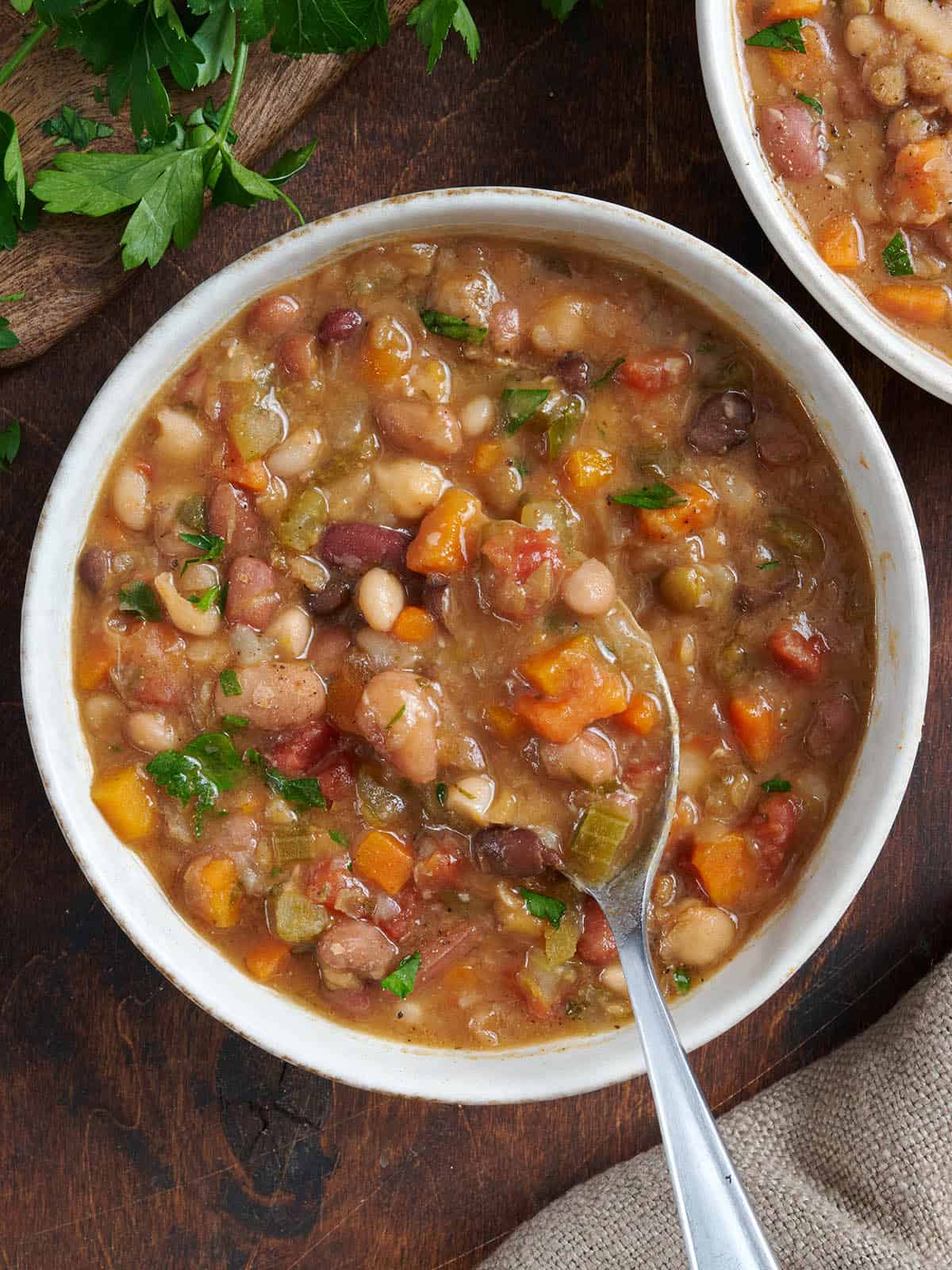
The nutritional data associated with the 15-bean preparation reveals a robust profile that addresses several common deficiencies in the modern Western diet. A single serving of the soup contains 303 calories, 17 grams of protein, and a staggering 16 grams of dietary fiber. This fiber content represents 67% of the recommended daily value (DV), a critical metric given that a vast majority of the population fails to meet basic fiber intake goals.
High-fiber diets are consistently associated with a reduced risk of cardiovascular disease, Type 2 diabetes, and certain forms of cancer. Furthermore, the inclusion of 15 different bean varieties ensures a broad spectrum of antioxidants and micronutrients. By maintaining the recipe as a vegetarian—and essentially vegan—option, the dish avoids the saturated fats and cholesterol typically associated with meat-heavy soups. While traditional bean soups often rely on smoked ham hocks or bacon for flavor, the modern journalistic analysis of this recipe suggests that the use of smoked paprika and cumin provides the necessary "umami" and smoky depth without the negative health implications of processed meats.
Chronology of Preparation: The Methodology of Slow Cooking
The production of a nutrient-dense 15-bean soup follows a specific chronological methodology designed to optimize both digestibility and flavor extraction. The process, as refined by culinary researchers in Nashville, follows a strict timeline:
Phase I: Hydration and Pre-Treatment
The process begins at least eight to twelve hours before active cooking. Dried beans require an overnight soak in a volume of water at least double that of the beans themselves. This hydration phase is crucial for reducing the concentration of oligosaccharides, the complex sugars responsible for digestive discomfort. Following the soak, the beans must be drained and rinsed thoroughly to ensure a clean base for the broth.
Phase II: The Aromatic Foundation
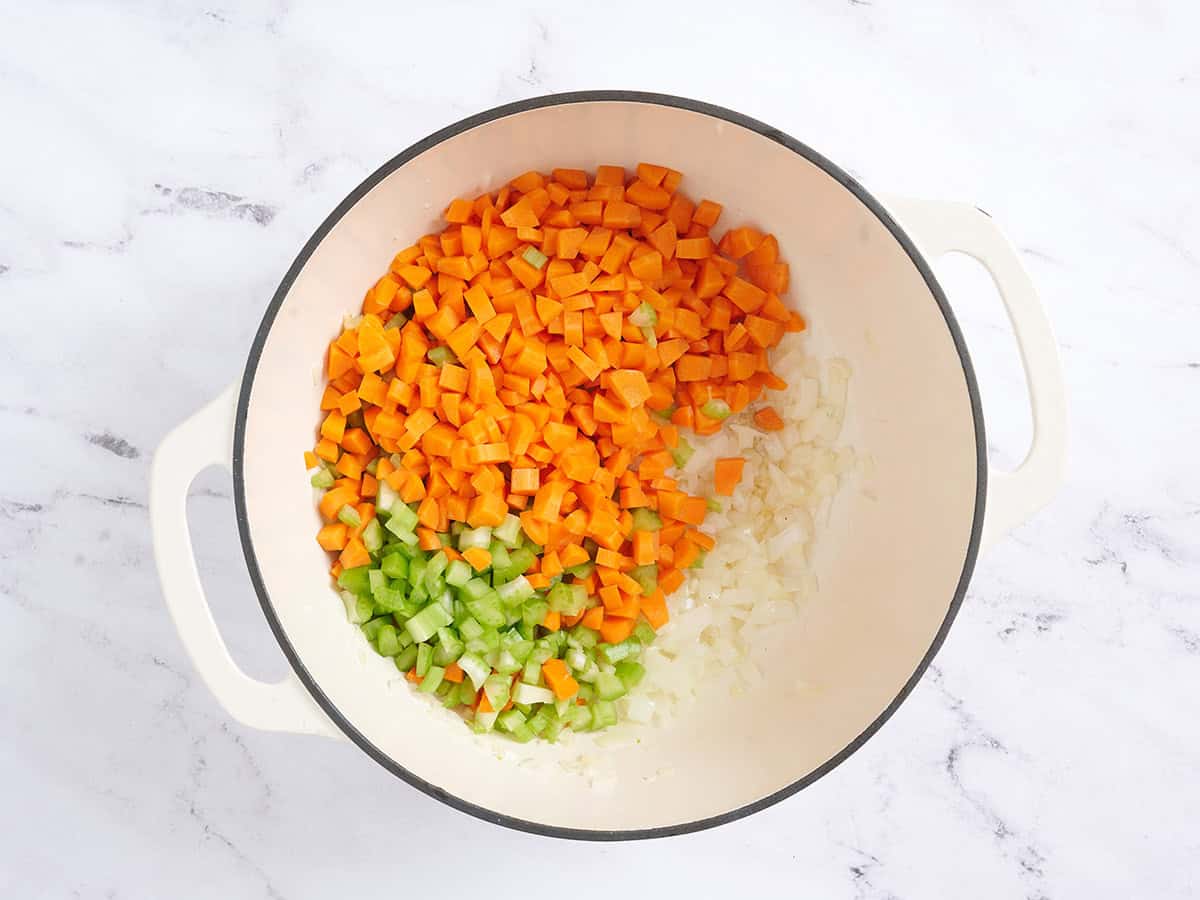
The active cooking phase commences with the creation of a mirepoix. Utilizing coconut oil—chosen for its mouthfeel which mimics animal fat—onions and garlic are sautéed until translucent. This is followed by the addition of carrots and celery. This stage, lasting approximately 10 to 15 minutes, establishes the base layers of flavor through the Maillard reaction, albeit at a low temperature to prevent browning.
Phase III: The Simmer and Softening
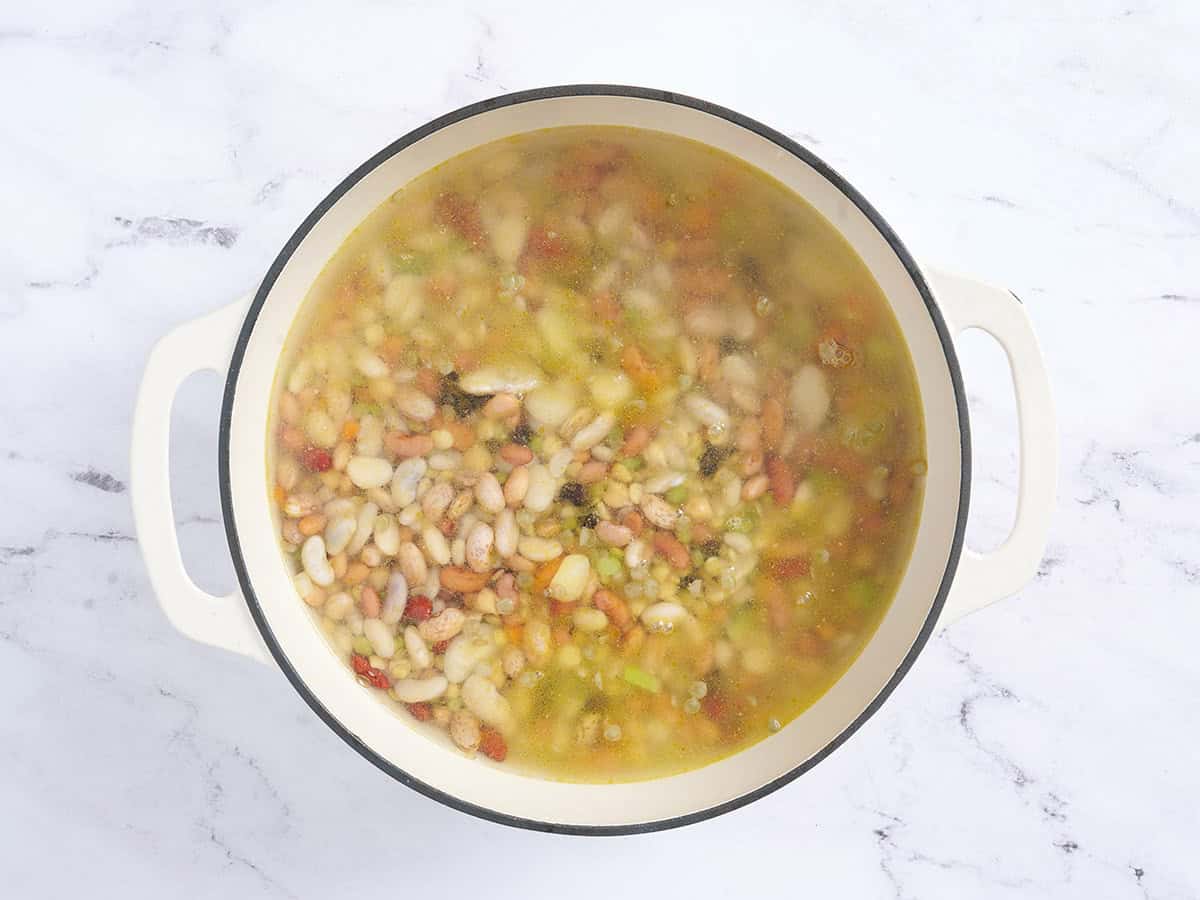
The hydrated beans are introduced to the pot with six cups of water. The mixture is brought to a boil and then reduced to a simmer for 90 minutes. This extended duration is necessary to break down the varying densities of the 15 different bean types, ensuring that even the largest lima beans reach a state of tenderness. During this period, the starch from the beans leaches into the water, creating a naturally thick and "cloudy" broth without the need for flour-based thickeners.

Phase IV: Acidic and Spice Integration
The final phase involves the introduction of "top note" flavors. A 15-ounce can of diced tomatoes provides acidity, while a blend of smoked paprika, oregano, cumin, and cayenne pepper provides the aromatic profile. Crucially, salt is added only at the end of the process. Culinary science indicates that adding salt or acidic ingredients too early can toughen the skins of the beans, significantly extending the required cooking time. The process concludes with a splash of apple cider vinegar to "brighten" the flavor profile and a handful of fresh parsley for enzymatic freshness.
Market Trends and Consumer Reception
The resurgence of interest in recipes like the 15-bean soup is reflective of broader market trends. Market research indicates a growing "flexitarian" demographic—consumers who do not strictly adhere to veganism but actively seek to reduce meat consumption for both health and environmental reasons. The reception of this specific recipe has been overwhelmingly positive among home cooks. Linda Wilson, a frequent practitioner of the method, noted that the soup provides a "nourishing and flavorful" experience that satisfies the desire for hearty comfort food while adhering to nutritional guidelines.

The "Budget Bytes" platform, led by Beth Moncel, has been instrumental in democratizing this type of nutritional information. By focusing on the "science and art" of cooking, Moncel’s approach appeals to a demographic that values meticulous budgeting as much as culinary quality. The Nashville Test Kitchen’s commitment to rigorous testing ensures that these recipes are accessible to novice cooks, further lowering the barrier to entry for healthy eating.
Broader Impact: Sustainability and Food Security
Beyond individual health and savings, the promotion of 15-bean soup has implications for global food security and environmental sustainability. Legumes are nitrogen-fixing crops, meaning they improve soil health rather than depleting it, requiring less synthetic fertilizer than other staples. They also have a significantly lower water footprint compared to beef or pork.
From a food security perspective, the shelf stability of dried beans makes them an ideal resource for emergency preparedness and for populations living in "food deserts" where fresh produce may be scarce or expensive. The ability to freeze the soup for up to three months without loss of nutritional value further enhances its utility as a tool for meal prep and waste reduction.
Analysis of Implications
The transition toward high-variety legume consumption represents a pragmatic response to the dual challenges of the 21st century: the rising cost of living and the epidemic of chronic lifestyle-related diseases. The Vegetarian 15 Bean Soup is more than a recipe; it is a blueprint for a sustainable dietary model. By stripping away expensive animal proteins and replacing them with a diverse array of plant-based fibers and proteins, consumers can achieve a level of nutritional density that was previously thought to be more costly.
As the culinary landscape continues to evolve, the emphasis on "pantry staples" and "underrated superfoods" is expected to grow. The data suggests that for a total investment of under seven dollars and a few hours of passive cooking time, a household can secure several days’ worth of meals that are medically sound, environmentally responsible, and fiscally prudent. The success of the 15-bean soup model underscores a fundamental truth in modern economics: sometimes the most sophisticated solutions to complex problems are found in the simplest, most traditional ingredients.