
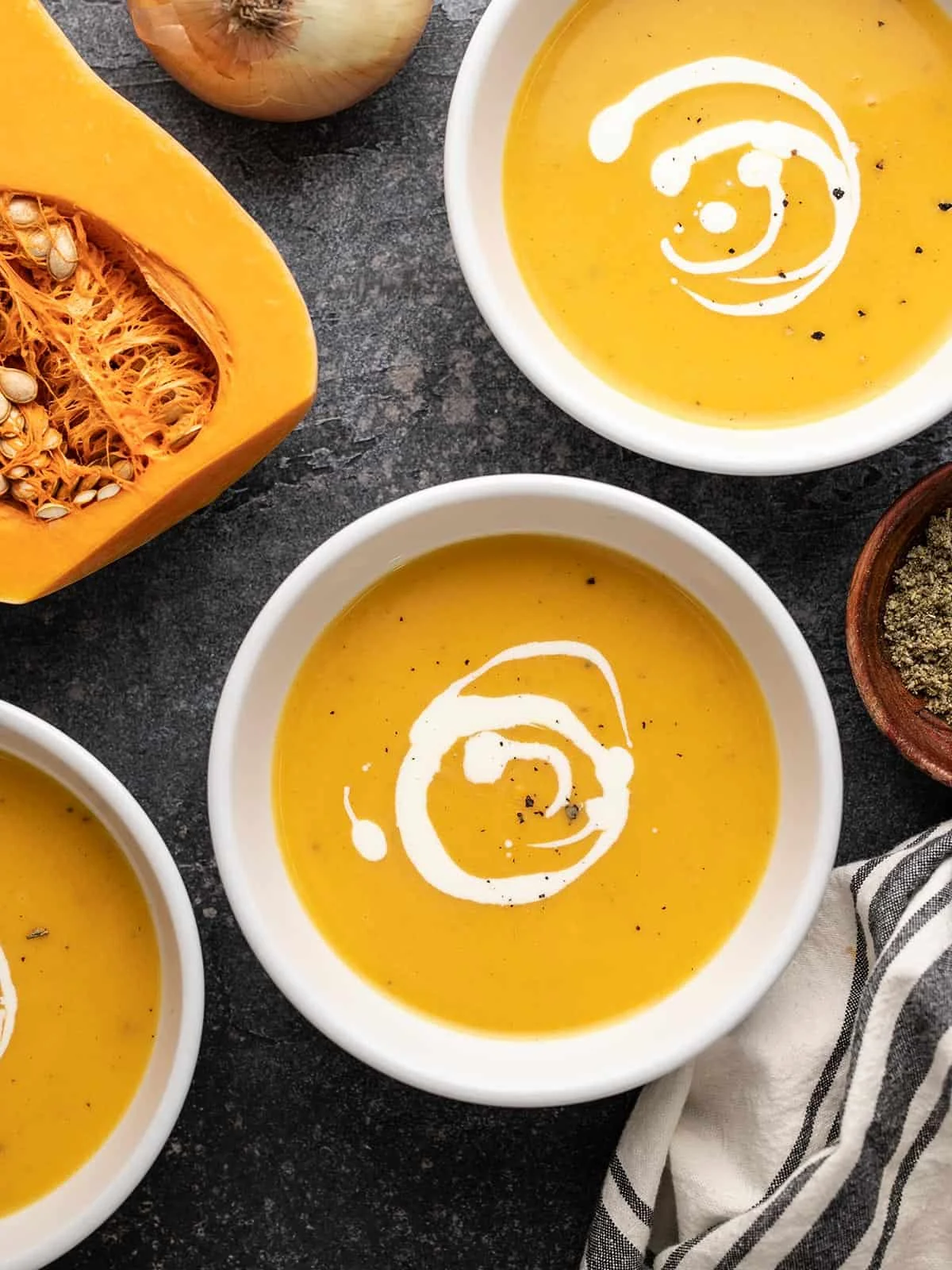
The intersection of fiscal responsibility and nutritional density has become a focal point of modern domestic science, as households increasingly seek to navigate fluctuating grocery indices through the strategic use of seasonal produce. A prominent example of this trend is the recent optimization of the butternut squash soup protocol by the Nashville Test Kitchen, a culinary research facility dedicated to developing recipes that balance affordability with gastronomic quality. The refined recipe, which emphasizes a "low-cost, high-yield" philosophy, highlights the broader economic implications of utilizing winter squashes—a category of produce noted for its exceptional shelf stability and nutrient profile. By analyzing the preparation methods, cost-per-serving metrics, and agricultural context of this dish, it becomes evident that such culinary strategies serve as a vital tool for sustainable household management in an era of heightened food price sensitivity.

Culinary Methodology and Flavor Development
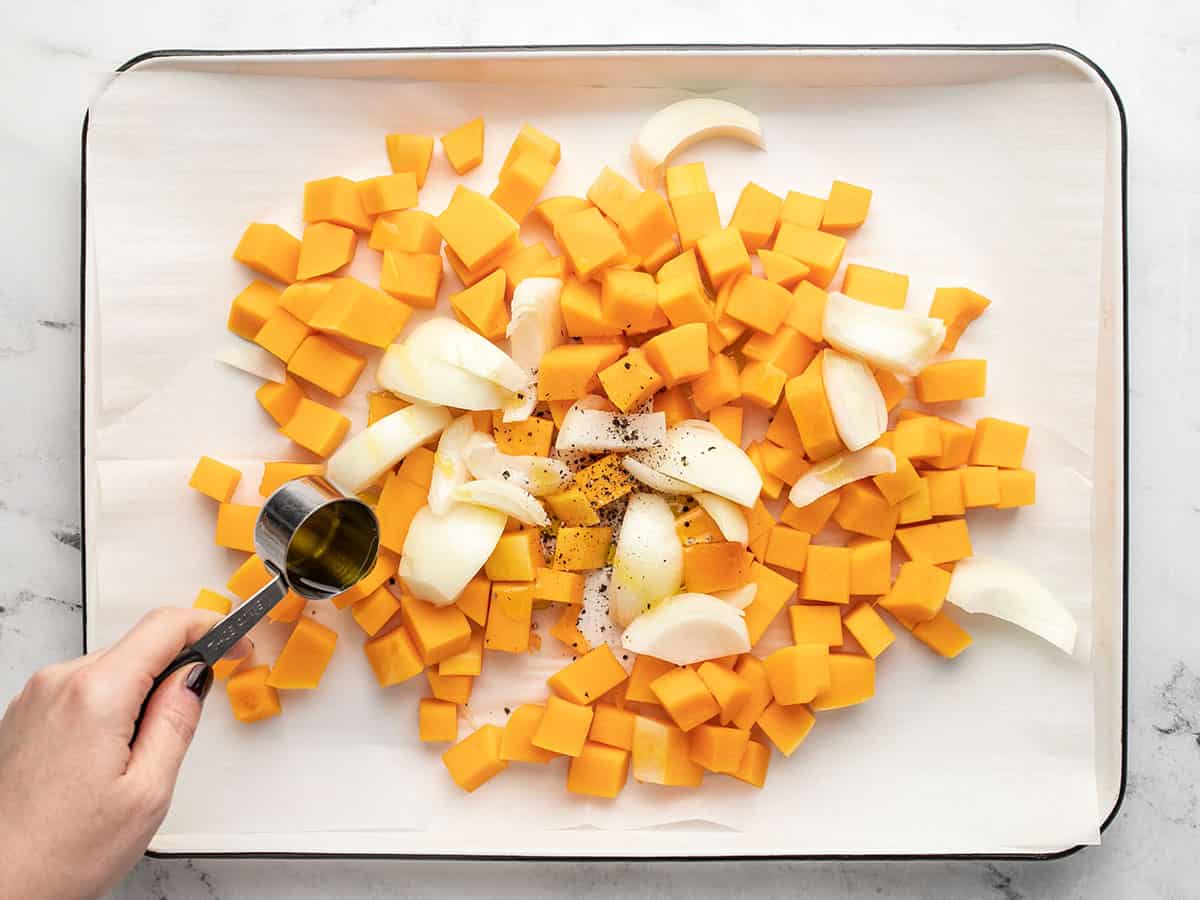
The preparation of butternut squash soup, as standardized by the Nashville Test Kitchen, utilizes a multi-stage process designed to maximize flavor extraction from a limited set of ingredients. The protocol begins with the roasting of approximately two pounds of diced butternut squash and sliced yellow onions at 400°F (204°C). This thermal application triggers the Maillard reaction and the caramelization of natural sugars within the vegetables, transforming the raw, starchy profile of the squash into a deeper, more complex flavor base.
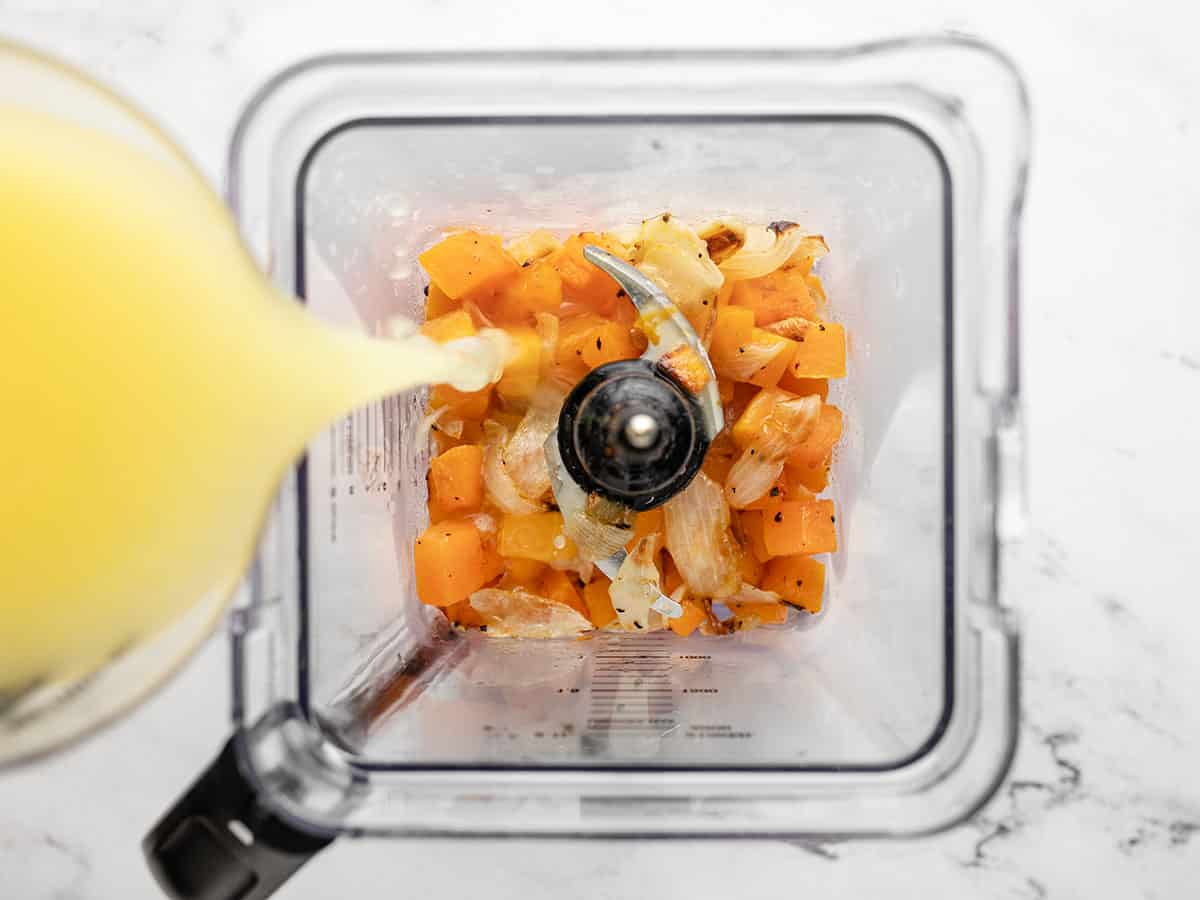
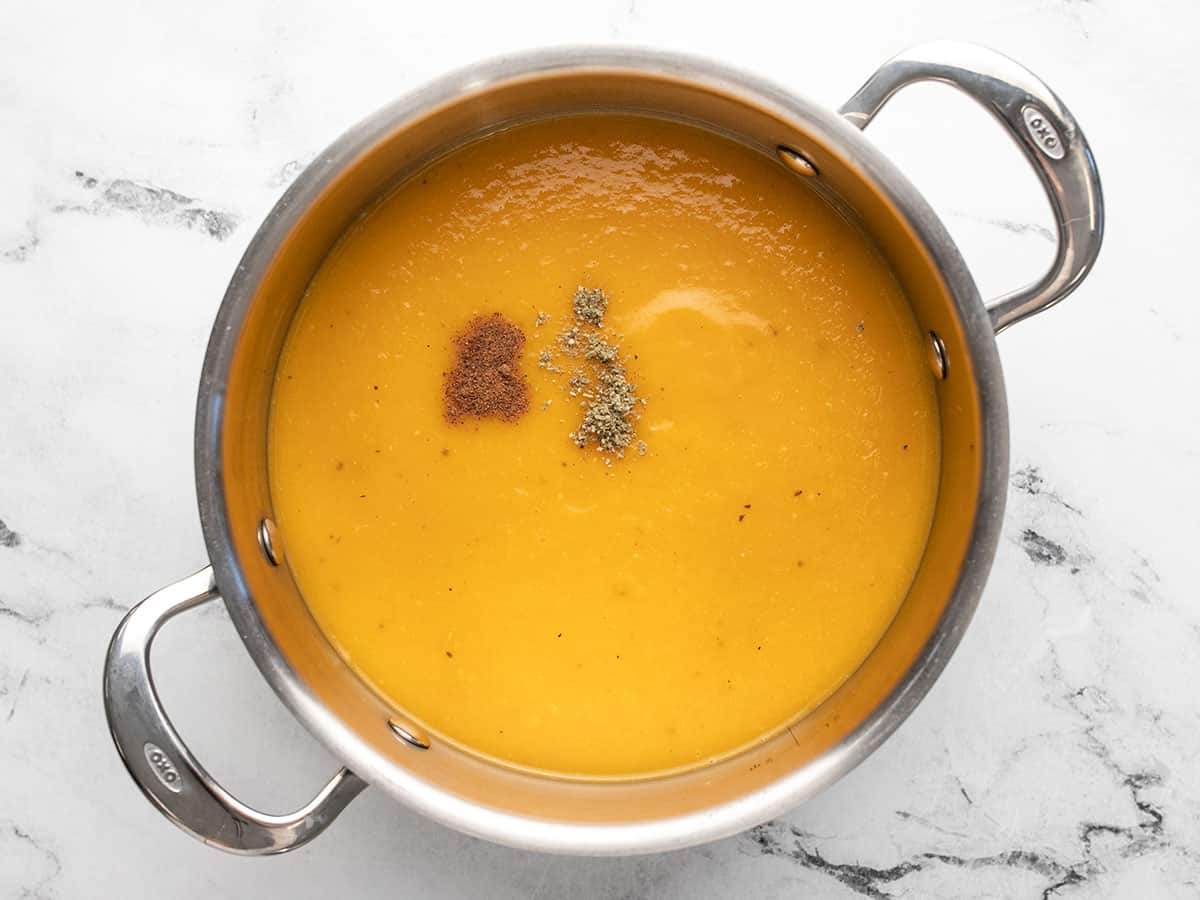
Following a 30-minute roasting period, the softened vegetables are transitioned to a mechanical blender where they are integrated with three cups of chicken broth. The selection of the broth is critical to the final product; researchers at the test kitchen recommend high-quality bases, such as "Better Than Bouillon," to provide a robust savory foundation. The resulting purée is then transferred to a stovetop vessel for secondary heating and seasoning. The introduction of ground nutmeg and rubbed sage provides the "warm" aromatic profile characteristic of autumnal and winter cuisine. The final stage involves the incorporation of half a cup of heavy cream, which alters the viscosity and lipid content of the soup, achieving a luxurious mouthfeel comparable to more expensive restaurant-grade bisques.
Economic Analysis of Domestic Meal Preparation
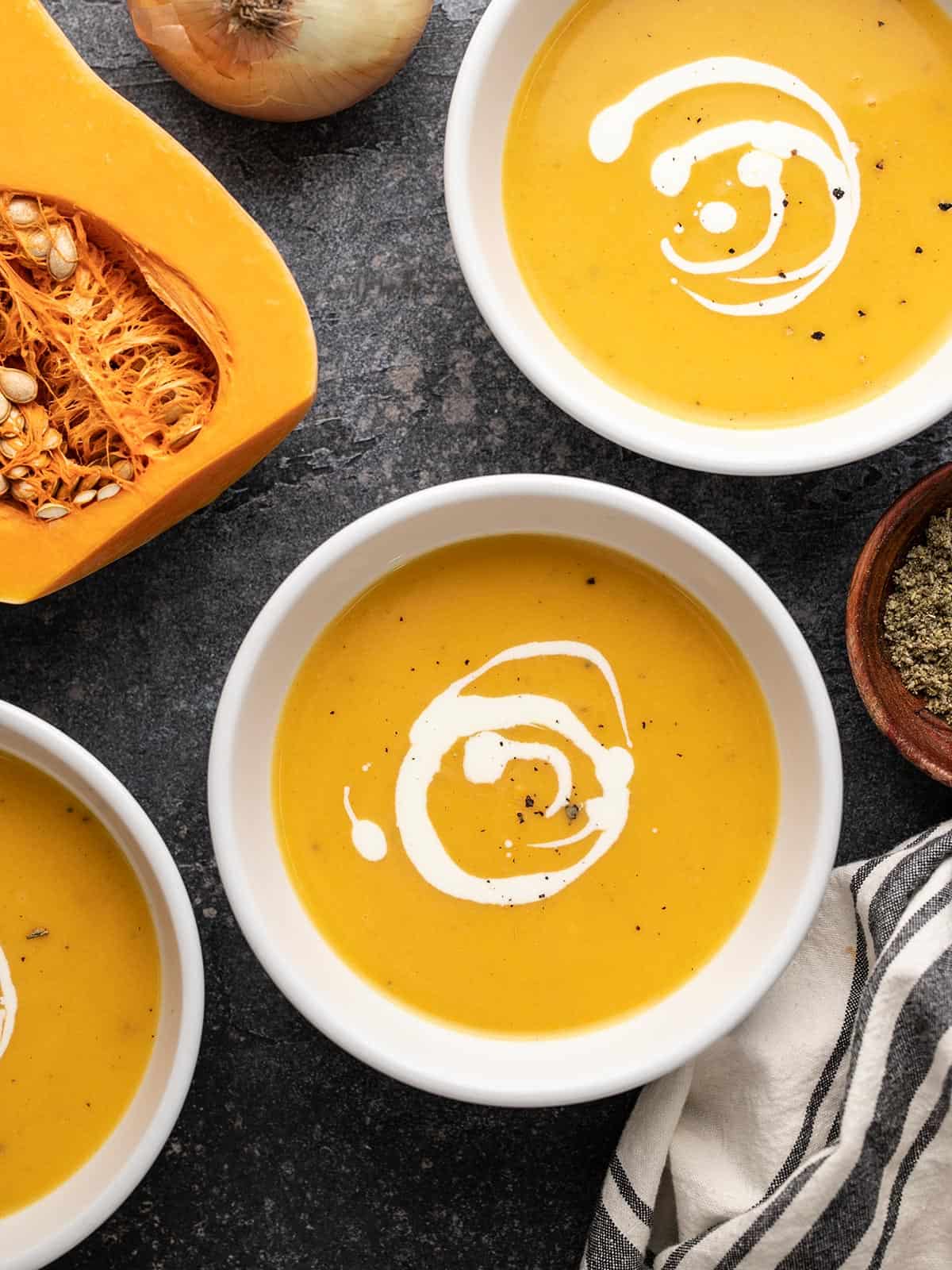
One of the most significant findings in the Nashville Test Kitchen’s report is the high degree of cost efficiency achieved through this specific recipe. The total cost for a four-serving batch is calculated at $5.52, resulting in a per-serving cost of approximately $1.38. This figure sits well below the national average for a prepared meal, particularly when compared to the fast-casual dining sector, where a similar soup often commands prices between $6.00 and $9.00 per bowl.
The affordability of the dish is largely attributed to the bulk purchasing of butternut squash (Cucurbita moschata). Agricultural data indicates that winter squashes are most cost-effective during the late autumn and early winter months, coinciding with their peak harvest. Furthermore, the longevity of the squash—which can remain viable on a countertop for several weeks due to its thick, protective rind—reduces the economic burden of food waste. This "shelf-life factor" allows consumers to purchase the primary ingredient during sales or periods of market surplus without the immediate pressure of spoilage that accompanies leafy greens or soft fruits.

Nutritional Profile and Public Health Implications
Beyond its economic benefits, the butternut squash soup provides a dense nutritional profile that aligns with current public health recommendations for increased vegetable consumption. According to the nutritional analysis provided by the Nashville Test Kitchen, a standard 1.25-cup serving contains approximately 287 calories, 31 grams of carbohydrates, and 5 grams of fiber.
The fiber content is particularly noteworthy, representing 21% of the recommended daily value. Dietary fiber is a critical component in maintaining gastrointestinal health and regulating blood glucose levels. Additionally, butternut squash is an exceptional source of Vitamin A (in the form of beta-carotene), Vitamin C, and potassium. The inclusion of heavy cream, while increasing the fat content to 18 grams per serving, serves a dual purpose: it provides satiety, which can prevent overconsumption of less nutrient-dense snacks later in the day, and it facilitates the absorption of fat-soluble vitamins (A, D, E, and K) found within the squash.
Chronology of Recipe Development and Optimization
The evolution of the butternut squash soup recipe reflects a commitment to iterative improvement within the digital food media landscape. The original formulation was published on December 14, 2022, during a period of significant post-pandemic inflation in the United States. At that time, the recipe was designed to provide a "super simple" entry point for home cooks struggling with rising meat prices.
Recognizing shifts in consumer preferences and ingredient availability, the Nashville Test Kitchen initiated a re-testing phase in late 2024. On December 3, 2025, the organization released a "reworked and republished" version of the recipe. This updated iteration focused on refining the seasoning ratios—specifically the nutmeg and sage—and optimizing the roasting time to ensure consistent results across various oven types. This timeline demonstrates a broader industry trend where culinary content creators are moving away from static "one-off" posts toward a model of continuous quality assurance and data-driven updates.

Agricultural Context: The Resilience of Winter Squash
The success of the butternut squash as a dietary staple is rooted in its biological resilience. Unlike summer squashes (such as zucchini), which have thin skins and high water content, winter squashes are harvested at full maturity. This maturity results in a hardened exterior and a lower respiration rate, which are the primary factors behind the vegetable’s long-term storage capabilities mentioned by the Nashville researchers.
Agricultural experts note that the "deal" on butternut squashes mentioned in the source material is often the result of regional gluts in production. Because the crop is relatively hardy and resistant to many common pests, it remains a reliable choice for farmers across diverse climates, from the American South to the Northeast. For the consumer, this agricultural reliability translates to price stability. While the price of imported berries or out-of-season tomatoes may fluctuate wildly based on supply chain disruptions, the local or regional availability of winter squash remains relatively constant during the colder months.
Statements and Reactions from the Culinary Community
The response to this economical soup protocol has been overwhelmingly positive among home cooks and budget-conscious consumers. User testimonials, such as those from individuals identified as "Jerilea," highlight the versatility of the recipe. "Excellent! Used some roasted butternut squash that I had in my freezer. I also had some turkey broth that needed a good use," the user noted, illustrating how the recipe serves as a "clearing house" for other kitchen leftovers.
Professional food analysts suggest that the "Budget Bytes" model, led by founder Beth Moncel, represents a shift in how recipes are perceived by the public. Moncel, described as a "number cruncher and meticulous budgeter," applies a scientific rigor to recipe development that resonates with a demographic that values both flavor and financial precision. The "Test Kitchen" branding further reinforces this sense of reliability, moving the recipe from a personal suggestion to a validated culinary standard.

Broader Implications: The Future of Budget-Conscious Cooking
The popularity of the butternut squash soup protocol suggests a growing societal movement toward "intentional eating." As global supply chains face ongoing challenges from climate change and geopolitical instability, the ability of the average household to prepare low-cost, nutrient-dense meals will become increasingly vital.
The strategy of "enriching" simple ingredients through advanced cooking techniques—like roasting for flavor depth—is a cornerstone of this movement. It democratizes high-quality dining, making "luxurious" textures and "chef’s kiss" flavors accessible to those operating on a strict budget. Furthermore, the focus on seasonal, long-lasting produce like the butternut squash aligns with broader sustainability goals by reducing the carbon footprint associated with out-of-season produce transport and minimizing household food waste.
In conclusion, the Nashville Test Kitchen’s work on butternut squash soup is more than a mere recipe; it is a case study in the efficacy of modern home economics. By combining agricultural knowledge, nutritional science, and rigorous financial analysis, such initiatives empower consumers to maintain a high standard of living and health, regardless of external economic pressures. As we look toward the future of domestic gastronomy, the emphasis on seasonal utilization and iterative recipe optimization will likely remain the gold standard for the informed home cook.