
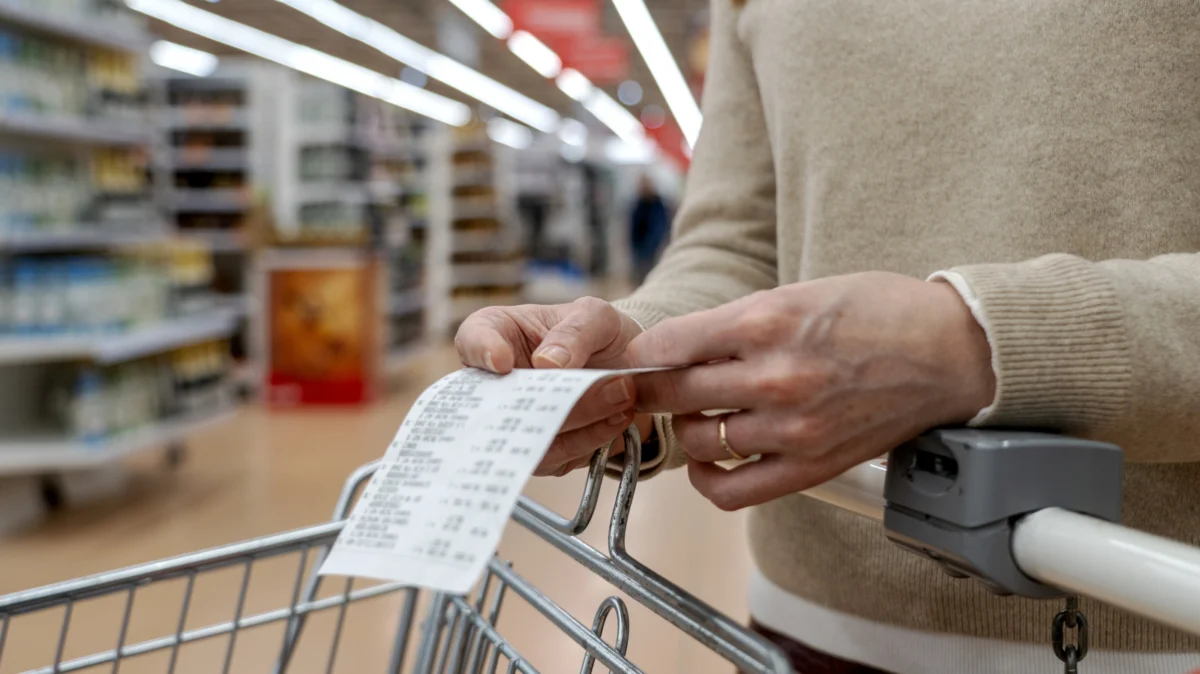
In the ongoing effort to manage household budgets, grocery shopping remains a significant area where consumers often find their spending exceeding intentions. While traditional methods like coupon clipping and seeking out manager specials have long been employed, a modern solution is emerging as a surprisingly effective strategy for curbing excessive expenditure: curbside grocery pickup. This service, which gained considerable traction during the COVID-19 pandemic, continues to offer a streamlined approach to acquiring essential food items while simultaneously acting as a powerful deterrent against impulse purchases.
Alli Powell, a recognized "frugal foodie" and proprietor of Grocery Getting Girl, emphasizes the psychological benefits of this digital shopping method. "Not going into the store forces you to skip the temptation of impulse buys," Powell explains. "Ordering online and skipping the trip inside the store is a great way to save." This sentiment is echoed by numerous consumers who find that the deliberate act of selecting items from a digital catalog inherently fosters a more mindful approach to purchasing compared to the often overwhelming and strategically designed environments of physical supermarkets.
The efficacy of curbside pickup in controlling grocery expenses can be attributed to several key factors that disrupt the conventional retail experience. Supermarket layouts are meticulously crafted to maximize shopper engagement and, consequently, sales. Aisles are often arranged to place high-margin items at eye level, while complementary products are strategically positioned to encourage add-on purchases. Furthermore, end-cap displays and checkout counters are prime real estate for impulse buys, from candy bars to magazines, designed to capture attention in moments of decision-making. By circumventing this physical environment, consumers using curbside pickup bypass these ingrained retail tactics.
While online shopping platforms also employ their own strategies, such as promotional timers or personalized product suggestions, they generally offer a more controlled and transparent shopping experience. The ability to review one’s cart at any point, compare prices, and stick to a pre-determined list significantly reduces the likelihood of spontaneous, unplanned purchases. This controlled environment empowers consumers to make deliberate choices based on need and budget rather than succumbing to the sensory stimuli and persuasive merchandising of a brick-and-mortar store.
The Evolving Landscape of Grocery Shopping
The widespread adoption of curbside pickup is not merely a trend but a significant shift in consumer behavior, accelerated by external circumstances. The COVID-19 pandemic served as a catalyst, compelling many retailers to rapidly expand or implement online ordering and pickup services to comply with social distancing measures and meet evolving consumer demands for convenience and safety. What began as a necessity for many has evolved into a preferred method of grocery acquisition for a substantial segment of the population.
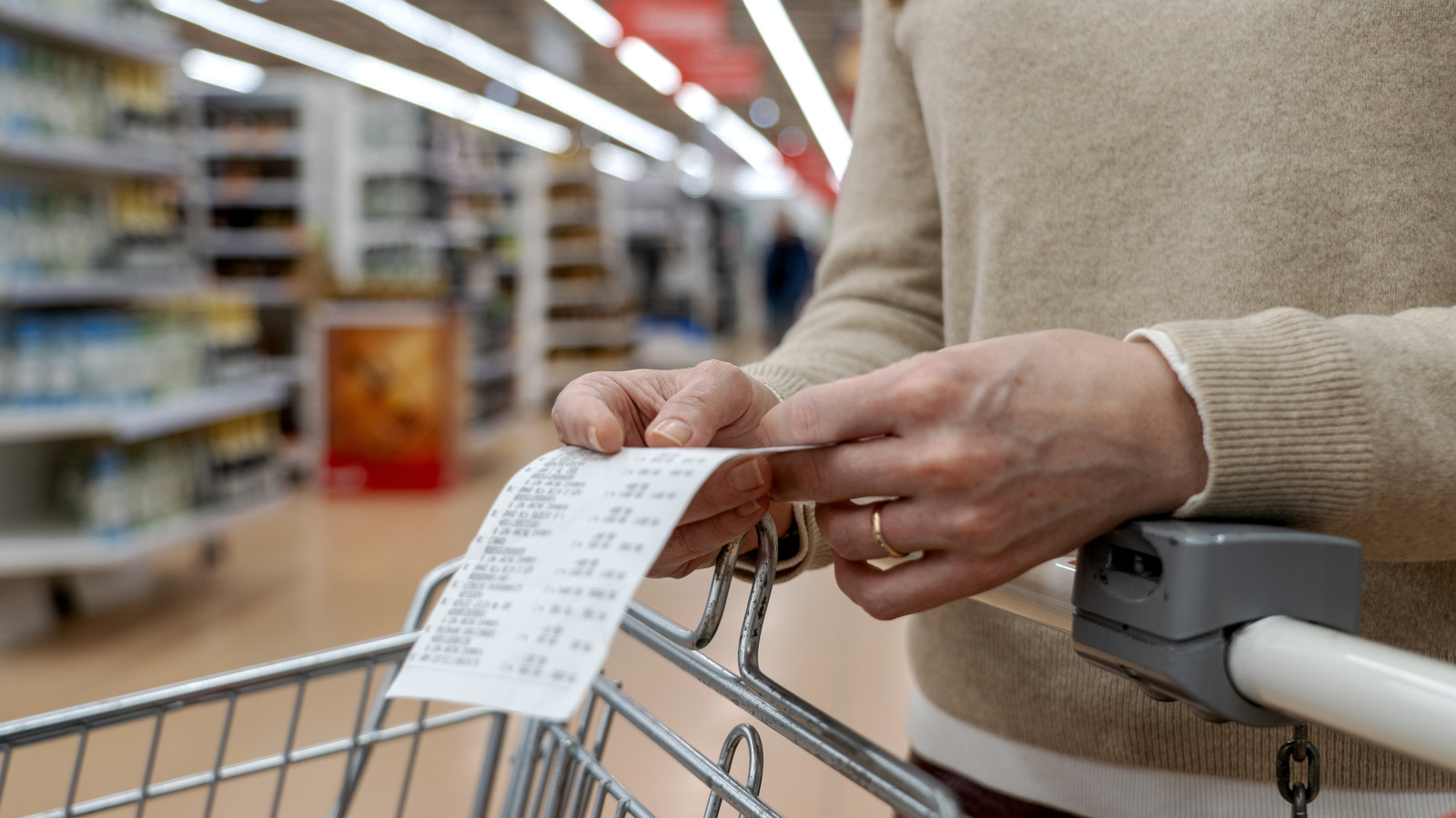
This shift has been supported by significant investments from major grocery retailers in their digital infrastructure. Companies have developed sophisticated mobile applications and websites designed to replicate the in-store experience as closely as possible while leveraging the advantages of digital platforms. This includes features like virtual aisles, personalized recommendations, and detailed product information, all aimed at enhancing the online shopping journey.
Unpacking the Cost-Saving Mechanisms of Curbside Pickup
Beyond the direct avoidance of impulse buys, curbside pickup offers several other advantages that contribute to lower grocery bills. One of the most impactful is the enhanced visibility of per-unit pricing. Online platforms typically display the cost per ounce, pound, or unit for each item, a detail that is often less prominent or more difficult to discern in a physical store. This transparency allows shoppers to make more informed comparisons between different brands and package sizes, ensuring they are truly getting the best value.
For example, a larger package of a product might appear to be a better deal at first glance. However, when the per-unit price is clearly displayed online, a consumer might discover that a smaller, less expensive option offers a more economical purchase for their specific needs. This is particularly relevant for items where bulk purchases don’t always translate to savings, such as certain perishables or products that are used infrequently.
Furthermore, the digital nature of curbside pickup shopping inherently reduces friction in the purchasing process. Consumers can easily track their running total as they add items to their cart, allowing for real-time adjustments if they approach or exceed their budget. This immediate feedback loop is a powerful tool for budget adherence. If the total is creeping up, a shopper can quickly identify items to remove or substitute with less expensive alternatives. This stands in stark contrast to the traditional in-store experience, where a consumer might not realize they have overspent until they reach the checkout counter, often too late to make significant adjustments without feeling a sense of loss or inconvenience.
The convenience of maintaining favorite item lists and easily reordering staples also prevents forgotten purchases. In a physical store, a forgotten item often necessitates a separate trip, incurring additional time, fuel costs, and the potential for further unplanned spending. Curbside pickup streamlines this process, ensuring all necessary items are included in a single order, thereby saving time and preventing the cumulative costs associated with multiple shopping excursions.
Addressing Concerns About Produce and Product Quality
A common concern regarding curbside pickup is the potential for receiving subpar produce or other perishable items. However, retailers have developed strategies to mitigate these issues. Many platforms allow customers to leave specific instructions for their personal shoppers. For instance, a shopper might request "green bananas" or "firm avocados." While not a guarantee, these notes can guide the shopper in selecting items that meet the customer’s preferences.
In cases where direct oversight is desired, consumers can opt to perform a quick in-store visit to select their produce or other sensitive items before their scheduled pickup. This hybrid approach allows for the best of both worlds: the convenience of online ordering for pantry staples and the assurance of selecting fresh items in person.
Retailers also recognize that customer satisfaction is paramount for repeat business. Consequently, most offer straightforward refund or replacement policies for items that do not meet quality standards. If a customer receives bruised fruit or a damaged product, they can typically initiate a return or request a refund through the store’s app or website with minimal hassle. This assurance encourages consumers to embrace curbside pickup with greater confidence. Moreover, ordering during off-peak hours, such as early mornings or weekdays, can often result in shoppers having more time to carefully select the freshest and highest-quality items.
Navigating the Nuances of Retailer Pricing and Fees
While curbside pickup offers significant cost-saving potential, it is essential for consumers to be aware of the various pricing structures and potential fees associated with different retailers. Not all grocery chains offer curbside pickup, and among those that do, the pricing models can vary considerably.
Some retailers, like Walmart, generally maintain the same prices for items whether purchased online for pickup or in-store. This consistency ensures that the benefits of avoiding impulse buys are not negated by inflated online prices. Other retailers may integrate sale prices directly into their apps and websites, mirroring in-store promotions. However, it is still advisable to occasionally visit stores in person to discover exclusive in-store specials that may not be advertised online.
A critical factor to consider is the involvement of third-party services like Instacart. While these services enhance convenience, they can sometimes lead to higher prices compared to direct retailer offerings. For instance, stores that rely heavily on Instacart for their pickup and delivery operations may see price markups that offset their traditional budget-friendly appeal. Aldi’s partnership with Instacart, for example, has been noted to increase the overall cost of orders, diminishing its inherent affordability for pickup.
Beyond item prices, various fees can impact the final cost. Pickup fees may apply, especially for orders below a certain threshold. Walmart, for instance, charges a $7 pickup fee for orders under $35. Membership programs can also influence costs. Sam’s Club offers pickup for a fee, while its Plus membership includes complimentary pickup. Amazon Prime members may incur a $2 pickup fee for Whole Foods orders under $35. Target, conversely, often provides free pickup with no minimum order requirement, making it a particularly attractive option for budget-conscious shoppers.
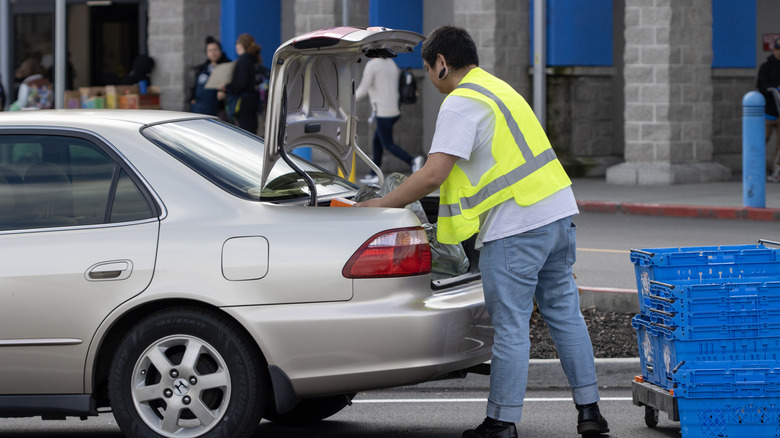
Understanding these fee structures is crucial. In some instances, it may be more cost-effective to add a few extra non-essential items to an order to meet a minimum purchase requirement and avoid a pickup fee, rather than paying the fee outright. This requires a strategic approach to ensure the added items are either genuinely needed or can be acquired at a favorable price.
Strategies for Maximizing Savings with Curbside Pickup
To effectively leverage curbside pickup for maximum savings, consumers should adopt a systematic approach:
- Create a Detailed Shopping List: Before even opening an app, create a comprehensive list of all needed items. This serves as the primary guide and helps prevent forgetting essentials.
- Compare Retailer Pricing and Fees: Familiarize yourself with the pricing policies and fee structures of your preferred grocery stores. Some may offer better value than others based on their operational models and partnerships.
- Utilize Per-Unit Pricing: Actively look for and compare per-unit prices to identify the most economical options, regardless of package size.
- Monitor Your Cart Total: Keep a close eye on the running total in your online cart and make adjustments as needed to stay within your budget.
- Leverage Loyalty Programs and Digital Coupons: Many grocery apps integrate loyalty programs and allow you to "clip" digital coupons. Ensure you’re taking advantage of all available discounts.
- Read Product Reviews and Notes: If available, read customer reviews for specific products. Also, pay attention to any notes or instructions you can leave for your personal shopper regarding quality preferences.
- Be Mindful of Third-Party Markups: If a retailer uses a third-party service like Instacart, be aware that prices may be higher than in-store. Factor this into your decision-making process.
- Consider In-Store Specials: While curbside pickup is excellent for budget control, don’t entirely discount in-store visits for potential deep discounts or unique items not available online.
By integrating these strategies, consumers can transform curbside pickup from a simple convenience into a powerful tool for effective grocery budget management. The digital shopping experience, when approached with intention and awareness, offers a distinct advantage in the ongoing battle against overspending at the grocery store, empowering shoppers to make smarter, more economical choices for their households.