
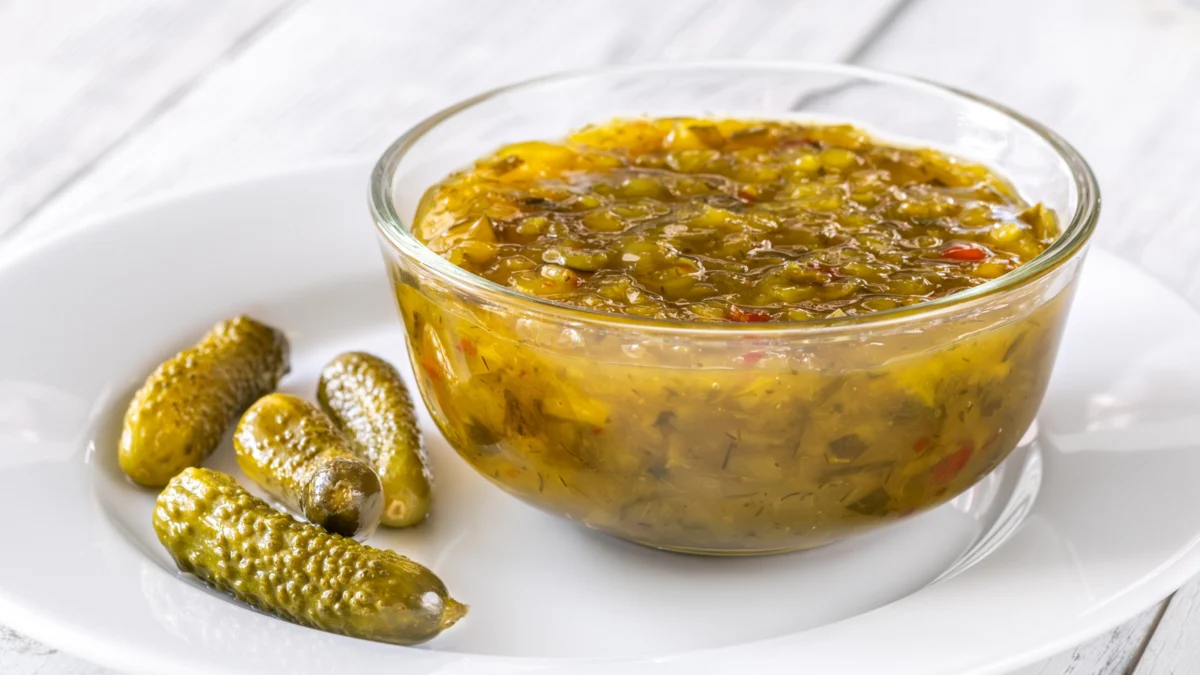
Among the diverse and often colorfully named culinary traditions of the American South, chow chow stands out as a particularly beloved condiment. This vibrant medley of pickled late-summer vegetables shares a kinship with classic cucumber relish, a comparison that is both apt and, at times, a source of confusion. While both share fundamental similarities in their preparation and application, it is crucial to understand that chow chow and relish are distinct entities, with chow chow being a specific, regional iteration of relish itself.
To fully appreciate the nuances, we must first establish the foundational definition of relish. Akin to chutney, relish is a versatile condiment, typically derived from fruits, vegetables, or a combination thereof, finely chopped. The defining characteristic of relish is its distinctive tangy flavor profile, a direct result of the pickling process, which involves vinegar as a primary acidic agent, often balanced with sugar and a medley of complementary spices. This acidic base not only preserves the ingredients but also imparts a bright, zesty quality that enhances a wide array of dishes.
While popular cucumber relishes tend to adhere to a relatively standardized set of ingredients, chow chow distinguishes itself with a traditional base of cabbage and green tomatoes. Revered as "the South’s beloved bumper crop relish," its composition is inherently flexible, often dictated by the seasonal availability of garden produce. This variability contributes to the regional diversity of chow chow, with each family and community potentially having its own cherished recipe. This adaptability, coupled with its unique ingredient profile, sets it apart from more uniform commercial relishes.
Culinary Applications: A Tale of Two Condiments
The distinction between relish and chow chow becomes more apparent when examining their culinary uses and textural differences. Chow chow generally possesses a more tender and variegated texture compared to the often finer and more uniform consistency of pickle relish. This textural difference is a direct consequence of its primary ingredients: the crispness of cabbage and the softer bite of green tomatoes.
Anecdotal evidence from culinary enthusiasts highlights these differences. In discussions on platforms like the "Appalachian Americans" Facebook group, users have articulated a common culinary divide: "relish on hot dogs, chow chow with beans and cornbread." This simple yet telling observation underscores a prevalent perception of their respective roles. Pickle relish, with its smoother texture and distinct dill or sweet notes, has long been an archetypal topping for hot dogs, a quintessential American fast-food staple. Its acidity cuts through the richness of the sausage, providing a refreshing counterpoint.
Chow chow, conversely, often finds its home alongside more rustic and hearty fare. Its inclusion with beans and cornbread speaks to its ability to complement the earthy flavors and substantial textures of Southern staples. The inherent tanginess of chow chow can provide a much-needed lift to slow-cooked beans, while its slight sweetness and acidity offer a delightful contrast to the crumbly, comforting nature of cornbread.
However, this perceived dichotomy is not a rigid rule. The inherent versatility of both condiments means there is significant overlap in their potential applications. Chow chow, with its cabbage component, can indeed offer a unique, Southern-inspired twist on traditional sauerkraut, making it a surprisingly effective topping for grilled hot dogs. The combination of pickled cabbage and the slight sweetness of other vegetables in chow chow could provide a complex flavor profile that elevates a simple hot dog into a more gourmet experience. Furthermore, a deliberate pairing of chow chow with sauerkraut could yield an intriguing fusion of tastes and textures, offering a novel approach to condiment experimentation.
The choice of cornbread recipes also plays a role in how chow chow is perceived and utilized. Some cornbread variations are denser and more savory, benefiting from the bright acidity of chow chow. Others are lighter and slightly sweeter, and here, chow chow can provide a welcome tang to prevent the bread from becoming overly cloying. Experimentation with different cornbread recipes can reveal which specific flavor profiles are best enhanced by the inclusion of chow chow, allowing for a personalized and optimized culinary experience.
The Market Landscape: Homemade Charm vs. Commercial Availability
A significant divergence between relish and chow chow lies in their commercial availability and traditional production methods. Pickle relish, in its many forms—sweet, dill, or spicy—is a ubiquitous presence on grocery store shelves worldwide. Major food manufacturers produce vast quantities of these relishes, making them readily accessible to consumers and a staple in many pantries. This widespread availability has cemented pickle relish’s status as a common, everyday condiment.
Chow chow, on the other hand, has historically been more closely associated with home kitchens and artisanal production. The act of preserving the late-summer harvest was, and in many areas still is, a cherished family tradition. Recipes for chow chow are often passed down through generations, with each family guarding its unique blend of spices and vegetables. This emphasis on homemade preparation contributes to chow chow’s reputation as an authentic, regional specialty.
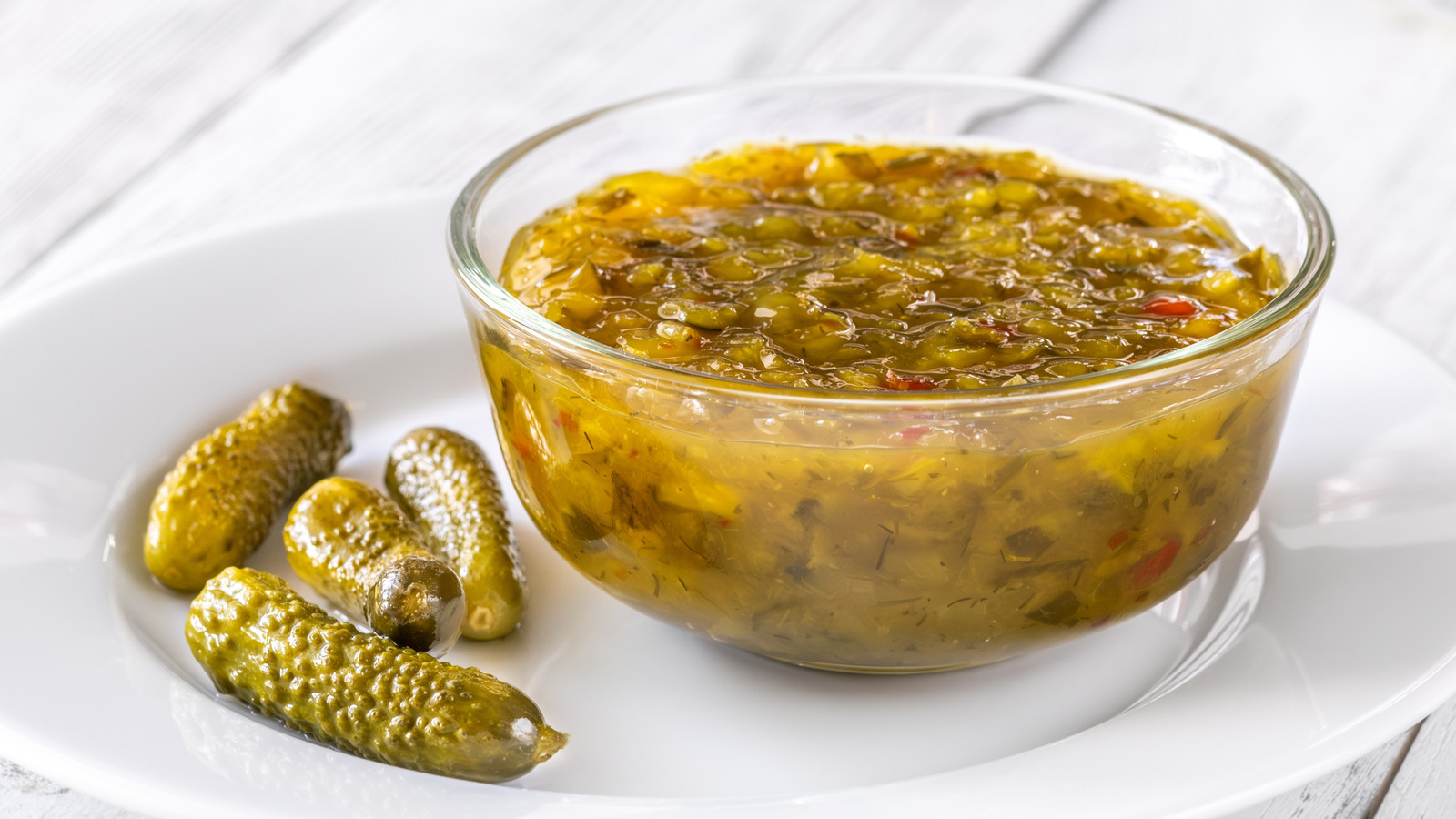
While the tradition of homemade chow chow remains strong, there has been a notable increase in the availability of commercially produced chow chow in recent years. Specialty food stores, farmers’ markets, and online retailers now offer a variety of jarred chow chow varieties. Brands like Plowboy’s Chow-Chow, for instance, cater to consumers seeking the authentic taste of this Southern relish without the need for home canning. This growing commercial presence, however, does not diminish the enduring appeal of homemade chow chow, which often embodies a deeper connection to culinary heritage and personal taste. The availability of both homemade and commercially produced options allows individuals to explore and appreciate chow chow in ways that best suit their preferences and lifestyles.
Historical Roots and Regional Significance
The origins of chow chow are somewhat nebulous, as is often the case with regional folk foods. Its development is deeply intertwined with the agricultural cycles of the Southern United States, particularly the abundance of certain vegetables during the late summer and early fall. The practice of pickling and preserving was essential for food security, allowing communities to enjoy the bounty of the harvest throughout the year. Green tomatoes, a common ingredient in chow chow, are harvested before they ripen, making them a readily available and versatile vegetable for pickling. Cabbage, another key component, stores well and is a staple in many pickling recipes.
The term "chow chow" itself is believed to have various etymological roots, possibly stemming from French, Chinese, or even Native American languages, reflecting the diverse cultural influences that have shaped Southern cuisine. Regardless of its precise linguistic origins, the condiment became a distinctive feature of Southern culinary identity. Its prevalence in states like North Carolina, South Carolina, Georgia, and Virginia solidifies its status as a regional icon.
The evolution of chow chow can be seen as a reflection of broader trends in American foodways. As agricultural practices changed and refrigeration became more common, the necessity for extensive home preservation diminished for some. However, the cultural significance of foods like chow chow endured, transitioning from a practical necessity to a cherished culinary tradition. The ongoing popularity of chow chow, both in its traditional homemade form and through increasing commercial availability, demonstrates its lasting appeal and its ability to connect people to their heritage.
Data and Analysis: Understanding the Market and Consumption Trends
While precise, up-to-date market data specifically for chow chow can be challenging to isolate due to its often artisanal and regional nature, general trends in the condiment market provide context. The global condiment market is a robust and expanding sector, driven by consumer demand for flavor enhancement and convenience. According to various market research reports, the market is projected to continue its growth trajectory, fueled by factors such as the increasing popularity of home cooking, the rise of ethnic and fusion cuisines, and a growing consumer interest in gourmet and specialty food products.
Within this broader market, regional specialties like chow chow occupy a niche but dedicated segment. The increasing availability of jarred chow chow suggests a growing consumer base beyond its traditional Southern stronghold. Online sales platforms, such as Amazon, show a consistent demand for various brands, indicating that consumers across the United States, and potentially internationally, are seeking out this unique condiment. For example, a search for "chow chow" on Amazon yields dozens of options from different producers, ranging in price and ingredient profiles. This suggests a market segment willing to pay a premium for authentic or artisanal versions of traditional foods.
The implications of this trend are twofold. Firstly, it signifies a broader cultural appreciation for regional American cuisines. As consumers become more adventurous in their culinary exploration, they are increasingly seeking out authentic flavors and traditional products. Chow chow, with its rich history and distinctive taste, fits this profile perfectly. Secondly, the commercialization of chow chow, while offering convenience, also raises questions about authenticity and tradition. Consumers often seek out homemade versions for their perceived superior quality and connection to heritage. This creates a dynamic where both artisanal producers and home cooks play crucial roles in preserving and promoting chow chow’s legacy.
The analysis of consumer reviews for commercially available chow chow often reveals a focus on key attributes such as sweetness, tanginess, spiciness, and the texture of the vegetables. Positive reviews frequently mention the "authentic taste," "perfect balance of flavors," and "satisfying crunch." Conversely, negative reviews might point to excessive sweetness, a lack of tang, or a mushy texture. This feedback loop is invaluable for producers, guiding them in refining their recipes to meet consumer expectations.
Future Outlook and Cultural Preservation
The enduring popularity of both relish and chow chow underscores the power of condiments to define and enhance culinary experiences. As food trends continue to evolve, with a growing emphasis on farm-to-table practices, artisanal production, and the exploration of regional cuisines, both relish and chow chow are well-positioned to maintain their relevance.
For chow chow, the challenge and opportunity lie in balancing tradition with accessibility. The preservation of heirloom recipes and the encouragement of home canning practices are vital for maintaining its cultural integrity. Simultaneously, the continued development of high-quality commercial products can introduce chow chow to new audiences, fostering appreciation for this Southern delicacy. The ongoing dialogue and experimentation within culinary communities, from home cooks sharing recipes online to chefs incorporating regional ingredients into their menus, will undoubtedly shape the future of chow chow.
In essence, the distinction between relish and chow chow is not merely semantic; it is a reflection of regional culinary identity, ingredient ingenuity, and the enduring appeal of well-crafted, flavorful condiments. Whether one reaches for a classic pickle relish or a vibrant jar of homemade chow chow, both serve as delicious testaments to the rich tapestry of food traditions that continue to delight palates across the nation. The continued exploration and celebration of these diverse condiments ensure their place at the table for generations to come.