
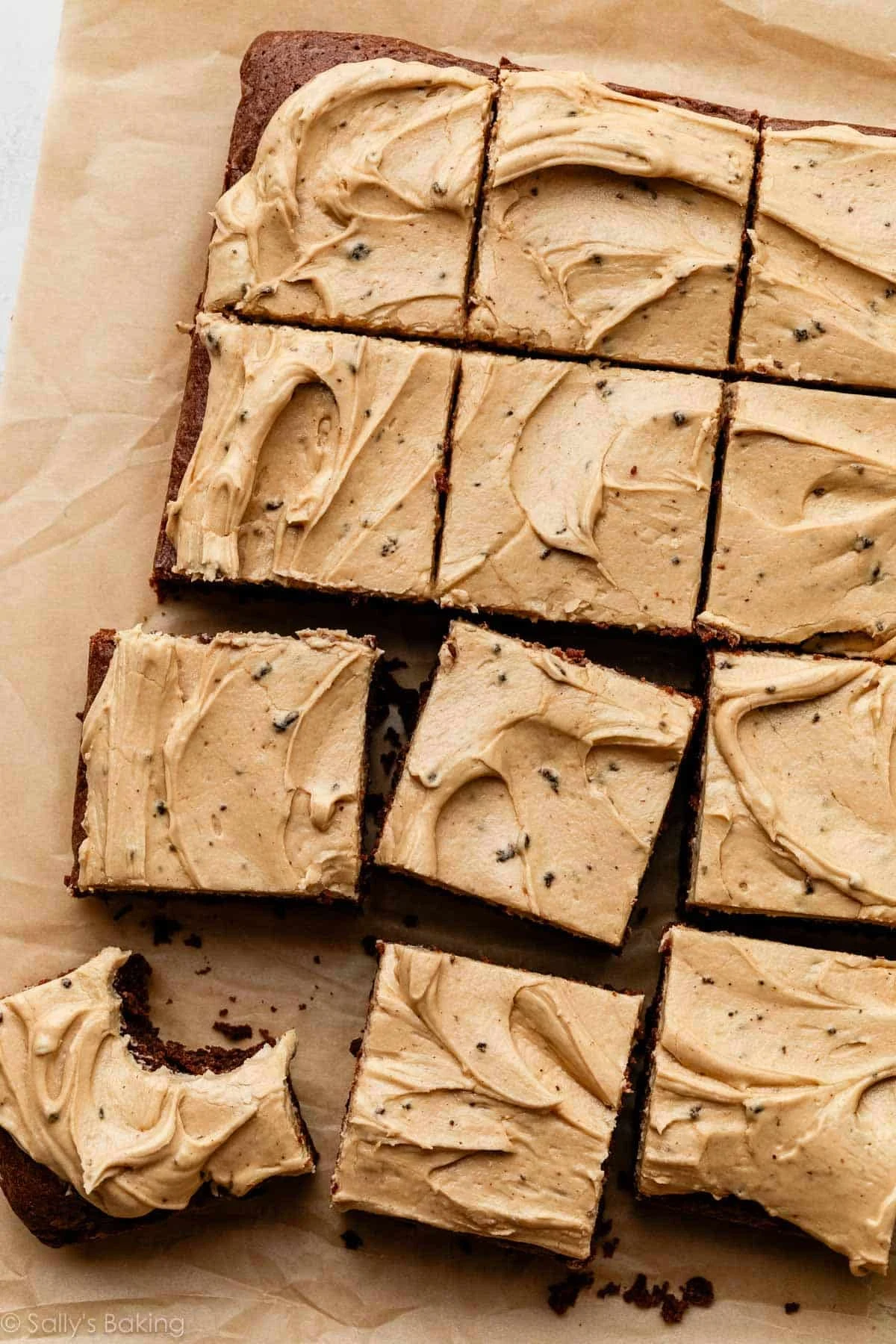
Guinness brownies have emerged as a distinctive and increasingly popular dessert, particularly coinciding with St. Patrick’s Day celebrations, offering a sophisticated twist on a beloved classic. These deeply fudgy, intensely chocolatey treats, crowned with a creamy Guinness-infused frosting, exemplify a growing trend in culinary innovation where traditional beverage elements are integrated to enhance and deepen dessert flavors. Far from tasting overtly like beer, the inclusion of Guinness stout is a deliberate act of flavor alchemy, designed to intensify the chocolate’s natural richness with subtle roasted, coffee-like, and caramel notes, appealing to a discerning "grown-up palate."
The Science of Flavor: How Guinness Elevates Chocolate
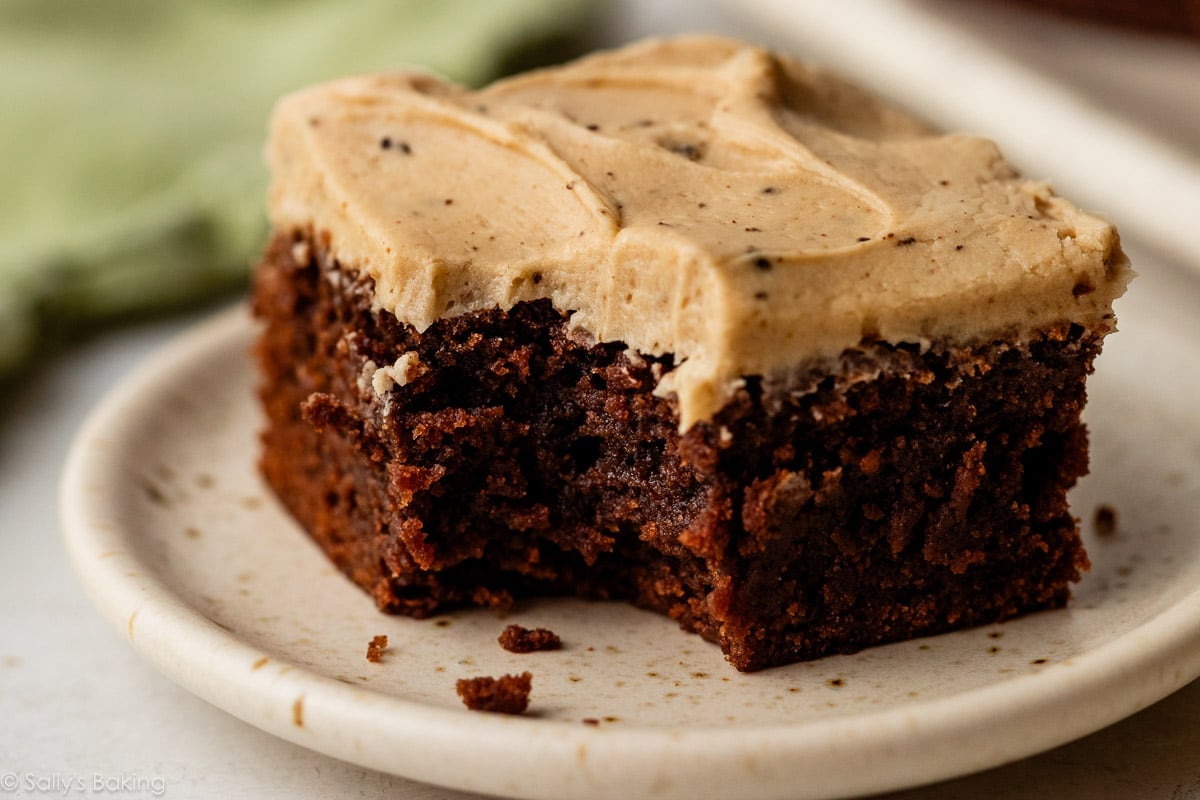
The symbiotic relationship between Guinness stout and chocolate is rooted in their complex flavor profiles. Guinness, known for its dark, smooth, and creamy texture, derives its characteristic taste from roasted barley. This key ingredient imparts a spectrum of flavors reminiscent of roast coffee, rich cocoa, and nuanced caramel. When paired with chocolate, these inherent notes act as natural amplifiers, much in the same way a strong espresso can deepen the flavor of a chocolate cake or sauce. The roasted elements in Guinness harmonize with the cocoa solids in chocolate, creating a more profound and multi-layered taste experience than chocolate alone could offer. This principle is not new; professional chefs and home bakers have long understood the power of contrasting or complementary flavors to elevate a dish. For instance, a pinch of salt enhances sweetness, and a touch of coffee grounds can make chocolate taste "more chocolatey." Guinness stout operates on a similar principle, adding a layer of complexity and a subtle malty background that transforms a standard brownie into something extraordinary. This flavor synergy is why stout is frequently found alongside chocolate in various dessert applications, from cakes and cupcakes to ice creams.
A Chronology of Culinary Innovation: From Pint to Pastry
The integration of alcoholic beverages into baking is a long-standing culinary tradition, with historical examples ranging from rum cakes and fruit brandied pastries to wine reductions in sauces and desserts. However, the specific popularization of Guinness in chocolate desserts, particularly brownies, represents a more recent, yet rapidly expanding, trend. While Guinness has been a staple in Irish cuisine, often featuring in savory dishes like stews, its transition into the dessert realm began gaining significant traction in the early 21st century. Recipes for Guinness chocolate cake and cupcakes have circulated for years, but the particular adaptation to brownies, as evidenced by its original publication in 2018 and subsequent refinements, marks a key moment in its widespread adoption. The consistent updates and increased visibility of such recipes underscore their enduring appeal and the public’s appetite for sophisticated, yet accessible, home baking projects. The timing of its peak popularity often aligns with St. Patrick’s Day, transforming the traditional Irish stout from a celebratory drink into a foundational ingredient for festive baking, allowing enthusiasts to incorporate a touch of Irish heritage into their culinary celebrations.

The Essential Technique: Reducing the Stout for Potent Flavor
Central to achieving the desired flavor and texture in Guinness brownies is a critical preparatory step: reducing the Guinness stout. This technique, while seemingly simple, is a cornerstone of advanced baking and flavor concentration. By simmering a full bottle of Guinness on the stovetop, the water content within the beer evaporates, leaving behind a more concentrated syrup of its flavor compounds. This process intensifies the malty, roasted, and caramel notes of the stout, ensuring that its essence is potent enough to shine through the rich chocolate without introducing excessive liquid into the brownie batter.
The importance of reduction cannot be overstated. Brownie batters are meticulously balanced for moisture content; an excess of liquid can result in a cakey, gummy, or even crumbly texture, undermining the desired dense and fudgy consistency. By reducing the beer, bakers achieve a powerful flavor extract that integrates seamlessly into the batter, contributing depth without compromising structural integrity. This methodology is not unique to Guinness; it is a common practice in baking to concentrate the flavors of various liquids, such as fruit purees for strawberry cake, apple cider for donuts, or champagne for delicate cake rolls. In the case of these brownies, approximately 1/2 cup (120g/ml) of the reduced Guinness is incorporated into the brownie batter, with an additional 2 and 1/2 Tablespoons (40g/ml) reserved for the accompanying frosting, ensuring a cohesive flavor profile throughout the dessert.
Crafting the Perfect Fudgy Brownie Base
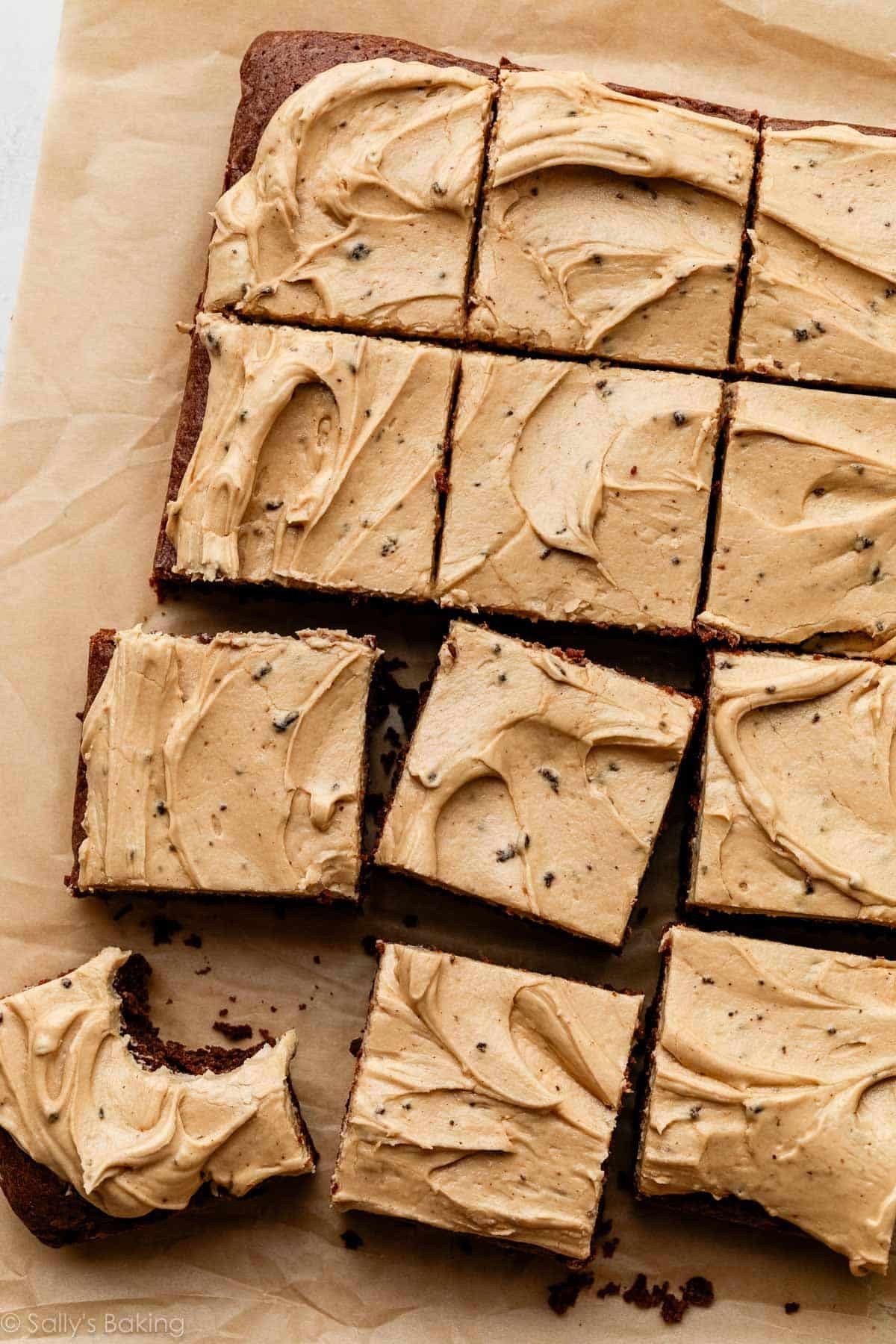
Once the Guinness has been reduced and cooled, the assembly of the brownie batter is remarkably straightforward, focusing on achieving an ultra-fudgy texture that is characteristic of premium brownies. The process begins with melting butter and high-quality chocolate together, forming a rich, smooth base. Cutting the butter into smaller pieces facilitates even melting, whether using a microwave or a double boiler. This melted mixture is then combined with sugar and the precisely measured reduced Guinness, followed by eggs and vanilla extract. The final stage involves gently incorporating the dry ingredients—typically all-purpose flour and a touch of salt. A key characteristic of this recipe, contributing to its signature density, is the deliberate absence of chemical leavening agents like baking powder or baking soda. These agents are typically used to introduce air and create a lighter, cakier crumb. By omitting them, the brownies remain intensely dense and moist, achieving a texture that is often described as being "one step up from eating pure chocolate." The resulting batter is thick and glossy, ready to be spread into a lined 9-inch square metal baking pan. The choice of a metal pan over glass or ceramic is intentional, as metal conducts heat more efficiently and evenly, promoting consistent baking and preventing dry edges or underbaked centers.
The Decadent Crown: Guinness-Infused Frosting
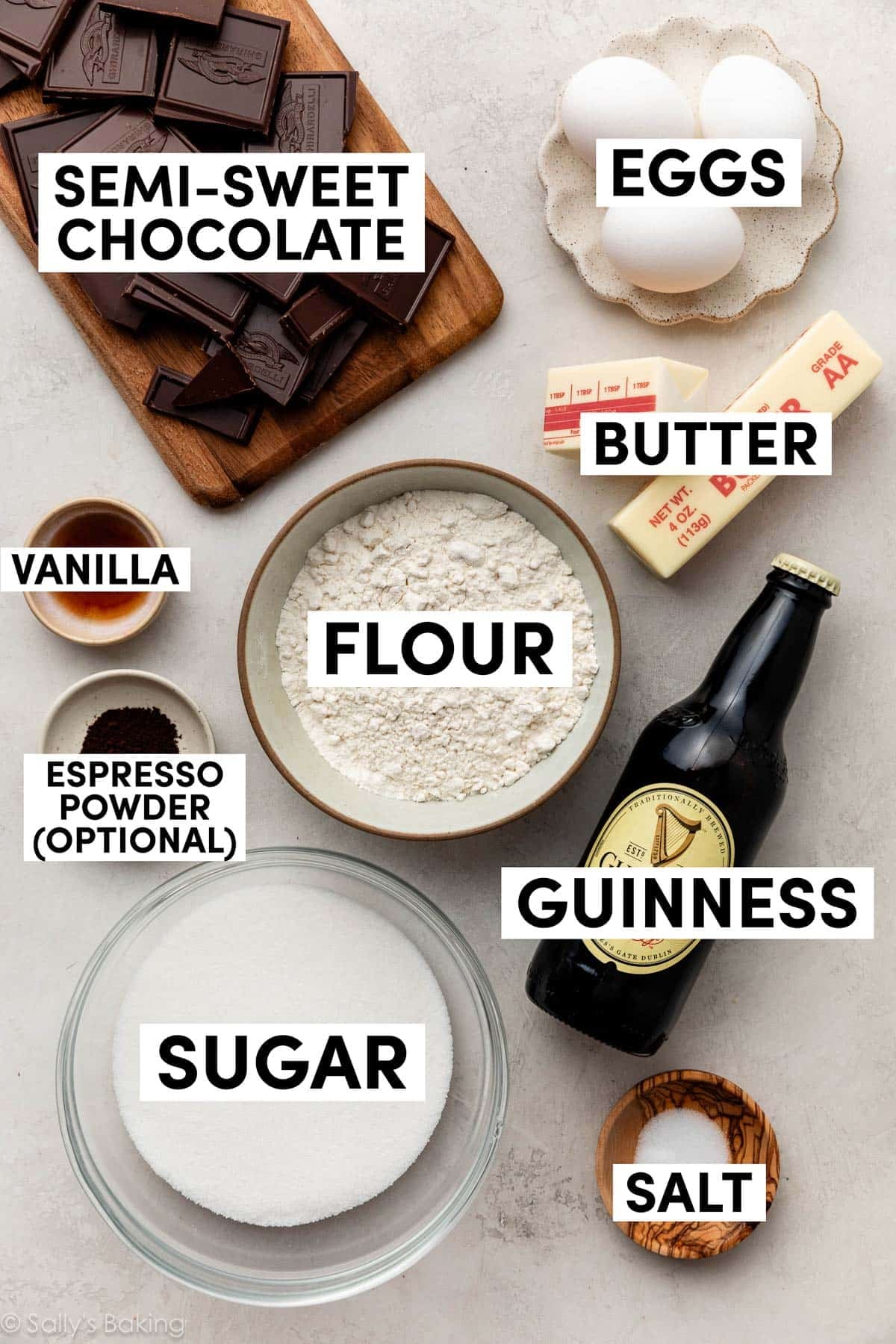
While the Guinness brownies are exceptionally flavorful on their own, their inherent richness and depth are perfectly complemented by a creamy, Guinness-infused frosting. This topping elevates the dessert from a simple brownie to a truly decadent experience. The frosting is crafted to be lightly sweet, allowing the nuanced flavors of the reduced Guinness, combined with espresso powder and vanilla, to shine through. The espresso powder plays a crucial role, much like the stout itself, in enhancing the chocolate notes and adding another layer of complexity. The resulting flavor profile of the frosting is often described as espresso-like, with subtle malty and caramelized undertones derived from the stout. This creates a harmonious blend that resonates with the brownie base without overwhelming it.
The unique taste of this frosting is a testament to thoughtful flavor development, moving beyond mere sweetness to create a truly integrated culinary experience. For those seeking alternative accompaniments, the brownies also pair exquisitely with a scoop of vanilla ice cream, a dollop of homemade whipped cream, or even a mocha whipped cream, offering versatility while maintaining a luxurious finish.
Expert Insights and Public Reception

The emergence and sustained popularity of Guinness brownies reflect broader trends in the culinary world, particularly the demand for sophisticated comfort food and the innovative use of traditional ingredients. Culinary experts often praise such recipes for their clever application of flavor science and their ability to transform humble ingredients into gourmet experiences. Food critics might highlight the balance achieved between the robust stout and the rich chocolate, noting how the former enhances rather than dominates.
Baking enthusiasts and home cooks, in particular, have embraced this recipe for its achievable elegance. The clear instructions and emphasis on key techniques, such as Guinness reduction, empower amateur bakers to produce results typically associated with professional patisseries. This democratic access to high-quality, complex flavors contributes to a vibrant online baking community, where recipes like these are shared, adapted, and celebrated. Representatives from Guinness might view these culinary applications as a testament to the versatility and quality of their product, extending its cultural footprint beyond beverage consumption and into the realm of gourmet food. The trend also taps into the growing market for "adult desserts," which cater to palates seeking more intricate and less overtly sweet flavor profiles.
Broader Implications: Beyond St. Patrick’s Day

The phenomenon of Guinness brownies extends beyond a seasonal treat; it signifies several broader implications for contemporary culinary practices. Firstly, it encourages experimentation with unconventional ingredients in home baking, pushing boundaries and inspiring creativity. Bakers are increasingly willing to explore how diverse elements, traditionally separate, can coalesce into novel and appealing flavor combinations. Secondly, it reinforces the cultural significance of food in celebrations. Recipes like Guinness brownies offer a tangible way to engage with cultural holidays such as St. Patrick’s Day, providing a unique and memorable edible experience that connects to heritage.
Furthermore, the detailed instructions and emphasis on specific techniques, like reduction, contribute to a more informed and skilled home baking community. This focus on process not only guarantees better results but also educates bakers on fundamental culinary principles. Commercially, such recipes drive demand for specific ingredients, benefiting producers of quality stout, chocolate, and other baking staples. The virality of well-crafted recipes also highlights the influence of food bloggers and online platforms in shaping contemporary food trends and preferences. Ultimately, Guinness brownies stand as a testament to the ongoing evolution of baking, demonstrating how classic comfort foods can be reimagined with sophistication, making gourmet flavors accessible and exciting for every kitchen. They are more than just a dessert; they are a celebration of flavor harmony and culinary ingenuity.