
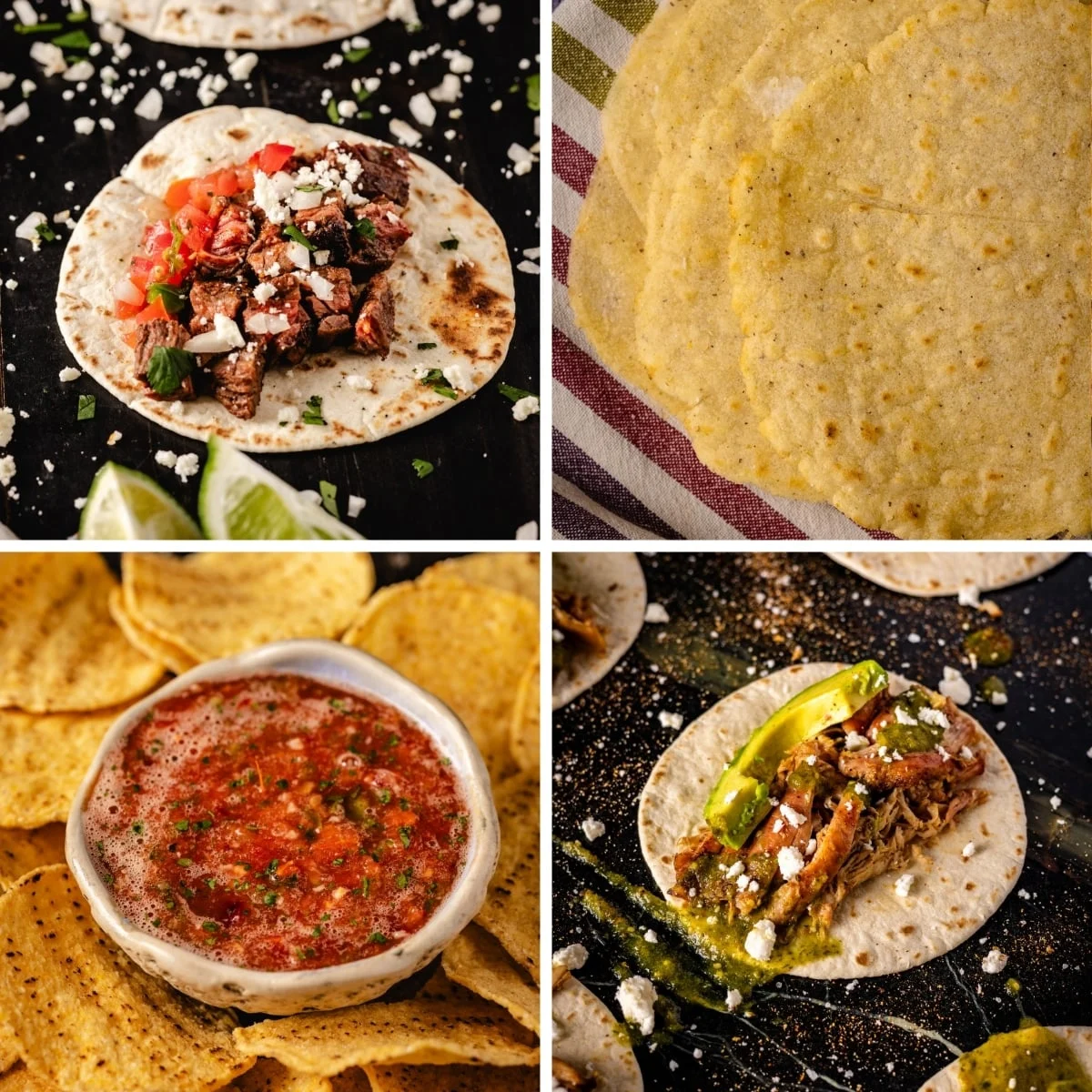
The transition of backyard grilling from a casual weekend hobby into a sophisticated culinary discipline has seen a significant surge in the popularity of specialized regional cuisines, with Mexican-inspired taco nights emerging as a primary focus for outdoor cooking enthusiasts. Culinary experts and home chefs alike are increasingly moving away from pre-packaged kits in favor of artisanal, scratch-made components, ranging from hand-pressed tortillas to complex, multi-layered spice rubs. This shift reflects a broader consumer trend toward food transparency and the desire for "restaurant-quality" experiences within a residential setting. As outdoor kitchen technology continues to evolve, the ability to replicate traditional Mexican street food techniques—such as high-heat searing and slow-smoldering wood-fired braising—has become accessible to the average homeowner, fueling a nationwide movement toward the "backyard taco bar" concept.
The Cultural and Economic Context of the Modern Taco
The taco, a staple of Mexican gastronomy with roots tracing back to the silver mines of the 18th century, has evolved into a global phenomenon. In the United States alone, the Mexican restaurant industry is valued at over $80 billion, with tacos serving as the most versatile and recognizable vessel for flavor. The democratization of grilling equipment, including the rise of pellet smokers, ceramic kamado-style grills, and high-performance gas stations, has allowed for a hybridization of American barbecue culture and traditional Mexican recipes.

According to market research, the "outdoor living" sector saw a 20% increase in growth over the last three years, as more families invested in high-quality cooking apparatuses. This economic shift has directly influenced home dining habits. The "Taco Tuesday" tradition, once dominated by hard-shell beef tacos and shredded yellow cheese, has been replaced by a demand for authentic proteins like Beef Barbacoa, Chile Lime Chicken, and Pork Al Pastor. The following sections detail the technical requirements for executing a professional-grade taco night on the grill.
The Foundation: The Chemistry and Craft of the Tortilla
A taco is structurally dependent on its foundation: the tortilla. While supermarket options are convenient, culinary purists argue that the aromatic and textural qualities of a fresh tortilla are irreplaceable. The choice between corn and flour tortillas often dictates the flavor profile of the entire meal.
Corn Tortillas and Nixtamalization
Traditional corn tortillas are the product of nixtamalization, a process where dried corn is soaked and cooked in an alkaline solution, usually limewater. This process not only makes the corn easier to grind but also increases its nutritional value and enhances the flavor. When preparing corn tortillas for the grill, moisture content is critical. A dough that is too dry will crack, while one that is too wet will stick to the press. Grilling these tortillas over direct heat for 30 to 45 seconds per side creates slight charring and a flexible, steaming interior that complements smoky meats.

Flour Tortillas and Lipid Content
Flour tortillas, more common in Northern Mexican and Tex-Mex cuisine, rely on the inclusion of fats—traditionally lard, though vegetable shortening or butter are common modern substitutes. The gluten development in flour tortillas allows them to be stretched thinner than corn, making them ideal for heavier fillings. When placed on a hot grill grate, the fats within the dough expand, creating air pockets and a "pillowy" texture that is highly sought after by connoisseurs.
The Science of Flavor: Seasonings and the Maillard Reaction
The primary driver of a successful grilled taco is the seasoning of the protein. Professional grilling relies heavily on dry rubs and marinades to facilitate the Maillard reaction—a chemical reaction between amino acids and reducing sugars that gives browned food its distinctive flavor.
The Fiesta Rub Profile
A standard-setting taco seasoning, often referred to as a "Fiesta Rub," typically utilizes a base of cumin, chili powder, and garlic. However, professional iterations often include dehydrated lime juice for acidity and smoked paprika to bridge the gap between the meat and the wood fire. The inclusion of sugar in these rubs is a calculated move; it aids in caramelization, creating a crust that locks in moisture during high-heat applications.

Alternative Seasoning Strategies
For those seeking specific regional profiles, Fajita seasonings emphasize black pepper and onion powder, designed to stand up to the high-heat searing of skirt steak. In contrast, "bright" seasonings may utilize higher concentrations of citrus zest and cilantro to complement lighter proteins like white fish or shrimp.
Chronology of Preparation: A Professional Timeline
Executing a multi-component taco night requires meticulous timing to ensure all elements reach the table at their peak temperature and texture.
- 24 Hours Prior: Preparation of long-lead proteins. Meats such as Beef Barbacoa require slow braising or smoking. This is also the optimal time for marinating Al Pastor pork in a blend of achiote paste and pineapple juice, allowing the enzymes to tenderize the meat.
- 4 Hours Prior: Preparation of salsas and cold toppings. Allowing salsas to "rest" in the refrigerator permits the flavors of the peppers, onions, and acids to meld.
- 2 Hours Prior: Dough preparation. Whether using masa harina for corn or wheat flour for flour tortillas, the dough requires a resting period to hydrate the starches and relax the gluten.
- 1 Hour Prior: Preheating the grill. Maintaining a dual-zone heat setup—one side for high-heat searing and the other for indirect warming—is essential for managing different proteins simultaneously.
- 30 Minutes Prior: Final assembly of the taco bar. This includes prepping fresh cilantro, diced white onions, radishes, and lime wedges.
- Active Cooking: Grilling of quick-cooking proteins (chicken, steak) and the final warming of tortillas.
Protein Analysis: From Barbacoa to Al Pastor
The choice of meat defines the character of the taco night. Each protein requires a specific thermal approach to maximize its potential.

- Beef Barbacoa: Traditionally cooked in underground pits, modern grilled barbacoa is achieved through a combination of initial smoking followed by a "braise" in a lidded vessel on the grill. The result is a shredded beef that is rich in collagen and deep smoky undertones.
- Chile Lime Chicken: This protein benefits from a direct-heat approach. Using boneless, skinless thighs provides a higher fat content than breasts, ensuring the meat remains succulent even under the intense heat of charcoal or gas flames.
- Pork Al Pastor: While traditionally cooked on a vertical rotisserie (trompo), home grillers can replicate this by slicing marinated pork shoulder thinly and grilling it over high heat to achieve "crispy bits" that mimic the shaved edges of the traditional preparation.
The Role of Salsas and Condiments in Balancing Palates
A journalistic analysis of taco composition would be incomplete without addressing the role of acidity and heat. Salsas are not merely toppings; they are functional components designed to cut through the richness of grilled fats.
- Salsa Verde: Utilizing roasted tomatillos, this salsa provides a tart, acidic counterpoint to fatty meats like carnitas or barbacoa.
- Smoked Queso: The inclusion of a warm, wood-fired cheese dip adds a textural contrast, particularly popular in American-style taco gatherings.
- Fresh Pico de Gallo: The "crunch" factor provided by raw onions and tomatoes is essential for a balanced mouthfeel, providing a refreshing break from the heat of the grilled proteins.
Broader Implications and Culinary Trends
The rise of the "Backyard BBQ Hero" is more than a social media trope; it represents a significant shift in how modern families approach community and dining. By taking ownership of the entire production process—from the dough to the fire—home cooks are reclaiming traditional methods that were largely lost to industrial food production in the mid-20th century.
Furthermore, the environmental and health implications of this trend are notable. Scratch-made tacos generally contain lower sodium and fewer preservatives than their processed counterparts. The use of the grill also encourages outdoor socialization, which sociologists have linked to improved mental well-being and stronger communal ties.

Expert Recommendations for Successful Execution
To achieve consistent results, industry experts suggest the use of digital meat thermometers to ensure food safety and optimal texture. For beef, a pull temperature of 130°F (54°C) for steak-based tacos is recommended, while shredded varieties should reach 203°F (95°C) for maximum tenderness. Tortillas should be kept in a dedicated warmer or wrapped in a clean kitchen towel immediately after grilling to maintain pliability.
In conclusion, the modern grilled taco night is a sophisticated orchestration of heat, chemistry, and tradition. By understanding the foundational elements of the tortilla, the science of the rub, and the logistics of the grill, any individual can transition from a casual cook to a master of the backyard culinary arts. The continued evolution of this trend suggests that the taco will remain a central figure in the landscape of global outdoor cooking for the foreseeable future.