
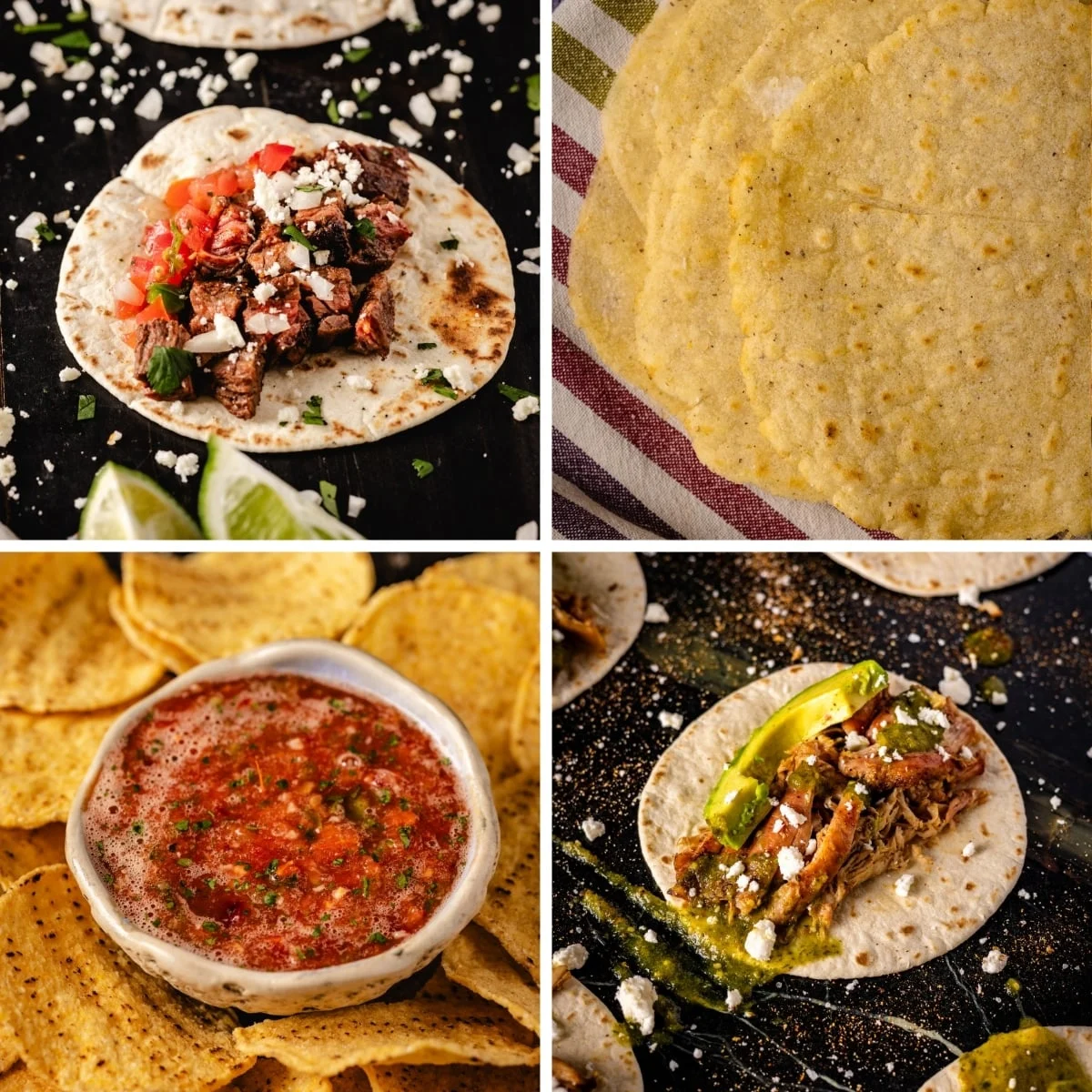
The trend of outdoor culinary experimentation has seen a significant shift toward artisanal taco preparation, moving away from pre-packaged kits toward comprehensive, from-scratch methods that utilize the unique heat profiles of charcoal and pellet grills. This evolution in backyard entertaining reflects a broader movement in the American culinary landscape, where the fusion of traditional Mexican street food and low-and-slow barbecue techniques has created a new standard for home hosting. As the outdoor cooking market continues to expand—projected to reach a global valuation of over $7 billion by 2030—the "taco bar" has emerged as a preferred format for its versatility, dietary inclusivity, and the depth of flavor provided by wood smoke and high-heat searing.
The Foundation of the Modern Taco: Artisanal Tortilla Production
At the core of the elevated taco experience is the move toward homemade tortillas, a process that distinguishes a gourmet backyard event from a standard meal. Culinary experts emphasize that the tortilla is not merely a vessel but a structural and flavor-contributing component. The choice between corn and flour tortillas often dictates the entire profile of the meal.

Corn tortillas, rooted in ancient nixtamalization processes, offer a sturdy, earthy base that complements heavy, smoky meats like beef barbacoa or brisket. When prepared on a grill, the edges of the corn tortilla undergo a slight charring, which enhances the sweetness of the corn. Conversely, flour tortillas, which gained prominence in Northern Mexico and the American Southwest, provide a softer, more pliable texture suited for grilled chicken or seafood. The introduction of high-heat grilling to the tortilla-making process allows for the Maillard reaction to occur more rapidly than on a traditional stovetop, resulting in a superior aroma and texture.
Industry data suggests that the demand for "clean label" and homemade ethnic breads has risen by 15% over the last three years, as consumers increasingly prioritize control over ingredients such as lard, vegetable oils, and preservatives. By producing these staples in a backyard setting, hosts are able to serve a product that is free from the stabilizers found in commercial alternatives, significantly improving the overall sensory experience.
The Chemistry of Flavor: Seasoning and Rub Profiles
A critical stage in the chronology of taco preparation is the application of complex seasoning blends. The "Fiesta Rub," a cornerstone of modern grilled taco recipes, exemplifies the balance of salt, acid, and heat. Journalistic analysis of seasoning trends reveals a shift toward "citrus-forward" rubs that utilize dehydrated lime and lemon peel to cut through the richness of smoked animal fats.

The composition of a professional-grade taco seasoning typically involves a base of chili powder (often a blend of Ancho, Guajillo, and Pasilla), cumin for earthiness, and garlic powder for savory depth. The addition of bright notes, such as lime zest or citric acid, serves to tenderize the meat fibers while providing a counterpoint to the smoke. For those seeking alternatives to traditional profiles, fajita seasonings emphasize black pepper and onion, creating a more piquant flavor suited for rapid searing at temperatures exceeding 450 degrees Fahrenheit.
Strategic Protein Selection and Smoking Chronology
The success of a grilled taco night depends heavily on the timing and temperature management of various proteins. The preparation of taco meats can be divided into two primary categories: low-and-slow smoking and high-heat direct grilling.
- Beef Barbacoa and Brisket: These cuts require a significant time investment, often smoking for 8 to 12 hours. The objective is the breakdown of collagen into gelatin, resulting in a succulent, shreddable texture. Utilizing fruitwoods like cherry or apple provides a mild smoke ring that does not overpower the beef’s natural flavor.
- Al Pastor and Pork Shoulder: Traditionally cooked on a vertical rotisserie (trompo), the backyard adaptation involves marinating pork in achiote and pineapple juice before grilling. The enzymes in the pineapple act as a natural tenderizer, while the sugars caramelize under the grill’s flame, creating the signature charred exterior.
- Chile Lime Chicken and Skirt Steak: These proteins are optimized for direct heat. Skirt steak (carne asada) benefits from a rapid sear to maintain a medium-rare interior, while chicken thighs are preferred over breasts for their higher fat content, which prevents drying out during the intense heat of the grill.
According to market research from the Hearth, Patio & Barbecue Association (HPBA), nearly 70% of grill owners in North America use their equipment to experiment with different types of meat, with Mexican-inspired dishes ranking in the top three most frequent categories.

The Role of Smoked Salsas and Condiments
No professional taco assembly is complete without the integration of fresh and smoked salsas. The transition from raw salsa to "salsa tatemada" (roasted salsa) is a hallmark of the backyard grill master. By charring tomatoes, onions, jalapeños, and garlic directly over coals, the ingredients develop a smoky sweetness that raw blending cannot replicate.
Salsa selection is increasingly treated with the same precision as wine pairing. A bright, acidic salsa verde (tomatillo-based) is frequently paired with fatty pork to provide balance, while a rich, smoky red salsa (tomato and dried chili-based) complements the robustness of beef. Furthermore, the rise of "smoked queso" as a communal appetizer has transformed taco night from a simple meal into a multi-course culinary event. This involves melting high-quality cheeses in a cast-iron skillet within the grill, allowing the cheese to absorb the wood-fire essence.
Broader Implications: The Rise of the "Backyard BBQ Hero"
The cultural impact of the "from-scratch" taco night extends beyond the kitchen. Social media platforms, particularly Instagram and YouTube, have democratized professional cooking techniques, allowing amateur cooks to achieve results that were previously reserved for commercial kitchens. Susie Bulloch, a prominent figure in the outdoor cooking industry and founder of the Hey Grill Hey platform, has noted that the "Backyard BBQ Hero" phenomenon is driven by a desire for community and the satisfaction of craftsmanship.

"The best part about nailing taco night on the grill is sharing the results with the people you love," Bulloch states. This sentiment is backed by sociological studies suggesting that "interactive dining"—where guests can customize their own plates from a variety of prepared ingredients—increases social bonding and overall meal satisfaction.
From an economic perspective, the DIY taco bar offers a cost-effective alternative to traditional catering or restaurant dining. While the initial investment in high-quality meats and charcoal is higher than a standard home meal, the price-per-person remains significantly lower than a comparable experience at a high-end Mexican steakhouse.
Chronology of a Successful Taco Event
To achieve a seamless execution, a structured timeline is essential:

- 24 Hours Prior: Marinate proteins (Al Pastor, Carne Asada) and prepare the dough for flour tortillas.
- 12 Hours Prior: Begin the "low-and-slow" smoke for beef barbacoa or pork carnitas.
- 3 Hours Prior: Prepare cold salsas and chop fresh toppings (cilantro, white onion, radishes).
- 1 Hour Prior: Roast vegetables for smoked salsas and prepare the grill for high-heat finishing.
- 30 Minutes Prior: Press and grill tortillas, keeping them warm in a dedicated cloth-lined warmer.
- Service: Slice meats against the grain to ensure tenderness and arrange the "taco bar" for guest assembly.
Conclusion and Future Outlook
The backyard taco night represents a sophisticated intersection of tradition and modern grilling technology. As consumers continue to seek authentic flavor profiles and "experiential" home dining, the demand for specialized rubs, artisanal tortilla presses, and high-performance smokers is expected to rise. By focusing on the foundational elements—from the nixtamalized corn of the tortilla to the precise internal temperature of the smoked brisket—home cooks are transforming a simple Tuesday night tradition into a high-level culinary achievement. This movement not only preserves the rich heritage of Mexican cuisine but also adapts it for the unique environment of the North American backyard, ensuring its place as a staple of the global grilling culture.