
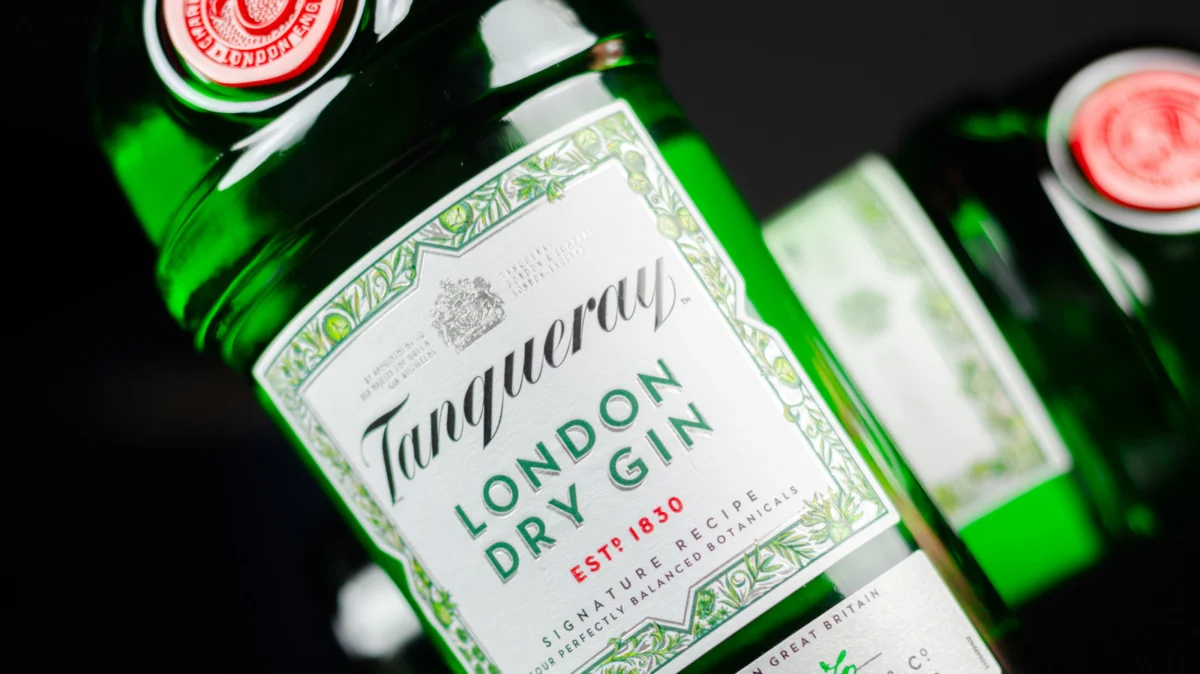
Established in 1830, Tanqueray London Dry Gin stands as a titan in the spirits world, renowned for its approachable yet complex flavor profile and iconic bottle design. More than just a popular spirit, Tanqueray represents a significant chapter in the history of gin production, embodying the evolution of the "London dry" style. With a rich heritage spanning nearly two centuries, this gin has not only maintained its appeal but has consistently ranked among the top-selling brands globally, moving an impressive 4.37 million nine-liter cases in 2025 alone, according to The Spirits Business. This comprehensive guide delves into the origins, craftsmanship, taste, and enduring legacy of Tanqueray London Dry Gin.
The Genesis of a Gin Icon: A Historical Overview
The story of Tanqueray begins with Charles Tanqueray, a visionary who, alongside his brother Edward, established a distillery in London in 1830. Their innovation lay in a departure from the then-prevalent sweeter style of gin, known as Old Tom. By omitting sugar and focusing on a more pronounced juniper character, the Tanqueray brothers pioneered what would become known as the "London dry" gin style. This bold move laid the foundation for a gin that prioritized a cleaner, crisper profile, a characteristic that continues to define the brand today.
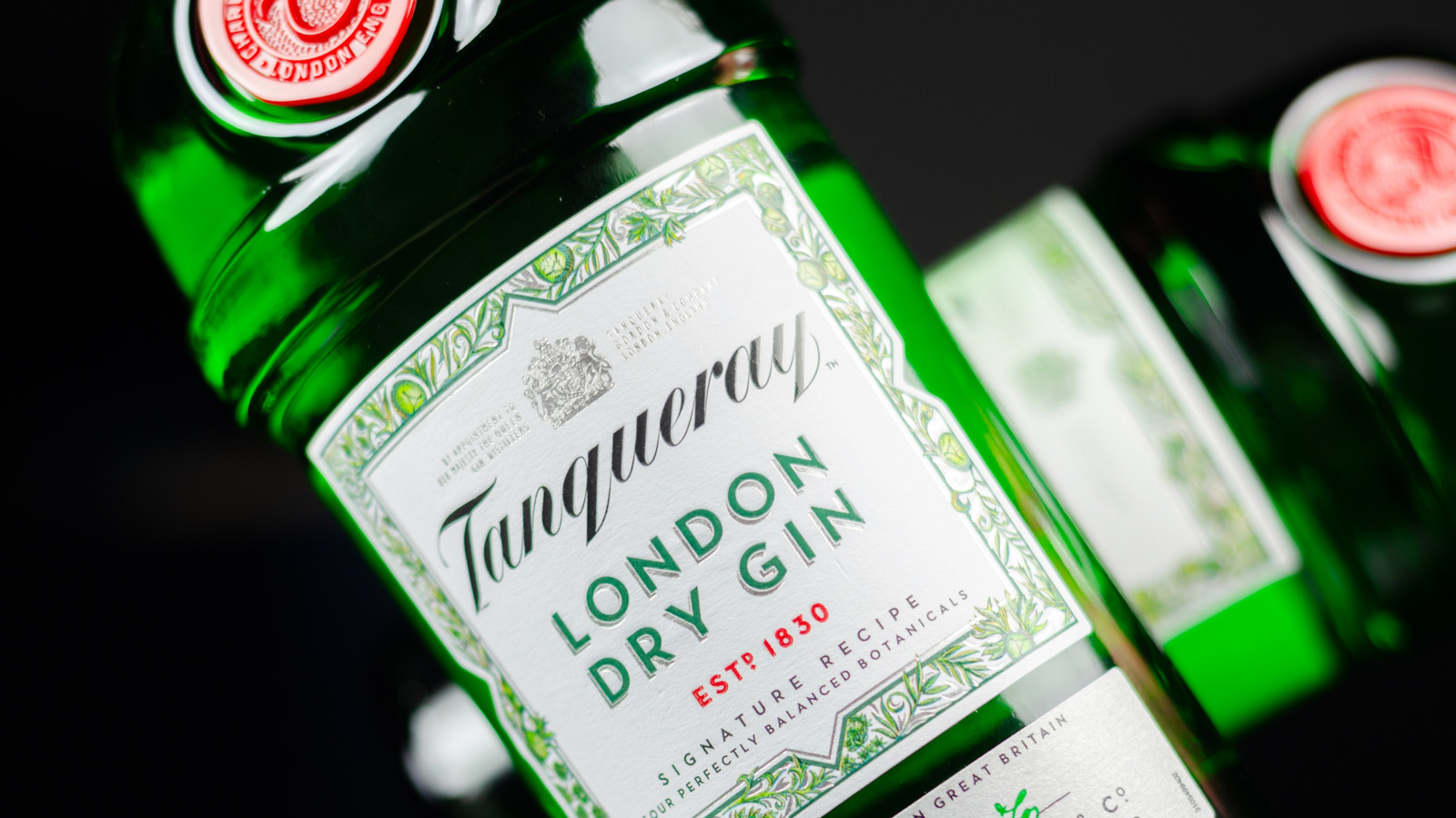
The Tanqueray distillery operated as a family enterprise for several generations, a testament to its enduring success and commitment to quality. However, the Blitz of World War II brought significant challenges, with the original London distillery sustaining severe damage. Despite this setback, the Tanqueray legacy endured. Today, the production of Tanqueray gin has been relocated to the Cameronbridge Distillery in Fife, Scotland, a facility recognized as the largest grain distillery in Europe. This transition signifies a modernization of production while aiming to preserve the time-honored distillation methods and botanical recipes that have made Tanqueray a global favorite.
Decoding the Flavor Profile: A Symphony of Botanicals
Tanqueray London Dry Gin is celebrated for its distinct and versatile taste, a direct result of its carefully curated botanical blend. The gin’s aroma is often described as having a strong presence of licorice and citrus notes, hinting at the complexity within. Upon tasting, these initial impressions are subtly refined. Juniper, as is characteristic of all gins, forms the predominant flavor, lending its signature piney and citrusy essence. This robust juniper backbone is what gives Tanqueray its classic gin character.
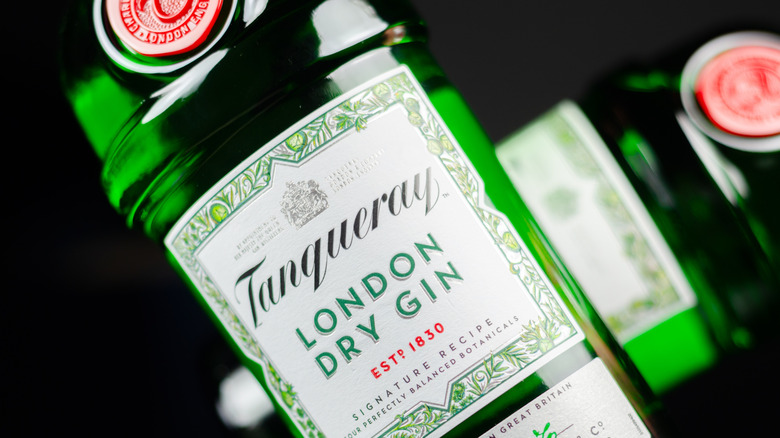
However, Tanqueray’s distinctiveness stems from the interplay of its other three botanicals: angelica, licorice, and coriander. The angelica root contributes a subtle vegetal note, reminiscent of carrot or celery, adding an earthy depth. The licorice provides a touch of sweetness and a hint of anise, while the coriander seeds impart a bright, herbaceous, and slightly citrusy spice. This precise combination of four key botanicals creates a balanced and layered flavor profile that is both bold enough to stand on its own and versatile enough to complement a wide array of cocktails. The gin also boasts a slightly higher alcohol-by-volume (ABV) percentage than many of its counterparts, typically at 47.3%, which contributes to its robust flavor and excellent mixing capabilities.
The Art of Distillation: Precision and Tradition
The meticulous production process of Tanqueray London Dry Gin is central to its consistent quality and distinctive character. The gin undergoes a four-part distillation process. This multi-stage distillation is crucial for refining the neutral spirit, stripping away any harsh or unwanted flavors and allowing the carefully selected botanicals to infuse their essence into the spirit.
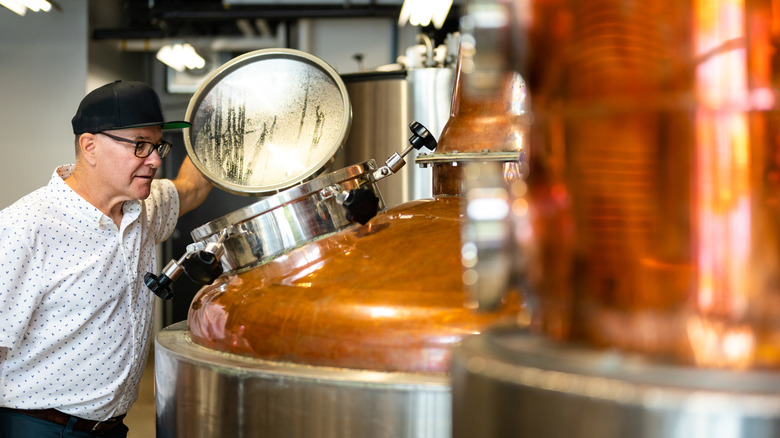
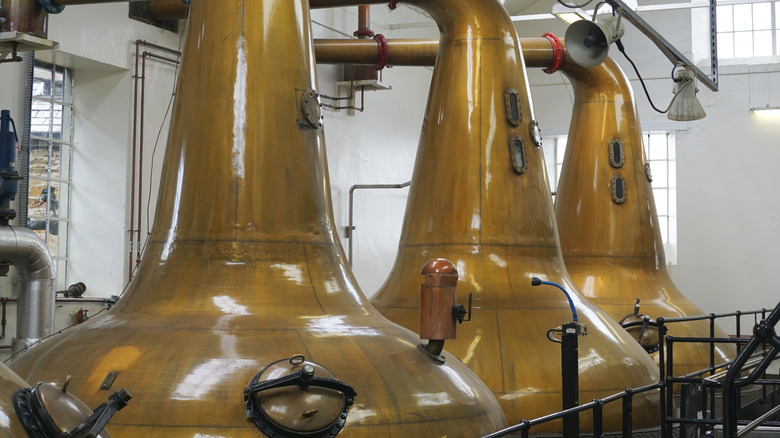
A cornerstone of Tanqueray’s production, and a significant point of pride, is the continued use of copper pot stills. Copper plays a vital role in gin distillation. It chemically reacts with sulfur compounds present in the neutral spirit, effectively neutralizing unpleasant flavors and contributing to a smoother taste. Furthermore, copper is an excellent conductor of heat, ensuring even temperature distribution throughout the still. This uniformity is critical for achieving optimal separation of the desired aromatic compounds from less desirable elements, leading to a cleaner and more refined spirit. The use of copper also encourages the formation of esters, which contribute to the gin’s bright, fruity notes, and its natural antibacterial properties ensure a safe and pure product.
Remarkably, Tanqueray continues to utilize an over-250-year-old copper still, affectionately nicknamed "Old Tom," which originated from the brand’s historic London distillery. This venerable piece of equipment, a namesake nod to a historical gin style, has seen every drop of Tanqueray pass through it at some point during production. While the true impact of such prolonged use on taste is a subject of ongoing discussion, its continued operation is an undeniable testament to the enduring quality of the manufacturing equipment and a profound homage to Tanqueray’s rich history. This dedication to heritage is so significant that Tanqueray even released a limited-edition "Old Tom" gin in 2014, incorporating one of Charles Tanqueray’s experimental recipes that included beet root sugar.
Crafting Cocktails: Versatility in Every Sip
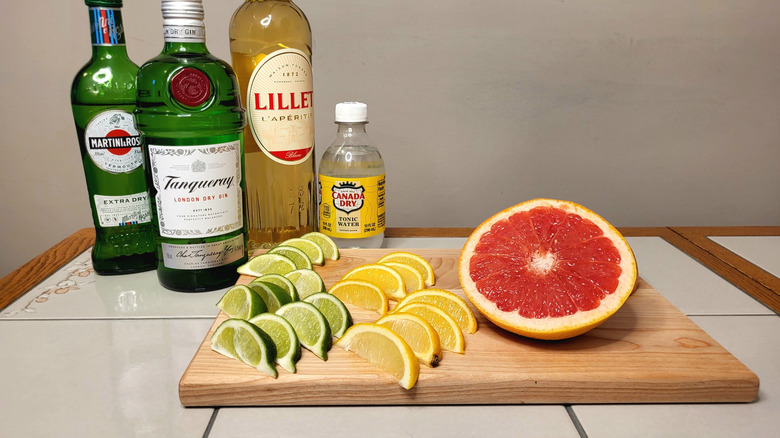
Tanqueray London Dry Gin’s balanced flavor profile makes it an exceptional ingredient in a vast array of cocktails, from the simplest to the most complex. While it’s rarely advisable to drink gin neat due to its potent nature, Tanqueray’s inherent qualities allow it to shine in expertly crafted mixed drinks.
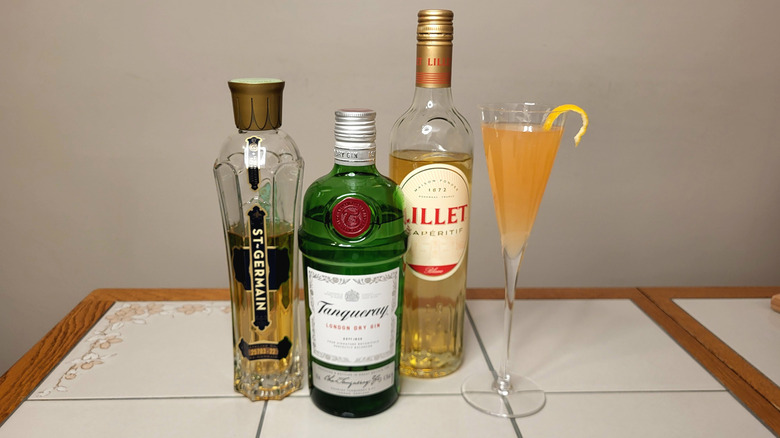
The gin’s prominent citrus notes pair exquisitely with ingredients like lemon, lime, and orange. This makes it a natural fit for classic citrus-forward cocktails. The Tom Collins, a refreshing concoction of gin, lemon juice, simple syrup, and club soda, is a prime example. For an added layer of coolness, muddling cucumber before shaking can elevate this timeless drink. Tanqueray also finds a sophisticated home in the French blonde, a summery cocktail featuring lemon juice, grapefruit juice, Lillet blanc, and elderflower liqueur, shaken to perfection.
Given its status as a particularly dry gin with a relatively straightforward botanical composition, Tanqueray also excels in cocktails that place the spirit front and center. The classic Martini, with its minimalist combination of dry vermouth and a garnish of olive or lemon twist, allows Tanqueray’s nuanced flavors to be fully appreciated. Similarly, its bright, acidic sweetness harmonizes beautifully with effervescent mixers. A gin and tonic, enhanced with a twist of lime, is a universally popular choice, as is the French 75, which combines gin with lemon and Champagne for a celebratory sparkle. The gin’s adaptability ensures it remains a go-to for both seasoned mixologists and home cocktail enthusiasts.
A Comparative Lens: Tanqueray vs. Bombay Sapphire
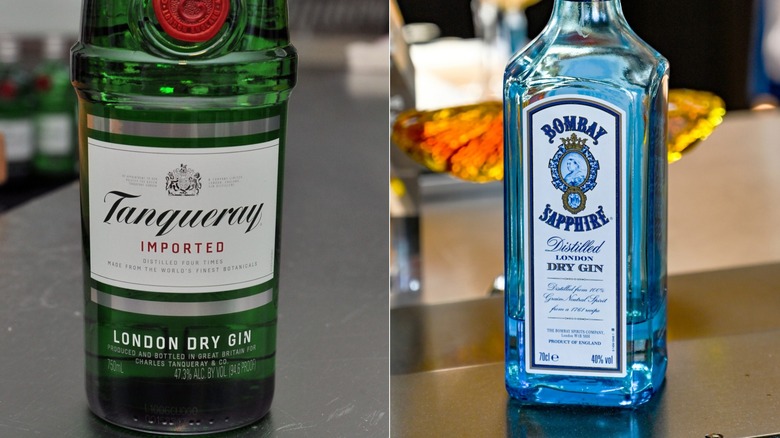
When discussing premium London dry gins, Tanqueray is often compared to Bombay Sapphire, another globally recognized brand. Both gins share the "London dry" designation, indicating a relatively unsweetened flavor profile, and are typically found at comparable price points, although minor variations may occur based on location and market conditions. Both are celebrated for their juniper-forward character.
However, distinct differences set them apart. Bombay Sapphire, while utilizing a centuries-old recipe, is a more recent entrant to the London dry gin scene, having been launched in 1986. In contrast, Tanqueray’s lineage stretches back to 1830. The most significant divergence lies in their botanical composition. Tanqueray famously employs just four botanicals, while Bombay Sapphire utilizes a more extensive list of ten, including ingredients like lemon peels, almonds, and cassia bark.
This difference in botanical complexity influences their flavor profiles and versatility. Tanqueray’s simpler blend often allows it to be more adaptable in cocktails, holding its own in straightforward drinks like martinis and gin and tonics without overpowering other ingredients. Bombay Sapphire’s more complex flavor profile, while sophisticated, can sometimes stand out too prominently in very bold or intricate cocktails. Both are excellent, layered gins, but Tanqueray’s inherent simplicity is often seen as its greatest strength in terms of cocktail versatility.
The Visionary Behind the Bottle: Charles Tanqueray’s Ingenuity
Charles Tanqueray was more than just a distiller; he was a meticulous inventor and a man of exacting standards. His decision to deviate from his family’s clerical background to pursue gin distillation was a bold one, but his success proved the wisdom of his ambition. Tanqueray’s notebooks reveal a mind brimming with diverse ideas, encompassing everything from veterinary medicines to horse saddle polish.
However, it is his dedication to perfecting his gin that has left the most indelible mark. Tanqueray was reportedly unsatisfied with anything less than perfection, experimenting with over 300 different recipes before arriving at the final botanical blend and distillation process that would define his namesake gin. This obsessive pursuit of quality and innovation underscores the brand’s enduring commitment to excellence.
The Iconic Vessel: A Cocktail Shaker in Disguise
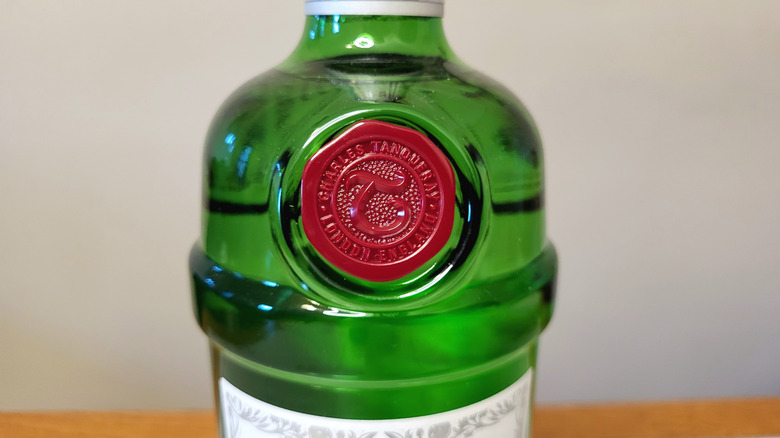
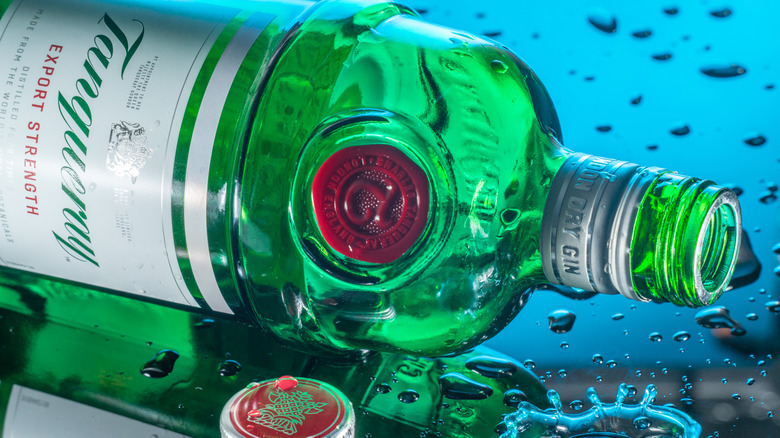
One of the most immediately recognizable features of Tanqueray London Dry Gin is its distinctive bottle. Crafted from dark green glass, the bottle possesses an unusual, wide, and bulky shape. It begins with a standard cylindrical base, flares out above the label, and then curves in a high arc before tapering to a short neck. This unique design has, at times, been likened to a fire hydrant or a bell, but its true inspiration lies in a fundamental piece of barware: the traditional three-part cocktail shaker.
The concept for the shaker-shaped bottle originated in 1948, proposed by the London design firm Sedley Place. While the initial iterations were simpler, the design has evolved over decades into the iconic and instantly recognizable form that graces liquor store shelves worldwide. This distinctive bottle is not merely a marketing choice; it is a subtle yet powerful nod to the brand’s heritage and its integral role in the world of mixology.
Tanqueray London Dry Gin’s journey from its 19th-century origins to its current status as a global leader is a testament to its quality, innovation, and enduring appeal. Its balanced botanical profile, meticulously crafted through traditional distillation methods, and its iconic bottle design all contribute to its legendary status in the spirits industry. As it continues to be enjoyed in classic cocktails and new creations alike, Tanqueray remains a benchmark for London dry gin, a true embodiment of heritage and taste.