
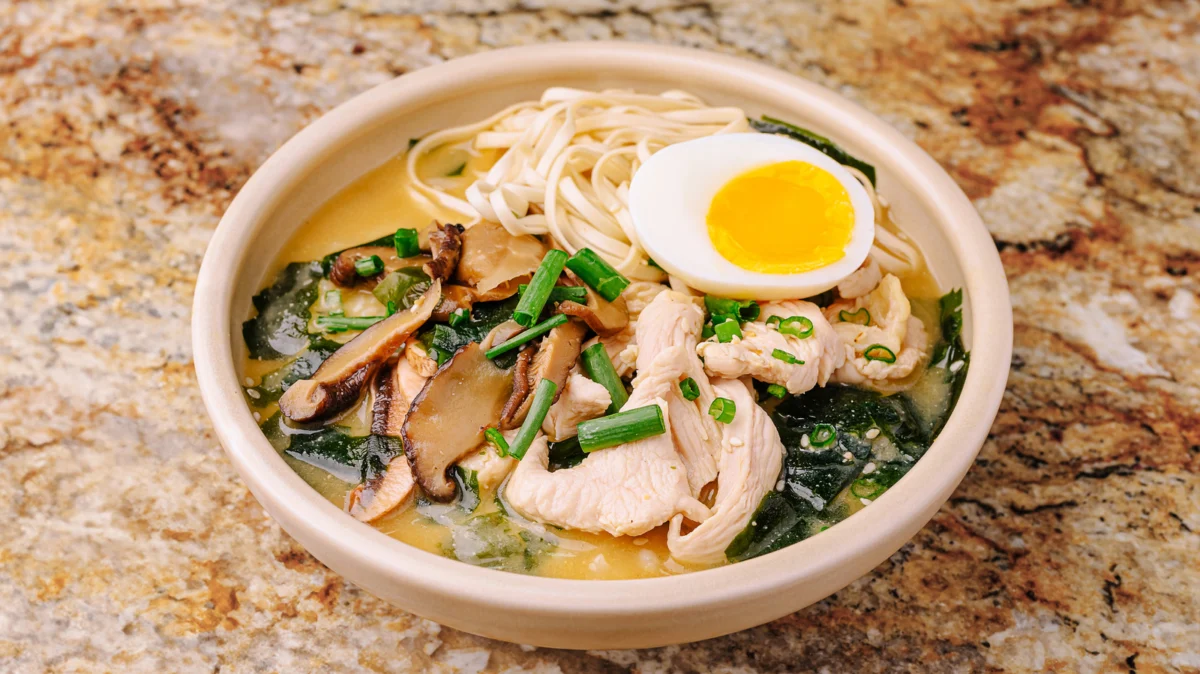
As culinary creativity continues to push the boundaries of traditional dishes, a novel approach to a beloved noodle staple is emerging: transforming rice paper sheets into a lighter, gluten-free alternative to classic ramen noodles. This innovative substitution offers a unique textural experience and a neutral flavor profile that readily absorbs a wide array of broths, sauces, and toppings, promising a versatile and adaptable dish for a diverse range of palates and dietary needs.
The genesis of this culinary adaptation lies in the inherent properties of rice paper, a staple in Southeast Asian cuisine, most notably in fresh spring rolls and Vietnamese summer rolls. Typically composed of rice flour, tapioca starch, salt, and water, these thin, translucent sheets are designed for minimal preparation, requiring only a brief rehydration in warm water to achieve a pliable texture. The very characteristic that makes rice paper ideal for sealing delicate rolls – its ability to become slightly sticky and adhere to itself – is precisely what makes it an excellent candidate for noodle creation. By layering multiple sheets, a satisfyingly chewy and substantial noodle can be formed, offering a distinct mouthfeel that differs significantly from the springy elasticity of wheat-based ramen noodles.
Crafting the Rice Paper Noodle: A Step-by-Step Guide
The process of transforming rice paper into noodles is remarkably straightforward, emphasizing precision and timing to achieve the optimal texture. It begins with selecting standard rice paper wrappers, readily available in most grocery stores. The key to success lies in the rehydration process. Over-soaking can render the paper too soft and prone to tearing, while under-soaking will result in brittle sheets. The recommended approach involves dipping a stack of rice paper sheets into warm water for a mere 10 seconds. This brief immersion is sufficient to soften the paper without compromising its integrity.
Following the rehydration, the softened sheets are carefully transferred to a clean, lightly greased cutting board. This lubrication is crucial to prevent the naturally sticky surface of the rice paper from adhering excessively to the board or to itself, which could lead to tearing. Once smoothed to eliminate any trapped air bubbles, a sharp knife is employed to cut the stacked sheets into desired noodle shapes. The width and thickness of these noodles can be customized according to personal preference. Thinner strips, akin to fettuccine, offer a delicate chew, while wider cuts provide a more substantial and robust texture. The inherent stickiness of the rice paper, while requiring careful handling, also contributes to its ability to cling to sauces and broths, ensuring that every bite is imbued with flavor.
Post-cutting, the newly formed rice paper noodles are immediately submerged in a bath of cold water. This step serves a dual purpose: it halts the rehydration process, preventing the noodles from becoming overly soft, and it further prevents them from sticking together, maintaining their distinct noodle form. The resulting noodles possess a unique "bounce" and a pleasant chew, offering a textural dimension that is both familiar and novel, especially when compared to the more yielding consistency of traditional wheat noodles.
The Versatility of Rice Paper: A Neutral Canvas for Flavor
The inherent appeal of rice paper noodles lies not only in their texture but also in their remarkably neutral flavor profile. Unlike wheat noodles, which possess a distinct, albeit subtle, taste, rice paper offers a blank canvas, allowing the accompanying ingredients and seasonings to take center stage. This neutrality makes them exceptionally versatile, capable of harmonizing with a vast spectrum of culinary traditions and flavor profiles.
The inherent starch content in rice flour and tapioca starch, the primary components of rice paper, contributes to its unique texture and its ability to absorb liquids and flavors. This property is a significant advantage when aiming for a dish where the broth or sauce is a paramount element. Whether it’s the complex umami of a rich, slow-simmered bone broth, the fiery kick of a chili oil-based sauce, or the delicate fragrance of a dashi, rice paper noodles are poised to capture and deliver these tastes with remarkable efficacy.
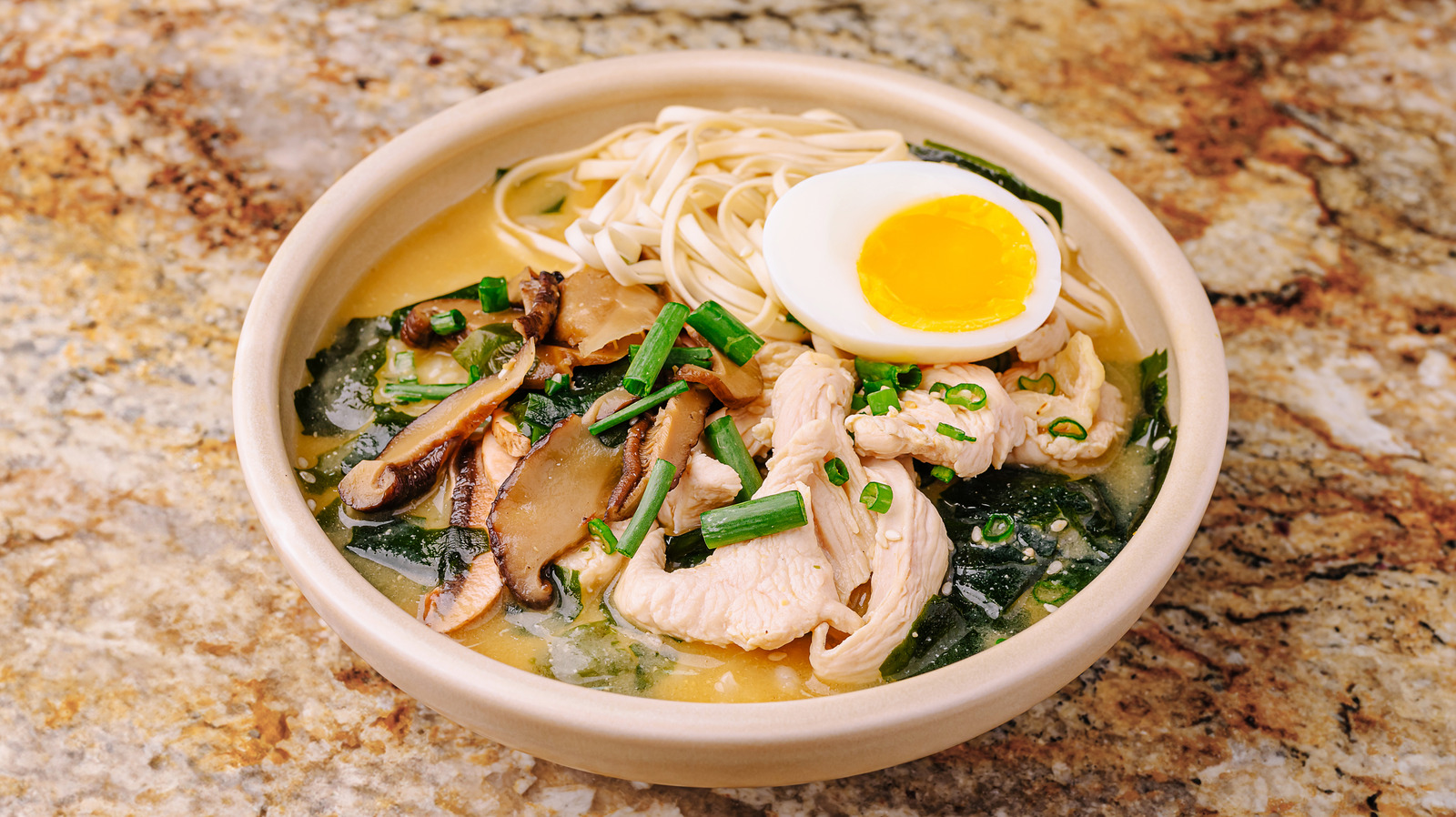
The potential applications for these noodles are extensive. They can seamlessly integrate into the traditional ramen experience, providing a lighter, gluten-free base for classic toppings such as tender slices of chashu pork, perfectly cooked soft-boiled eggs, crisp nori, and vibrant green onions. Alternatively, they can be employed in stir-fry dishes, where they can readily coat themselves in savory sauces infused with soy sauce, ginger, garlic, and sesame oil. Their adaptability also extends to more contemporary fusion creations, such as a spicy peanut noodle bowl, where the creamy, slightly sweet, and spicy notes of the sauce can be beautifully complemented by the subtle chew of the rice paper noodles.
Furthermore, for individuals with gluten sensitivities or those actively seeking to reduce their gluten intake, this rice paper noodle substitution offers a compelling solution. According to the U.S. National Institute of Diabetes and Digestive and Kidney Diseases, celiac disease affects approximately 1% of the population, and non-celiac gluten sensitivity impacts a larger, though less precisely defined, segment. For these individuals, the ability to enjoy a noodle-centric dish like ramen without compromising their dietary needs represents a significant culinary breakthrough. The global gluten-free products market is projected to reach significant figures, underscoring the growing demand for such alternatives. For instance, Grand View Research projected the global gluten-free market to reach $11.7 billion by 2028, indicating a strong consumer interest in gluten-free food options.
A Culinary Evolution: Context and Broader Implications
The emergence of rice paper noodles as a ramen alternative is not an isolated culinary event but rather part of a broader trend towards adapting traditional dishes to meet contemporary dietary needs and evolving gastronomic preferences. As global cuisines become more accessible and diners become more adventurous, the demand for innovative interpretations of familiar foods continues to grow. This trend is fueled by increased awareness of dietary restrictions, a greater emphasis on health and wellness, and a general desire for novel culinary experiences.
The adaptability of rice paper, a long-standing ingredient in Asian cuisines, highlights a common thread in culinary evolution: the repurposing of existing ingredients to serve new purposes. This process often involves a deeper understanding of an ingredient’s fundamental properties – its texture, its ability to absorb flavors, its cooking characteristics – and applying that knowledge creatively. The success of this rice paper noodle substitution hinges on this very principle, demonstrating how a humble wrapper can be elevated to the status of a primary noodle component.
The implications of this innovation extend beyond the individual home cook. It could potentially influence restaurant menus, offering chefs a new avenue for creating lighter, gluten-free noodle dishes. This could broaden the appeal of noodle-based cuisine to a wider demographic, including those with dietary restrictions who may have previously felt excluded from enjoying such dishes. Moreover, it encourages a more flexible and less rigid approach to defining traditional dishes, recognizing that culinary traditions are not static but rather dynamic entities that evolve with time and changing societal needs.
The "timeline" of this culinary innovation, while not marked by specific historical events, can be traced through the increasing popularity of gluten-free diets and the growing exploration of Asian ingredients in Western kitchens over the past few decades. The proliferation of recipes and tutorials online, detailing how to make rice paper noodles, suggests a recent surge in interest and experimentation. This organic spread of culinary knowledge through digital platforms allows for rapid dissemination and adaptation, leading to the widespread adoption of such novel techniques.
While specific "official responses" from ramen associations or manufacturers are unlikely for such an individual-to-home-cook innovation, the broader food industry is demonstrably responsive to consumer trends. The increasing availability of gluten-free noodle options in supermarkets and the growing number of restaurants specializing in plant-based or allergy-friendly cuisine are testaments to this responsiveness. This rice paper noodle technique aligns perfectly with these market demands, offering a cost-effective and accessible solution for consumers.
The broader impact of this culinary adaptation is multifaceted. It promotes a more inclusive approach to food, ensuring that dishes once inaccessible to certain individuals due to dietary restrictions can now be enjoyed. It also fosters a spirit of culinary experimentation, encouraging home cooks and professional chefs alike to look at familiar ingredients with fresh eyes and to challenge conventional definitions of dishes. In a world increasingly focused on health and dietary awareness, innovations like the rice paper noodle offer a delicious and accessible path towards more inclusive and enjoyable dining experiences. The ability to replicate the satisfying textural experience of ramen with a lighter, gluten-free alternative not only expands culinary horizons but also underscores the boundless creativity inherent in the art of cooking.