
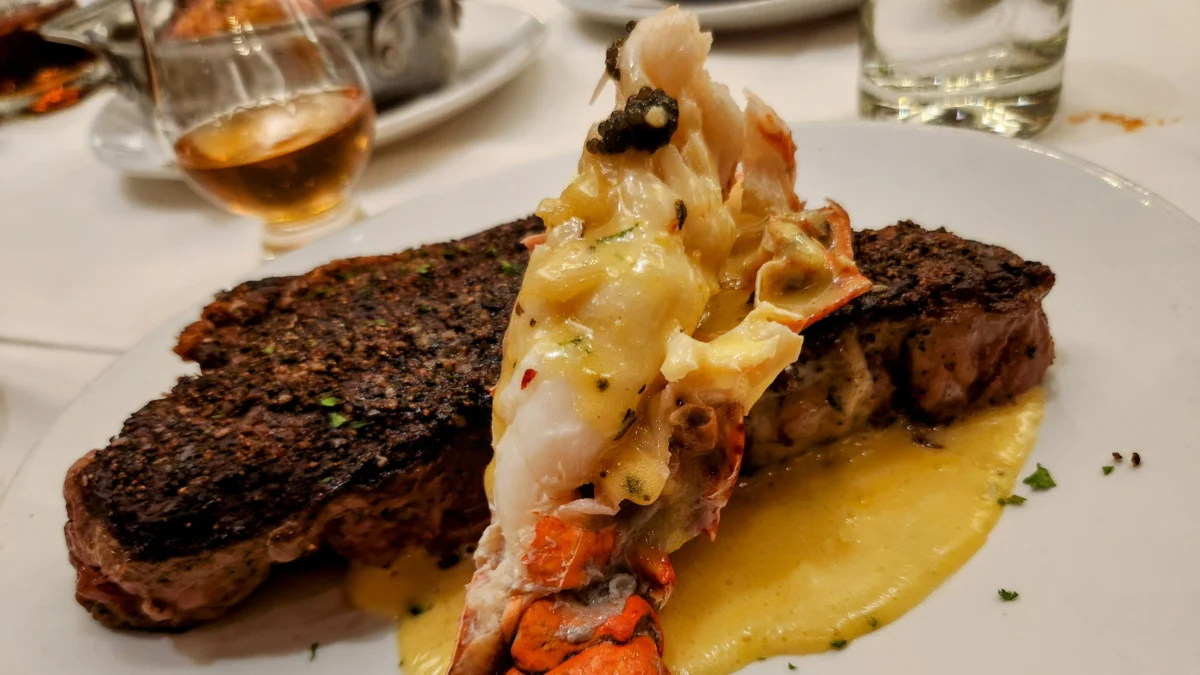
The classic surf and turf, a celebratory dish synonymous with upscale dining and special occasions, often features a luxurious pairing of a prime cut of steak and a succulent lobster tail. However, culinary experts and home cooks alike are discovering that a more accessible, yet equally decadent, alternative exists: substituting the lobster with plump, buttery scallops. This refined twist on a beloved favorite not only elevates the flavor profile but also offers a more budget-friendly approach to creating a gourmet meal. Michelle McGlinn’s Valentine’s Day surf-and-turf recipe, a celebrated example of this elevated concept, highlights the synergistic potential of steak and scallops, proving that this combination is a culinary delight to be savored any day of the year.
The inherent appeal of scallops lies in their delicate texture and nuanced flavor. Unlike the sometimes overwhelming sweetness of lobster or shrimp, scallops offer a lighter, buttery essence. Their natural salinity provides a perfect counterpoint to the rich, savory umami of a well-cooked steak, creating a harmonious balance on the palate. This subtle interplay of flavors allows the quality of each component to shine through, resulting in a dining experience that feels both sophisticated and satisfying. While McGlinn’s recipe specifically calls for filet mignon, a tender and lean cut, the beauty of this dish lies in its adaptability. Home cooks can confidently substitute other steak cuts, including more economical options, without compromising the overall elegance of the meal. This flexibility makes gourmet dining more attainable, democratizing a dish traditionally reserved for special events.
The Art of Scallop Selection and Preparation
For those embarking on this culinary adventure, selecting the right scallops is paramount. Large sea scallops are generally preferred for their substantial size and satisfying texture, which hold up well to searing. A crucial step in preparing scallops involves trimming the small, tough adductor muscle that often remains attached to the side of the mollusk. This muscle, if left intact, can impart a rubbery texture, detracting from the desired tenderness. Once this minor preparation is complete, the scallops are ready for seasoning. A simple yet effective approach involves a light dusting of salt and freshly ground black pepper, allowing the natural sweetness of the scallops to be the star. The key to achieving a perfect sear lies in a hot pan, a touch of butter, and careful attention to timing. Searing each side until a beautiful golden-brown crust forms, while maintaining a translucent, tender interior, is an art that rewards patience and precision. This technique not only enhances the visual appeal but also locks in the delicate flavors and juices.
Complementary Flavors: Sauces and Sides for an Elevated Experience
McGlinn’s original recipe for steak and scallops is a testament to indulgence, featuring a rich crème fraîche and Dijon mustard sauce. This bold yet beautiful sauce, often adorned with a dollop of caviar and a delicate parsley leaf, undoubtedly elevates the dish to celebratory status, making it a fitting choice for Valentine’s Day. However, the versatility of the steak and scallop pairing extends far beyond special occasions. With thoughtful consideration of accompanying sauces and side dishes, this refined combination can be seamlessly integrated into a weeknight meal.
The principles of pairing side dishes with scallops often overlap with those for steak, emphasizing ingredients that complement rather than overpower. Classic choices such as creamy garlic mashed potatoes offer a comforting and familiar base that harmonizes beautifully with both the steak and the scallops. For those seeking a more refined potato preparation, an upgrade to a smooth pomme purée provides an elegant textural contrast. Vegetable-forward options also play a significant role in balancing the richness of the main course. Simple steamed asparagus, with its crisp texture and fresh flavor, provides a welcome counterpoint. Alternatively, a classic creamed spinach, prepared with a touch of nutmeg and a hint of garlic, adds a decadent yet complementary element that has long been a staple alongside steak dishes. The overarching goal when selecting sides and sauces for this elevated surf and turf is to ensure they enhance, rather than compete with, the primary flavors of the steak and scallops. This mindful approach allows the inherent elegance and quality of the core ingredients to be fully appreciated, creating a truly memorable culinary experience.
The Evolution of Surf and Turf: From Tradition to Innovation
The concept of "surf and turf" as a culinary pairing has a rich history, emerging as a popular menu item in American steakhouses during the latter half of the 20th century. This innovative combination was born out of a desire to cater to a broader range of diner preferences, offering both land-based and sea-based delicacies on a single plate. Initially, the quintessential pairing was steak and lobster, a choice that underscored luxury and indulgence. Lobster, with its rich, sweet, and buttery meat, was perceived as the ultimate seafood accompaniment to the robust flavor of a steak. This tradition quickly became a hallmark of fine dining establishments, symbolizing opulence and celebratory dining.
However, as culinary trends evolve and chefs continue to explore new flavor profiles and ingredient combinations, the definition of surf and turf has broadened. The shift towards incorporating scallops represents a significant evolution, reflecting a growing appreciation for the nuanced flavors and textures that this mollusk offers. This innovation is not merely about cost-saving; it is a deliberate culinary choice driven by taste and balance. Scallops, particularly large sea scallops, possess a unique sweetness that is less pronounced than lobster, allowing for a more delicate interplay with the savory notes of steak. Their tender, almost melt-in-your-mouth texture provides a delightful contrast to the chew of a well-cooked steak.
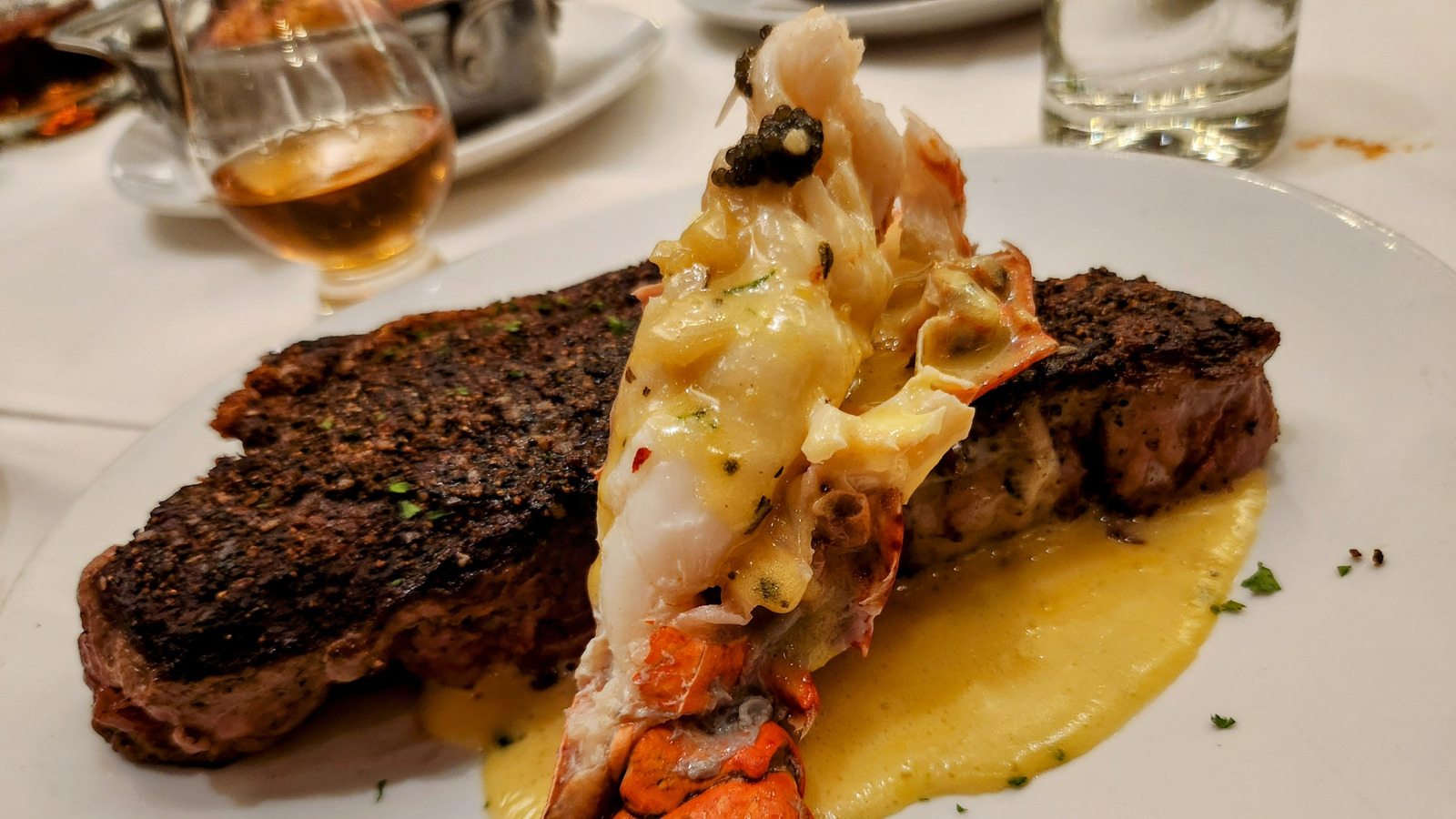
The appeal of scallops also lies in their versatility. They can be seared to perfection, offering a beautiful caramelized crust and a tender interior, or incorporated into more delicate preparations. This adaptability makes them a suitable partner for a variety of steak cuts, from the lean tenderness of a filet mignon to the robust flavor of a New York strip. The rise of the scallop as a preferred surf and turf component can be seen as a reflection of a broader culinary movement towards ingredient-driven cuisine, where the focus is on showcasing the natural flavors and textures of high-quality produce.
Economic and Culinary Implications of the Scallop Substitution
The economic implications of substituting lobster with scallops in surf and turf dishes are noteworthy. Lobster, particularly whole lobster tails, can be a significant expense, often contributing to the high price point of traditional surf and turf offerings. Scallops, while still a premium ingredient, are generally more accessible in terms of cost. This price difference can make the preparation of an upscale surf and turf meal more feasible for home cooks and restaurant chefs alike, without a substantial compromise in perceived value or taste. This affordability factor has likely contributed to the growing popularity of this alternative pairing.
From a culinary perspective, the shift to scallops also offers an opportunity for chefs to demonstrate their skill in delicate preparations. Searing scallops to achieve the perfect golden-brown crust while keeping the interior tender requires precision and attention to detail. This technique allows the natural sweetness and subtle brininess of the scallops to be fully expressed. The lighter flavor profile of scallops also means they are less likely to overpower the subtle nuances of certain steak cuts. This balance is crucial for creating a sophisticated dish where each component can be fully appreciated.
Furthermore, the choice of scallops aligns with a broader trend in fine dining towards lighter, more refined flavors. While lobster offers a rich and decadent experience, scallops provide a more nuanced and delicate counterpoint to steak. This allows for a more complex flavor profile to emerge, where the interplay between the savory steak and the sweet, slightly saline scallop creates a memorable and sophisticated dining experience. The adaptability of scallops also allows for a wider range of sauce and side pairings, further enhancing the dish’s versatility and appeal.
Expert Insights and Culinary Trends
Culinary experts have long recognized the potential of scallops as a star ingredient. Their delicate flavor and tender texture make them a sought-after item in high-end restaurants. The increasing visibility of scallop-centric surf and turf preparations in recipes and on restaurant menus reflects a growing appreciation for this versatile seafood. Food critics and chefs often highlight the importance of sourcing high-quality scallops, emphasizing their sweetness and the desirable texture achieved through proper searing.
The trend towards using scallops in surf and turf can also be viewed within the context of evolving dietary preferences and a growing interest in sustainable seafood options. While lobster remains a popular choice, concerns about the sustainability of certain lobster fisheries have led some consumers and chefs to explore alternative seafood options. Scallops, when sourced responsibly, can be a more sustainable choice, further contributing to their appeal.
The ease with which scallops can be prepared at home also contributes to their growing popularity. While achieving the perfect sear may require practice, the fundamental preparation is relatively straightforward. This accessibility empowers home cooks to recreate sophisticated restaurant-quality dishes in their own kitchens, further democratizing gourmet dining. The success of recipes like McGlinn’s, which offers a clear and approachable guide to preparing steak and scallops, underscores this trend. The ability to replicate such an elegant dish at home not only provides a sense of accomplishment but also offers a more cost-effective way to enjoy a luxurious meal.
The evolution of the surf and turf concept, from its traditional steak-and-lobster roots to the modern incorporation of scallops, signifies a dynamic and innovative culinary landscape. This shift is driven by a desire for balanced flavors, textural interest, economic viability, and an ever-present pursuit of culinary excellence. The humble scallop, once perhaps overshadowed by its crustacean cousin, has firmly established itself as a worthy and, for many, even superior partner to the classic steak.