
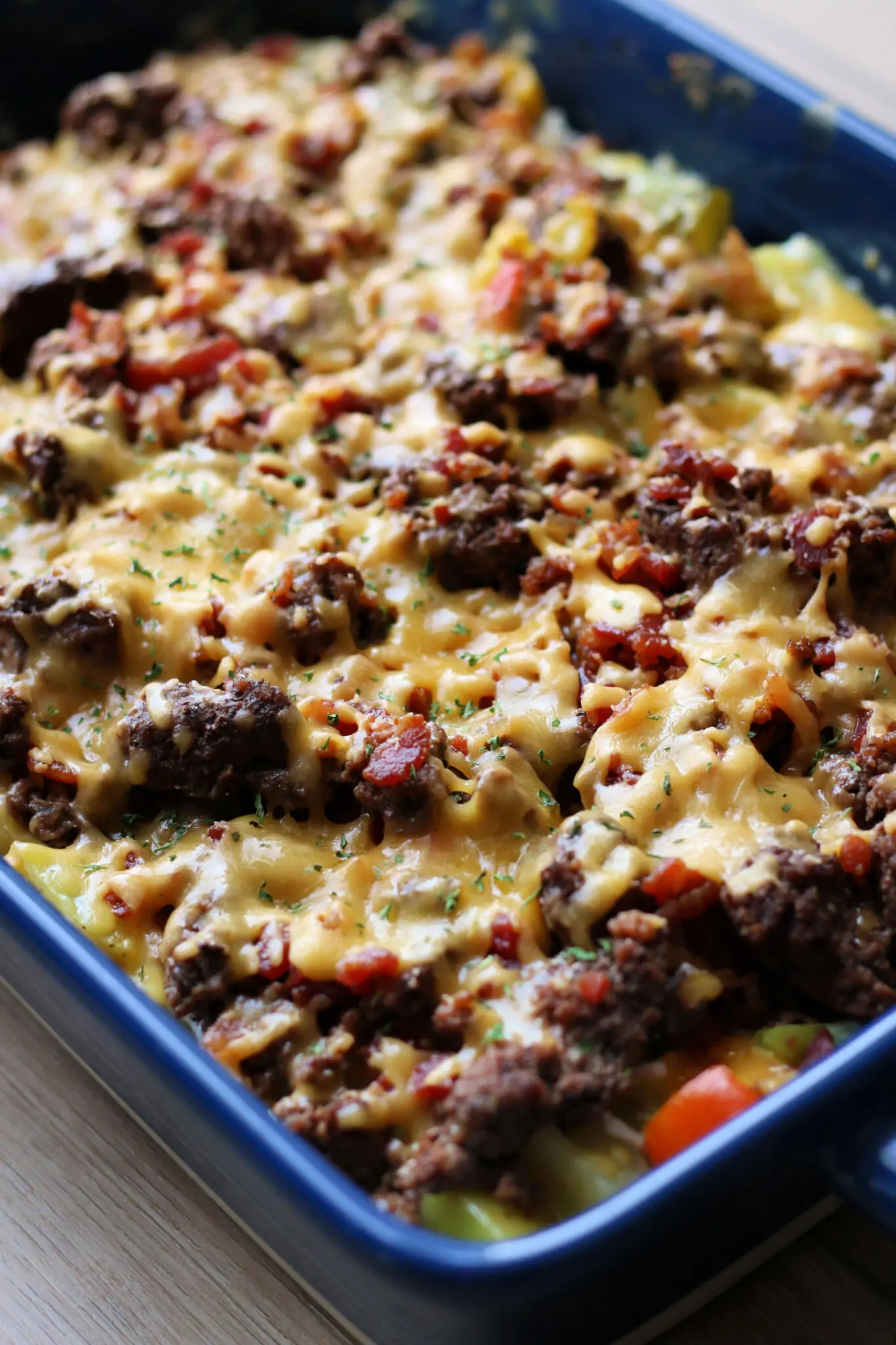
The Historical Evolution of the Shipwreck Concept
The nomenclature of the "Shipwreck Casserole" is rooted in a long history of resourceful cooking, often associated with maritime traditions and periods of economic hardship, such as the Great Depression. Historically, a "shipwreck" dish referred to a meal composed of whatever ingredients remained in the galley or pantry—a metaphorical "salvage operation" of available staples. Early versions typically relied on layers of sliced potatoes, onions, and ground meat, often bound together by a simple tomato soup or water-based gravy.

In the mid-20th century, the dish gained popularity across North America as a staple of community cookbooks and rural family dinners. Its primary appeal lay in its structural flexibility; if a household lacked carrots, they might substitute cabbage or peas. Sue’s modern version refines this haphazard legacy by introducing a specific balance of umami-rich mushrooms, fiber-dense white beans, and a sophisticated spice profile including paprika and Italian seasoning. This transition from a "kitchen sink" meal to a curated culinary experience highlights the evolution of home cooking from mere sustenance to a hobbyist pursuit of flavor.
Culinary Composition and Nutritional Analysis
The success of Sue’s Shipwreck Casserole is predicated on its balanced macronutrient profile and the synergistic relationship between its primary ingredients. By analyzing the components through a nutritional and culinary lens, the depth of the dish becomes apparent.

Protein and Legumes
The use of ground beef provides a significant source of high-quality protein, iron, and Vitamin B12. However, the inclusion of white beans (such as Cannellini or Great Northern) serves a dual purpose. From a culinary perspective, beans add a creamy texture that contrasts with the structure of the beef. Nutritionally, they introduce complex carbohydrates and dietary fiber, which lowers the overall glycemic index of the meal and promotes satiety.
Root Vegetables and Aromatics
Potatoes and carrots form the structural backbone of the casserole. Potatoes, often unfairly maligned in modern diet culture, are a vital source of potassium and Vitamin C, particularly when prepared in a way that retains their nutrient-rich skins. The inclusion of mushrooms and onions is not merely for bulk; these ingredients are high in glutamate, which enhances the "savory" or umami profile of the beef, allowing for a reduction in sodium without a loss of perceived flavor.

The Flavor Matrix
The broth is a sophisticated construction of tomato sauce and tomato paste, which provides acidity to cut through the richness of the beef. Worcestershire sauce adds a fermented depth, while a small addition of sugar balances the natural acidity of the tomatoes. The spice blend—garlic powder, paprika, and Italian seasoning—ensures that the dish moves beyond the bland profiles associated with mid-century casseroles.
Technological Integration: The Role of Multi-Cookers
The resurgence of interest in one-pot meals like the Shipwreck Casserole is inextricably linked to the technological advancement of kitchen appliances. The Instant Pot, which saw a massive surge in market penetration between 2016 and 2023, has revolutionized the "slow-cooked" flavor profile.

According to market research data, the global multi-cooker market was valued at approximately $720 million in 2021 and is projected to grow significantly as consumers seek energy-efficient alternatives to traditional ovens. Sue’s recipe utilizes the "Sauté" function of the Instant Pot to achieve the Maillard reaction—the browning of the meat and onions—which is essential for deep flavor. The subsequent pressure-cooking phase, set for a mere three minutes of active pressure, achieves a level of tenderness in the potatoes and carrots that would traditionally require hours of simmering.
Conversely, the slow-cooker adaptation caters to the "low and slow" philosophy, allowing flavors to meld over four to eight hours. This dual-compatibility makes the recipe a versatile tool in the modern "culinary arsenal," as it accommodates both the last-minute dinner rush and the long-term planning of a workday morning.

Formal Preparation Methodology
The execution of Sue’s Shipwreck Casserole follows a logical progression designed to maximize flavor extraction while minimizing cleanup.
Phase I: Aromatics and Searing
The process begins with the activation of the heat source. In an Instant Pot, the sauté setting is utilized to brown the ground beef alongside diced onions and sliced mushrooms. This five-minute window is critical; the release of fats from the beef provides the medium in which the vegetables soften, and the mushrooms release their moisture, intensifying their flavor. Excess grease is drained at this stage to ensure the final broth remains rich rather than oily.

Phase II: Seasoning and Deglazing
Once the meat is browned, the dry seasonings—salt, pepper, garlic powder, paprika, and Italian seasoning—are integrated. The introduction of beef or vegetable broth serves to "deglaze" the pot. This involves scraping the bottom of the vessel to incorporate the "fond"—the caramelized bits of meat and vegetable stuck to the surface. Failure to deglaze properly can lead to a "burn" notice on modern pressure cookers and results in a missed opportunity for flavor.
Phase III: Layering and Pressure Cooking
The potatoes are added next, seasoned lightly with kosher salt. Unlike traditional stews where ingredients are stirred vigorously, the Shipwreck method often benefits from a "dump and cook" approach for the remaining ingredients. Carrots, beans, tomato sauce, tomato paste, Worcestershire sauce, and sugar are placed atop the base layers. In the Instant Pot, the device is sealed and set to manual pressure for three minutes. A natural release period of five to ten minutes follows, allowing the internal temperature to stabilize and ensuring the meat remains tender.

Economic Implications of One-Pot Cooking
In an era of fluctuating food prices and rising inflation, Sue’s Shipwreck Casserole serves as a model for economic resilience. Data from the Bureau of Labor Statistics has frequently highlighted the volatility of meat prices. By stretching a single pound of ground beef with affordable staples like potatoes, carrots, and canned beans, the cost-per-serving of the dish remains significantly lower than that of individual protein-and-side-dish meals.
Culinary analysts note that "peasant foods"—dishes that rely on grains, legumes, and root vegetables—are seeing a mainstream revival as households look to reduce food waste. The Shipwreck Casserole is particularly effective in this regard, as it can accommodate "end-of-week" vegetables that might otherwise be discarded.

Market Trends and the Influence of Digital Food Media
The proliferation of recipes like Sue’s Shipwreck Casserole is driven by a robust ecosystem of digital food creators. Karen Petersen, the creator behind "365 Days of Crockpot," represents a segment of the media industry that focuses on "utility cooking." By providing filtered search options for meat types, dietary restrictions (such as gluten-free or low-carb), and appliance types, these platforms have become essential resources for the modern home cook.
The "Pin it for later" culture of Pinterest and the rapid-fire sharing of "easy weeknight dinners" on social media have turned regional or family-specific recipes into global trends. Sue’s Shipwreck Casserole is no longer just a "Sue" recipe; it is part of a collective digital database that democratizes culinary knowledge.

Comparative Analysis: Shipwreck vs. Other Beef-Potato Variants
To understand the specific niche of the Shipwreck Casserole, it must be compared to its culinary cousins:
- Hobo Ground Beef Casserole: While similar, the "Hobo" version often includes cabbage and bacon, leaning toward a smokier, more rustic profile.
- Comforting Beef Potato Casserole: This variant typically utilizes a creamy, cheese-based sauce and may include tangy elements like dill pickles, moving it closer to a "cheeseburger" flavor profile.
- Premium Cheesy Meatloaf Casserole: This dish focuses on a structured meat base rather than a loose, broth-based consistency, offering a different textural experience.
- Hamburger Mashed Potato Casserole: This is a layered dish, similar to a Shepherd’s Pie, utilizing mashed rather than sliced or cubed potatoes.
Sue’s Shipwreck Casserole distinguishes itself through its "tomato-based broth," which places it somewhere between a thick stew and a traditional baked casserole. This "wet" consistency ensures that the dish remains moist when reheated, making it an ideal candidate for meal-prepping and leftovers.

Broader Implications and Conclusion
The enduring popularity of Sue’s Shipwreck Casserole is a testament to the timeless appeal of comfort food that respects the constraints of modern life. It is a dish that bridges the gap between the resourceful cooking of the past and the technological convenience of the present. As families continue to navigate the complexities of nutrition, budget, and time management, the one-pot meal remains an indispensable tool.
By combining the earthy reliability of root vegetables, the protein power of beef and beans, and the efficiency of the Instant Pot, this recipe offers more than just a meal; it provides a blueprint for sustainable, flavorful, and stress-free home dining. As culinary trends continue to cycle, the "Shipwreck" philosophy of bringing random, disparate ingredients together into a harmonious whole will likely remain a cornerstone of the domestic kitchen for generations to come.