
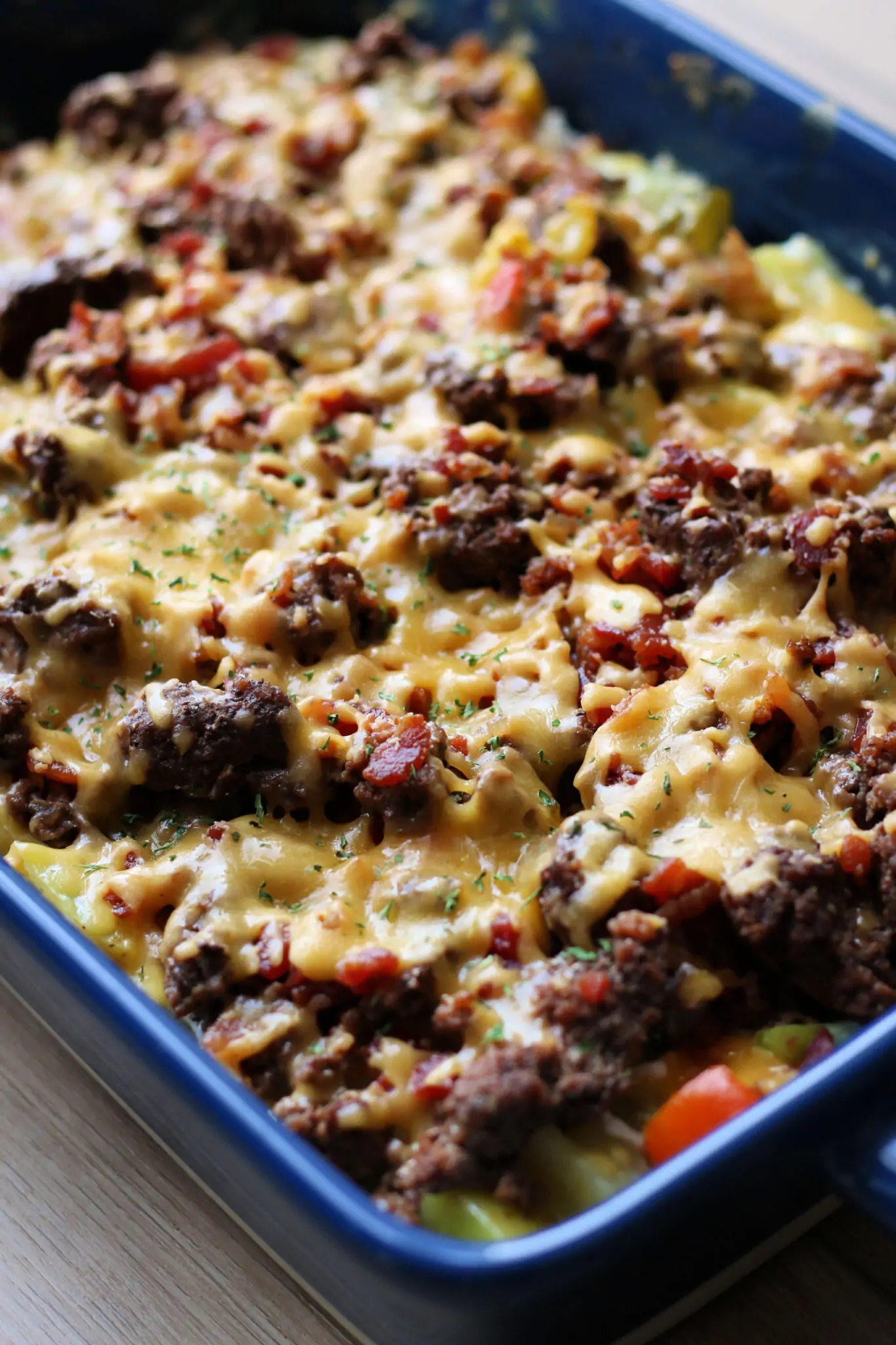
The Historical and Cultural Context of the Shipwreck Casserole
The nomenclature of the "Shipwreck Casserole" is rooted in the mid-20th century, a period during which "mishmash" or "everything-but-the-kitchen-sink" meals gained popularity across the United States and Canada. Etymologically, the name suggests a meal prepared from whatever ingredients survived a maritime disaster, symbolizing the resourcefulness of home cooks working with limited or random supplies. Historically, these recipes often relied on canned goods, starchy vegetables, and affordable proteins, reflecting the economic realities of the Great Depression and the post-war era.

In its modern form, Sue’s Shipwreck Casserole retains this spirit of versatility while refining the flavor profile for a more sophisticated palate. By incorporating aromatics like garlic and onions, earthy mushrooms, and a complex spice blend including paprika and Italian seasoning, the dish transcends its humble origins. The inclusion of white beans—a departure from some traditional versions that rely solely on meat and potatoes—adds a layer of plant-based protein and dietary fiber, aligning the dish with modern nutritional guidelines that emphasize legumes and diverse vegetable intake.
Technical Methodology: Pressure Cooking vs. Slow Cooking
The adaptation of this recipe for the Instant Pot represents a significant technological advancement in the preparation of root-vegetable-heavy meals. Pressure cooking works by trapping steam within a sealed chamber, thereby increasing the internal pressure and raising the boiling point of water. This allows the potatoes and carrots—ingredients that typically require long simmering times—to reach an optimal texture in a fraction of the time.

The Instant Pot Chronology
The preparation begins with the "Sauté" function, a critical step that facilitates the Maillard reaction. This chemical reaction between amino acids and reducing sugars gives browned meat its distinctive savory flavor.
- The Browning Phase: Ground beef is seared alongside onions and mushrooms for approximately five minutes. This step is essential for fat rendering and flavor development.
- Deglazing: The introduction of broth allows the cook to scrape the "fond" (the caramelized bits stuck to the bottom) into the liquid. This prevents the "Burn" error common in high-pressure cookers and enriches the broth.
- Layering: Potatoes are added next, seasoned with kosher salt, followed by carrots, beans, tomato sauce, tomato paste, Worcestershire sauce, and a touch of sugar to balance the acidity of the tomatoes.
- Pressure Cycle: The device is set to manual high pressure for a duration of three minutes. While the timer is short, the total process includes the "coming to pressure" time (approximately 10–15 minutes) and a subsequent "natural release" period of 5–10 minutes.
The Slow Cooker Alternative
For those prioritizing convenience over speed, the slow cooker method offers a low-temperature extraction process. This method allows the collagen in the beef and the starches in the potatoes to break down slowly over six to eight hours, resulting in a deeper integration of flavors. Culinary analysts note that while the Instant Pot is superior for textural integrity, the slow cooker excels in creating a cohesive, stew-like consistency.

Economic Data and the Ground Beef Market
The reliance on ground beef as the primary protein in Sue’s Shipwreck Casserole is a strategic choice reflected in national economic data. According to reports from the Bureau of Labor Statistics (BLS), ground beef remains one of the most price-stable protein options for American families compared to whole-muscle cuts like ribeye or sirloin.
In a period of fluctuating food inflation, "one-pot" meals like the Shipwreck Casserole allow consumers to stretch a single pound of beef across six to eight servings by augmenting the volume with affordable starches (potatoes) and legumes (white beans). Market analysts have observed a 15% increase in "casserole-style" cooking searches during inflationary cycles, suggesting that recipes like Sue’s are a direct response to the need for budgetary management without sacrificing nutritional value.

Nutritional Profile and Ingredient Synergy
From a dietetic perspective, the recipe offers a balanced distribution of macronutrients. The ground beef provides essential iron and B-vitamins, while the white beans contribute soluble fiber, which aids in digestion and heart health.
- Beta-Carotene: Provided by the carrots, essential for ocular health and immune function.
- Potassium: Derived from the potatoes, supporting blood pressure regulation.
- Lycopene: Found in the concentrated tomato paste and sauce, a powerful antioxidant that has been linked to reduced risks of certain chronic diseases.
Nutritionists often recommend "topping" such dishes with fermented dairy, such as sour cream, or calcium-rich shredded cheese, which adds a probiotic element and improves the bioavailability of certain fat-soluble vitamins present in the vegetables.

Official Responses and Culinary Expert Analysis
Culinary experts have praised the "Shipwreck" format for its forgiving nature. "The beauty of a shipwreck-style meal is its modularity," says one food industry consultant. "If a consumer lacks white beans, they can substitute kidney beans or even chickpeas. If mushrooms are unavailable, extra bell peppers or celery can fill the void. It is a resilient recipe that empowers the home cook."
Furthermore, the inclusion of Worcestershire sauce and Italian seasoning is viewed as a "flavor hack." These ingredients provide umami—the fifth taste—which satisfies the palate and reduces the need for excessive sodium. The small addition of sugar is a professional technique used to neutralize the metallic tang often associated with canned tomato products, a move that elevates the dish from a simple "crockpot meal" to a refined family dinner.

Broader Impact on Modern Meal Prepping
The rise of recipes like Sue’s Shipwreck Casserole is intrinsically linked to the "Meal Prep" movement. Data from consumer research firms indicate that 45% of households now dedicate at least one day a week to batch cooking. This casserole is particularly well-suited for this trend, as the flavors often intensify after 24 hours in the refrigerator.
The dish also addresses the "food waste" crisis. In the United States, approximately 30-40% of the food supply is wasted, often because fresh vegetables like carrots and potatoes are forgotten in the crisper drawer. The Shipwreck Casserole serves as a "catch-all" for these items, allowing families to reduce their environmental footprint while saving money.

Implications for the Appliance Industry
The popularity of this specific recipe also underscores the dominance of the multicooker in the kitchen appliance market. Since its meteoric rise in 2016, the Instant Pot has become a permanent fixture in over 20% of American kitchens. Manufacturers have responded to this demand by creating increasingly complex sensors that can detect the density of ingredients like those in the Shipwreck Casserole, ensuring that potatoes are soft without becoming mushy.
Sue’s Shipwreck Casserole is more than a simple recipe; it is a reflection of current culinary technology, economic necessity, and a historical nod to the resilience of home cooking. By bridging the gap between the slow-cooked traditions of the past and the high-pressure efficiency of the present, it provides a blueprint for the future of the American family dinner—one that is nutritious, affordable, and, most importantly, achievable for the modern worker. As the trend toward one-pot meals continues to grow, it is likely that variations of the Shipwreck Casserole will remain a staple of the domestic menu for generations to come.