
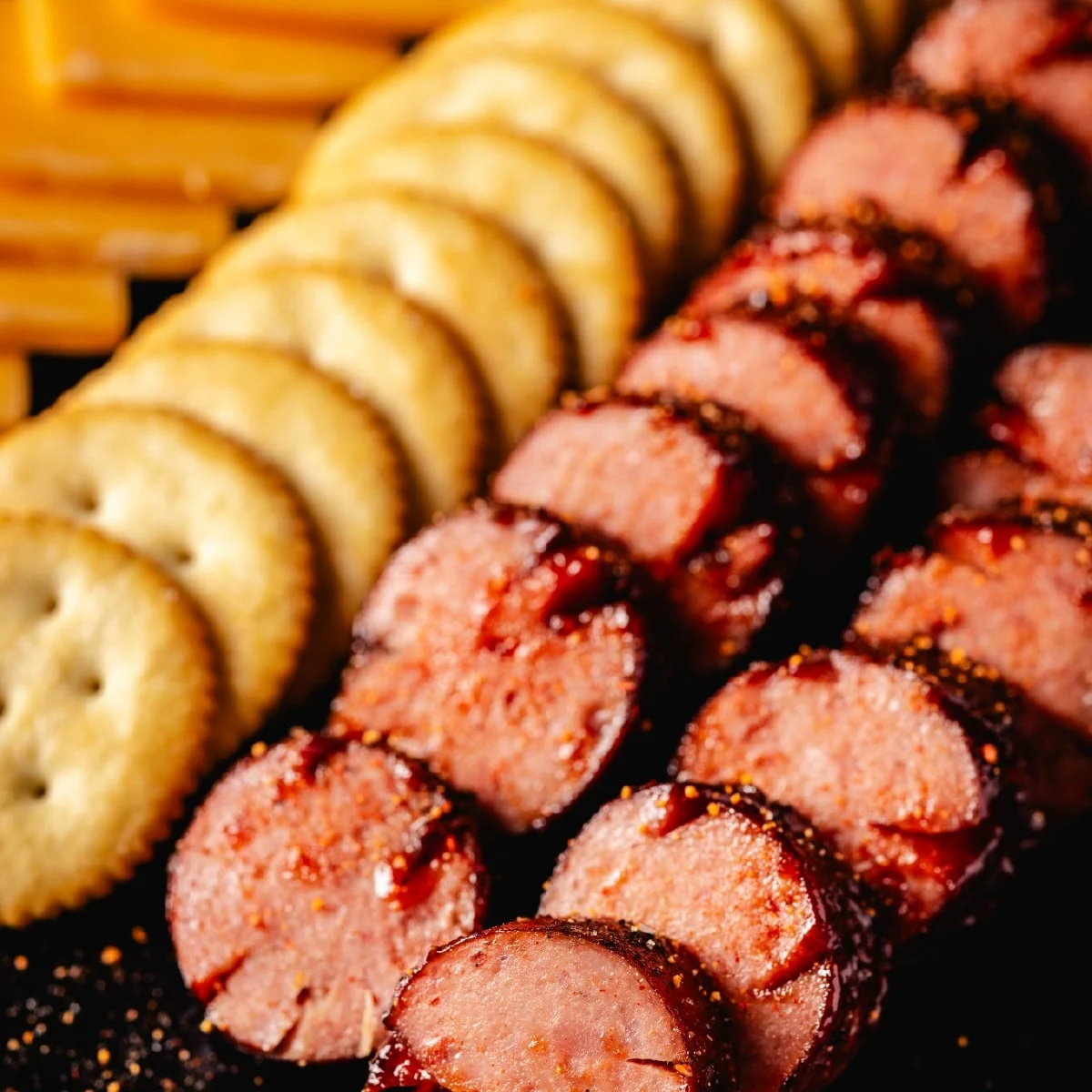
The rise of this specific recipe highlights a broader trend in the barbecue community: the democratization of the pitmaster experience. As outdoor cooking equipment becomes more accessible and technologically advanced, there is an increasing demand for recipes that provide professional-grade results without requiring twelve to sixteen hours of active management. The smoked kielbasa method addresses this market need, positioning itself as both a standalone snack and a primary protein for the increasingly popular "barbecue charcuterie" boards.
Core Components and Ingredient Analysis
The success of the Smoked Kielbasa with Hot Honey Glaze relies on the synergy of four primary components. Each ingredient is selected not only for its individual flavor but for its chemical and structural contribution to the final product.
- Kielbasa Sausage: Traditionally a staple of Polish cuisine, kielbasa is typically a pork or beef-based sausage seasoned with garlic, pepper, and occasionally marjoram. For this specific preparation, the use of "pre-smoked" or "fully cooked" kielbasa is standard. This choice significantly reduces the risk of foodborne illness and allows the cook to focus entirely on flavor infusion and texture development rather than reaching a safe internal temperature.
- Zesty Gold BBQ Sauce: This serves as the "binder." In professional barbecue, a binder is a liquid or semi-liquid substance applied to the meat to ensure that dry seasonings adhere properly. A mustard-based sauce, such as the Zesty Gold variety, is particularly effective for kielbasa. The acidity of the mustard cuts through the high fat content of the sausage, while the vinegar base helps to tenderize the casing slightly, allowing smoke to penetrate more effectively.
- Sweet Rub: A balanced dry rub is essential for creating the "bark" or exterior crust. Most sweet rubs consist of brown sugar, paprika, garlic powder, and onion powder. When subjected to heat, the sugars in the rub undergo the Maillard reaction and caramelization, creating a complex, savory-sweet exterior that provides a textural contrast to the soft interior of the sausage.
- Hot Honey BBQ Sauce: The final glaze is a manifestation of the "swicy" (sweet and spicy) flavor trend that has dominated the culinary world over the last five years. The honey provides a glossy sheen and a deep sweetness that adheres to the rub, while the infusion of chili or pepper heat provides a lingering finish that stimulates the palate.
Chronology of Preparation: The 90-Minute Lifecycle
The preparation of Smoked Kielbasa with Hot Honey Glaze follows a strict chronological progression to ensure the integrity of the casing and the depth of the flavor profile.

0:00 – 0:15: Preheating and Preparation
The process begins with the calibration of the smoker to a steady 225 degrees Fahrenheit (107 degrees Celsius). This "low and slow" temperature is critical. If the temperature is too high, the fat within the kielbasa will expand too rapidly, causing the casing to burst and the juices to escape. During this phase, the kielbasa is "scored." Using a sharp knife, the cook makes shallow, cross-hatched cuts along the surface of the sausage. This serves two purposes: it increases the surface area for the rub and glaze to inhabit, and it prevents the casing from tightening and curling during the cook.
0:15 – 0:30: The Application of Layers
Once scored, the sausage is slathered in the mustard-based binder. This is followed immediately by a generous dusting of the sweet rub. The scoring allows the rub to fall into the crevices of the meat, ensuring flavor in every bite.
0:30 – 1:30: The Smoke Phase
The seasoned kielbasa is placed directly on the grill grates. For this recipe, mild fruitwoods such as apple, cherry, or peach are often recommended, as they complement the sweetness of the rub without overpowering the garlic notes of the kielbasa. The sausage remains in the smoke for approximately 60 minutes. During this hour, the heat renders a portion of the internal fat, while the smoke particles attach to the moist surface of the binder and rub.
1:30 – 1:50: The Glazing Interval
In the final 15 to 20 minutes of the cook, the heat is sometimes increased slightly, or the smoker is kept steady while the hot honey glaze is applied. The glaze is brushed over the scored surface, where it bubbles and thickens. This short interval is vital; if the glaze is applied too early, the high sugar content may burn, resulting in a bitter flavor. If applied too late, it will remain tacky and will not set into a proper lacquer.

Historical and Technical Context
Kielbasa has a storied history that dates back centuries in Eastern Europe. Originally developed as a way to preserve meat through curing and smoking, it became a cultural icon in Poland before being exported globally. In the United States, kielbasa found a second home in the Midwest and Northeast, particularly in cities like Chicago, Cleveland, and Pittsburgh, where large Polish immigrant populations integrated the sausage into American grilling traditions.
Technically, the "Smoked Kielbasa with Hot Honey Glaze" recipe represents an evolution of the "burnt ends" concept. Traditionally made from the point muscle of a smoked brisket, burnt ends are prized for their high fat content and concentrated sauce coverage. By scoring and glazing kielbasa, backyard cooks are essentially creating "sausage burnt ends," a dish that offers a similar sensory experience at a fraction of the cost and time.
From a food science perspective, the 225-degree smoking environment is an exercise in thermodynamic control. At this temperature, the collagen in the sausage casing becomes pliable rather than tough. Furthermore, the use of a mustard binder provides an emulsification layer that prevents the dry rub from washing away as the sausage begins to "sweat" during the rendering process.
Supporting Data: The Rise of Outdoor Cooking and Charcuterie
The popularity of recipes like Smoked Kielbasa is supported by significant market data within the hearth and patio industry. According to the Hearth, Patio & Barbecue Association (HPBA), over 70% of American adults own a grill or smoker. Furthermore, the "snackification" of meals has led to a 15% increase in the consumption of appetizers as main courses over the last decade.

The "BBQ Charcuterie" trend is a specific subset of this movement. Search interest for "smoked meat boards" has increased by nearly 200% on social media platforms since 2020. Kielbasa is an ideal candidate for these boards because of its structural integrity; unlike pulled pork or sliced brisket, which can dry out quickly when exposed to air, smoked kielbasa retains its moisture and can be served at room temperature without a significant loss in quality.
Safety Standards and Post-Cook Management
While the recipe is noted for its simplicity, professional culinary standards regarding food safety remain paramount. Because most commercial kielbasa is pre-cooked, the primary concern is not the destruction of pathogens through heat, but the prevention of cross-contamination and proper storage.
Once the smoking process is complete, the kielbasa should be consumed immediately for optimal texture. However, if leftovers are generated, they must be handled correctly. Industry standards suggest that smoked meats should be cooled to below 40 degrees Fahrenheit within two hours of removal from the heat source. In an airtight container or a vacuum-sealed bag, smoked kielbasa will maintain its quality in a refrigerator for three to four days. For long-term storage, the sausage can be frozen for up to two months, though the texture of the glaze may soften upon thawing.
Reheating should be done with care to avoid drying out the meat. A low-temperature oven or a covered skillet with a small amount of moisture (water or apple juice) is preferred over microwave heating, which can cause the fats to separate and the casing to become rubbery.

Broader Implications for the Modern Pitmaster
The Smoked Kielbasa with Hot Honey Glaze recipe is more than just a set of instructions; it is a reflection of the changing landscape of American culinary identity. It blends traditional European charcuterie with Southern American barbecue techniques and modern flavor trends like hot honey.
For the "Backyard BBQ Hero," a term popularized by industry influencers like Susie Bulloch of Hey Grill Hey, such recipes serve as a gateway. They provide the confidence necessary to tackle larger, more intimidating projects. The ability to produce a "picture-perfect" dish in 90 minutes encourages hobbyists to continue exploring the craft, ultimately supporting a multi-billion dollar industry of smokers, fuels, and seasonings.
In conclusion, the smoked kielbasa method stands as a testament to the power of high-quality ingredients and precise timing. By understanding the science of the binder, the chemistry of the rub, and the thermodynamics of the smoker, even a novice cook can produce a result that is both visually stunning and culinarily complex. As the barbecue world continues to evolve, the emphasis on efficient, flavor-dense recipes like this one is likely to grow, further cementing the sausage’s place on the modern American table.