
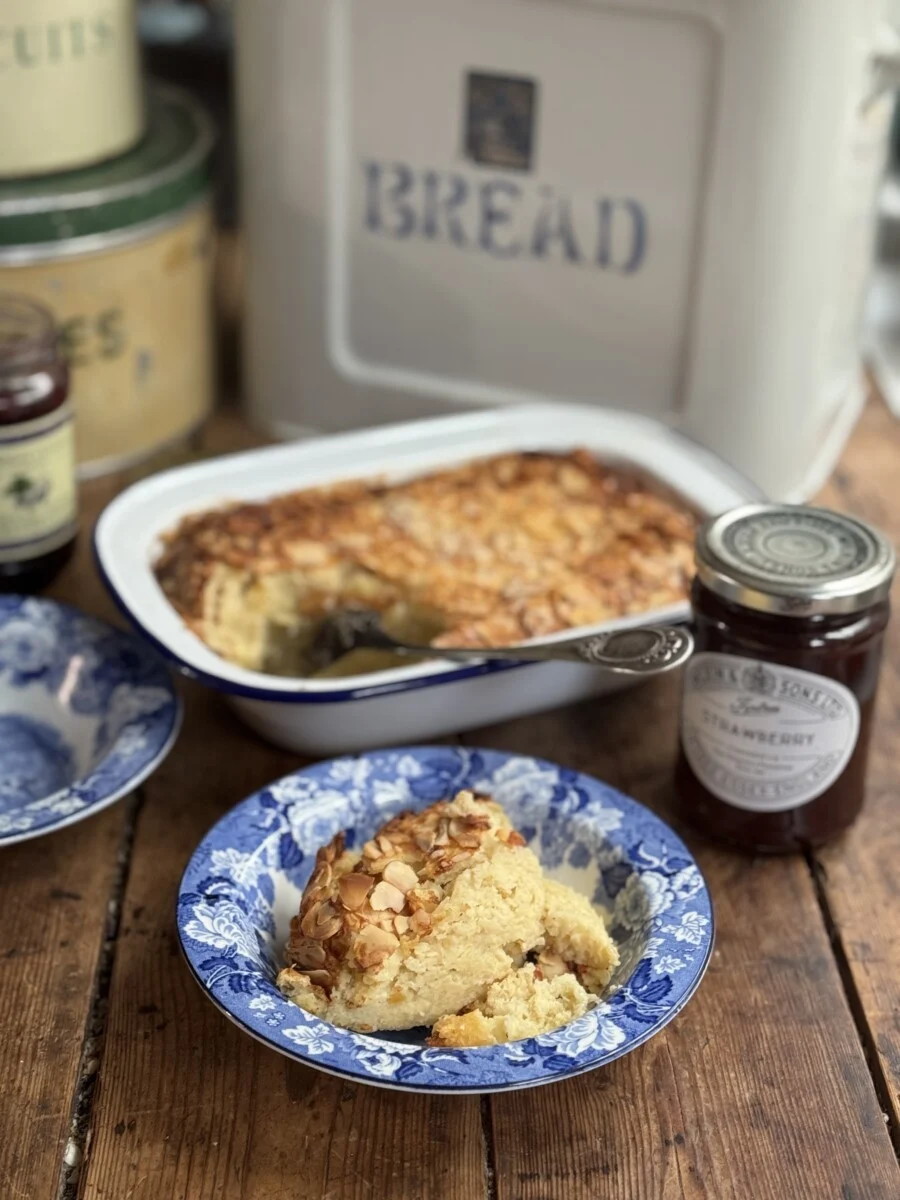
The culinary world is once again turning its attention to a fascinating piece of British gastronomic heritage: the Ipswich Pudding. Dating back to at least 1750, this traditional baked almond pudding, sometimes known as Suffolk Almond Pudding, is experiencing a resurgence among home cooks and culinary enthusiasts. Its unique blend of simplicity and rich flavour offers a compelling glimpse into the dessert traditions of 18th-century Britain, providing a tangible link to historical domestic life and evolving palates.

Tracing its Ancient Origins: From 18th Century Kitchens to Modern Tables
The story of the Ipswich Pudding begins well over two and a half centuries ago, rooted in an era when British cuisine was undergoing significant transformations. While the exact moment of its creation remains elusive, the earliest documented mention of the Ipswich Pudding can be found in one of the most influential cookbooks of its time: The Art of Cookery Made Plain and Easy by Hannah Glasse, first published in 1747. This monumental work, often credited with democratizing cookery for a burgeoning middle class, included a recipe for Ipswich Pudding in subsequent editions, notably by 1750.

Hannah Glasse’s cookbook was revolutionary for its straightforward language and practical advice, moving away from the elaborate and often obscure recipes of earlier aristocratic texts. Her inclusion of the Ipswich Pudding suggests it was a recognized and appreciated dish within British households of the mid-18th century. At this time, puddings were a cornerstone of the British diet, serving as both substantial main courses and sweet finales, often utilizing readily available ingredients and thrifty techniques, such as using stale bread.
The pudding resurfaced in print almost a century later, featuring in The Ladies Companion in 1836. This subsequent appearance highlights the dish’s enduring appeal and its transition through different culinary eras. The 19th century saw further refinement of British baking, and the Ipswich Pudding continued to hold its place, adapting slightly to contemporary tastes while retaining its core characteristics. This longevity underscores its inherent charm and adaptability, allowing it to withstand the test of time and culinary trends.

The Essence of Ipswich Pudding: Ingredients and Preparation
At its heart, Ipswich Pudding is a remarkably simple yet elegant dish, a testament to the resourcefulness and flavour consciousness of historical cooks. Its main ingredients comprise white breadcrumbs, eggs, milk, and ground almonds. This combination creates a unique texture, described by contemporary enthusiasts as a cross between a traditional bread pudding and a lighter batter pudding. When baked, it famously "puffs up like a soufflé," offering a light, airy texture with a satisfyingly golden-brown crust.

The preparation typically involves soaking breadcrumbs in warmed milk and cream, a technique that softens the bread and allows it to absorb the liquid, forming the base of the pudding. Sugar, ground almonds, and beaten eggs are then incorporated, creating a rich, custardy batter. A sprinkle of flaked almonds on top, dotted with butter, ensures a delightful crunch and added flavour dimension upon baking. The pudding is traditionally baked au bain-marie, or in a water bath, which ensures even cooking and prevents the edges from drying out, contributing to its delicate, soufflé-like consistency.
Historically, the original 18th-century recipes often called for floral essences such as rose water or orange flower water. These ingredients were popular flavourings in early modern European cuisine, lending subtle aromatic notes to sweet dishes. However, modern adaptations frequently substitute these with almond extract, which enhances the inherent almond flavour, or vanilla extract, catering to contemporary preferences. This evolution in flavourings showcases how historical recipes are reinterpreted and adapted to suit modern palates while maintaining their traditional essence. The pudding’s inherent sweetness and richness, coupled with its substantial protein and carbohydrate content (approximately 625 calories per serving, 40g total fat, 24g protein), reflect the nutritional needs and dietary patterns prevalent in its historical context, providing sustained energy from readily available ingredients.

A Tale of Two Names: Ipswich or Suffolk Almond Pudding?
One of the intriguing aspects of this historical dessert is the ambiguity surrounding its geographical nomenclature. While predominantly known as Ipswich Pudding, it is also referred to as Suffolk Almond Pudding. This dual naming sparks a gentle debate among culinary historians and enthusiasts: does the pudding truly originate from the historic port town of Ipswich in Suffolk, or is its name merely an honorary title, reflecting the broader regional appreciation for such a dish?

Despite extensive searches through old culinary files and vintage cookbooks, a definitive historical link proving its origin specifically in Ipswich has yet to be unequivocally established. However, the connection to Suffolk is more widely accepted, primarily due to the "Suffolk Almond Pudding" variant. Suffolk, a county rich in agricultural produce and maritime trade, would have had access to the necessary ingredients, particularly milk, eggs, and bread. Almonds, while not indigenous, were imported through trade routes and became a valued ingredient in British baking.
The naming convention for puddings in British history often reflected regional pride or the primary ingredients. For example, Yorkshire Pudding is intrinsically linked to its county of origin, while Plum Pudding (Christmas Pudding) is named for its fruit content (though "plum" originally referred to raisins). The term "Ipswich" could signify a local favourite within the town, or perhaps even a dish popularised by a specific Ipswich cook or inn. Regardless of its precise birthplace within the county, the name firmly places it within the culinary heritage of East Anglia, a region known for its distinctive and hearty traditional foods. This regional attribution adds a layer of cultural significance, positioning the pudding not just as a recipe, but as a part of a specific locale’s identity.

A Versatile Dessert for All Seasons and Occasions
The Ipswich Pudding, with its delicate almond flavour and satisfying texture, proves to be an incredibly versatile dessert, suitable for a myriad of occasions throughout the year. While some might categorize it as a "spring or summer" pudding due to its lighter profile compared to heavier, suet-based winter desserts, its comforting qualities make it equally appealing during the colder months. Its ability to evoke warmth and nostalgia makes it a perfect dish for any season.

Its elegance and ease of preparation make it an ideal choice for family meals and special gatherings. Culinary figures note that historical puddings like this were often central to celebratory feasts. Today, it presents itself as a fitting "afters" for traditional Sunday lunches, a delightful treat for Easter celebrations, or a thoughtful offering for Mothering Sunday. Its appeal lies in its comforting familiarity, reminiscent of classic British home baking.
The pudding is typically served warm, allowing its subtle aromas to fully develop. Traditional accompaniments include stewed fruit, such as apples, berries, or plums, or a simple fruit compote. For those with a sweet tooth, a generous dollop of fruit jam – blackcurrant, strawberry, or raspberry being popular choices – provides a vibrant contrast to the pudding’s rich, almond base. The combination of the warm, fluffy pudding with tart fruit or sweet jam creates a harmonious flavour profile that appeals to a wide range of palates.

The Broader Significance: Preserving Culinary Heritage
The rediscovery and popularisation of historical recipes like Ipswich Pudding hold significant cultural implications. In an era of increasing interest in provenance, sustainability, and culinary heritage, these dishes offer more than just a meal; they provide a tangible connection to the past. Food, being a fundamental aspect of human culture, serves as a powerful medium for understanding societal evolution, economic conditions, and changing tastes.

The work of contemporary food bloggers and culinary platforms, such as Lavender & Lovage, is crucial in this process. By meticulously researching, adapting, and sharing these ancient recipes, they act as custodians of culinary history, ensuring that dishes like the Ipswich Pudding are not lost to time. This effort contributes to a broader movement of preserving intangible cultural heritage, fostering an appreciation for traditional cooking techniques and ingredients.
Furthermore, the revival of such dishes can stimulate local interest and even culinary tourism. If the Ipswich Pudding were to be more formally adopted and promoted by the town or county, it could become a distinct regional specialty, drawing visitors keen to experience a taste of history. This echoes the success of other regional British delicacies, where food becomes a cornerstone of local identity and economic activity.

Expert Perspectives and Contemporary Palates
Modern palates, while accustomed to a vast array of global flavours, often find a profound satisfaction in the simplicity and depth of historical British desserts. The comparison of Ipswich Pudding to the famous Bakewell Pudding, a sentiment expressed by some contemporary tasters, underscores this point. While distinct in their composition and preparation, both puddings share a common thread of almond-infused richness and comforting texture, appealing to a fundamental appreciation for traditional baked goods. This suggests that while specific flavour trends may change, certain core elements of what makes a dessert enjoyable remain constant across centuries.

Culinary historians often observe that the revival of dishes like Ipswich Pudding reflects a broader societal yearning for authenticity and a connection to roots. In a rapidly modernizing world, there is a growing desire to understand where our food comes from, both geographically and historically. These puddings, with their straightforward ingredients and unpretentious charm, offer a refreshing alternative to complex, contemporary desserts, reminding us of the enduring appeal of well-made, honest food.
In conclusion, the Ipswich Pudding stands as more than just a recipe; it is a delicious artifact of British culinary history. Its journey from 18th-century kitchens, through the pages of seminal cookbooks, to its modern-day rediscovery, speaks volumes about the enduring appeal of simple, flavourful food. As home cooks continue to explore and embrace these historical treasures, the Ipswich Pudding is set to reclaim its rightful place as a beloved British delicacy, proving that some culinary traditions are truly timeless.