
The Historical Trajectory of the American Meatloaf
To understand the significance of the Premium Cheesy Meatloaf Casserole, one must examine the historical context of its primary component. Meatloaf has been a staple of Western cuisine since at least the 5th century, with the Roman cookbook Apicius detailing a dish of minced meat mixed with bread and wine. However, the modern American iteration gained prominence during the Industrial Revolution with the invention of the mechanical meat grinder.

During the Great Depression, meatloaf became a vital economic tool for households, allowing families to "stretch" expensive protein by incorporating fillers such as crackers, oats, and breadcrumbs. This tradition continued through the rationing era of World War II. In the post-war 1950s, meatloaf was codified as a symbol of suburban domesticity. The transition to a casserole format—where the potatoes are baked directly atop the meat—marks a contemporary shift toward "all-in-one" meal solutions that cater to the time-poverty of the 21st-century workforce.

Technical Innovations in Home Culinary Methods
A critical element of the Premium Cheesy Meatloaf Casserole is the methodological refinement regarding potato preparation. Standard oven-baked casseroles often suffer from "starch lag," where the meat reaches a safe internal temperature long before the vegetable components achieve the desired tenderness.

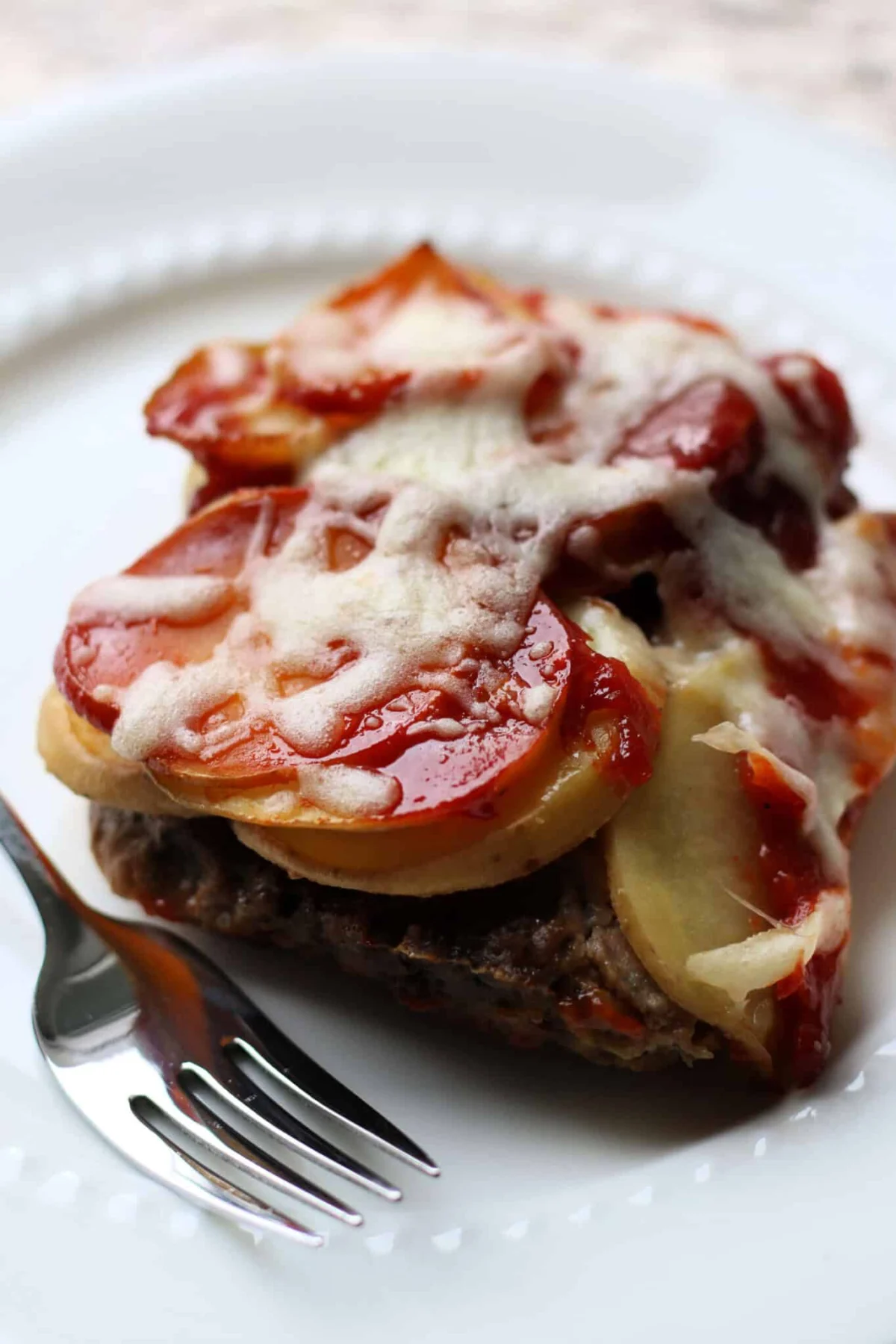
The recipe introduces a "microwave pre-treatment" phase, which serves as a form of rapid par-cooking. By slicing potatoes to a precise 1/8-inch thickness and microwaving them with a small volume of water for three to five minutes, the home cook initiates the gelatinization of the potato starches. This ensures that when the dish undergoes its final 45-minute bake at 375°F, the potatoes reach a buttery consistency that mirrors the texture of the meat base. This process innovation eliminates the common failure point of firm, undercooked potato discs in layered dishes.

Composition and Ingredient Analysis
The architectural integrity of the casserole relies on a specific ratio of binders and aromatics. The use of crushed saltine crackers, soaked in milk, creates a "panade." This mixture is essential for moisture retention, as the saltines provide a structural matrix that traps juices released by the ground beef during the rendered fat phase of cooking.

The Meatloaf Base
The protein foundation typically utilizes ground beef, though culinary analysts suggest that a blend of beef and pork (often referred to as a "meatloaf mix") can enhance the fat content and flavor depth. The inclusion of Dijon mustard, Worcestershire sauce, and a curated selection of dried aromatics—parsley, onion powder, and garlic powder—provides a savory backbone that offsets the sweetness of the impending glaze.

The Triple-Action Glaze
The topping of the casserole is a chemical balance of acidity, sweetness, and umami. By whisking together ketchup, vinegar, and brown sugar, the cook creates a glaze that undergoes a Maillard reaction in the oven. The vinegar cuts through the richness of the beef, while the brown sugar caramelizes under the high heat, forming a tacky, flavorful seal over the potato layer.

The Mozzarella Finish
In the final five minutes of the baking cycle, a layer of mozzarella cheese is applied. Unlike sharper cheeses like cheddar, which can oil off at high temperatures, mozzarella provides a mild, creamy finish and a superior "cheese pull," contributing to the dish’s visual appeal and "premium" designation.

Chronology of Preparation and Execution
The execution of the Premium Cheesy Meatloaf Casserole follows a strict timeline designed to maximize efficiency and flavor development:

- Pre-heating and Preparation (0-10 minutes): The oven is stabilized at 375°F. Simultaneously, the saltine panade is established to allow the crackers to fully hydrate in the milk.
- Starch Processing (10-20 minutes): Potatoes are sliced and subjected to the microwave par-cooking step. This is the most critical window for ensuring textural success.
- Assembly (20-30 minutes): The meat mixture is combined—carefully avoiding over-mixing, which can lead to a dense, rubbery texture—and pressed into an 8×8 inch dish. Potatoes are layered, seasoned with salt, and the glaze is applied.
- Primary Baking Phase (30-75 minutes): The casserole bakes for 45 minutes. During this time, the heat penetrates the meat layer, the juices steam the potatoes from below, and the glaze reduces from above.
- The Melting Phase (75-80 minutes): Mozzarella is added for a final five-minute melt, ensuring the cheese is bubbly and slightly browned without becoming tough.
- Resting Period (80-90 minutes): Though often overlooked, a 10-minute rest is essential for the proteins to reabsorb juices and for the layers to set, allowing for clean, presentable slices.
Economic and Social Implications of the Casserole Format
The rise of recipes like the Premium Cheesy Meatloaf Casserole reflects broader socio-economic trends. According to recent consumer data, the "casserole economy" sees a resurgence during periods of inflation. Ground beef remains a more accessible protein than whole muscle cuts like ribeye or sirloin, and the ability to feed a family of four using a single pound of meat—supplemented by inexpensive staples like potatoes and crackers—provides significant value.

Furthermore, the "one-dish" nature of the recipe reduces post-meal labor. In households where both adults typically work outside the home, the reduction in cleanup time is a quantifiable benefit. Socially, the dish taps into the "comfort food" movement, which psychologists suggest gains traction during times of global or economic uncertainty. The combination of warm starches, savory protein, and melted cheese triggers a dopamine response associated with security and nostalgia.

Market Trends and Digital Influence
The dissemination of this specific recipe highlights the power of digital food media. Platforms such as Pinterest and dedicated culinary blogs like "365 Days of Crockpot" have transformed how recipes are iterated. The "Premium" version of the meatloaf casserole is an example of "crowdsourced culinary evolution," where feedback from thousands of home cooks leads to small but significant tweaks—such as the aforementioned microwave step—that eventually become standard practice.

Market analysts note that recipes featuring "cheesy" or "loaded" descriptors see a 30% higher engagement rate on social media platforms compared to traditional titles. This has led to a "premiumization" of budget ingredients, where basic meatloaf is rebranded with high-quality glazes and cheese toppings to appeal to a more discerning digital audience.

Health and Dietary Adaptations
While the traditional Premium Cheesy Meatloaf Casserole is a calorie-dense meal, the versatility of the format allows for several health-conscious modifications:
- Protein Substitutions: Ground turkey or chicken can replace beef to reduce saturated fat, though additional moisture (such as grated zucchini or extra milk) is often required to prevent dryness.
- Gluten-Free Options: Gluten-free crackers or almond flour can substitute for saltines in the panade, making the dish accessible to those with Celiac disease or gluten sensitivities.
- Low-Carb Variations: Some iterations replace the sliced potatoes with cauliflower florets or radishes, which mimic the texture of potatoes when roasted, significantly lowering the glycemic load of the meal.
Conclusion: The Future of the Casserole
The Premium Cheesy Meatloaf Casserole is more than a simple recipe; it is a testament to the enduring nature of comfort food and the ingenuity of home cooks. By combining historical techniques with modern shortcuts like microwave par-cooking, it achieves a balance of flavor and texture that honors its roots while serving the needs of the modern lifestyle. As food costs and time constraints continue to influence domestic habits, the layered casserole format is expected to remain a dominant force in the American culinary landscape, offering a reliable, scalable, and satisfying solution for the evening meal.