
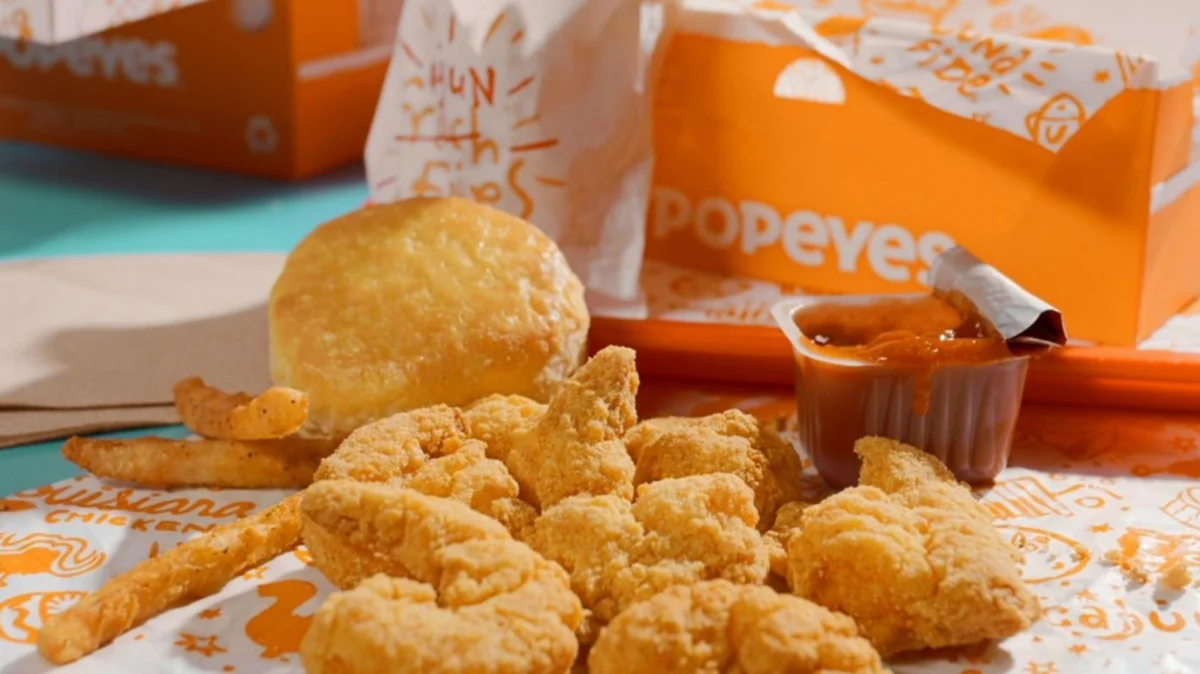
Popeyes, a fast-food chain renowned for its Southern-inspired cuisine and signature fried chicken, has once again rolled out its expanded seafood menu in mid-February, a strategic move that typically coincides with the observance of Lent. This year, however, the launch was particularly timed to embrace the festive spirit of Mardi Gras, introducing a quartet of new dry rub options for its popular Shrimp Tackle Box: Ghost Pepper, Lemon Pepper, Garlic Parm, and Buffalo. While the prospect of these novel flavor profiles generated considerable anticipation among seafood enthusiasts, an in-depth evaluation of Popeyes’ seafood offerings has revealed a significant disappointment, with the Buffalo Rub Shrimp Tackle Box identified as the weakest seafood contender on the menu.
The Promise and Peril of Dry Rubs
The introduction of dry rubs to Popeyes’ shrimp signifies a departure from their traditionally sauced seafood preparations. Dry rubs, by their nature, rely on a blend of spices and seasonings to adhere directly to the food, offering a more concentrated and sometimes textural flavor experience. However, this approach can also present challenges. Unlike the emulsified, velvety texture of a classic Buffalo sauce, which typically combines hot sauce with butter and other ingredients to create a rich coating, a dry rub can often feel granular, less integrated, and prone to dryness.
In the case of the Popeyes Buffalo Rub Shrimp Tackle Box, this textural and flavor deficiency became immediately apparent. Critics noted a distinct lack of the characteristic "zing" and creamy depth associated with authentic Buffalo sauce. Instead, the rub was described as being excessively dry and cloying, clinging unpleasantly to the palate rather than enhancing the shrimp’s inherent flavor. The seasoning was so potent and overwhelming that it masked the delicate taste of the shrimp itself, leaving consumers searching for a more balanced flavor profile. One reviewer even suggested that the rub lacked sufficient salt, a fundamental component for amplifying and deepening flavor, particularly in dry seasoning blends. The overall impression was that of a one-dimensional spice coating, failing to evoke the beloved flavor of buffalo wings. This particular iteration of a dry rub at Popeyes mirrors the less-than-stellar reception of their dry rub wings introduced in the previous year, suggesting a recurring challenge in translating this flavor profile to their menu.
Consumer Voices Echo Disappointment
The critical assessment of the Buffalo Rub Shrimp Tackle Box is not an isolated opinion; it is a sentiment echoed by consumers across various social media platforms. On TikTok, a platform where fast-food reviews frequently go viral, one user expressed clear dissatisfaction, stating, "I don’t think I like that one," after sampling several pieces of the Buffalo-seasoned shrimp. They further elaborated that the flavor profile was "too Creole-y" and advised viewers to "don’t get the Buffalo."
Another TikTok user provided a more detailed critique, observing that Popeyes "didn’t really disperse the seasoning well" on the Buffalo Dry Rub Shrimp Tackle Box. Their experience indicated that the shrimp only offered "a little bit of a tang" with "moderate spice," a far cry from the bold and assertive flavor profile for which Buffalo seasoning is celebrated. This lack of potent flavor intensity is particularly concerning for a product marketed around a specific, well-known taste.
Beyond TikTok, discussions on Reddit reveal a broader trend of disappointment with Popeyes’ recent foray into dry rubs for their seafood. One user lamented on a Popeyes-themed subreddit that "the shrimp is one of the rare instances where it tastes better without spice," implying that the dry rub seasonings, in general, detract from the natural quality of the shrimp. This sentiment suggests a potential miscalculation in how these dry rubs interact with Popeyes’ seafood offerings, leading to a preference for unseasoned or less intensely seasoned preparations.
Product Details and Potential Salvage
The Popeyes Buffalo Dry Rub Shrimp Tackle Box is offered as a meal containing eight pieces of shrimp, priced at approximately $6.99, though this price may vary by location. The standard combo meal includes a beverage, one biscuit, a choice of a side dish, and one dipping sauce. Among the side options are popular staples such as Cajun Fries, Red Beans & Rice, Mashed Potatoes with Cajun Gravy, Coleslaw, and Homestyle Mac & Cheese.
Interestingly, the inclusion of a dipping sauce presents a potential avenue for salvaging the lackluster flavor of the dry rub. The chain’s Bayou Buffalo Sauce, if available, might offer the necessary moisture and flavor complexity to complement or even compensate for the dry rub’s shortcomings. However, this reliance on an additional sauce to make a dish palatable suggests a fundamental flaw in the primary seasoning itself.
Some consumers have even speculated that the Buffalo dry rub might be better suited to other items on the menu, such as the Cajun Fries, rather than the shrimp. However, given the noted inconsistencies in the rub’s application and flavor delivery, even this suggestion remains speculative. The overarching conclusion from these observations is that the Buffalo-seasoned Tackle Box has failed to impress, even falling short of the chain’s previous culinary missteps, having potentially dethroned the popcorn shrimp from last year’s ranking as the worst seafood item at Popeyes.
Broader Context and Industry Trends
Popeyes’ strategic timing of its seafood menu expansion to coincide with the pre-Lenten period is a well-established practice in the fast-food industry. Many QSR chains leverage this time, when demand for seafood traditionally increases, to introduce or reintroduce their fish and shrimp offerings. The inclusion of Mardi Gras as a thematic element for this year’s launch is also a clever marketing tactic, tapping into regional cultural celebrations and a general sense of festivity.
The introduction of dry rubs, however, signals an attempt by Popeyes to innovate within its seafood category. This trend is not unique to Popeyes; many fast-food chains are experimenting with diverse flavor profiles and preparation methods to differentiate themselves and appeal to evolving consumer palates. The move towards dry rubs can be seen as an effort to offer a perceived "healthier" alternative to heavily sauced items, or simply to provide a different textural and flavor experience.
However, the challenges faced by Popeyes with its Buffalo dry rub highlight the inherent difficulties in executing such innovations effectively. The success of a dry rub relies heavily on the quality and balance of its spice blend, the method of application, and how it interacts with the base ingredient. When these elements are not harmonized, the result can be an overwhelming or unbalanced flavor, as experienced with the Buffalo Rub Shrimp Tackle Box.
The fact that consumers are actively suggesting alternative applications for the rub, such as on fries, indicates a disconnect between the intended use and the perceived effectiveness. This also points to a potential lack of comprehensive product testing or a misunderstanding of consumer expectations regarding specific flavor profiles like Buffalo.
Looking Ahead: Lessons for Popeyes and the Industry
The disappointing reception of the Popeyes Buffalo Rub Shrimp Tackle Box serves as a cautionary tale for fast-food chains venturing into new flavor territories. While innovation is crucial for staying competitive, it must be grounded in a thorough understanding of flavor science, consumer preferences, and rigorous product testing.
For Popeyes, the experience underscores the importance of ensuring that novel flavor applications not only align with their brand identity but also deliver a satisfying and authentic taste experience. The success of their core offerings, like their fried chicken, is built on a foundation of consistent quality and flavor. Applying this same rigor to new menu items, particularly those that deviate from established norms, is essential.
The broader implication for the fast-food industry is that consumers are increasingly discerning. They have access to a wealth of information and reviews, and their expectations are high. Simply introducing a new flavor or preparation method is no longer sufficient; the execution must be impeccable. Brands that fail to deliver on flavor and quality risk alienating customers and damaging their reputation, even when strategically timed launches and festive themes are employed. The quest for culinary innovation must be balanced with a steadfast commitment to delivering the delicious and satisfying experiences that consumers have come to expect.