
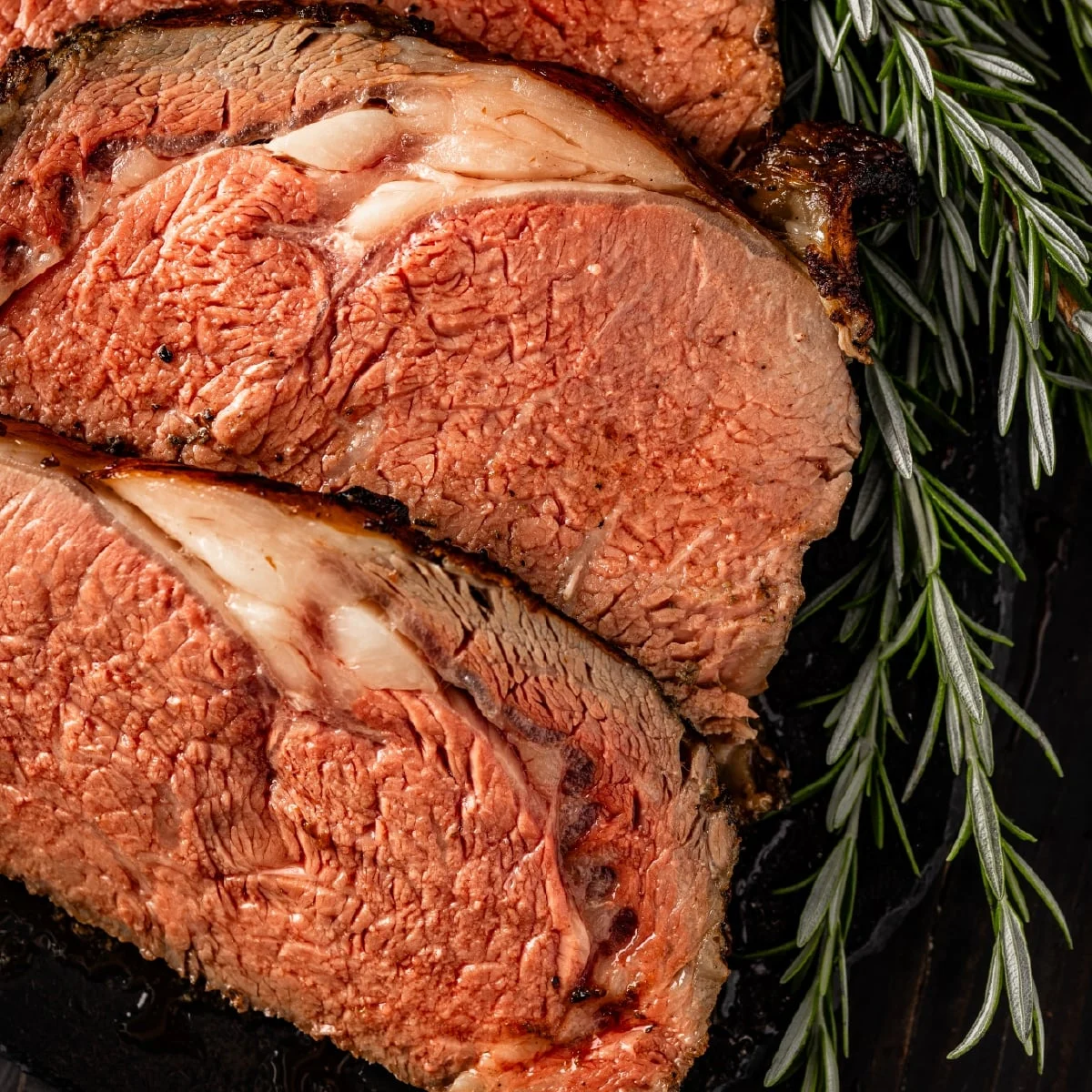
The culinary landscape of home cooking has undergone a significant transformation with the integration of professional-grade technology, most notably the adoption of sous vide techniques for high-value meat cuts. Prime rib, traditionally reserved for holiday centerpieces and high-end steakhouses, is increasingly being prepared using thermal immersion circulators to ensure mathematical precision in doneness. This method, which translates from French as "under vacuum," allows for an edge-to-edge medium-rare consistency that is historically difficult to achieve through traditional dry-heat roasting. By utilizing a controlled water bath set to 129 degrees Fahrenheit, home cooks can eliminate the "gray band" of overcooked meat that often occurs in conventional ovens, ensuring that every ounce of an expensive roast is utilized to its full potential.
The Evolution of Precision Cooking in Domestic Kitchens
The rise of sous vide cooking marks a departure from intuitive, heat-based cooking toward a science-driven approach. Originally developed in the mid-1970s by Georges Pralus for the Restaurant Troisgros in Roanne, France, the method was designed to reduce food shrinkage and maintain the delicate textures of foie gras. Over the subsequent decades, the technology transitioned from industrial food processing plants to Michelin-starred kitchens, and eventually to the consumer market.

The primary appeal of sous vide for a prime rib roast lies in the management of heat transfer. In a traditional oven set to 325 or 350 degrees Fahrenheit, the exterior of the meat is subjected to temperatures far exceeding the desired internal temperature. This creates a temperature gradient where the outer layers are overcooked by the time the center reaches the target 130 degrees Fahrenheit. Conversely, a sous vide immersion circulator maintains the water at the exact target temperature, allowing the meat to reach equilibrium without the risk of overshooting the desired level of doneness.
Technical Specifications and Ingredient Profile
A successful sous vide prime rib requires more than just specialized equipment; it necessitates a strategic approach to seasoning and preparation. The process typically involves a six-pound prime rib roast, which is seasoned heavily with a specialized rub before being vacuum-sealed. The chemical composition of the rub—consisting of kosher salt, coarse black pepper, garlic powder, onion powder, smoked paprika, dried thyme, and dried rosemary—serves a dual purpose. Beyond flavor enhancement, the salt initiates a process of denaturing proteins on the surface, which aids in moisture retention during the long cooking duration.
Fresh aromatics, such as rosemary and thyme sprigs, are often included within the vacuum-sealed environment. Because the bag is airtight, these essential oils are forced into the meat under pressure, resulting in a deeper infusion of herbal notes than is possible with traditional roasting. Culinary analysts note that the absence of oxygen during the cooking process prevents the oxidation of fats, maintaining a "cleaner" beef flavor profile that is often lost in the high-heat environment of a smoker or oven.

Chronology of the Sous Vide Process
The preparation of a six-pound prime rib via sous vide is an exercise in patience and planning, requiring a timeline that spans nearly a full day.
- Initial Preparation and Seasoning: The roast is trimmed of excess fat caps and seasoned. Unlike traditional methods where seasoning may be lost to the roasting pan, the vacuum seal ensures every grain of the rub remains in contact with the beef.
- Vacuum Sealing: The meat is placed in a BPA-free plastic bag and air is removed using a vacuum sealer. This step is critical; air pockets can act as insulators, leading to uneven cooking, and can also cause the bag to float, disrupting the thermal immersion.
- Thermal Immersion: The sealed roast is submerged in a water bath preheated to 129 degrees Fahrenheit. For a roast of this magnitude, the immersion duration is approximately eight hours. During this time, the connective tissues, specifically collagen, begin to break down into gelatin without the muscle fibers contracting and expelling moisture, a common byproduct of higher temperatures.
- The Chill and Rest (Optional): Some culinary experts recommend a brief rest or even a cold-water shock after the water bath to slightly lower the surface temperature, which prevents the internal temperature from rising too high during the final searing phase.
- The Maillard Reaction (Searing): Upon removal from the bag, the meat is patted dry—an essential step, as moisture inhibits the browning process. The roast is then finished in a high-heat environment, such as a cast-iron skillet, a 500-degree oven, or a hot grill. This stage creates the "bark" or crust through the Maillard reaction, a chemical reaction between amino acids and reducing sugars that gives browned food its distinctive flavor.
Comparative Analysis: Sous Vide vs. Traditional Roasting
Data from the culinary industry suggests that traditional roasting can result in a 15% to 25% loss in meat volume due to moisture evaporation and fat rendering. Sous vide reduces this loss to approximately 5% to 10%. For a high-cost cut like prime rib, which can retail for significant sums during peak holiday seasons, this increased yield represents a tangible economic benefit for the consumer.
Furthermore, the "window of perfection" is significantly wider with sous vide. In an oven, a prime rib can go from perfect medium-rare to overdone in a matter of ten minutes. With a water bath, the meat can remain at 129 degrees Fahrenheit for an additional two to three hours beyond the minimum cooking time without a significant degradation in quality. This flexibility is particularly advantageous for large-scale holiday hosting, where timing multiple side dishes can be logistically challenging.

Equipment and Safety Considerations
While professional-grade immersion circulators are the gold standard, the democratization of the technique has led to "low-tech" alternatives. Home cooks can achieve similar results using heavy-duty zip-top freezer bags and the displacement method—submerging the bag in water to force the air out before sealing. Monitoring the temperature in a large pot using an instant-read thermometer is possible, though it requires constant manual adjustment of the heat source.
From a food safety perspective, the USDA typically recommends a minimum internal temperature of 145 degrees Fahrenheit for beef. However, food scientists point out that pasteurization is a function of both temperature and time. Holding meat at 129 degrees Fahrenheit for several hours is sufficient to eliminate common pathogens like Salmonella and E. coli, making the sous vide method safe for consumption despite the lower final temperature compared to traditional guidelines.
Market Trends and Consumer Impact
The increasing popularity of sous vide reflects a broader consumer trend toward "at-home premiumization." As restaurant prices for luxury cuts like prime rib continue to rise, consumers are investing in tools that allow them to replicate steakhouse results at home. Market reports indicate that the global sous vide machine market is expected to grow at a compound annual growth rate (CAGR) of over 5% through 2030, driven largely by North American and European demand.

This shift has also impacted the spice and seasoning market. Specialized "prime rib rubs" and high-quality salts are seeing increased retail movement as home cooks seek to optimize the flavor profiles of their precision-cooked meats. The emphasis is no longer just on the heat, but on the chemical and biological processes that define modern gastronomy.
Long-term Storage and Reheating Protocols
One of the logistical advantages of the sous vide method is its application in food preservation. Leftover prime rib can be vacuum-sealed and refrigerated for three to four days or frozen for up to three months. The reheating process further highlights the superiority of the method. Reheating meat in a microwave or oven often leads to a rubbery texture and further moisture loss. By placing a leftover slice back into a 129-degree water bath for approximately 90 minutes, the meat returns to its original serving temperature without any additional cooking, effectively preserving the medium-rare state.
Conclusion and Future Outlook
The adoption of sous vide for prime rib represents the intersection of tradition and technology. While the prime rib roast remains a symbol of classic culinary indulgence, the methods used to prepare it are evolving to meet the demands of the modern, informed cook. By prioritizing thermal stability and scientific precision over traditional intuition, enthusiasts are able to guarantee a level of quality that was once the exclusive domain of professional chefs. As technology continues to become more accessible, the "holiday hero" status once reserved for master grillers is now attainable for anyone with an immersion circulator and a commitment to the eight-hour process. The broader implication is a more sustainable and economically efficient way to enjoy premium proteins, ensuring that the centerpiece of the meal is as perfect in practice as it is in presentation.