
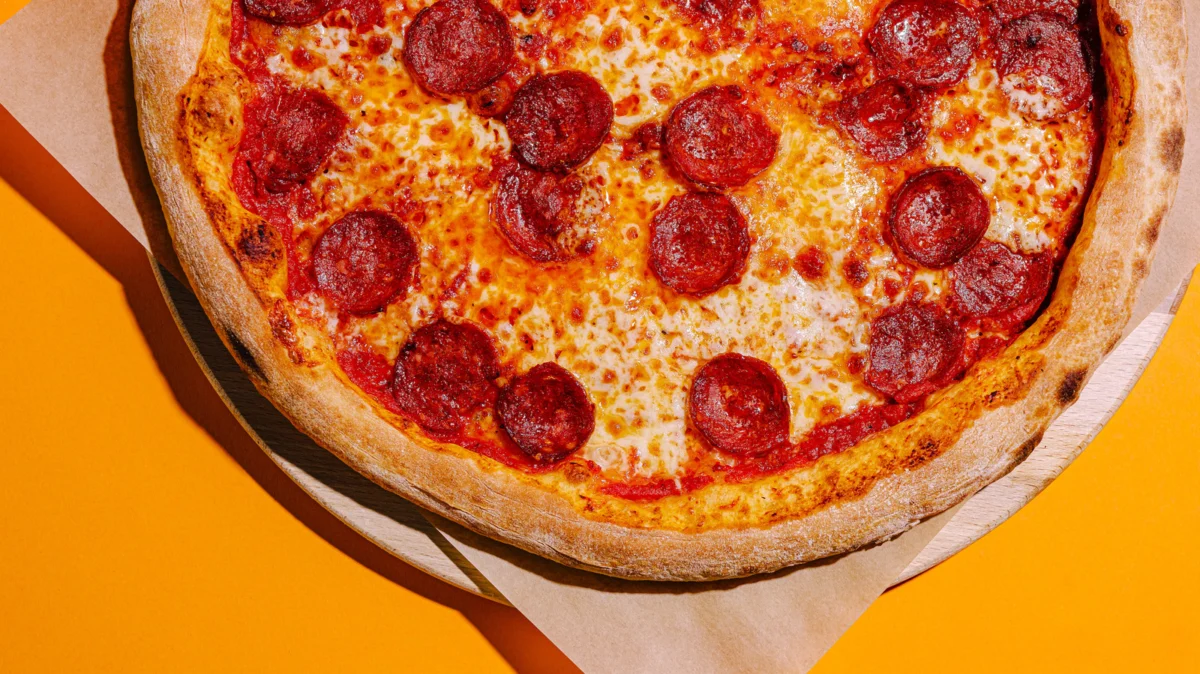
The ubiquitous presence of pepperoni on pizza menus across the United States is a culinary phenomenon that, for many, defines the quintessential American pizza experience. Yet, this fiery, flavorful topping, now accounting for approximately one-third of all pizzas made in the U.S., is a relatively recent addition to the storied history of pizza. For the vast majority of pizza’s millennia-long existence, pepperoni was not only absent but unimaginable as a standard topping. The journey from simple, fresh ingredients to the savory, cured meat that now dominates the American pizza landscape is a fascinating narrative of cultural exchange, culinary innovation, and market forces.
The Origins of Pizza: A Humble Beginning
Pizza, in its most rudimentary form, traces its roots back to ancient civilizations. Flatbreads with toppings have been a staple food in various cultures for thousands of years. However, the direct ancestor of modern pizza emerged in Naples, Italy, centuries ago. Early Neapolitan pizzas were far from the elaborate creations we see today. They were typically simple, peasant fare, designed to be affordable and easily consumed. The foundational ingredients were a leavened flatbread, often topped with fresh tomatoes (introduced to Europe from the Americas in the 16th century and initially viewed with suspicion), a drizzle of olive oil, and perhaps a scattering of garlic or herbs like oregano and basil. Cheese, a luxury, was not always a standard component.
The Margherita legend, while debated by historians, highlights this era of simplicity. The story goes that in 1889, Neapolitan pizzaiolo Raffaele Esposito created a pizza for Queen Margherita of Savoy, featuring toppings that mirrored the colors of the Italian flag: red tomatoes, white mozzarella, and green basil. This patriotic, yet still fundamentally simple, pizza became a benchmark and contributed to the popularization of these core ingredients.
Italian Immigration and the Americanization of Pizza
The late 19th and early 20th centuries witnessed a massive wave of Italian immigration to the United States. As these immigrants settled, particularly in urban centers like New York, Chicago, and Philadelphia, they brought their culinary traditions with them. Pizza, a taste of home, began to appear in Italian-American communities. Initially, it was primarily sold in small, family-run establishments catering to the Italian diaspora.
These early American pizzerias often adhered closely to Neapolitan traditions, serving pizzas with a focus on fresh tomatoes, mozzarella, and perhaps simple herbs. However, as pizza gained traction beyond the Italian community, American palates and preferences began to influence its evolution. The American penchant for hearty, savory, and often meat-centric dishes started to steer pizza toppings in new directions.
The Era of Experimentation: Before Pepperoni Took Hold
Before pepperoni became the undisputed king, American pizzerias explored a variety of toppings. This period was characterized by a vibrant, albeit somewhat chaotic, experimentation phase. Pizzaiolos, eager to appeal to a broader American clientele, began to incorporate ingredients that were popular in the American diet.
- Sausages and Cured Meats: Italian sausages, in various forms, were an early favorite. These were often seasoned with fennel and other robust spices, reflecting Italian culinary heritage. Beyond traditional Italian varieties, American-style sausages began to make their way onto pizzas. This experimentation laid the groundwork for the eventual development of pepperoni.
- Anchovies: A direct inheritance from Neapolitan tradition, anchovies were a common topping on early American pizzas. Their salty, pungent flavor appealed to some, but they remained a divisive ingredient, a testament to the early diversity of pizza topping preferences.
- Mushrooms: The earthy flavor of mushrooms also found a place on early American pizzas. They offered a textural contrast and a savory element that was well-received by many.
- Other Meats: Bacon, ham, and even meatballs were incorporated into various pizza creations. The "Meat Lover’s" pizza, a concept that likely emerged during this period of culinary exploration, exemplifies the desire to pile on a variety of savory, meaty ingredients.
However, this era lacked a single, dominant topping. The choice of toppings often varied significantly from one pizzeria to another, and even from one city to another. What was popular in one neighborhood might be unheard of in another. This decentralized approach meant that while pizza was gaining popularity, its identity as a topping-driven dish was still in flux. The market was open, and various ingredients vied for supremacy.
The Birth of Pepperoni: A Century in the Making
The very concept of pepperoni as we know it is surprisingly recent, dating back to the early 20th century. The key innovation was the transformation of a dry salami into something distinctly American.
- 1919: The Genesis of Pepperoni: The first documented instance of what would become pepperoni occurred in 1919. Italian-American sausage makers began experimenting with traditional dry salami recipes. The crucial addition was the incorporation of paprika and chili powder, lending the sausage its characteristic red hue and a mild to moderate level of heat. This fusion of Italian curing techniques with American spice preferences marked the birth of pepperoni.
- Early Adoption and Gradual Rise: While the sausage was invented, it did not immediately become a pizza topping sensation. For decades, it remained one of many cured meats available. Its distinctive flavor and texture slowly began to find favor, but it was not yet the frontrunner.
The Turning Point: Pepperoni’s Ascent to Dominance
Several factors converged in the mid-20th century to propel pepperoni from a niche product to the reigning king of pizza toppings.
- Convenience and Versatility: Pepperoni offered significant advantages for both pizzerias and consumers. Unlike fresh ingredients that could spoil quickly, pepperoni had a long shelf life. Its cured nature meant it could be stored and shipped with relative ease, a crucial factor for a growing industry. Furthermore, it was easy to slice and apply, speeding up preparation times in busy kitchens.
- Flavor Profile: The combination of smoky, savory, and slightly spicy notes in pepperoni proved to be a hit with the American palate. It complemented the tomato sauce and cheese perfectly, adding a complex flavor dimension without overpowering other ingredients.
- The Rise of Pizza Chains: The 1960s and 1970s saw the explosive growth of national pizza chains like Domino’s and Pizza Hut. These companies standardized their menus and operations to cater to a mass market. Their extensive marketing efforts and nationwide reach played a pivotal role in popularizing specific toppings.
- The 1950s: The First Pepperoni Pizza on a Menu: While the sausage was developed earlier, the first recorded instance of a pizza specifically advertised with pepperoni as a topping appeared in the mid-1950s. The Spot, a restaurant in Milford, Connecticut, is often credited with being among the first to feature the "pepperoni pizza" on its menu. This marked a significant step in its integration into mainstream pizza culture.
- Strategic Choice by Chains: As these chains expanded, they needed a topping that was universally appealing, cost-effective, and easy to manage on a large scale. Pepperoni fit the bill perfectly. Its consistent quality and broad appeal made it an ideal choice for their standardized offerings. With their immense market penetration, these chains effectively cemented pepperoni’s status as the default pizza topping for millions of Americans.
Supporting Data and Market Trends
The dominance of pepperoni is quantifiable. Industry reports consistently show pepperoni as the most popular pizza topping in the United States by a significant margin.
- Market Share: While exact figures fluctuate, estimates suggest that pepperoni accounts for between 25% and 35% of all pizza orders in the U.S. This dwarfs other popular toppings like mushrooms, onions, and olives.
- Economic Impact: The production and sale of pepperoni represent a substantial segment of the processed meat industry. Its popularity directly fuels demand for pork, spices, and the manufacturing infrastructure required for its production.
- Consumer Preference Surveys: Numerous surveys of American consumers consistently rank pepperoni as their favorite pizza topping. This enduring preference underscores its deep integration into the American culinary landscape.
The Broader Impact and Implications
The rise of pepperoni as the dominant pizza topping has had several broader implications:
- Culinary Identity: Pepperoni has become intrinsically linked to the American identity of pizza. While Italian purists might debate its authenticity, for many Americans, a pizza is not truly complete without it. This has influenced how pizza is perceived and consumed globally, with pepperoni often being the most recognizable topping in international markets.
- Innovation and Competition: While pepperoni reigns supreme, its success has not stifled innovation entirely. The continued popularity of other toppings, and the emergence of new, gourmet options, shows that there is still room for diversity. However, any new topping aspiring to widespread popularity must contend with the established dominance of pepperoni.
- Cultural Exchange: The story of pepperoni is a powerful example of how culinary traditions evolve through cultural exchange. Italian immigrants brought pizza to America, and American tastes and resources shaped its development into the form we know today, with pepperoni being a prime example of this fusion.
Conclusion: A Flavorful Legacy
From its humble beginnings as a simple peasant food in Naples, pizza has undergone a remarkable transformation, particularly in the United States. The journey from a few fresh ingredients to the complex, diverse landscape of modern pizza toppings is a testament to culinary adaptation and market forces. Pepperoni, a relatively recent invention, has achieved an unparalleled level of popularity, becoming synonymous with American pizza. Its rise is a story of convenience, appealing flavor, and strategic marketing, solidifying its place not just as a topping, but as a cultural icon on the American plate. The fact that a spiced, cured sausage, invented barely a century ago, now defines the pizza experience for so many Americans is a compelling narrative in the ever-evolving world of food.