
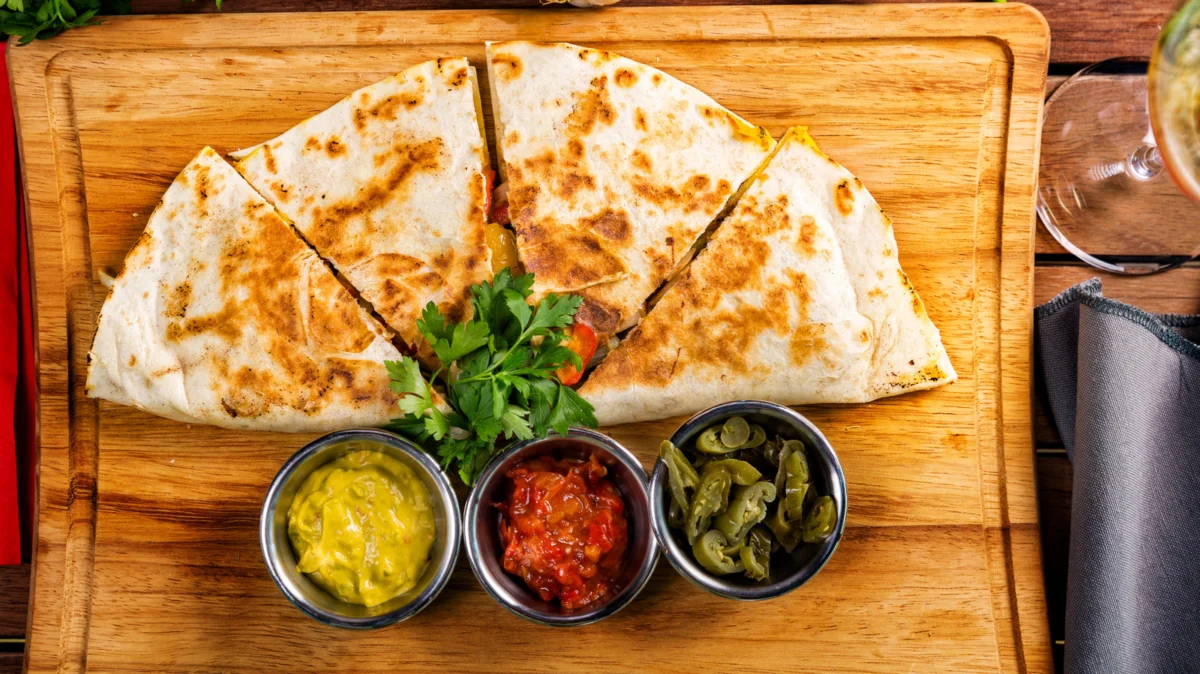
The humble quesadilla, a culinary cornerstone celebrated for its comforting simplicity and delightful versatility, may be on the cusp of a significant gastronomic evolution. While generations have savored the familiar embrace of melted cheddar or Monterey Jack nestled within a perfectly crisped tortilla, a new contender is emerging from the upscale Italian cheese repertoire, promising to elevate this beloved dish to unprecedented heights of creamy indulgence. This game-changer? Burrata cheese.
The concept of introducing burrata, a cheese typically gracing appetizer platters in fine dining establishments, into the humble quesadilla might initially seem unconventional. However, a deeper understanding of burrata’s unique composition and flavor profile reveals a synergy that could redefine quesadilla experiences for home cooks and culinary enthusiasts alike. This proposed enhancement isn’t merely a superficial substitution; it’s a fundamental shift in texture and richness that, according to culinary proponents, transforms the familiar into the extraordinary.
The Anatomy of a Burrata Upgrade
At its core, burrata is a testament to Italian cheesemaking artistry. It consists of a tender, fresh mozzarella shell encasing a luscious interior of stracciatella. Stracciatella, itself a delicate mixture of mozzarella curds and rich cream, imbues burrata with a uniquely decadent texture. This dual nature — the firm yet yielding exterior and the molten, creamy core — is precisely what makes burrata such a compelling ingredient for quesadillas.
The flavor profile of burrata is equally appealing in this context. Its taste is predominantly buttery and milky, with a subtle tang that complements, rather than overwhelms, other ingredients. This delicate balance allows burrata to act as a sophisticated flavor enhancer, capable of harmonizing with a wide spectrum of fillings, from the subtly sweet to the robustly savory. Unlike more assertive cheeses that can dominate a dish, burrata offers a nuanced richness that elevates existing flavors.
Understanding Burrata’s Culinary Nuances
The high moisture content inherent in burrata presents a unique challenge and opportunity when integrating it into quesadillas. Unlike harder cheeses that can withstand prolonged heat and develop a consistent melt, burrata’s delicate structure is best preserved with a more controlled application of heat. Overexposure to high temperatures can cause it to break down, losing its signature creamy thickness and becoming excessively liquid.
This characteristic necessitates a slight adjustment to the traditional quesadilla preparation method. Instead of the typical pan-frying technique, which can sometimes lead to overcooked cheese, a broiling method is recommended. This approach allows the tortilla to achieve a desirable crispness while gently warming and softening the burrata, coaxing out its creamy essence without compromising its structural integrity. The goal is to achieve an "ooey-gooey and velvety" texture, a far cry from a potentially watery or broken-down cheese filling.
A Timeline of Quesadilla Evolution and the Burrata Revelation
The history of the quesadilla, while not as formally documented as some other culinary traditions, can be traced back to pre-Hispanic Mexico. Indigenous peoples utilized corn tortillas as a staple food, and early forms likely involved folding tortillas with readily available fillings. The introduction of dairy by the Spanish in the 16th century marked a pivotal moment, paving the way for the cheese-laden creations we recognize today. Over centuries, regional variations and culinary innovations have expanded the quesadilla’s repertoire, leading to the diverse array of fillings and cheese combinations found across Mexico and beyond.
The emergence of burrata as a quesadilla ingredient is a more recent development, likely stemming from the broader trend of incorporating artisanal and international cheeses into everyday cooking. The early 2000s saw a surge in the popularity of burrata in Western culinary scenes, driven by its presence in Italian restaurants and food magazines. As home cooks became more adventurous and accessible to a wider variety of cheeses, the idea of applying burrata to familiar dishes like quesadillas began to take root. While a precise date for the first burrata quesadilla is elusive, it’s a concept that has gained traction organically through culinary experimentation and online food communities in the past decade.
Culinary Applications: Harmonizing Burrata with Diverse Fillings
The versatility of burrata extends to its ability to complement a wide spectrum of quesadilla fillings. Its creamy richness provides a luxurious counterpoint to the vibrant acidity of tomatoes and the subtle heat of peppers, making it an ideal partner for traditional Tex-Mex quesadillas. This sophisticated pairing can elevate the familiar flavors of chicken, beef, or vegetarian fillings with an unparalleled creamy depth.
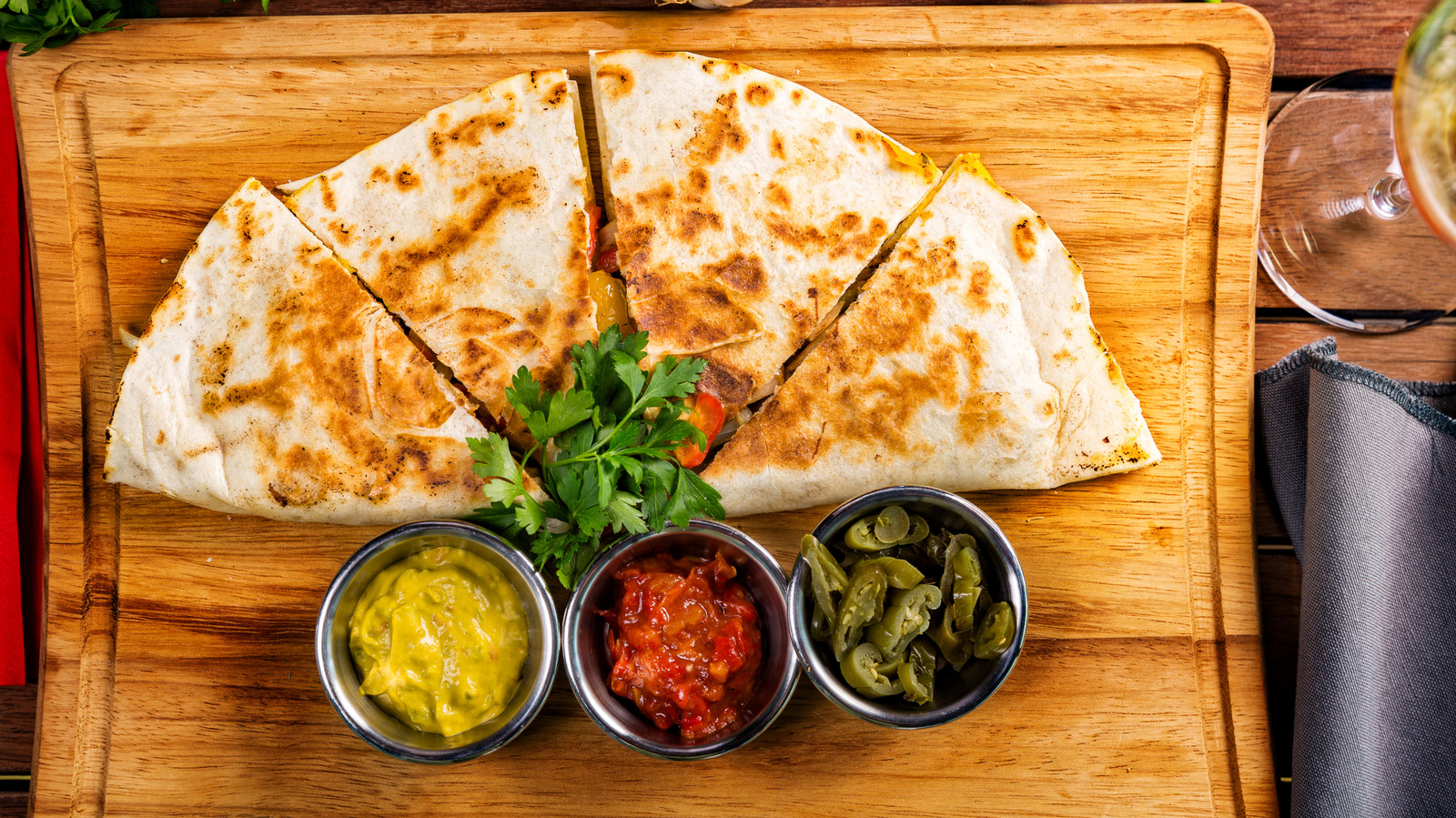
Beyond the traditional, burrata opens the door to avant-garde quesadilla creations. Imagine the sweet notes of grilled peaches or the peppery bite of radishes softened and enriched by creamy burrata. The earthy sweetness of beets, the savory crunch of bacon or pancetta, or the delicate wilt of spinach all find a new dimension when paired with this luxurious cheese. This adaptability allows the quesadilla to transcend its Tex-Mex origins and become a canvas for a global palette of flavors.
Crafting the Perfect Burrata Quesadilla: A Step-by-Step Approach
To truly unlock the potential of burrata in a quesadilla, a mindful approach to preparation is key. The process begins with selecting high-quality ingredients, including fresh burrata that has been properly drained of any excess liquid to prevent a watery outcome.
Step 1: Preparing the Tortillas
The foundation of any great quesadilla is the tortilla. For a burrata quesadilla, lightly browning the tortillas on a dry skillet for approximately 30 seconds per side is recommended. This step ensures a pleasant crispness without overcooking, which could make the tortilla brittle when the burrata is added.
Step 2: Assembling the Fillings
While the tortillas are browning, prepare your chosen fillings. For a classic rendition, shredded chicken mixed with salsa is an excellent starting point. The key is to have your fillings ready to go as soon as the tortillas are prepared.
Step 3: The Broiling Technique
Once the tortillas are lightly browned, arrange them on a baking sheet. Generously top one half of each tortilla with substantial chunks of fresh, drained burrata. Distribute your prepared fillings evenly over the burrata. Carefully fold the tortillas in half.
Step 4: The Broiler’s Gentle Touch
Place the baking sheet under a preheated broiler. The intense heat from above will quickly melt and warm the burrata and fillings, creating a luscious, gooey texture. This stage typically requires only about two minutes, so vigilance is essential to prevent burning. The goal is a gently melted cheese that retains its creamy integrity.
Step 5: Serving and Garnishing
Once the quesadillas have emerged from the broiler, they can be served open-faced to showcase the creamy burrata, or folded together. The accompanying garnishes are crucial for completing the flavor profile. Fresh toppings like pico de gallo, chopped cilantro, and thinly sliced jalapeños add brightness, acidity, and a hint of spice that perfectly complements the richness of the burrata.
Data and Trends in Cheese Consumption and Culinary Innovation
The global cheese market is a significant economic driver, with projections indicating continued growth. According to Grand View Research, the global cheese market size was valued at USD 132.1 billion in 2022 and is expected to expand at a compound annual growth rate (CAGR) of 4.2% from 2023 to 2030. This growth is fueled by increasing demand for diverse cheese varieties, including specialty and artisanal cheeses.
Burrata, as a representative of the artisanal cheese segment, has seen a notable rise in popularity. While specific market data for burrata is often aggregated within broader fresh cheese categories, its increased presence on restaurant menus and in home kitchens suggests a growing consumer appreciation for its unique qualities. This trend aligns with broader shifts in consumer preferences towards premium ingredients and elevated home-cooking experiences.
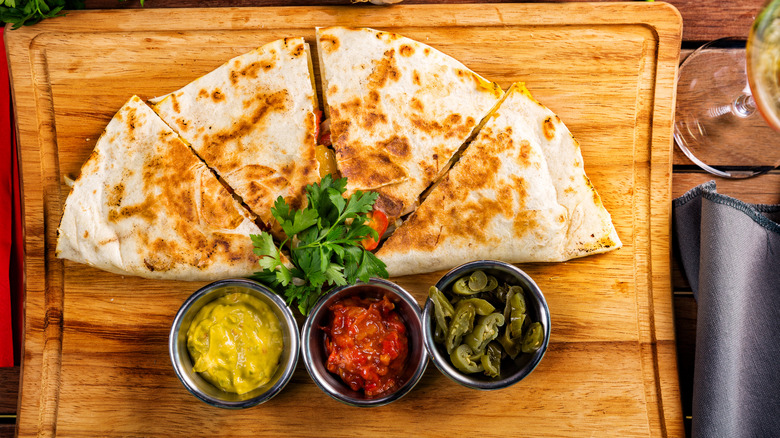
The culinary landscape is continuously shaped by cross-cultural influences and the exploration of novel ingredient pairings. The integration of burrata into quesadillas can be viewed as a manifestation of this ongoing innovation, where traditional dishes are reimagined through the lens of global culinary trends. This approach not only satisfies the desire for new taste experiences but also taps into a growing market segment interested in gourmet and artisanal food products.
Expert Opinions and Culinary Analysis
Chefs and food critics often highlight the importance of texture and flavor balance in culinary creations. The addition of burrata to quesadillas is frequently lauded for its ability to introduce a sophisticated creaminess that traditional cheeses may not provide.
"Burrata offers a textural contrast that is unparalleled," notes a culinary commentator on a popular food blog. "Its ability to melt into a luxurious cream while retaining a subtle chew from the mozzarella shell is a game-changer. It elevates the quesadilla from a simple comfort food to something approaching fine dining."
From a flavor perspective, analysts suggest that burrata’s mild, milky profile makes it an exceptionally adaptable ingredient. "Unlike sharp cheddars that can sometimes overpower delicate fillings, burrata acts as a luxurious binder and flavor enhancer," explains a food scientist. "It allows the nuances of other ingredients, like herbs, spices, and proteins, to shine through while adding a layer of richness that is deeply satisfying."
The implications of this culinary trend extend beyond individual dishes. The increasing willingness of consumers to experiment with high-quality ingredients like burrata in everyday meals reflects a broader cultural shift towards valuing culinary experiences and a greater appreciation for the craftsmanship involved in artisanal food production. This could lead to further innovation in the dairy sector and encourage the development of more accessible, high-quality cheese options for the home cook.
The Broader Impact: Reshaping Comfort Food and Culinary Boundaries
The enthusiastic reception of burrata as a quesadilla upgrade signals more than just a fleeting food trend; it points to a evolving palate that seeks both comfort and sophistication in its meals. This fusion of accessible, beloved dishes with premium ingredients democratizes gourmet experiences, making them attainable for a wider audience.
Furthermore, this innovation encourages a deeper engagement with food. By understanding the unique properties of ingredients like burrata and adapting cooking techniques accordingly, individuals can become more confident and creative in their own kitchens. This fosters a greater appreciation for the art of cooking and the diverse world of culinary possibilities.
The burrata quesadilla, therefore, stands as a testament to the dynamic nature of food culture. It exemplifies how tradition and innovation can harmoniously coexist, resulting in dishes that are both familiar and excitingly new. As culinary boundaries continue to blur, the humble quesadilla, with its newfound creamy indulgence, is poised to capture the hearts and palates of an ever-expanding global audience. The future of comfort food, it seems, is becoming increasingly decadent and delightfully Italian.