
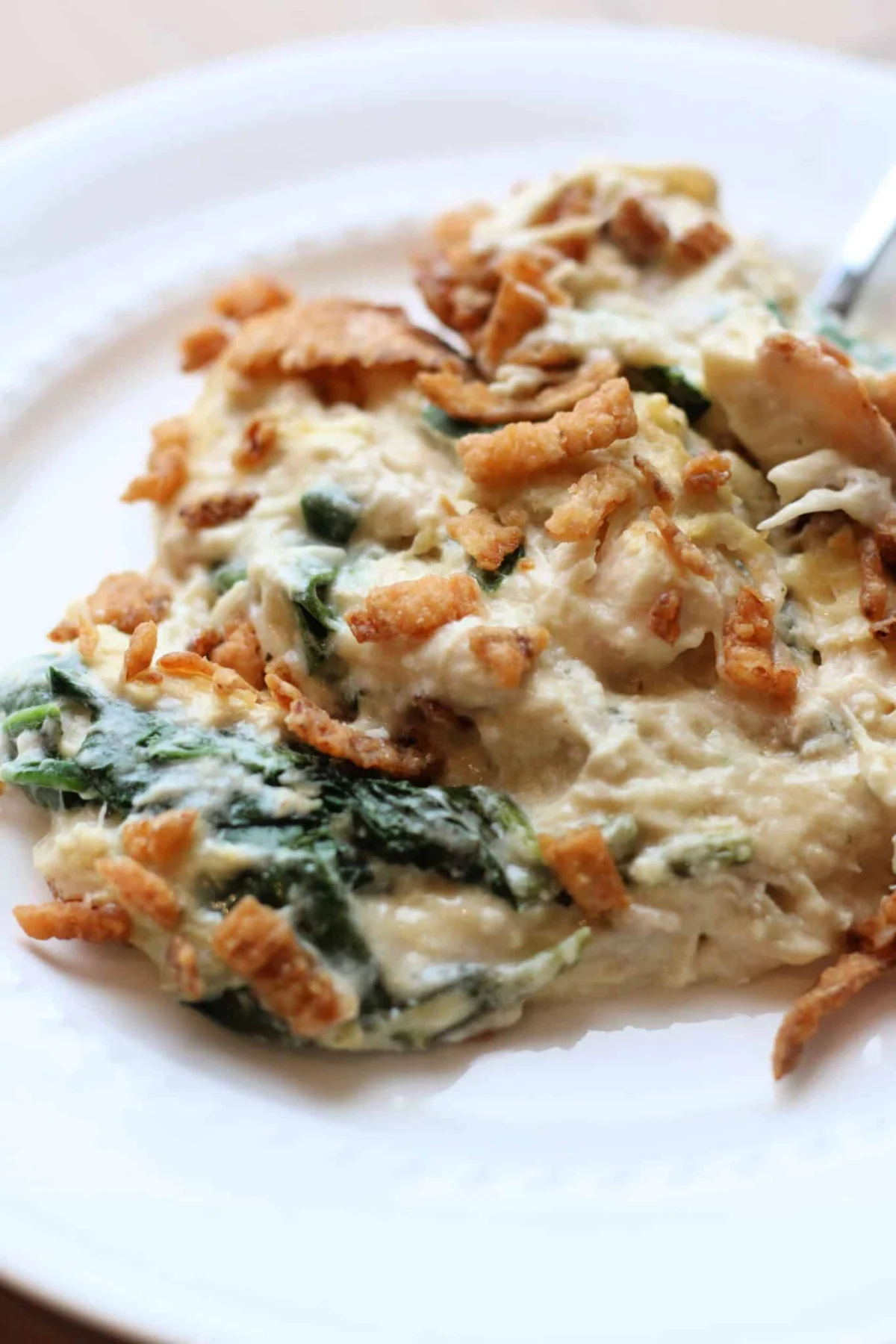
Monterey Chicken Casserole represents a significant intersection in the modern American culinary landscape, blending traditional mid-century "one-pan" convenience with contemporary flavor profiles that prioritize bold seasonings and high-protein content. This specific dish, characterized by its creamy ranch-infused base, tender poultry, and distinctive Monterey Jack cheese profile, has emerged as a staple in the "speed-scratch" cooking movement—a method where home cooks combine fresh ingredients with pre-processed components to achieve gourmet results within a limited timeframe. As domestic schedules become increasingly compressed, the reliance on such high-efficiency recipes has grown, reflecting broader shifts in consumer behavior and grocery retail trends.

Technical Composition and Flavor Profile
The architectural integrity of the Monterey Chicken Casserole relies on a balanced contrast between textures and flavors. The primary protein component is typically derived from pre-cooked, shredded, or chopped chicken breast, which serves as a neutral canvas for the more assertive elements of the dish. The integration of Monterey Jack cheese—a California-original semi-hard cheese known for its high moisture content and superior melting properties—provides a mild, buttery foundation that complements the tanginess of the secondary dairy components.
The "creamy ranch" element is achieved through a synergistic mixture of sour cream, condensed cream of chicken soup, and a dry ranch seasoning blend. This combination utilizes the lactic acid in the sour cream to tenderize the poultry during the baking process, while the ranch seasoning—composed primarily of buttermilk powder, garlic, onion, and herbs like dill and chives—adds a complex savory layer. The inclusion of spinach introduces a fibrous texture and a slight bitterness that cuts through the richness of the fats, while the crowning layer of French fried onions provides a crucial "crunch" factor, satisfying the sensory requirement for varied textures in baked casseroles.

The Evolution of the American Casserole
To understand the current popularity of dishes like the Monterey Chicken Casserole, one must examine the chronology of the American baked dinner. The concept of the casserole gained significant traction in the United States during the mid-20th century, particularly following World War II. During this era, the mass production of canned goods and the expansion of the electrical grid allowed for the widespread adoption of the electric oven and the refrigerator.
- 1950s–1960s: The "Golden Age" of the casserole was defined by the use of condensed soups (specifically mushroom and chicken) as binding agents. These dishes were designed to be economical and shelf-stable.
- 1980s–1990s: The flavor profiles shifted toward "Tex-Mex" and regional influences. The "Monterey Chicken" name itself gained national recognition through major casual dining franchises, which paired grilled chicken with barbecue sauce, cheese, and bacon.
- 2010s–Present: The modern iteration, as seen in the current recipe, focuses on "low-carb" adaptations and the "rotisserie chicken hack." The focus has moved from purely economical sustenance to flavor-dense, high-efficiency meal prepping.
The Monterey Chicken Casserole is a direct descendant of these eras, maintaining the 1950s binding techniques while adopting the bold, herb-forward flavor profiles preferred by 21st-century palates.

The Rotisserie Chicken Phenomenon and Retail Impact
A critical factor in the proliferation of this recipe is the strategic role of the rotisserie chicken in the modern grocery economy. Retailers such as Costco and Walmart have turned pre-cooked poultry into "loss leaders"—products sold at a low price point to attract foot traffic. In 2023 alone, Costco reported selling over 137 million rotisserie chickens globally, maintained at a stagnant price of $4.99 despite inflationary pressures.
Culinary analysts suggest that the Monterey Chicken Casserole is a primary "utilization vehicle" for these retail products. By deboning a rotisserie chicken and portioning the meat into two-cup increments, consumers can reduce the preparation time of a homemade dinner from 90 minutes to approximately 10 minutes of active labor. This efficiency has a measurable impact on household food waste; by repurposing pre-cooked meats into a freezer-friendly casserole, the "secondary life" of the poultry is extended, providing a hedge against rising food costs.

Systematic Preparation and Chronology
The execution of the Monterey Chicken Casserole follows a standardized culinary protocol designed for consistency and food safety. The process is divided into three distinct phases: assembly, thermal processing, and resting.
Phase 1: Assembly and Homogenization
The oven is preheated to a standard 350°F (177°C). In a large mixing vessel, the pre-cooked chicken is combined with the Monterey Jack cheese, sour cream, cream of chicken soup, and fresh or thawed spinach. The dry ranch dressing mix is introduced at this stage to ensure even distribution of the particulate seasonings. A critical technical step involves incorporating only half of the French fried onions into the wet mixture; this provides internal structure and flavor pockets within the creamy base.

Phase 2: Thermal Processing
The mixture is transferred to a standardized 8×8 inch baking dish. The smaller surface area of an 8×8 dish (compared to a 9×13) ensures a thicker cross-section, which prevents the chicken from drying out during the 40-minute bake time. The remaining onions are applied to the surface during the final stages of the process to ensure they reach a golden-brown state without charring, which would introduce unwanted carbonization flavors.
Phase 3: Stabilization
Upon removal from the oven, the casserole undergoes a brief stabilization period. This allows the proteins in the cheese and the starches in the soup base to "set," ensuring that the dish maintains its structural integrity when sliced and served.

Consumer Trends and Market Analysis
The rise of the Monterey Chicken Casserole also reflects broader shifts in dietary preferences. While traditional casseroles often relied heavily on white rice or pasta, modern variations frequently emphasize the "protein-and-vegetable" core. The inclusion of spinach in this recipe aligns with the "stealth health" trend, where nutrient-dense greens are integrated into comfort foods to improve the nutritional profile without compromising the flavor experience.
Market data from digital recipe platforms indicates a high demand for "filterable" culinary content. Modern home cooks frequently search for recipes based on specific hardware (e.g., Crockpot vs. Instant Pot) or dietary restrictions (e.g., keto-friendly, gluten-free). The versatility of the Monterey Chicken Casserole—which can be easily adapted for a slow cooker or modified with low-carb "cream of" soup substitutes—makes it a high-performing asset in the digital food media space.

Comparative Culinary Analysis
The Monterey Chicken Casserole exists within a broader family of "Crunchy-Topped Casseroles," each defined by its unique texture-adding component. A comparative analysis reveals how slight variations in the "crunch" layer can alter the entire culinary identity of the dish:
- Ritz Cracker Chicken Casserole: Utilizes a buttery, salty cracker base, leaning into a more traditional "New England" comfort profile.
- Cornflake Chicken Casserole: Employs toasted corn cereal, providing a sharper, more brittle crunch that pairs well with potatoes.
- Dolly Parton’s 5-Ingredient Casserole: A cultural touchstone that emphasizes extreme minimalism, using a slow-cooker method to achieve a shredded, "pulled" texture.
- Stick of Butter Chicken: Focuses on the Maillard reaction through heavy fat application and rice absorption, moving away from the "creamy" profile toward a more "savory-fried" experience.
The Monterey variant distinguishes itself through its use of "allium-forward" crunch (the onions) and the specific herbaceous notes of the ranch dressing, positioning it as a more "savory-modern" option compared to the "buttery-sweet" profiles of cracker-based dishes.

Broader Implications for Domestic Labor
Beyond the kitchen, the popularity of the Monterey Chicken Casserole speaks to the evolving nature of domestic labor and the "mental load" of household management. The ability to "Pin" a recipe for later use and the reliance on standardized ingredients reduces the cognitive burden of meal planning. As the "365 Days of Crockpot" model suggests, the goal for the modern consumer is a frictionless transition from the workplace to the dinner table.
In conclusion, the Monterey Chicken Casserole is more than a simple evening meal; it is a sophisticated response to the economic and temporal pressures of contemporary life. By leveraging retail innovations like the rotisserie chicken and utilizing scientifically sound flavor pairings like ranch and Monterey Jack, the dish provides a high-value solution for the modern household. Its success serves as a blueprint for the future of the American dinner: a blend of efficiency, bold regional flavors, and the enduring comfort of a warm, oven-baked meal.