
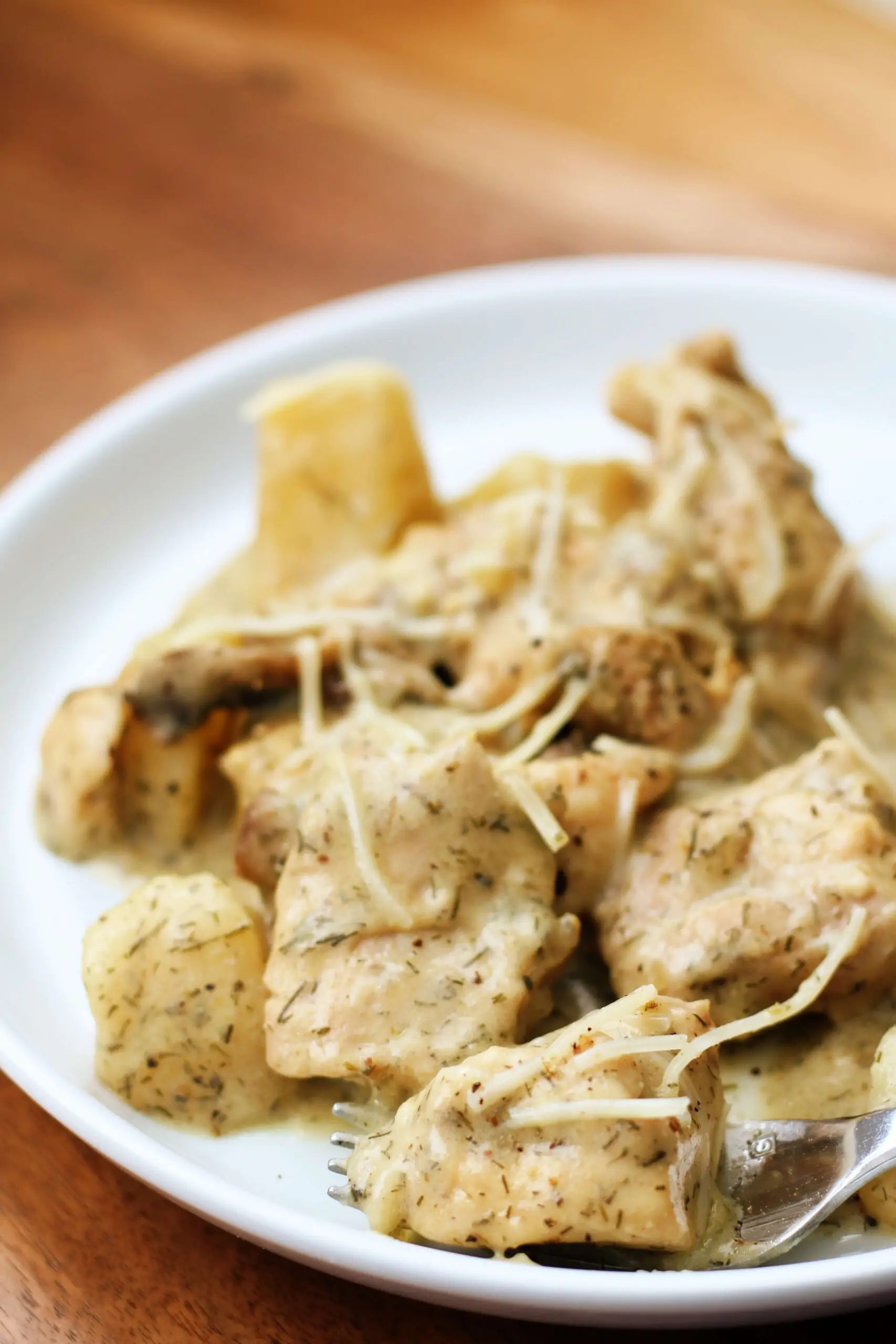
The landscape of contemporary American home cooking has seen a significant shift toward high-efficiency, flavor-dense meals, with the dish known as Mississippi Mud Chicken emerging as a prominent example of this culinary evolution. Characterized by its combination of protein, starch, and a rich, dairy-based sauce, the recipe represents a confluence of traditional Southern comfort food profiles and the technological convenience of modern kitchen appliances. This dish, typically prepared in either an Instant Pot or a slow cooker, utilizes a foundation of chicken and potatoes, further enhanced by the inclusion of smoked bacon, sharp cheddar cheese, and a tangy emulsion of sour cream and mayonnaise. As domestic time constraints continue to influence dietary habits, the rise of such "one-pot" solutions highlights a broader trend in the multi-billion-dollar home meal replacement and kitchen appliance industries.

The culinary profile of Mississippi Mud Chicken is built upon a strategic layering of textures and flavors. At its core, the dish relies on the structural integrity of potatoes and the lean protein of chicken, which are subjected to high-pressure steam or prolonged low-heat simmering. This process ensures that the starches and proteins reach a state of tenderness that allows them to absorb the surrounding liquids. The flavor complexity is achieved through the addition of aromatics—specifically onions and garlic—which provide a savory baseline. The "mud" nomenclature, often associated in American cuisine with rich, dense textures, is realized here through a post-cooking incorporation of dairy products. The combination of sour cream and mayonnaise creates a thick, velvety sauce that binds the ingredients together, while the sharp acidity of the sour cream cuts through the fattiness of the cheddar and bacon.
Technical Methodology and Preparation Standards
The execution of Mississippi Mud Chicken is categorized by two distinct technical approaches: high-pressure cooking via the Instant Pot and low-temperature thermal retention via the slow cooker. In the Instant Pot variation, the process begins with the sauté function, a feature that allows for the Maillard reaction to occur within the same vessel used for the primary cooking stage. Aromatics are browned in olive oil, followed by the introduction of a deglazing liquid—typically chicken broth—to prevent the "burn" notice common in high-starch pressure cooking. The chicken and potatoes are then subjected to a four-minute high-pressure cycle, followed by a natural pressure release period of five to ten minutes. This rapid pressurization forces moisture into the fibers of the meat, significantly reducing the traditional cooking time from hours to under thirty minutes.

Conversely, the slow cooker method emphasizes the gradual breakdown of connective tissues and the slow infusion of flavors. In this iteration, the ingredients are layered and cooked over a period of four to eight hours, depending on the temperature setting. While this method lacks the initial searing capability of the Instant Pot, it is often preferred for its "set and forget" utility, allowing the dish to prepare itself during the standard workday. Regardless of the heating method, the final stage of preparation remains consistent: the folding in of cold fats and cheeses. This "finishing" technique prevents the dairy from breaking or curdling under extreme heat, ensuring the signature creamy consistency that defines the dish.
Historical Context and Regional Influence
The "Mississippi Mud" designation has a storied history in American gastronomy, though its application has shifted over the decades. Originally popularized in the form of "Mississippi Mud Pie" or "Mississippi Mud Brownies" in the mid-20th century, the name was a reference to the dark, rich, and dense soil of the Mississippi River Delta. These desserts were noted for their gooey, chocolatey centers and marshmallow toppings. Over time, the terminology expanded into the savory realm, particularly within the "funeral food" and "potluck" cultures of the American South and Midwest.

The transition of this flavor profile into a chicken-based entree reflects the adaptability of regional labels. While "Mississippi Roast"—a beef-based dish featuring pepperoncini and ranch dressing—gained viral status in the 2010s, Mississippi Mud Chicken leans more heavily into the "loaded potato" flavor profile. This evolution underscores a broader cultural movement where regional names are used to signal "comfort" and "richness" rather than strict geographic origin. The dish serves as a modern descendant of the mid-century casserole, updated for an era that prioritizes fresh proteins over canned "cream of" soups, yet retains the soul-satisfying density of its predecessors.
Economic and Market Implications of One-Pot Meals
The popularity of recipes like Mississippi Mud Chicken is intrinsically linked to the economic realities of modern households. According to market research data, the global multi-cooker market was valued at approximately $720 million in 2023, with a projected compound annual growth rate (CAGR) of over 6% through 2030. This growth is driven by a consumer base that is increasingly "time-poor" but remains conscious of the rising costs of dining out. Chicken and potatoes, the primary components of this dish, remain among the most cost-effective staples in the consumer price index (CPI). By transforming these affordable ingredients into a premium "comfort" experience through the addition of high-flavor fats like bacon and cheese, home cooks are able to maximize their grocery budgets.

Furthermore, the rise of digital food media has played a critical role in the dissemination of these recipes. Platforms like Pinterest and food-specific blogs have created an ecosystem where a single recipe can reach millions of users within weeks. The "Mississippi Mud Chicken" recipe, specifically promoted by culinary influencers like Karen Petersen of 365 Days of Crockpot, exemplifies how niche digital content can influence national grocery purchasing patterns. When a specific dish gains traction online, retailers often see a corresponding spike in the sale of its core components, such as heavy-duty foil, specific cuts of poultry, and bulk dairy products.
Nutritional Analysis and Dietary Considerations
From a nutritional standpoint, Mississippi Mud Chicken is a calorie-dense meal that prioritizes macronutrient satiety. A standard serving provides a substantial amount of protein from the chicken and complex carbohydrates from the potatoes. However, the inclusion of cheddar cheese, bacon, and mayonnaise significantly increases the saturated fat and sodium content. For the health-conscious consumer, food scientists and nutritionists often suggest modifications to align the dish with contemporary dietary guidelines.

Substitutions such as Greek yogurt in place of sour cream or mayonnaise can increase the protein-to-fat ratio while maintaining the necessary acidity. Additionally, the integration of fibrous vegetables—such as the recommended side pairings of green salad or steamed broccoli—is essential for balancing the meal’s glycemic index. Despite its indulgence, the dish’s reliance on whole foods rather than ultra-processed ingredients provides a level of nutritional transparency that is often lacking in commercial frozen dinners or fast-food alternatives.
Chronology of the Modern "Dump and Go" Movement
The timeline of the "dump and go" cooking style, of which Mississippi Mud Chicken is a prime example, can be traced through several key milestones in kitchen technology:

- 1970s: The introduction of the Crock-Pot by Rival Manufacturing popularizes slow cooking in the American home, focusing on stews and roasts.
- 2010: The Instant Pot is launched, introducing affordable electric pressure cooking to the mass market.
- 2015-2019: Viral recipes like "Mississippi Roast" create a template for high-flavor, low-effort meals, leading to the development of "Mud" variations using chicken.
- 2020-2022: The global pandemic leads to a massive resurgence in home cooking, with a specific focus on "comfort food" that utilizes pantry staples and long-lasting vegetables like potatoes.
- 2024: The refinement of these recipes continues, with a focus on "one-pot" efficiency and the integration of fresh aromatics over dried seasonings.
Sociological Impact and Household Management
The adoption of Mississippi Mud Chicken into the weekly rotation of many families speaks to the shifting dynamics of household labor. Historically, labor-intensive meals were the hallmark of the domestic sphere. In the current era, where multi-income households are the norm, the "mental load" of meal planning has become a significant stressor. Dishes that offer a high "yield-to-effort" ratio are prized not just for their taste, but for their ability to reduce cognitive fatigue.
Sociologists noting the "Instant Pot phenomenon" suggest that these appliances have democratized cooking, making it more accessible to individuals who may not have traditional culinary training. The prescriptive nature of these recipes—add oil, sauté, add broth, seal, and wait—removes the guesswork from cooking, ensuring a consistent result. This reliability is a key factor in the long-term retention of these dishes in the American culinary canon.

Industry Response and Future Outlook
The food service and appliance industries have taken note of the enduring popularity of the chicken-and-potato comfort profile. Major food brands have begun offering pre-marinated "Mississippi style" poultry kits, and appliance manufacturers continue to innovate with "smart" cookers that can be controlled via smartphone apps. The implication is clear: the demand for hyper-convenient, high-flavor home cooking is not a passing fad but a structural change in how society eats.
As we look toward the future, the evolution of Mississippi Mud Chicken may involve further fusion with global flavors or a shift toward plant-based proteins that can withstand the rigors of pressure cooking. However, the core appeal of the dish—its creamy, salty, and satisfying nature—ensures its place as a staple of the modern kitchen. It remains a testament to the power of simple ingredients, when combined with the right technology, to provide a sense of stability and comfort in an increasingly fast-paced world.

In conclusion, Mississippi Mud Chicken is more than a mere recipe; it is a cultural artifact that reflects the intersection of economic necessity, technological advancement, and a timeless human craving for comfort. Its success is measured not just in its flavor, but in the minutes it returns to the busy lives of those who prepare it. As home cooks continue to navigate the challenges of the 21st century, the "mud" on their plates serves as a rich reminder of the enduring importance of a warm, shared meal.