
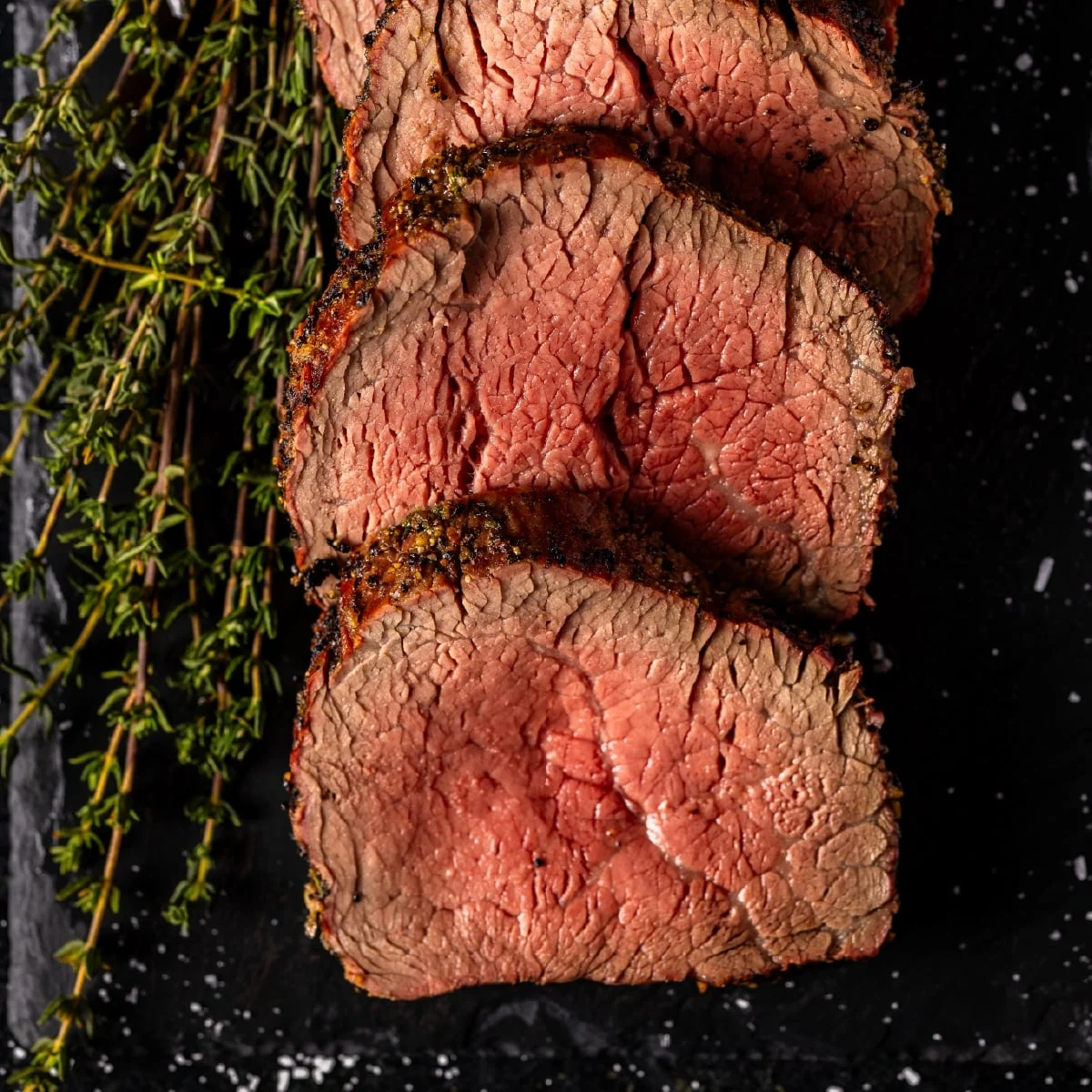
The beef tenderloin remains the most sought-after cut of meat for high-stakes culinary presentations, serving as the definitive centerpiece for holiday gatherings, formal celebrations, and upscale residential dining. As the domestic culinary landscape evolves, home cooks are increasingly moving away from traditional oven-roasting methods in favor of sophisticated outdoor grilling techniques. This shift is driven by a desire for the complex flavor profiles achieved through Maillard reaction browning and the nuanced infusion of wood-smoke or charcoal essence. The grilled beef tenderloin, specifically when prepared using a two-stage thermal process, represents a fusion of precision engineering and artisanal seasoning, allowing the home chef to replicate steakhouse-quality results with a streamlined ingredient list and focused technical execution.
The Anatomical and Economic Profile of the Beef Tenderloin
To understand the prestige of the grilled beef tenderloin, one must first examine its biological origin. The tenderloin is harvested from the psoas major muscle, located along the dorsal side of the rib cage. Because this muscle is not weight-bearing and performs very little mechanical work during the animal’s life, it lacks the heavy connective tissue and tough collagen found in more active muscles like the shoulder or hindquarters. This lack of resistance results in the signature "buttery" texture that defines the cut.

From an economic perspective, the beef tenderloin represents a significant investment. It typically accounts for only a small percentage of the total carcass weight, which drives its high market price. In current retail environments, the cost per pound for a whole tenderloin roast varies significantly based on USDA grading. "Prime" graded cuts, characterized by abundant intramuscular marbling, command the highest premiums, while "Choice" cuts offer a balance of quality and value. Market data suggests that demand for these premium cuts spikes during the fourth quarter of the fiscal year, coinciding with Thanksgiving, Christmas, and New Year’s Eve celebrations.
The Evolution of the "Reverse Sear" and Two-Stage Grilling
The modern standard for preparing a whole beef tenderloin involves a departure from high-heat-only cooking. Culinary experts, including Susie Bulloch of the prominent BBQ platform Hey Grill Hey, advocate for a two-stage process that maximizes internal moisture retention while ensuring a crisp, flavorful exterior. This methodology is a variation of the "reverse sear," a technique that has gained widespread popularity in the professional BBQ circuit and among food scientists.
The chronology of the grilling process is divided into two distinct phases:

- The Indirect Heating Phase: The roast is placed on a section of the grill away from the primary heat source. By maintaining a lower ambient temperature, the meat cooks evenly from the edges to the center. This prevents the "gray ring" effect—a common failure in high-heat roasting where the outer inch of the meat is overcooked before the center reaches the desired temperature.
- The Direct Searing Phase: Once the internal temperature reaches a specific threshold—typically 10 to 15 degrees below the final target—the meat is moved directly over the flames or hot coals. This final 6 to 8 minutes of cooking triggers the Maillard reaction, a chemical reaction between amino acids and reducing sugars that gives browned food its distinctive flavor and aroma.
Technical Requirements: The Six-Ingredient Framework
A hallmark of professional-grade grilling is the reliance on high-quality ingredients rather than an overabundance of seasonings. The Hey Grill Hey methodology utilizes a six-ingredient "wet rub" designed to complement, rather than mask, the natural profile of the beef. This rub typically consists of a lipid base (such as olive oil or avocado oil) to facilitate heat transfer, combined with minced garlic, kosher salt, cracked black pepper, and fresh herbs such as rosemary and thyme.
The application of a wet rub serves a dual purpose. First, the oil acts as a binder, ensuring the aromatics adhere to the surface of the meat during the agitation of the grilling process. Second, the salt initiates a minor "dry brine" effect, drawing moisture to the surface where it dissolves the salt before being reabsorbed into the muscle fibers, thereby seasoning the roast from the inside out.
Precision Temperature Control and Food Safety
In the realm of high-end meat preparation, time is a secondary metric to internal temperature. Professional culinary standards dictate the use of digital, instant-read thermometers to ensure precision. The following data represents the standard temperature targets for beef tenderloin doneness:

- Rare: Pulled at 120°F (49°C) for a final rested temp of 125°F.
- Medium Rare: Pulled at 130°F (54°C) for a final rested temp of 135°F.
- Medium: Pulled at 140°F (60°C) for a final rested temp of 145°F.
- Medium Well: Pulled at 150°F (66°C) for a final rested temp of 155°F.
- Well Done: Pulled at 160°F (71°C) for a final rested temp of 165°F.
A critical, often overlooked step in the chronology of the cook is the "resting period." Upon removal from the grill, the muscle fibers are constricted and the internal juices are under high pressure. If the meat is sliced immediately, these juices will escape, resulting in a dry product. By allowing the roast to rest for 10 to 15 minutes, the fibers relax and reabsorb the moisture, ensuring each slice remains succulent.
Market Trends: The "Steakhouse at Home" Movement
The rise of recipes like the Grilled Beef Tenderloin is reflective of a broader socio-economic trend toward "premiumization" in home cooking. Market analysis from the meat and poultry industry indicates that while restaurant visits for high-end steaks have seen fluctuations due to inflation, the purchase of "primal cuts" at the retail level remains robust. Consumers are increasingly willing to invest in expensive raw materials if they feel confident in their ability to prepare them at home.
This confidence is largely attributed to the democratization of culinary expertise through digital platforms. Experts like Susie Bulloch, who has been featured on the Food Network and holds Guinness World Records for grilling, provide the technical bridge between professional kitchens and backyard patios. Her approach emphasizes accessibility, encouraging "Backyard BBQ Heroes" to tackle complex roasts that were previously reserved for executive chefs.

Nutritional Analysis and Dietary Considerations
While the beef tenderloin is a luxury item, it is also one of the leanest cuts of beef available. For health-conscious consumers, it provides a high-density protein source with lower saturated fat content compared to a ribeye or a New York strip.
According to nutritional data provided for the seasoning and preparation of this specific recipe, the caloric impact of the rub itself is negligible (approximately 25 kcal per serving), consisting primarily of healthy fats from the oil and micronutrients from the garlic and herbs. The beef itself provides essential minerals, including zinc, iron, and B vitamins. This makes the dish a viable option for those adhering to ketogenic, paleo, or high-protein dietary regimens.
Expert Insights and Industry Reactions
Culinary critics and professional pitmasters have noted that the "reverse sear" on a grill offers a textural complexity that indoor ovens cannot replicate. "The interaction between the rendered beef fat and the charcoal or gas flame creates volatile aromatic compounds that are the hallmark of great barbecue," says one industry analyst.

Furthermore, the versatility of the tenderloin allows for a wide range of "supporting" dishes. To round out a feast, culinary experts suggest pairing the beef with high-acidity or creamy sides to balance the richness of the meat. Popular choices include balsamic-glazed Brussels sprouts, garlic mashed potatoes, or a traditional horseradish cream sauce.
Conclusion: The Future of Residential Grilling
The Grilled Beef Tenderloin is more than a recipe; it is a testament to the increasing sophistication of the modern home cook. By mastering the variables of temperature, timing, and high-quality sourcing, individuals can transform a backyard grill into a world-class kitchen. As the "Hey Grill Hey" philosophy suggests, the goal is not merely to feed a family, but to create an experience that fosters connection and celebration. As outdoor cooking technology continues to advance—with the integration of Wi-Fi-enabled pellet grills and high-precision thermal sensors—the barrier between the professional steakhouse and the family dinner table will continue to dissolve, making the grilled beef tenderloin a staple of the high-end domestic repertoire.