
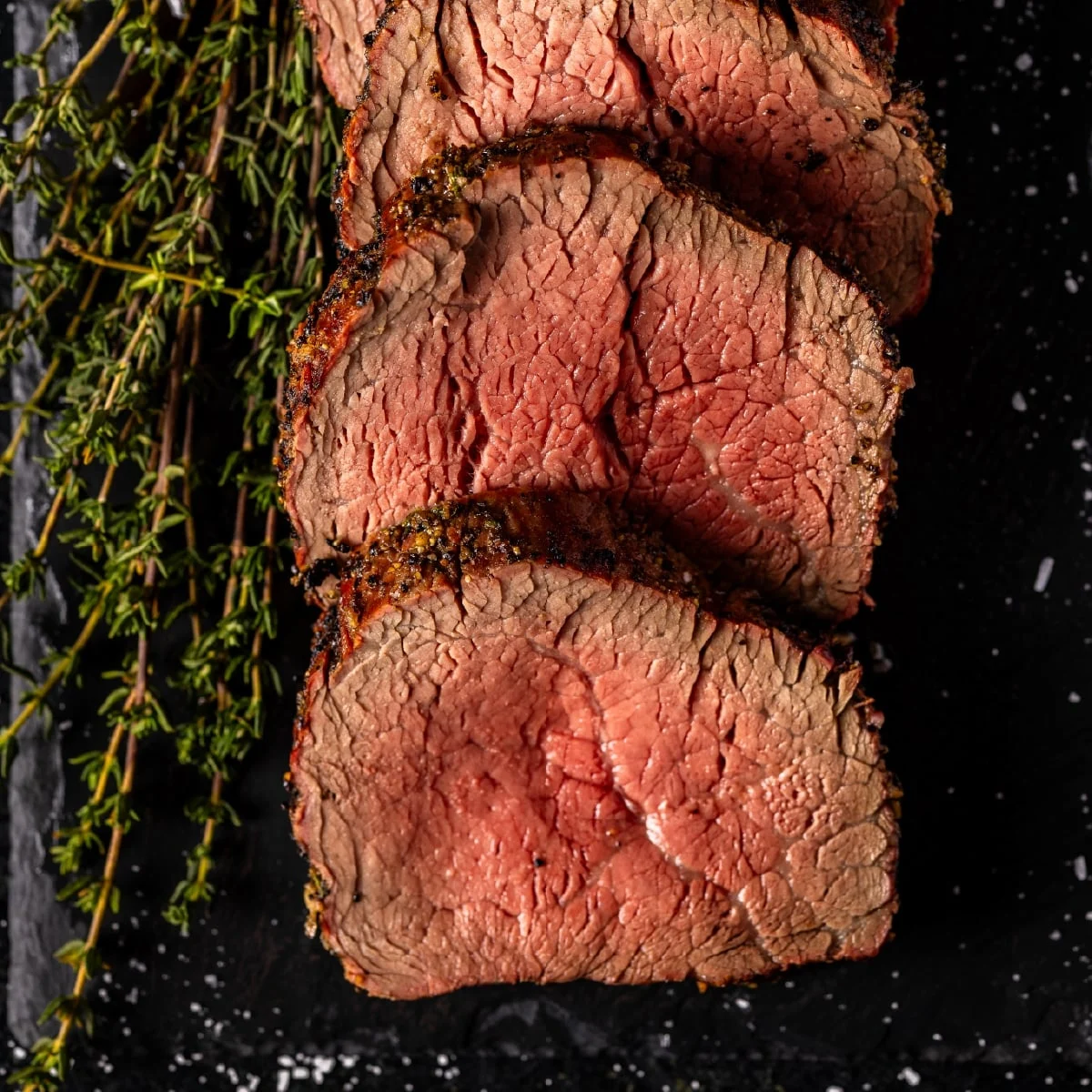
The evolution of home outdoor cooking has reached a pivotal juncture where professional steakhouse techniques are increasingly accessible to the domestic chef, as evidenced by the growing popularity of specialized preparations such as grilled beef tenderloin. Often considered the most prized cut of the steer, the beef tenderloin—scientifically known as the psoas major—is a muscle that performs very little physical labor, resulting in a texture that is exceptionally lean and tender. In the current culinary landscape, the transition from restaurant-exclusive dining to high-end home preparation has been accelerated by digital platforms like Hey Grill Hey, founded by pitmaster Susie Bulloch. This shift represents more than a change in recipe preference; it signifies a broader movement toward "Backyard BBQ" mastery, where the complexities of heat management, meat science, and flavor layering are distilled into actionable methods for the average consumer.
The Economic and Culinary Profile of the Beef Tenderloin
The beef tenderloin is a premium commodity within the global meat market, often commanding the highest price per pound among all subprimal cuts. This valuation is driven by both its scarcity—a standard 1,200-pound steer yields only about 10 to 12 pounds of tenderloin—and its unparalleled tenderness. When purchasing this cut, consumers typically encounter three primary grades established by the United States Department of Agriculture (USDA): Prime, Choice, and Select.

Prime beef, representing only about 2% to 3% of all beef produced in the U.S., features the highest degree of marbling (intramuscular fat), which provides the most flavor and moisture. Choice grade is the most common for high-quality home grilling, offering a balance between cost and quality. For a successful grilled tenderloin, culinary experts emphasize the importance of selecting a roast with bright red coloration and fine marbling. Furthermore, the removal of the "silverskin"—a tough, connective tissue that does not break down during the cooking process—is essential for achieving a professional-grade result. Most artisanal butchers perform this task upon request, ensuring the meat is prepared for optimal heat penetration.
Chronology of the Grilling Process: From Preparation to Plating
The methodology for grilling a whole beef tenderloin requires a disciplined approach to temperature control, utilizing a two-stage cooking process known as the reverse sear or indirect-then-direct grilling. This sequence ensures the meat reaches the desired internal temperature without overcooking the exterior.
Phase I: The Wet Rub and Flavor Infusion
The process begins with the application of a wet rub, a mixture designed to adhere to the meat and form a savory crust. A standard high-performance rub consists of approximately six key ingredients: salt, pepper, garlic, and fresh herbs (such as rosemary and thyme), often bound with an oil or fat base. Unlike dry rubs, which are often sugar-heavy and prone to burning, a garlic-and-herb wet rub provides a protective layer that enhances the natural savory notes of the beef without overpowering the delicate flavor of the tenderloin.

Phase II: Indirect Heat Management
Once seasoned, the tenderloin is placed on the grill over indirect heat. This means the meat is not positioned directly over the flame or charcoal, but rather in a zone where ambient heat circulates around it, much like a convection oven. For a whole roast, the target grill temperature is typically maintained between 225°F and 250°F. This slow-cooking phase allows the internal temperature to rise gradually, preventing the muscle fibers from contracting too quickly and squeezing out essential juices.
Phase III: The Maillard Reaction and Searing
The transition to the second stage occurs when the meat reaches an internal temperature approximately 10 to 15 degrees below the final target. The tenderloin is moved to the direct heat zone of the grill, where temperatures exceed 450°F. This phase triggers the Maillard reaction—a chemical reaction between amino acids and reducing sugars that gives browned food its distinctive flavor and dark, caramelized crust. Searing typically lasts three to four minutes per side, requiring constant vigilance to prevent charring.
Phase IV: The Resting Period
Perhaps the most critical and frequently overlooked step is the rest. Upon removal from the grill, the meat must sit undisturbed for 10 to 15 minutes. During this time, the internal juices, which have been driven to the center by the heat, redistribute throughout the roast. Cutting the meat too early results in significant moisture loss, rendering a premium cut dry and lackluster.

Technical Data and Nutritional Analysis
The nutritional profile of a grilled beef tenderloin reflects its status as a lean protein source. Based on standard serving sizes, a 4-ounce portion of grilled tenderloin contains approximately 250 to 300 calories. Data provided by culinary analysts breaks down the macro-nutritional content as follows:
- Protein: Approximately 24-28 grams, providing all essential amino acids.
- Total Fat: 15-20 grams, with roughly 6-8 grams being saturated fat.
- Micronutrients: High concentrations of Vitamin B12, Zinc, and Selenium.
- Sodium: Highly variable based on the salt content of the rub; standard preparations may contain upwards of 700mg per serving.
From a food safety perspective, the USDA recommends a minimum internal temperature of 145°F followed by a three-minute rest. However, culinary standards for tenderloin usually favor a "Medium-Rare" finish at 135°F or "Medium" at 145°F. The use of a calibrated instant-read thermometer is considered the industry standard for ensuring both safety and quality.
Professional Perspectives and Consumer Trends
Susie Bulloch, the founder of Hey Grill Hey and a recognized figure in the BBQ industry, has championed the "Backyard BBQ Hero" concept, which encourages home cooks to tackle high-stakes cuts like the tenderloin. Bulloch’s background, which includes appearances on the Food Network and contributions to Guinness World Records for grilling, provides a bridge between professional competition BBQ and home cooking.

Market analysts note that the demand for "steakhouse-quality" recipes at home has surged by nearly 40% since 2020. This trend is attributed to the rising cost of restaurant dining and the proliferation of high-end outdoor cooking equipment, such as pellet grills and ceramic kamado-style cookers. "Consumers are no longer satisfied with simple burgers and hot dogs," says a retail market report on outdoor living. "There is a measurable shift toward artisanal meat preparation, where the home griller acts as both butcher and chef."
Broader Impact and Implications for the Meat Industry
The rise of home-grilled tenderloin recipes has significant implications for the meat supply chain and consumer behavior. As more individuals learn to prepare whole roasts rather than buying individual pre-cut steaks (such as filet mignon), there is a shift in how subprimal cuts are moved through retail channels. Buying a whole tenderloin and grilling it as a single unit is often more cost-effective for families, reducing the price per serving by as much as 30% compared to purchasing individual fillets.
Furthermore, the emphasis on "6-ingredient" simplicity in high-end recipes highlights a move away from ultra-processed marinades toward "clean label" cooking. By using fresh garlic, herbs, and high-quality oils, home cooks are aligning with broader health trends that prioritize whole ingredients over chemical additives.

The cultural impact is also noteworthy. The beef tenderloin has traditionally been reserved for formal holidays like Christmas or weddings. However, the democratization of grilling knowledge has repositioned this cut as a viable option for "date nights" or upscale family dinners. This normalization of luxury ingredients in a backyard setting reflects a broader cultural shift where the home is increasingly viewed as the primary venue for gourmet experiences.
As the "Hey Grill Hey" platform and similar culinary educators continue to expand their reach, the barrier to entry for complex meat preparation continues to lower. The grilled beef tenderloin serves as a prime example of this evolution—a dish that balances the prestige of a luxury cut with the rugged, accessible charm of the American BBQ tradition. Through precise temperature management and a focus on high-quality ingredients, the modern home griller is effectively redefining the boundaries of domestic cuisine.