
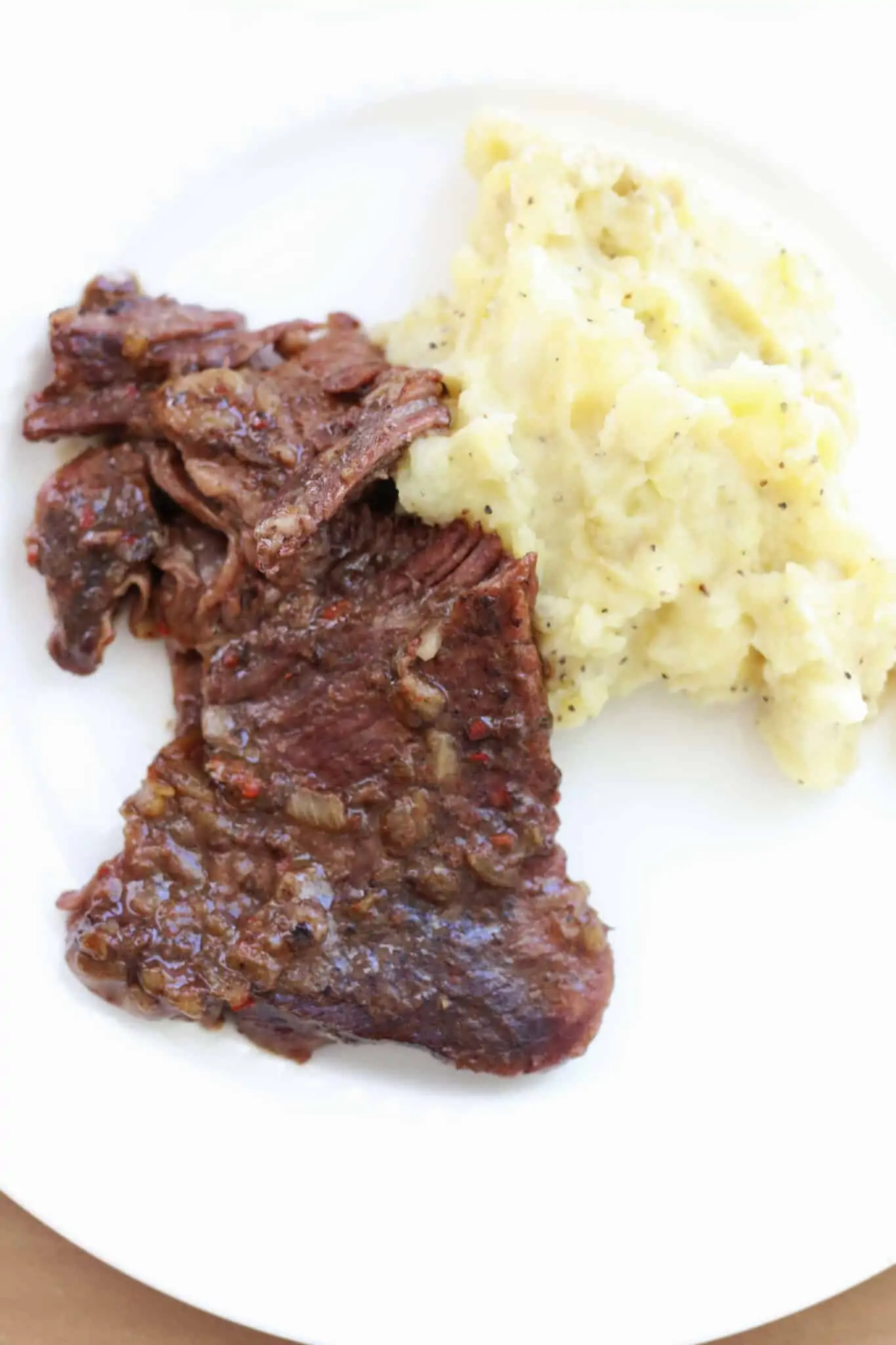
Jane’s Crockpot Italian Beef serves as a prominent example of the "dump and go" culinary movement, a style of cooking defined by its minimal preparation requirements and reliance on slow-heat transformation. This specific preparation utilizes a trio of primary components—chuck steak, dry Italian dressing mix, and onion soup mix—to produce a tender, savory protein suitable for a variety of domestic dining scenarios. As household schedules become increasingly compressed, the utility of the slow cooker, or "crockpot," has transitioned from a mid-century novelty to a contemporary necessity for families seeking nutritious, home-cooked meals without the time-intensive labor traditionally associated with pot roasts and braised meats.

The Evolution of the Italian Beef Profile
While the term "Italian Beef" is most famously associated with the Chicago-style sandwich—characterized by thinly sliced seasoned roast beef simmered in an au jus and served on a French roll with giardiniera—the Jane’s Crockpot version represents a domestic adaptation tailored for the home kitchen. This iteration prioritizes ease of assembly and a robust flavor profile derived from pre-packaged seasoning blends.
The history of Italian beef in the United States dates back to the 1930s, emerging as a way to stretch expensive cuts of meat during weddings and social gatherings. By slow-cooking the beef and serving it with juices, cooks could feed a larger number of guests with a smaller amount of protein. The crockpot adaptation of this dish maintains that spirit of efficiency, utilizing the chuck steak—a cut known for its rich marbling and connective tissue—which requires prolonged, low-temperature heat to achieve a palatable texture.

Ingredient Composition and Culinary Mechanics
The success of Jane’s Crockpot Italian Beef relies on the chemical interaction between its few ingredients. The recipe calls for chuck steaks, which are sourced from the shoulder area of the cattle. This region is heavily exercised, resulting in a high concentration of collagen. During the slow-cooking process, which typically spans six to eight hours on low heat or three to four hours on high heat, this collagen breaks down into gelatin. This transformation not only tenderizes the meat but also adds a silky mouthfeel to the resulting gravy.
The inclusion of Italian dressing mix provides a complex profile of acidity and herbs, including oregano, basil, and garlic. The vinegar-based components of the dry mix act as a mild tenderizer, while the salt content assists in moisture retention through a process similar to dry-brining. Complementing this is the onion soup mix, a staple of American pantry cooking since the mid-20th century. The soup mix contributes a deep umami flavor, largely through dehydrated onions and beef bouillon bases, which intensifies as the water in the slow cooker evaporates and mingles with the natural juices of the beef.

Chronology of Preparation and Cooking Methods
The timeline for Jane’s Crockpot Italian Beef is designed to accommodate the typical "Sunday dinner" schedule, a tradition highlighted by the recipe’s creator, who noted the ability to prepare the dish before attending religious services.
- Preparation Phase (0-10 Minutes): The chuck steaks are placed into the ceramic insert of the slow cooker. The dry seasonings—the Italian dressing mix and the onion soup mix—are sprinkled directly over the meat. A measured amount of water is added to provide the necessary medium for steam and braising.
- Thermal Transformation Phase (3-8 Hours):
- Slow Cooker (Low): Over a six-to-eight-hour window, the internal temperature of the beef rises slowly, allowing for maximum connective tissue breakdown without toughening the muscle fibers.
- Slow Cooker (High): A three-to-four-hour window provides a faster result, suitable for late-afternoon starts.
- Pressure Cooker (Instant Pot) Alternative: For those facing more immediate time constraints, the recipe can be adapted for electric pressure cookers. This method utilizes high-pressure steam to force moisture into the meat, reducing the cooking time to approximately 60 to 90 minutes, depending on the thickness of the steaks.
- Resting and Serving Phase (10-15 Minutes): Once the meat is "fork-tender," it is typically shredded or sliced. The remaining liquid in the pot serves as a savory au jus or can be thickened into a traditional gravy.
Economic and Consumer Trends in Slow Cooking
The resurgence of recipes like Jane’s Crockpot Italian Beef is closely tied to broader economic trends. As of 2024, food inflation has prompted many consumers to pivot toward "value cuts" of meat. Chuck steak is significantly more affordable than ribeye or tenderloin, yet it yields a high-quality gastronomic experience when prepared using slow-cooker methods.

Data from the culinary appliance industry indicates that slow cooker ownership remains high in North American households, with over 80% of homes owning at least one slow-cooking device. The market for "multi-cookers," such as the Instant Pot, has also expanded, catering to a younger demographic that values the speed of pressure cooking alongside the traditional benefits of slow cooking. Jane’s recipe addresses both segments of this market, providing instructions for both appliance types.
Supporting Culinary Data and Nutritional Context
From a nutritional perspective, Jane’s Crockpot Italian Beef is a high-protein dish that can be integrated into various dietary frameworks. When served with traditional sides such as mashed potatoes and corn, it follows the classic "meat and three" model of American dining. However, the recipe’s inherent flexibility allows for modern modifications:

- Low-Carb/Keto Adaptation: By omitting the potato side and serving the beef over cauliflower mash or with green beans, the dish becomes suitable for ketogenic diets.
- Gluten-Free Considerations: While many dry soup mixes contain thickening agents derived from wheat, several manufacturers now offer gluten-free alternatives, allowing the recipe to be adapted for those with celiac disease or gluten sensitivities.
- Sodium Management: The primary critique of "packet-based" recipes is the high sodium content. Analysts suggest that home cooks concerned with sodium intake can substitute the pre-packaged mixes with homemade versions using onion powder, dried herbs, and low-sodium beef base.
Broader Impact on Domestic Efficiency
The "Jane’s" method of cooking reflects a shift in domestic labor expectations. The creator’s observation that the meal was "well received" by children who were "starving" highlights the emotional and practical relief that a prepared-in-advance meal provides to the head of the household. In the context of modern family dynamics, where both parents are often in the workforce, the ability to "dump and go" reduces the cognitive load of meal planning.
Furthermore, the recipe serves as an entry point for novice cooks. The lack of complex techniques—such as searing, deglazing, or precise temperature monitoring—democratizes the cooking process. It allows individuals with minimal culinary training to produce a meal that is consistent in flavor and texture, fostering confidence in the kitchen.

Comparative Analysis of Related Beef Preparations
Jane’s Crockpot Italian Beef exists within a wider ecosystem of slow-cooked beef recipes. A comparative analysis reveals how slight variations in seasoning can alter the cultural identity of a dish:
- Instant Pot French Onion French Dip: Similar to the Italian Beef but emphasizes a sweeter, caramelized onion profile and is specifically designed for sandwich construction.
- Ranch Beef Pot Roast: Substitutes Italian seasoning for ranch dressing mix, leaning into a creamy, tangy profile popular in the American Midwest.
- The "3-Ingredient" Rump Roast: A minimalist approach that focuses on the purity of the beef flavor, often using only a single seasoning packet or broth.
Each of these variations utilizes the same fundamental mechanical principle: the slow breakdown of tough muscle fibers in a moist environment.

Implications for the Future of Home Cooking
As digital platforms continue to influence how recipes are shared and consumed, the longevity of Jane’s Crockpot Italian Beef is secured by its "pinnability" and searchability. The use of filters on culinary websites—allowing users to search by meat type, appliance, or dietary restriction—ensures that these utilitarian recipes remain at the forefront of the digital recipe economy.
In conclusion, Jane’s Crockpot Italian Beef is more than a simple dinner solution; it is a reflection of the intersection between traditional slow-cooking values and the modern demand for efficiency. By utilizing accessible ingredients and versatile appliances, the recipe provides a reliable framework for a savory, high-protein meal that satisfies both the economic constraints and the time-sensitivity of the contemporary household. As long as the demand for "comfort food" remains a staple of the human experience, the slow-cooked roast will continue to hold a central place on the dinner tables of the world.