
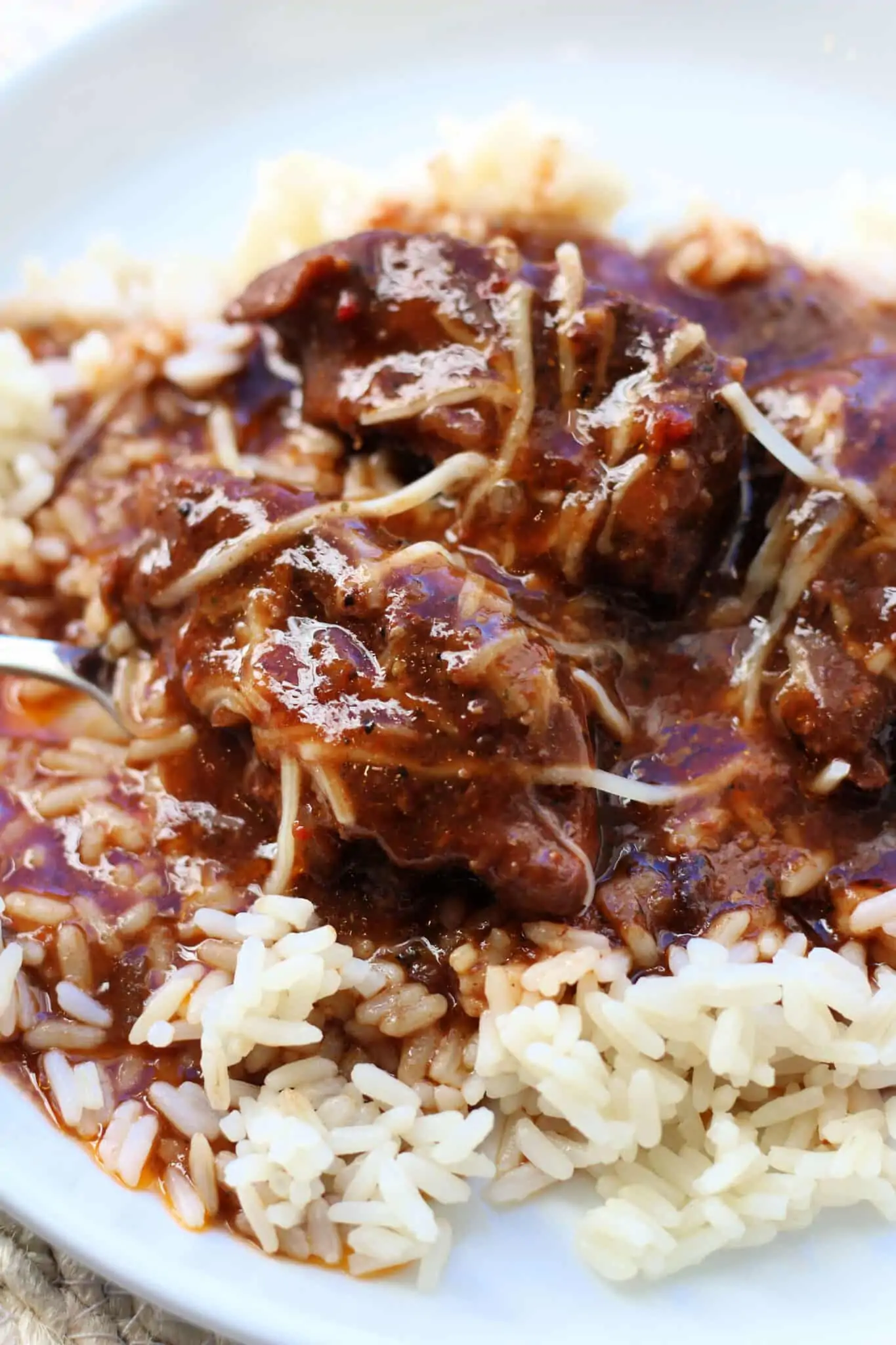
The evolution of the American dinner table has seen a significant shift toward "set-and-forget" culinary techniques, a movement further solidified by the introduction of the Italian Parmesan Pot Roast. This dish represents a sophisticated fusion of traditional slow-braised beef techniques and contemporary pantry-staple convenience, utilizing a specific blend of Italian seasonings, tomato-based acidity, and the umami-rich profile of aged cheese. As home cooks increasingly seek ways to balance gourmet flavor profiles with the constraints of busy professional schedules, the Italian Parmesan Pot Roast has emerged as a quintessential example of modern "dump and go" cooking, which prioritizes efficiency without compromising the structural integrity or depth of the meal.

The Rise of Multi-Cooker Cuisine and Comfort Food Innovation
The emergence of recipes like the Italian Parmesan Pot Roast is deeply rooted in the technological advancement of kitchen appliances over the last two decades. While the traditional Crockpot has been a staple of the American household since the 1970s, the 21st-century introduction of the electric pressure cooker, most notably the Instant Pot, revolutionized the timeline of comfort food. Market research indicates that the global multi-cooker market was valued at approximately $720 million in 2020 and is projected to continue growing as consumers prioritize domestic efficiency.
The Italian Parmesan Pot Roast serves as a bridge between these two worlds. By offering instructions for both low-and-slow crockpot simmering and high-speed pressure cooking, the recipe caters to a broad demographic of users. The dish relies on the enzymatic breakdown of connective tissues in tougher cuts of beef, such as chuck or rump roast, a process that historically took several hours in a Dutch oven but has now been streamlined for the modern era.

Historical Context and Flavor Architecture
The concept of "pot roast" itself is a variation of the French boeuf à la mode, which arrived in the United States through various European immigrant lineages. Traditionally, it involved browning a piece of meat and simmering it in a covered pot with vegetables and liquid. The Italian Parmesan variation elevates this tradition by introducing Mediterranean flavor markers.
The use of tomato juice as the primary braising liquid is a strategic culinary choice. The acidity in the tomato juice acts as a natural tenderizer, breaking down the tough collagen fibers in the beef during the long cooking cycle. This is complemented by the inclusion of Italian dressing mix—a potent blend of oregano, thyme, basil, and garlic—and au jus mix, which provides a concentrated beefy base. The final addition of Parmesan cheese introduces a sharp, salty finish that cuts through the richness of the beef fat, creating a balanced palate that distinguishes it from more traditional, gravy-heavy American roasts.

Chronology of Preparation: From Pantry to Plate
The preparation of the Italian Parmesan Pot Roast follows a logical sequence designed for maximum flavor extraction with minimal manual labor.
- Selection of the Cut: The process begins with selecting a three-to-four-pound beef roast. Culinary experts typically recommend chuck roast for its superior marbling, which ensures the meat remains moist throughout the extended cooking period.
- The Seasoning Phase: A mixture of dried onion flakes, minced garlic, au jus seasoning, and Italian dressing mix is combined with black pepper. In a departure from traditional "dry rubs," these ingredients are whisked directly into tomato juice to create a comprehensive braising medium.
- The Cooking Cycle:
- Slow Cooker Method: The roast is placed in the ceramic insert, and the liquid mixture is poured over it. The appliance is set to "Low," where it will remain for 8 to 12 hours. This extended timeline allows for the gradual conversion of collagen into gelatin, resulting in the "fall-apart" texture prized by enthusiasts.
- Instant Pot Method: For those on a shorter timeline, the pressure cooker can achieve similar results in approximately 60 to 80 minutes, depending on the thickness of the meat, followed by a natural pressure release to maintain the moisture levels within the muscle fibers.
- The Finishing Touch: Once the meat has reached the desired level of tenderness, it is plated and topped with a generous layer of Parmesan cheese. The residual heat from the roast melts the cheese, integrating it into the surface of the meat and the surrounding jus.
Supporting Data: Beef Consumption and the Efficiency Trend
According to data from the United States Department of Agriculture (USDA), beef remains a primary protein source for American households, with per capita consumption hovering around 58 pounds annually. However, the way consumers prepare beef has changed. With the rise of food inflation, "tougher" and more affordable cuts like chuck roast have seen a resurgence in popularity. These cuts require moist-heat cooking methods to become palatable, making the pot roast a financially savvy choice for the average family.

Furthermore, a 2023 consumer survey by a leading kitchenware manufacturer found that 64% of respondents preferred recipes with fewer than ten ingredients. The Italian Parmesan Pot Roast fits this "minimalist-ingredient, maximalist-flavor" profile perfectly, utilizing shelf-stable pantry items to achieve a complex taste profile that would otherwise require dozens of fresh herbs and hours of reduction.
Expert Analysis: The Role of Umami in Modern Recipes
Food scientists point to the "umami" factor as the reason for the success of this specific flavor profile. Umami, the fifth basic taste, is often described as savoriness or meatiness. This recipe hits multiple umami checkpoints:

- Beef: The primary source of glutamate.
- Tomato Juice: Rich in natural lycopene and glutamates, which intensify when heated.
- Parmesan Cheese: One of the highest natural sources of free glutamate among all foodstuffs.
- Au Jus Mix: Contains yeast extracts and concentrated beef proteins that further boost the savory perception.
By layering these ingredients, the cook creates a "synergistic umami" effect, where the ingredients work together to make the dish taste more flavorful than the sum of its parts. This is a common tactic in professional kitchens that has been successfully translated into this home-cook-friendly format.
Serving Suggestions and Culinary Pairings
To complete the meal, culinary experts suggest pairings that can absorb the rich, tomato-infused jus. The original recipe developer recommends serving the roast over garlic parmesan risotto or creamy polenta.

Polenta, a staple of Northern Italian cuisine, provides a neutral, buttery base that complements the acidity of the tomato juice. Risotto, while more labor-intensive, mirrors the Parmesan notes in the roast, creating a cohesive thematic experience. For those seeking a more traditional American approach, mashed potatoes or wide egg noodles serve as excellent alternatives, providing the necessary starch to balance the protein-heavy main course.
Broader Impact and Industry Implications
The popularity of the Italian Parmesan Pot Roast is indicative of a larger trend in the food industry: the "premiumization" of the home-cooked meal. As restaurant prices continue to rise, consumers are looking for ways to replicate restaurant-quality flavors at home. The use of "shortcut" ingredients like dressing mixes and canned juices is no longer viewed as a lack of skill, but rather as a strategic use of culinary technology.

This shift has significant implications for grocery retailers and spice manufacturers. There has been a recorded uptick in the sales of dry seasoning packets, which are now being marketed as versatile cooking bases rather than just salad toppers. The Italian Parmesan Pot Roast is a prime example of how a product intended for a cold salad can be repurposed to create a warm, hearty winter staple.
Conclusion: The Future of Comfort Cooking
The Italian Parmesan Pot Roast is more than just a recipe; it is a reflection of the current state of home gastronomy. It acknowledges the reality of time poverty in modern life while refusing to sacrifice the emotional and physical satisfaction of a home-cooked meal. By utilizing the science of slow cooking, the chemistry of acidity and umami, and the convenience of modern appliances, this dish has secured its place in the contemporary culinary canon. As we move further into an era of integrated technology and globalized flavor profiles, the "dump and go" roast stands as a testament to the enduring appeal of a well-cooked piece of beef, reimagined for a new generation of cooks.