
For individuals with bee allergies, the sweet allure of honey can present a perplexing dilemma. The fundamental question revolves around the potential for allergic reactions to honey, particularly for those who experience severe responses to bee stings. This article delves into the intricacies of bee allergies and their relationship with honey consumption, exploring the scientific basis for potential reactions, differentiating between various bee-related allergies, and offering guidance for those with concerns. The distinction between venom and honey production, the presence of pollen, and the risks associated with other bee products like propolis and royal jelly are all critical factors in understanding the safety profile of honey for allergic individuals.
Understanding Bee Venom Allergies vs. Honey Consumption
A common misconception is that an allergy to bee stings automatically translates to an allergy to honey. However, the science behind these reactions paints a different picture. Bee sting allergies are triggered by the venom that bees inject into their victims when they sting. This venom is a complex cocktail of proteins and enzymes, including melittin and phospholipase A2, which can elicit a range of immune responses, from localized swelling to life-threatening anaphylaxis. The severity of these reactions necessitates careful management and avoidance of further stings for affected individuals.
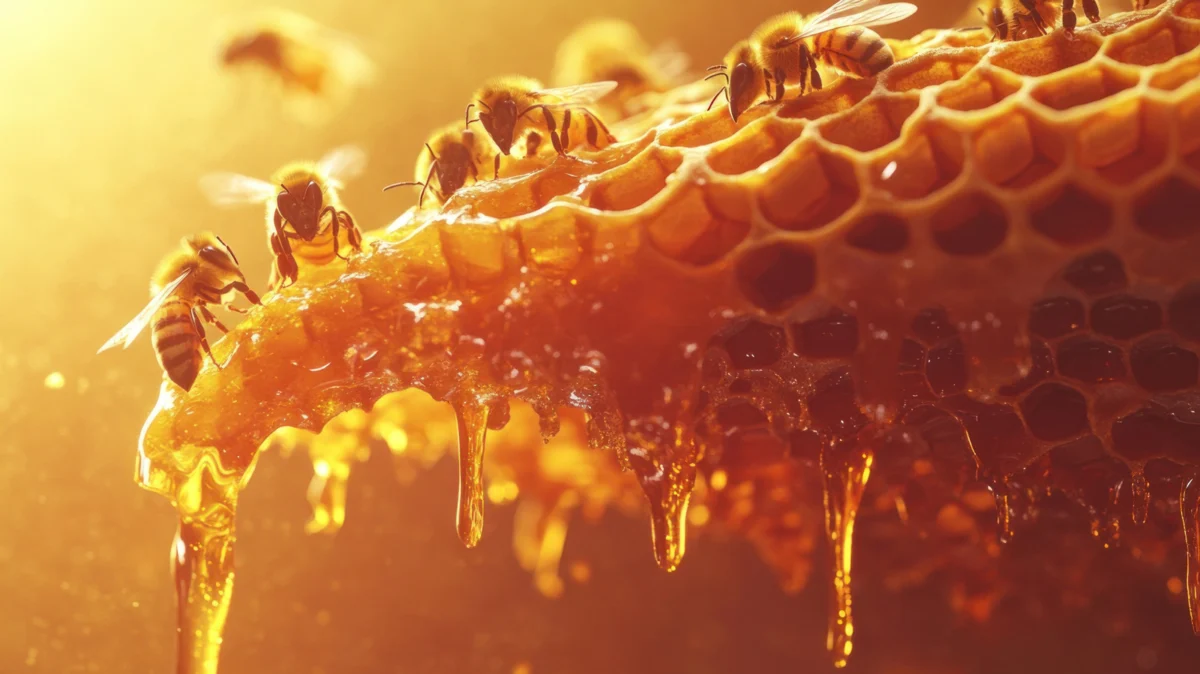
Crucially, the venom is produced in specialized glands within the bee and is delivered through its stinger. Honey, on the other hand, is produced by worker bees from the nectar of flowers. Bees collect nectar, store it in a special stomach called a honey sac, where enzymes begin to break down complex sugars into simpler ones. They then regurgitate this processed nectar into the honeycomb cells, where it is fanned by other bees to reduce its water content, eventually becoming honey. This entire process occurs within the bee’s digestive system and does not involve the venom-producing glands. Therefore, the allergenic components of bee venom are not present in honey. For individuals whose allergies are strictly limited to bee venom, consuming honey is generally considered safe.
Data from the Centers for Disease Control and Prevention (CDC) indicates that venom immunotherapy is a highly effective treatment for severe bee sting allergies, with success rates often exceeding 95%. This highlights the specific nature of venom allergies and the targeted approach to their management. The implication for honey consumption is that the immunological pathways activated by venom are distinct from those that might be triggered by honey itself, provided the honey is free from other contaminants.
The Nuance of Honey Allergies
While bee venom allergies do not directly preclude honey consumption, it is important to acknowledge that allergies to honey itself, though rare, do exist. These are distinct from bee sting allergies and can arise from various components within honey. Research published in the Annals of Allergy, Asthma, and Immunology in 2023 noted that honey allergies can manifest with symptoms such as hives, gastrointestinal distress including vomiting and cramps, and diarrhea. The precise allergens within honey that cause these reactions are still an area of ongoing investigation but are believed to be proteins or other compounds present in the nectar or collected by the bees.
The rarity of honey allergies is a significant factor. While precise global statistics are difficult to ascertain due to underreporting and diagnostic challenges, studies suggest that true honey allergies are considerably less common than bee sting allergies. This is partly due to the extensive processing honey undergoes, which can denature or break down some potential allergens. Nevertheless, for individuals who experience adverse reactions after consuming honey, even if they have no known bee sting allergy, it is crucial to seek medical advice for proper diagnosis and management.
Pollen: The Potential Allergen in Raw Honey
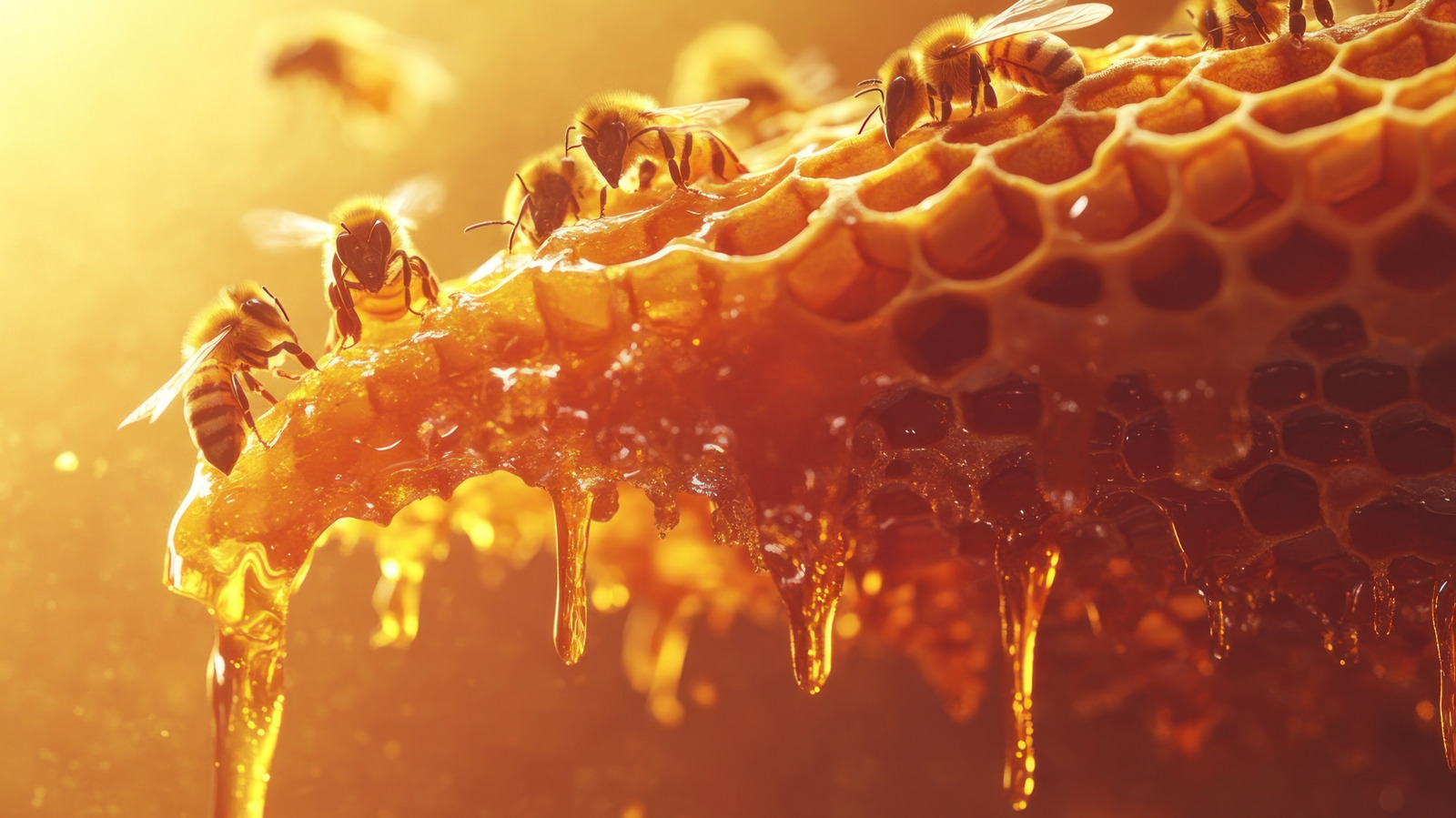
A more common concern for individuals with allergies, particularly those sensitive to pollen, is the presence of pollen traces in honey. While commercial honey undergoes filtering processes to remove impurities, including a significant portion of pollen grains, it is virtually impossible to remove all of them. Raw, unfiltered honey, in particular, is likely to contain a higher concentration of pollen.
Pollen is a well-known allergen, and for individuals with pollen allergies, even small amounts can trigger a reaction. Symptoms can range from mild itchiness and sneezing to more pronounced respiratory or dermatological responses. The severity of the reaction often depends on the individual’s sensitivity and the amount of pollen present. While the amount of pollen in filtered honey is typically very small, individuals with severe pollen allergies may still experience mild symptoms.
A 2021 study published in the Journal of Agricultural and Food Chemistry analyzed the pollen content of various honey samples and found that while filtration significantly reduces pollen counts, some residual pollen is almost always present. This underscores the importance of being aware of the type of honey consumed. For individuals with known pollen allergies, consulting with an allergist about the potential risks associated with honey consumption, especially raw varieties, is advisable. They may recommend antihistamines or other allergy treatments as a precautionary measure, or suggest avoiding honey altogether if their sensitivity is high.
Beyond Honey: Other Bee Products and Their Allergy Risks
The allergy concerns associated with bees extend beyond just honey. Other products derived from bee activity, such as bee propolis and royal jelly, also carry potential allergenic risks that are distinct from bee venom allergies.
Bee Propolis: Propolis is a resinous mixture that honeybees produce by mixing saliva and beeswax with exudate gathered from tree buds, sap flows, or other botanical sources. It is primarily used as a sealant for unwanted open spaces in the hive, to strengthen the comb, and to protect the hive from invaders and disease. Propolis is rich in compounds like flavonoids and polyphenols, which are believed to have antimicrobial and anti-inflammatory properties. Because of these purported benefits, propolis is often incorporated into a wide range of products, including cosmetics, toothpaste, lozenges, and dietary supplements.
The allergenic potential of propolis stems from its complex composition, which can include tree resins, waxes, essential oils, pollen, and bee secretions. Individuals allergic to certain plants, such as poplar or pine, may be more susceptible to propolis allergies. Reactions can include contact dermatitis, oral allergy syndrome (itchiness or swelling in the mouth and throat), and in rarer cases, more systemic reactions. Research indicates that propolis is a more frequent cause of allergic reactions than honey itself.
Royal Jelly: Royal jelly is a secretion produced by the hypopharyngeal glands of young worker bees. It is the primary food source for all bee larvae for the first few days of their lives, and exclusively for queen bee larvae throughout their development. Royal jelly is a nutrient-dense substance containing proteins, sugars, lipids, and vitamins. It is often marketed as a health supplement, with claims of promoting longevity and improving skin health.
However, royal jelly contains some proteins that are structurally similar to those found in bee venom. This similarity means that individuals with severe bee venom allergies could potentially react to royal jelly. Allergic reactions to royal jelly can be severe, including anaphylaxis, and have been documented in scientific literature. Therefore, individuals with known bee sting allergies are strongly advised to exercise caution and consult with their allergist before considering the consumption of royal jelly.
Debunking the Allergy Treatment Myth
A persistent myth suggests that consuming honey can help treat or prevent allergies, particularly those related to bees or pollen. This notion is not supported by scientific evidence. Honey’s primary role is as a natural sweetener, offering a complex array of sugars and trace compounds derived from its floral source. While some studies have explored the potential anti-inflammatory or immunomodulatory effects of certain compounds in honey, these findings do not translate to a therapeutic benefit for established allergies.
In fact, as discussed, honey can be a trigger for allergies in susceptible individuals, particularly those with pollen sensitivities. Relying on honey as an allergy treatment could not only be ineffective but also potentially harmful. The consensus among allergists and immunologists is that honey does not possess any scientifically proven ability to desensitize individuals to allergens or to treat allergic conditions. Its benefits lie in its culinary applications and its unique flavor profiles, which vary widely depending on the floral source.
Navigating Honey Consumption with Allergies: A Practical Approach
For individuals with a history of bee sting allergies, the primary takeaway is that they can generally enjoy honey without concern, as the allergenic components of venom are not present in honey. However, vigilance is still recommended. It is always prudent to source honey from reputable suppliers. Commercial honey undergoes processing that typically removes most potential contaminants.
If an individual has a known pollen allergy, the approach to honey consumption needs to be more cautious. Opting for commercially filtered honey is generally safer than raw, unfiltered varieties. Even then, a mild reaction such as itching or sneezing might indicate residual pollen. In such cases, consulting with an allergist is essential. They may recommend:
- Patch Testing: To determine specific sensitivities to pollen or other components in honey.
- Antihistamines: As a preventative measure before consuming honey, especially if pollen sensitivity is a concern.
- Avoiding Honey: If reactions are consistently significant or if the individual has severe, life-threatening pollen allergies.
- Exploring Alternatives: For those who experience adverse reactions, a wide range of other natural sweeteners, such as maple syrup, agave nectar, or fruit purees, are available and do not carry the same potential risks.
Broader Implications and Future Research
The understanding of food allergies is constantly evolving, and the relationship between insect products and human health remains an area of active research. While the distinction between bee venom and honey is scientifically clear, the presence of trace allergens in food products is a common challenge in allergy management.
The implications of these findings extend to food labeling and consumer education. Clearer labeling of honey products, especially regarding pollen content, could empower individuals with allergies to make more informed choices. Further research into the specific allergenic proteins in honey and propolis could lead to more accurate diagnostic tools and potentially, more targeted therapeutic interventions.
In conclusion, for most individuals with bee sting allergies, honey remains a safe and enjoyable sweetener. However, the possibility of rare honey allergies and the common issue of pollen contamination necessitate a degree of awareness and, for some, careful consultation with healthcare professionals. By understanding the science behind these reactions, individuals can navigate their dietary choices with greater confidence and safety.