
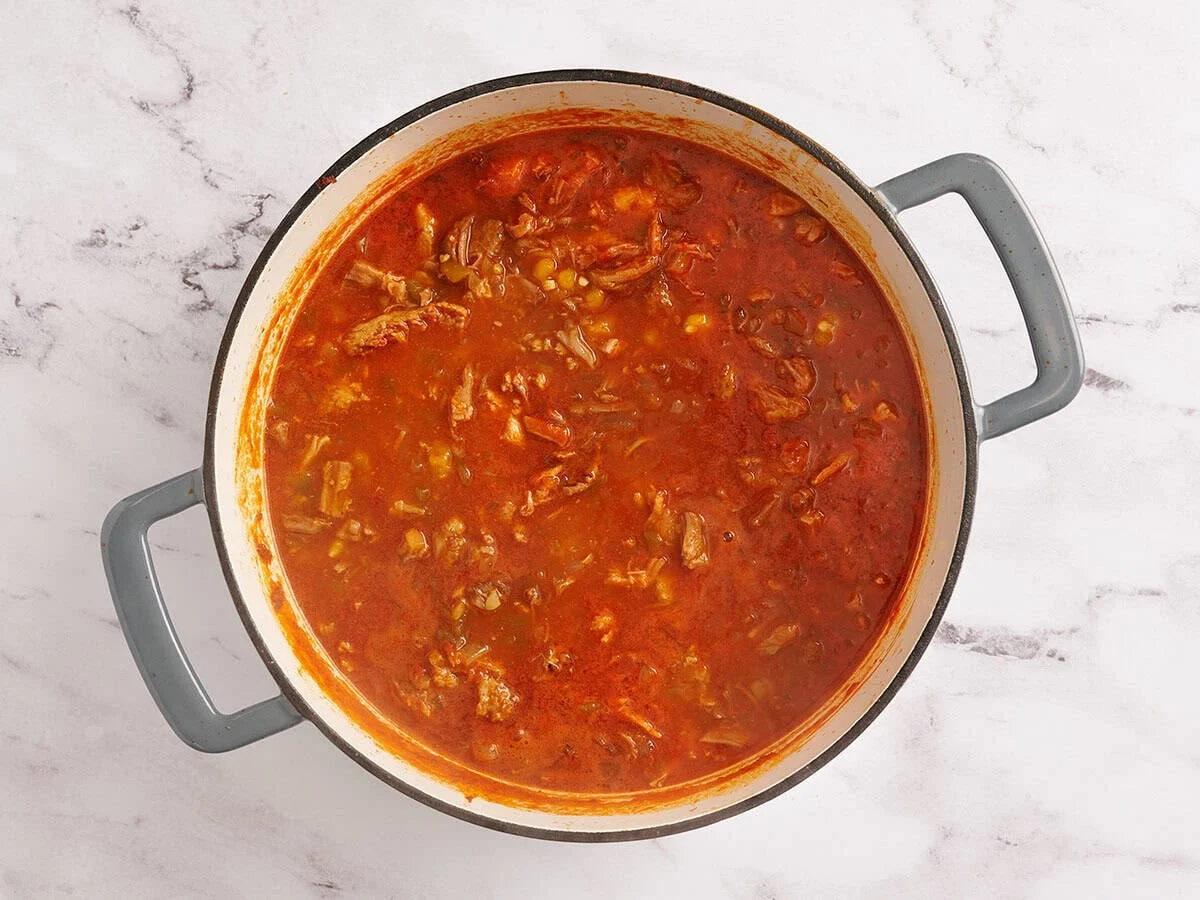
The culinary landscape of 2025 continues to be defined by a strategic intersection of economic necessity and the demand for high-efficiency meal preparation. As domestic food inflation remains a central concern for many households, the "speed-scratch" cooking movement—which blends fresh ingredients with pre-cooked staples—has seen a significant resurgence. Central to this movement is the refined 30-Minute Posole, a recipe developed by the Nashville Test Kitchen and championed by Budget Bytes. This culinary framework focuses on the repurposing of leftover proteins, specifically chili-rubbed pulled pork, to create a nutrient-dense, flavor-profile-rich stew that challenges the traditional time-intensive nature of Mexican pozole. By utilizing pantry staples and a streamlined roux-based technique, this iteration of posole offers a case study in how modern home cooks are navigating the pressures of time and budget without compromising on gastronomic quality.
Culinary Framework and Technical Methodology
The 30-Minute Posole is engineered to bypass the traditional four-to-six-hour simmering process required for authentic Mexican pozole. Traditionally, pozole is a celebratory dish that involves the slow-braising of pork shoulder or head meat until it reaches a state of total structural collapse, integrated with hominy that has been cooked from its dried state. The streamlined 30-minute version, however, operates on the principle of flavor layering and the use of a "shortcut" base that mimics the depth of a long-simmered broth.
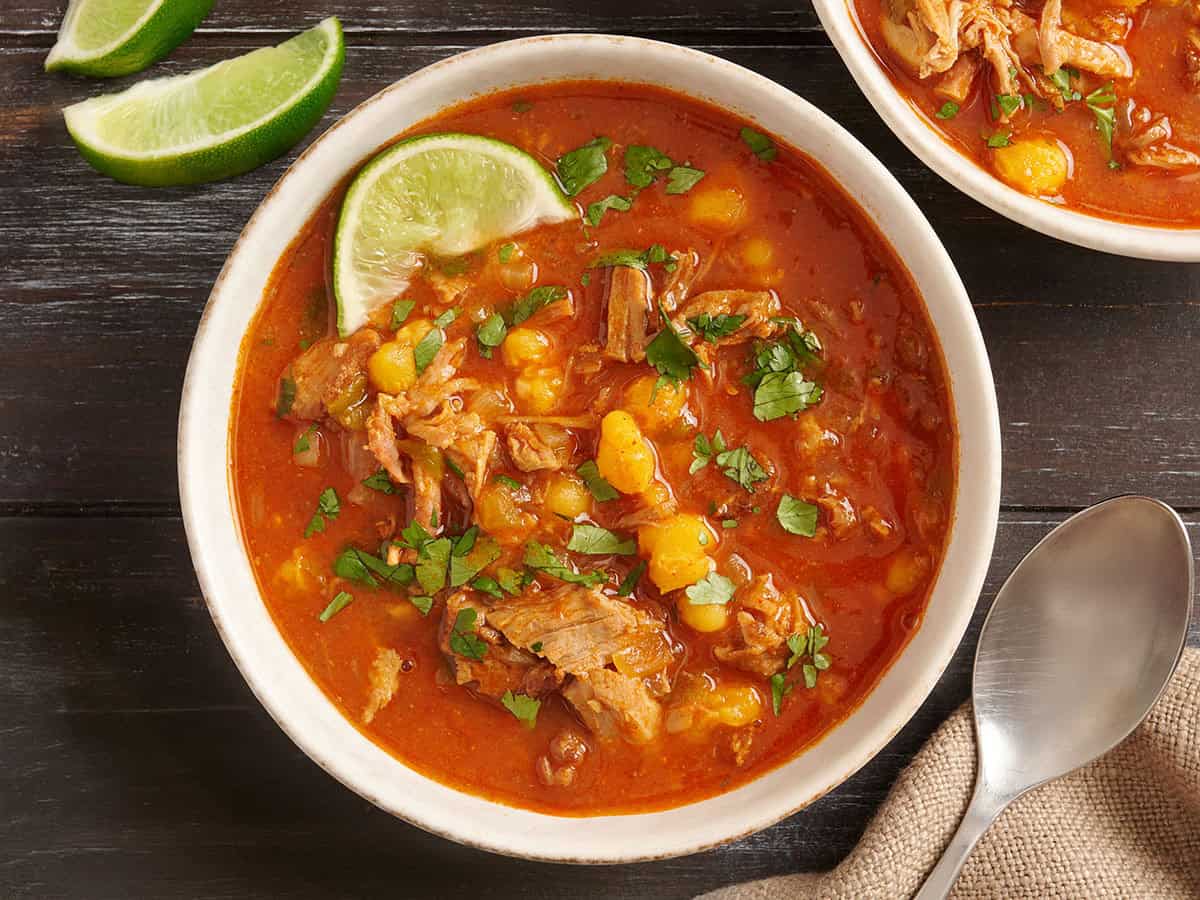
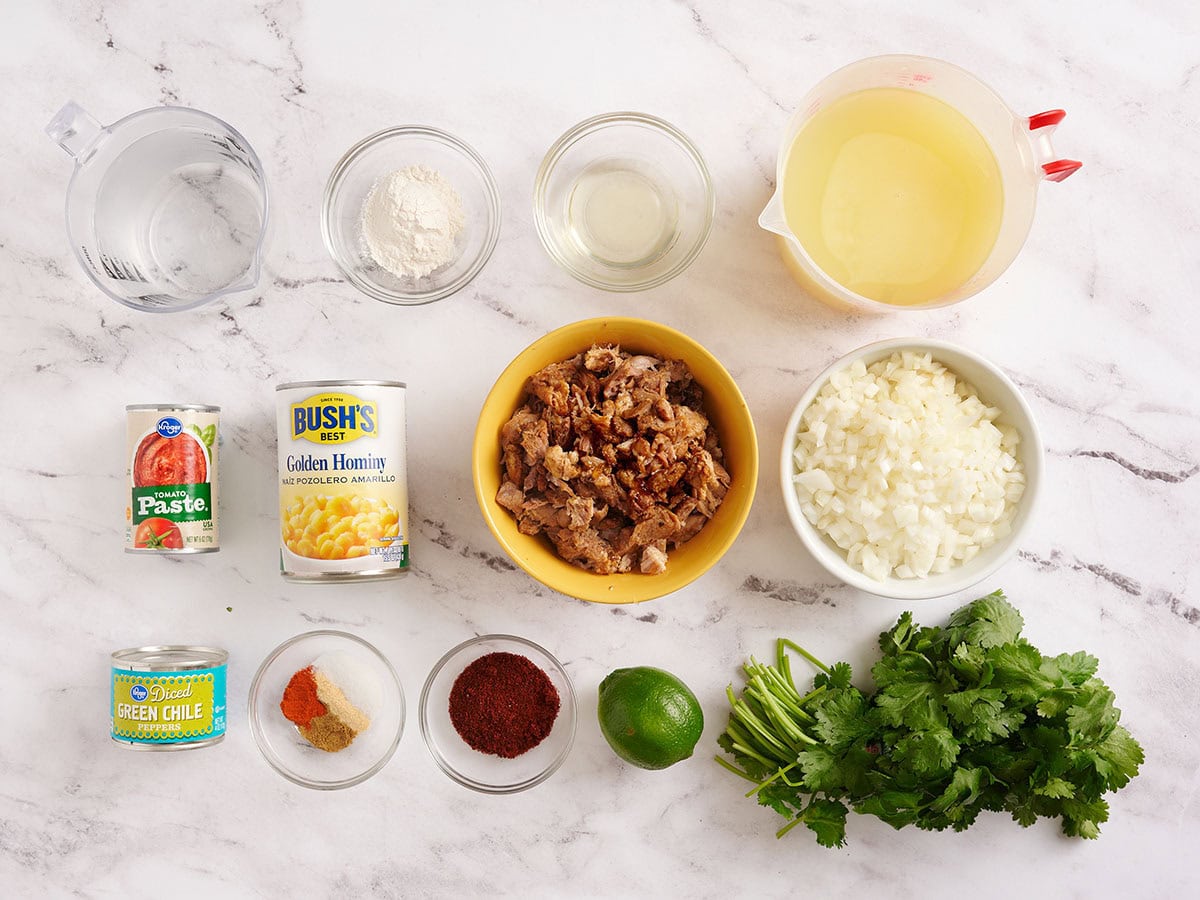
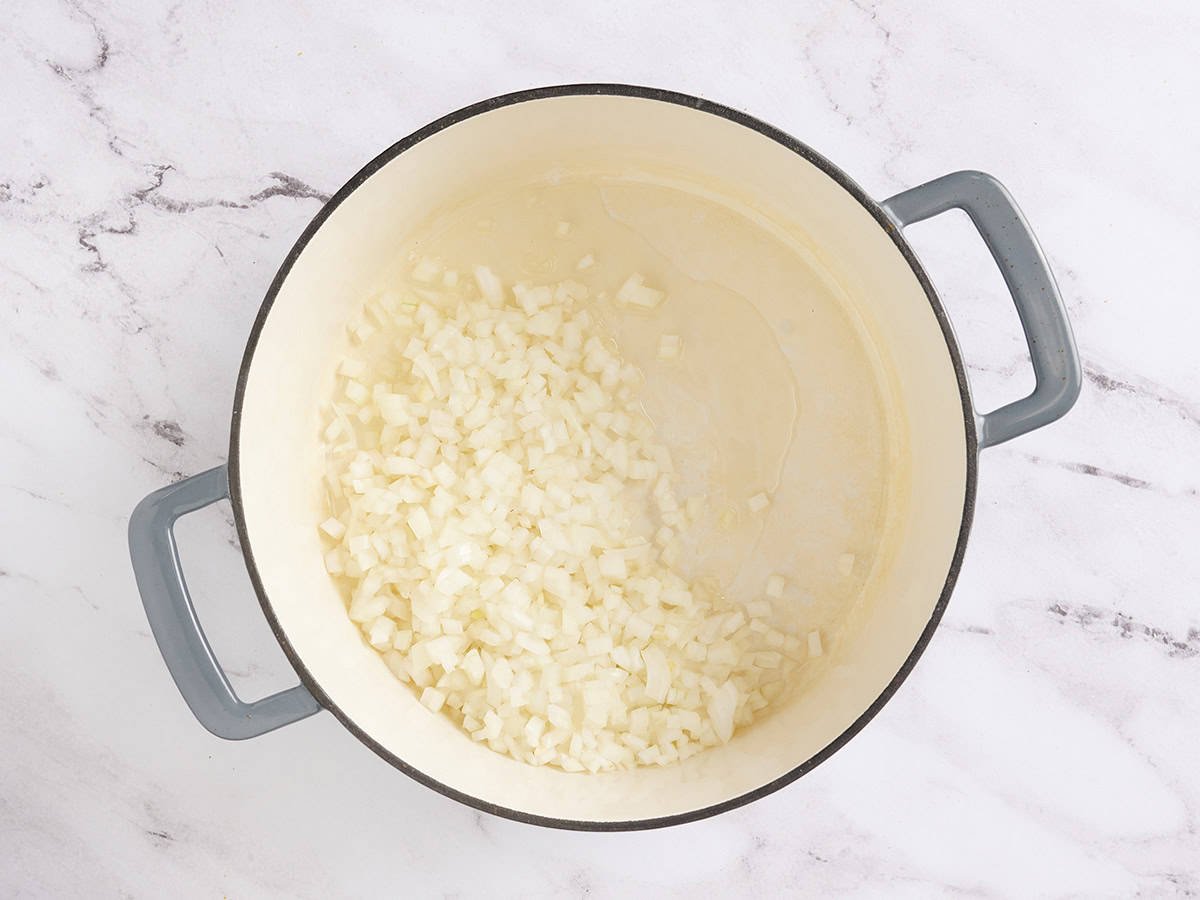
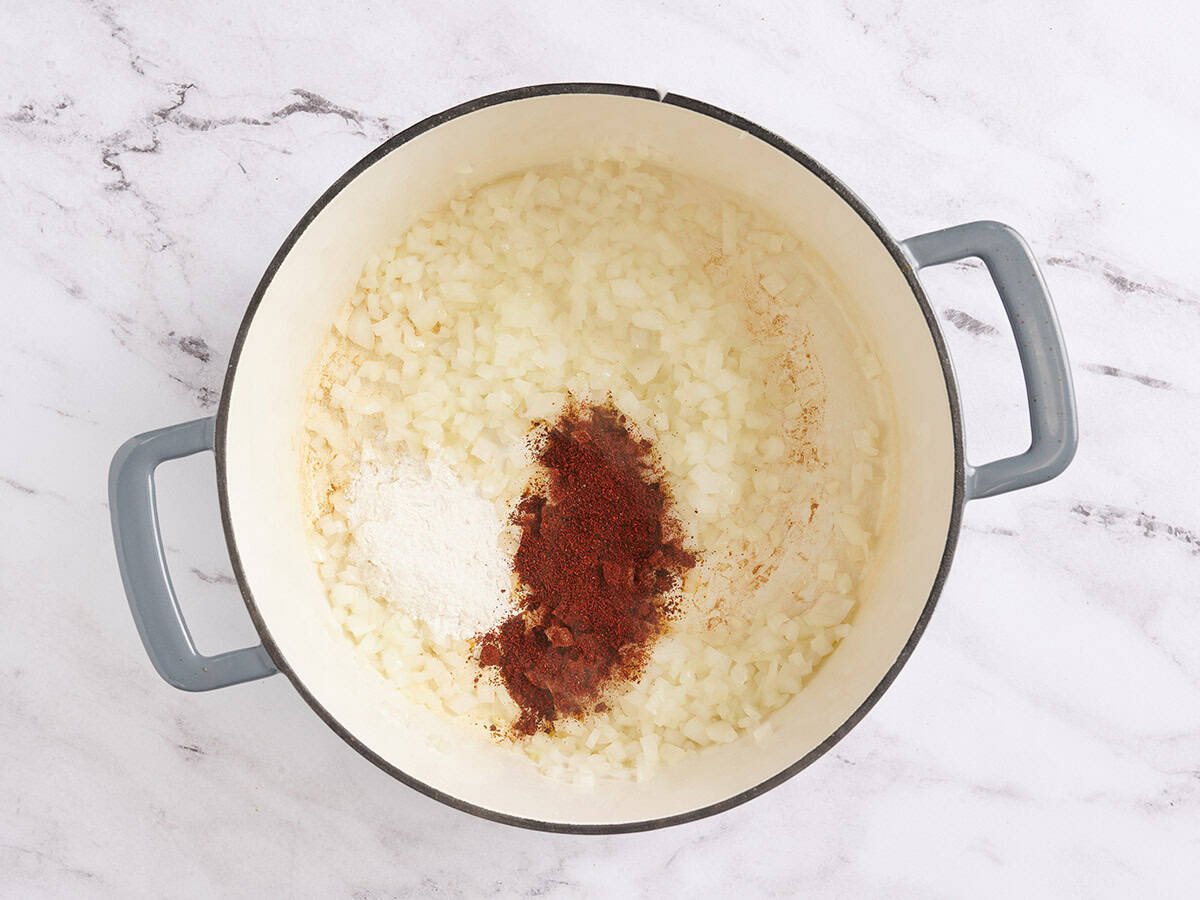
The process begins with the creation of a roux, a foundational French culinary technique adapted here for a Southwest-inspired flavor profile. By sautéing diced yellow onions in two tablespoons of vegetable or canola oil and subsequently adding flour and mild chili powder, the cook creates a thickening agent that also serves as a vehicle for toasted spices. This "toasting" phase is critical; it releases the volatile oils in the chili powder, providing an earthy, robust foundation that usually takes hours to develop through traditional boiling.
Following the development of the roux, the recipe integrates a condensed version of a red enchilada sauce. This is achieved by whisking in tomato paste, water, cumin, garlic powder, cayenne pepper, and salt. The inclusion of tomato paste provides the umami depth and acidity necessary to balance the richness of the pork. The final assembly involves the addition of chicken broth, canned diced green chiles, and the centerpiece of the dish: hominy.
The Role of Hominy and Nixtamalization
A significant component of the 30-Minute Posole is hominy, an ingredient that carries deep historical and scientific significance. Hominy is produced through a process known as nixtamalization, which involves soaking dried maize in an alkaline solution, typically lime (calcium hydroxide) or lye. This process, developed by ancient Mesoamerican civilizations, serves several functions: it softens the tough outer hull of the corn, makes the grain easier to grind, and increases the nutritional value by making niacin (Vitamin B3) bioavailable.
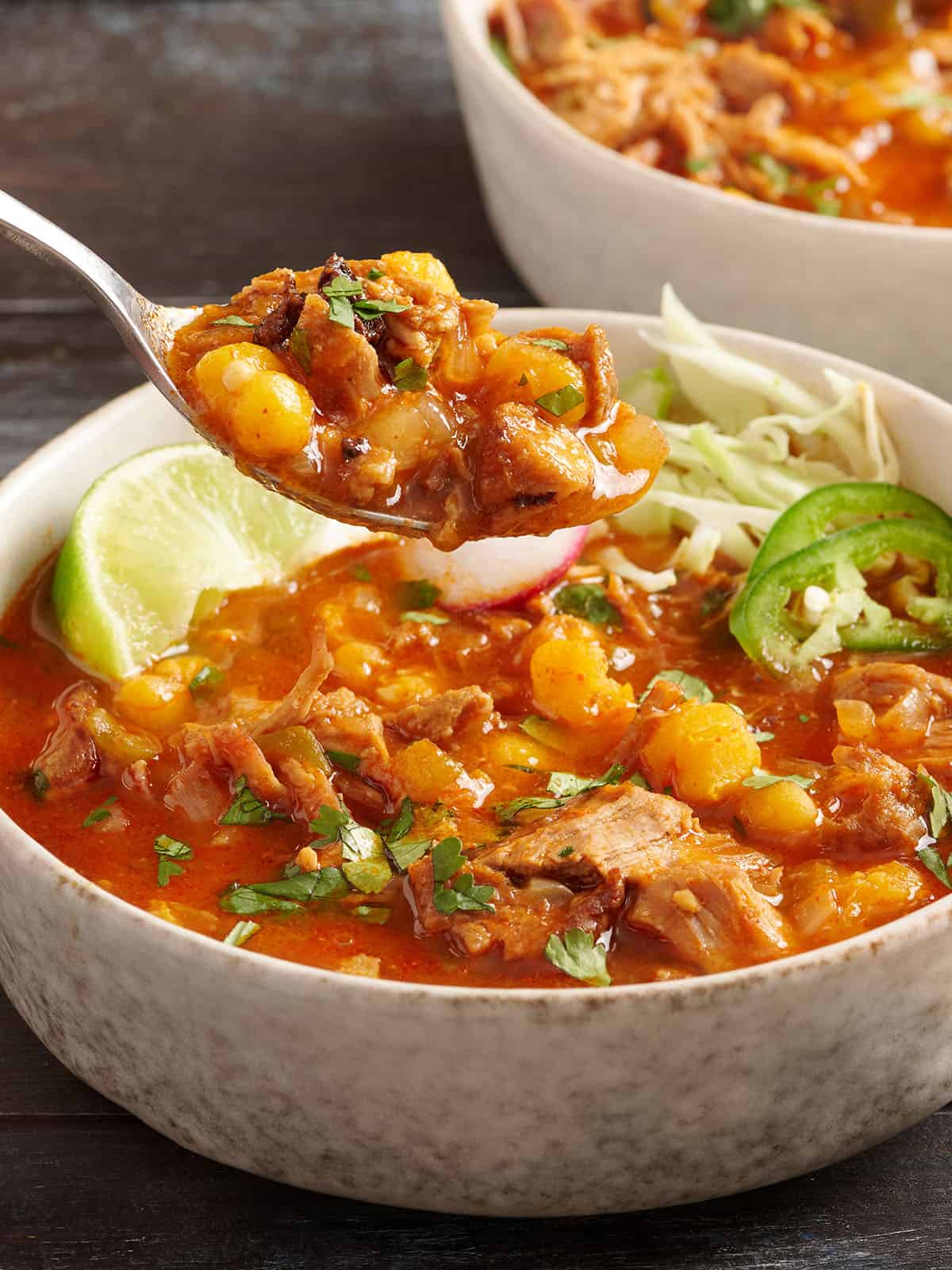
In the context of this 30-minute recipe, the use of canned hominy is a strategic choice for convenience. It provides a distinct, chewy texture and a subtle nutty flavor that distinguishes posole from standard corn-based soups. For consumers in regions where hominy is less accessible, the Nashville Test Kitchen suggests the substitution of frozen or canned corn, though it notes that this significantly alters the dish’s textural authenticity.
Chronology of Development and Iterative Testing
The evolution of this specific recipe highlights the rigorous nature of modern digital culinary publishing. Originally released on December 8, 2015, the 30-Minute Posole served as a solution for the "Budget Bytes" community seeking ways to utilize bulk-cooked pork. Over the subsequent decade, as consumer tastes evolved and ingredient availability shifted, the recipe underwent a series of re-evaluations.
On October 10, 2025, the Nashville Test Kitchen published a comprehensive update to the recipe. This revision followed a period of intensive testing aimed at optimizing the salt-to-acid ratio and ensuring the recipe remained under the $1.50 per serving threshold despite rising grocery costs. The update also included more detailed instructions on the "Better Than Bouillon" base, a concentrated paste that has become a staple in budget cooking due to its superior flavor profile compared to traditional cubes and its cost-effectiveness compared to boxed liquid broths.
Economic and Nutritional Data Analysis
The financial viability of the 30-Minute Posole is one of its primary metrics of success. As of the 2025 testing phase, the total cost for a six-serving batch was calculated at $8.50, translating to approximately $1.42 per serving. This positioning places the meal well within the "ultra-affordable" category, a critical bracket for students, large families, and individuals living in high-cost-of-living urban centers.
Nutritionally, the dish presents a balanced profile, though it is high in sodium, a common trait in dishes relying on canned goods and bouillon bases. A single 1.33-cup serving contains:
- Calories: 254 kcal
- Protein: 11g
- Carbohydrates: 31g
- Fat: 10g
- Sodium: 1560mg (68% of the recommended daily value)
- Fiber: 4g
The high sodium content is a notable factor that the developers address by recommending the use of low-sodium broths where available. However, the high protein and fiber content, derived from the pork and hominy respectively, contribute to the dish’s "filling" nature, which is essential for budget-conscious meal planning where caloric efficiency is prioritized.
Market Reactions and Consumer Sentiment
The reception of the 30-minute adaptation has been overwhelmingly positive within the home-cooking community. Margaret, a frequent contributor to culinary forums, noted that the recipe has become a "go-to" due to its ease and the "pop" of flavor provided by the final additions of lime and cilantro. This sentiment reflects a broader trend where consumers are willing to trade traditional authenticity for operational speed, provided the flavor results are satisfactory.
However, the recipe’s creator, Beth Moncel, maintains a clear distinction between this version and authentic Mexican Pozole. By citing traditional resources like "My Latina Table," the publication acknowledges the cultural heritage of the dish while positioning the 30-minute version as a "quickie stand-in." This transparency has been lauded by culinary critics as a responsible way to adapt international cuisines for the modern, time-strapped kitchen without erasing the original cultural context.
Broader Impact on Domestic Food Waste
Beyond its immediate utility as a dinner option, the 30-Minute Posole serves as a strategic tool in the fight against domestic food waste. Statistics from 2024 indicate that meat products are among the most frequently discarded items in residential kitchens, often due to a lack of inspiration regarding how to repurpose large roasts or batches of pulled meat.
By providing a specific, high-flavor framework for leftover pork, the Nashville Test Kitchen encourages a "closed-loop" kitchen economy. The implication is that a household might cook a large, cost-effective pork shoulder on a Sunday and use the remnants for the Posole on a Tuesday, thereby maximizing the initial investment and reducing the carbon footprint associated with discarded food.
Implications for the Future of Home Cooking
The success of the 30-Minute Posole suggests a permanent shift in the domestic culinary arts. As the boundary between professional-grade testing and home-kitchen execution blurs, recipes that offer "tested" reliability are becoming the gold standard. The use of clear, step-by-step photography and detailed cost breakdowns reflects a move toward data-driven cooking.
Furthermore, the emphasis on "pantry staples"—items like tomato paste, dried spices, and canned chiles—highlights a growing consumer preference for "pantry-first" meal planning. This approach minimizes the need for frequent, expensive trips to the grocery store and allows for a more resilient household food supply.
In conclusion, the 30-Minute Posole is more than a simple recipe; it is a manifestation of the current economic and social climate. It represents a pragmatic approach to gastronomy that values time, respects history while adapting to the present, and prioritizes the financial well-being of the cook. As we move further into the decade, it is likely that this model of "rigorously tested, budget-friendly, and fast" culinary development will continue to dominate the digital landscape, providing a necessary bridge between tradition and the fast-paced reality of modern life.