
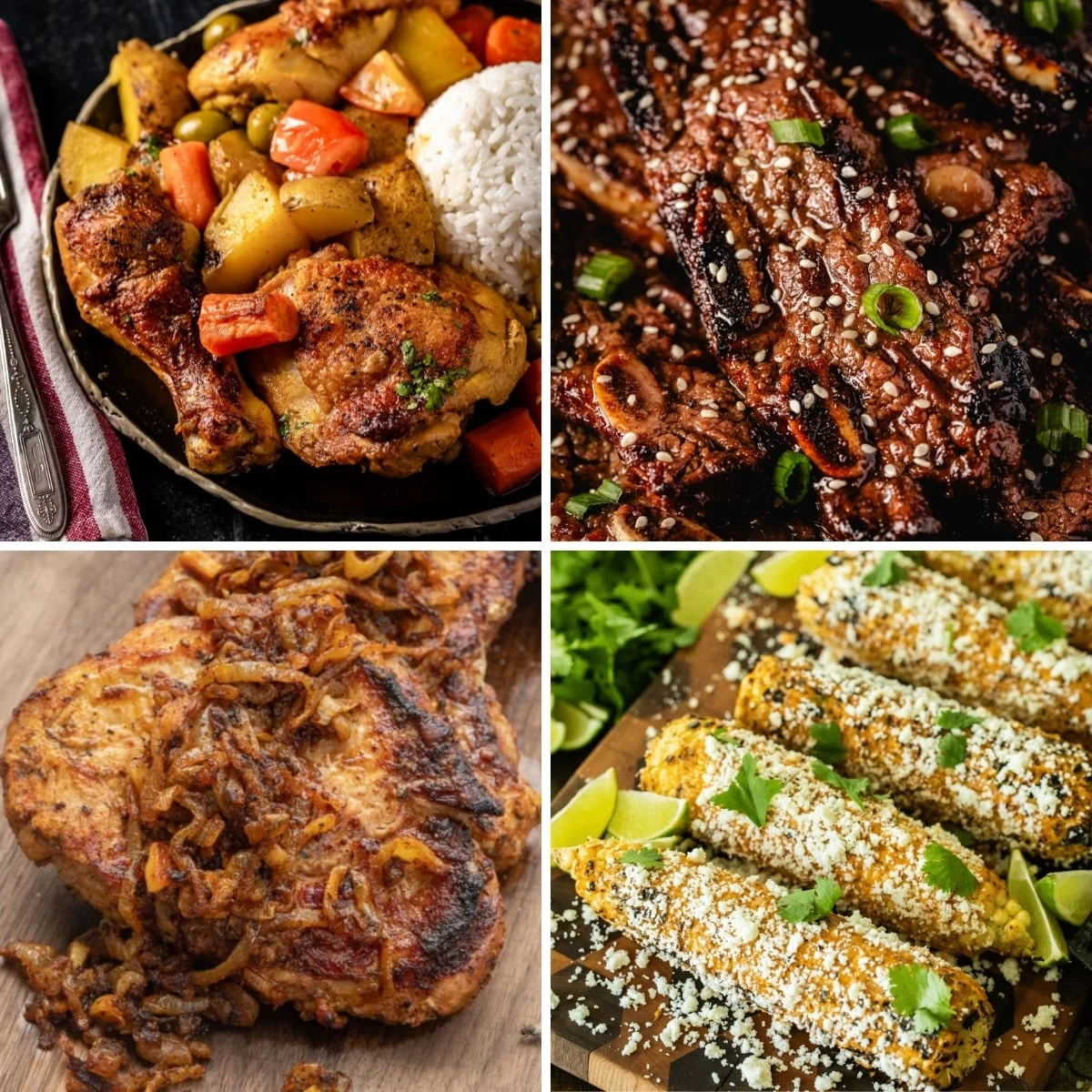
The practice of cooking meat over an open flame, universally recognized as barbecue, represents one of the oldest and most geographically diverse culinary traditions in human history. While often associated with the regional styles of the American South, barbecue—or live-fire cooking—is a global phenomenon with distinct iterations in nearly every culture. Modern culinary trends indicate a significant shift toward "backyard globalism," where home cooks utilize advanced outdoor cooking technology to replicate complex international flavors. This movement is exemplified by the work of culinary experts like Susie Bulloch, founder of Hey Grill Hey, who has synthesized global traditions into accessible formats for the domestic patio. By examining six specific international recipes—ranging from Korean Kalbi to German Schwenkbraten—this report analyzes the technical requirements, historical contexts, and cultural significance of global barbecue.
The Economic and Cultural Context of Modern Grilling
The global barbecue grill market was valued at approximately $5.39 billion in 2022 and is projected to expand at a compound annual growth rate (CAGR) of 4.8% through 2030, according to data from Grand View Research. This growth is driven by a rising "foodie" culture and the "premiumization" of outdoor living spaces. As consumers invest in high-end pellet smokers, ceramic kamado grills, and offset smokers, there is a commensurate demand for recipes that move beyond traditional burgers and hot dogs.

Barbecue serves as a cross-cultural language. In the United States, the Hearth, Patio & Barbecue Association (HPBA) reports that 70% of households own a grill or smoker, and a growing segment of these users are actively seeking "authentic" international experiences. This trend reflects a broader sociological shift toward culinary exploration as a form of armchair travel, allowing individuals to experience the flavor profiles of East Asia, the Caribbean, and Europe from their own residences.
Chronology of Fire: A Brief History of Global Live-Fire Cooking
The evolution of barbecue can be traced through several key technological and cultural milestones:
- Pre-History: The discovery of controlled fire allowed early humans to tenderize tough proteins and eliminate pathogens.
- 15th Century: The term "barbacoa" is recorded by Spanish explorers in the Caribbean, referring to the Taino people’s method of slow-cooking meat on a wooden platform over fire.
- 17th–19th Centuries: Regional styles emerge globally, such as the Cantonese "Siu Mei" (roasted meats) and the German "Schwenker" tradition in the Saarland region.
- 1952: George Stephen invents the Weber Kettle grill, democratizing temperature control and fueling the American backyard boom.
- 21st Century: The digital age and social media allow for the rapid exchange of global recipes, leading to the current era of "fusion" and "global backyard" cooking.
Analysis of Key International Barbecue Profiles
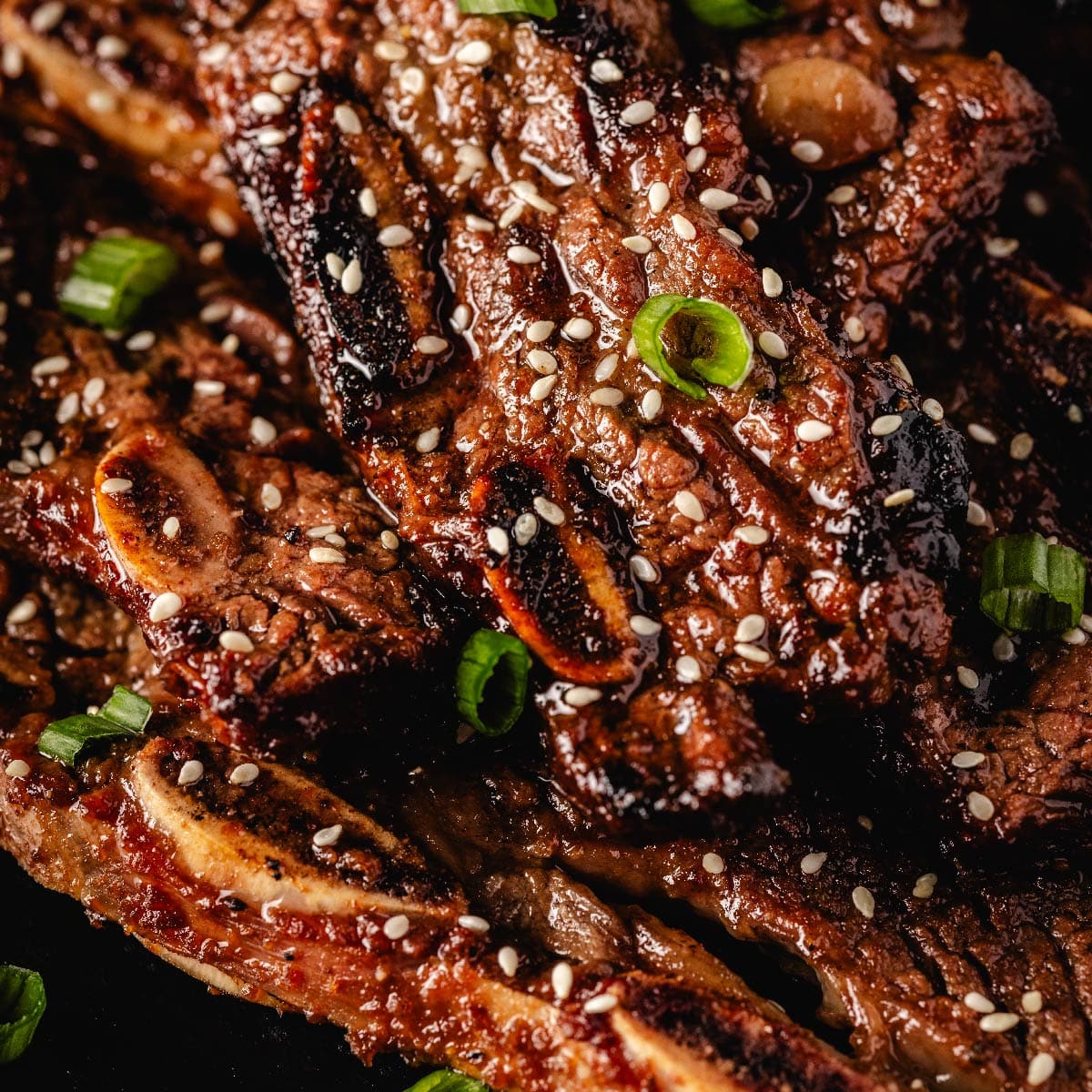
1. South Korea: Kalbi (Short Ribs)
Korean barbecue, or Gogi-gu-i, is centered on high-heat grilling and complex marinades. Kalbi, specifically flanken-style short ribs cut across the bone, relies on a sophisticated chemical process for tenderization. Traditional marinades utilize Asian pear, which contains calpain, a proteolytic enzyme that breaks down tough muscle fibers.

When adapted for the backyard, the recipe maintains its sweet-savory profile through a blend of soy sauce, ginger, garlic, and brown sugar. The high fat content of the short rib allows for rapid caramelization, creating a Maillard reaction that results in a crunchy, charred exterior while maintaining a tender interior. This style represents the "fast and hot" segment of global barbecue.
2. Puerto Rico: Pollo Guisado
While often prepared as a kitchen stew, the adaptation of Pollo Guisado for the outdoor cooker highlights the versatility of the Dutch oven in barbecue culture. This dish is foundational to Puerto Rican "comida criolla." The inclusion of Sazón—a spice blend typically featuring achiote, cumin, and coriander—provides the signature color and earthy depth.
The use of olives and capers in the stew introduces a Mediterranean influence, a legacy of Spanish colonial history in the Caribbean. In a backyard setting, simmering this dish over a wood fire or on a grill adds a subtle smokiness to the rich, savory broth that cannot be replicated on a standard indoor range.
3. Germany: Schwenkbraten
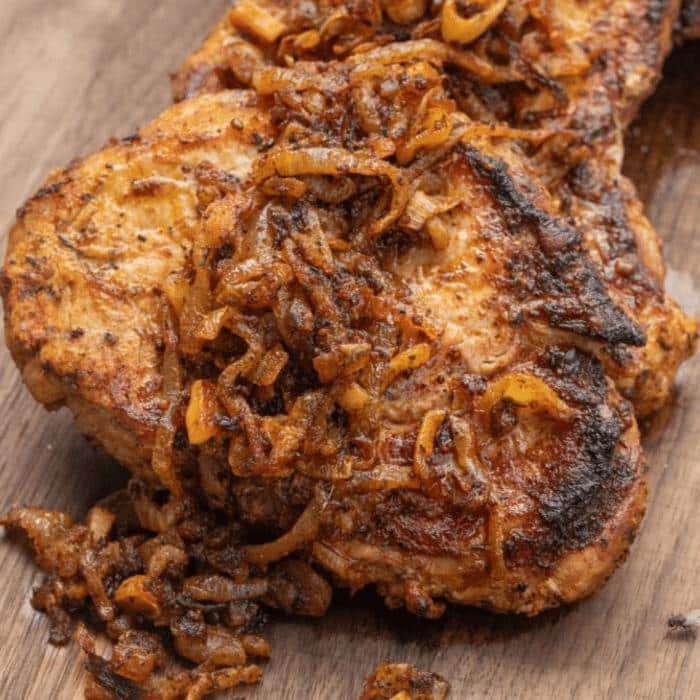
Hailing from the Saarland region of Southwestern Germany, Schwenkbraten is a testament to the intersection of engineering and gastronomy. Traditionally, these marinated pork chops are cooked on a Schwenker, a swinging tripod grill suspended over a beechwood fire. The constant motion of the grill ensures even cooking and prevents the flare-ups common with fatty pork.
The marinade is distinctively European, utilizing juniper berries, stone-ground mustard, and smoked paprika. The addition of curry powder reflects Germany’s post-war culinary evolution (most notably seen in Currywurst). This recipe demonstrates how regional European wood-firing techniques differ from the low-and-slow pit traditions of the American South.
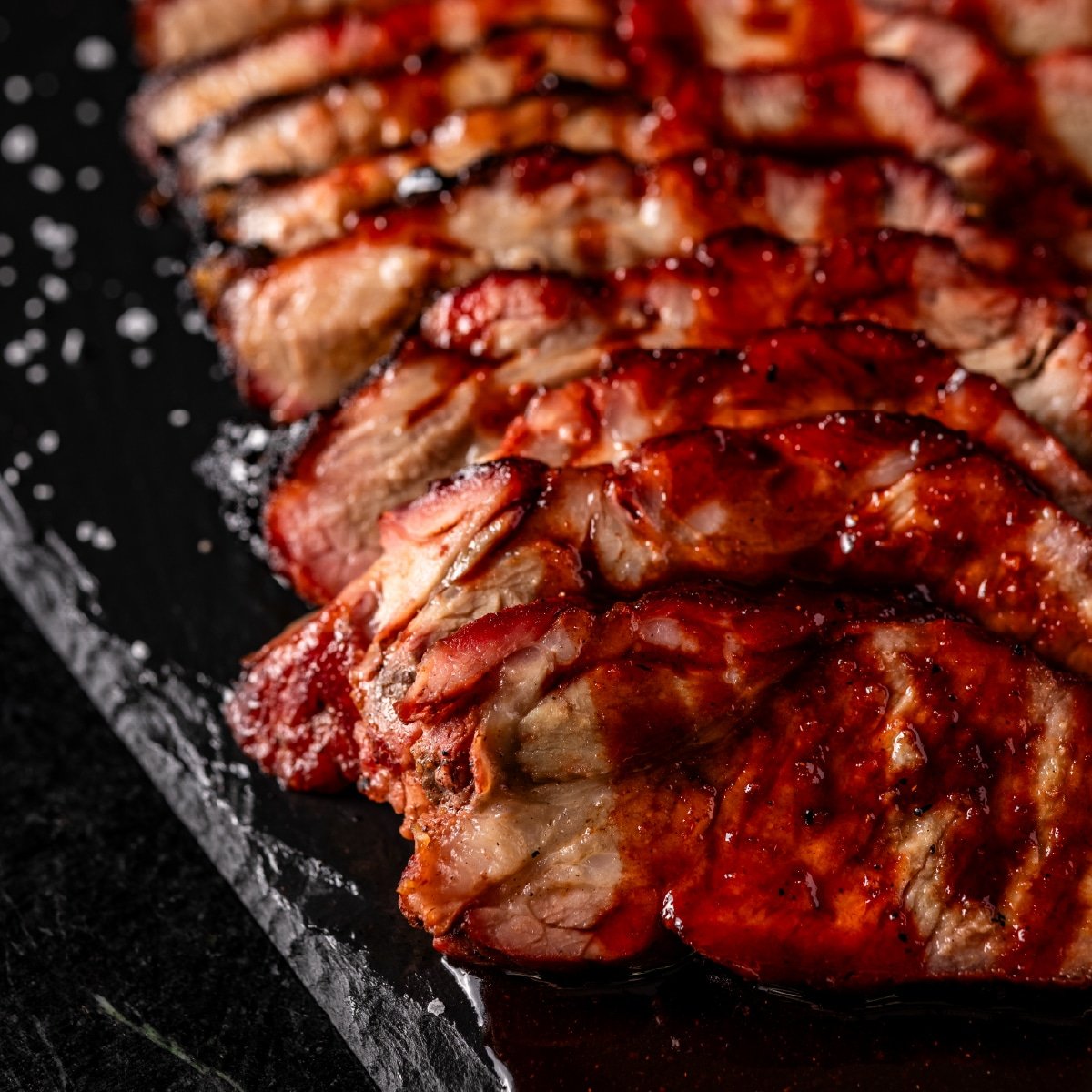
4. China: Smoked Char Siu Pork
Char Siu, or Cantonese barbecue pork, is traditionally the domain of professional roasters who use specialized vertical ovens. However, the rise of home smokers has allowed for a successful domestic adaptation. The signature "glossy red" finish is achieved through a marinade of hoisin, soy sauce, Chinese five-spice, and red miso.

The technical challenge of Char Siu lies in the balance of sugar and smoke. The honey-based glaze must be applied in the final stages of cooking to achieve a lacquered finish without burning. This dish represents the "low and slow" philosophy, where the smoker’s wood-fired environment replaces the high-heat intensity of a traditional Chinese roasting box.
5. Mexico: Elote (Mexican Street Corn)
Vegetables play a critical role in the global barbecue ecosystem, with Elote serving as the primary example of Mexican street food culture. The process involves charring sweet corn to enhance its natural sugars, followed by the application of fat (mayonnaise or crema) and acid (lime).
The use of Cotija, a dry, salty cow’s milk cheese, provides a structural and flavor contrast to the sweet corn. This dish highlights the Mesoamerican history of maize, which has been a staple of live-fire cooking for millennia. It serves as a necessary counterpoint to the heavy proteins found in other barbecue traditions.
6. United Kingdom: Beer Battered Fish and Chips
While deep-frying is often viewed as distinct from grilling, the "outdoor kitchen" movement has integrated high-heat frying into the barbecue repertoire. The British classic, Fish and Chips, emerged in the mid-19th century as a staple of the working class.
The technical innovation in modern backyard versions involves the use of rice flour and beer in the batter. The carbonation in the beer creates a light, aerated crust, while the rice flour—which does not absorb oil as readily as wheat flour—ensures a longer-lasting crispness. This reflects a more technical, "science-based" approach to traditional comfort foods.
Expert Perspectives and Methodologies
Susie Bulloch, a prominent figure in the American barbecue circuit and a Guinness World Record holder, emphasizes that the barrier to entry for global barbecue has never been lower. "BBQ is a language everybody speaks," Bulloch notes, suggesting that the fundamental elements—meat, seasoning, and heat—are universal. Her methodology focuses on "accessible authenticity," substituting hard-to-find traditional equipment (like the German Schwenker) with standard backyard grills while maintaining the integrity of the flavor profiles.
Industry analysts suggest that the success of these international recipes in the domestic market is due to a desire for "culinary competence." Home cooks are no longer satisfied with basic techniques; they seek to master specific cultural methods, such as the double-fry technique for chips or the enzymatic tenderization required for Kalbi.
Broader Implications: The Democratization of Flavor
The enrichment of backyard barbecue with international recipes has several long-term implications for the food industry:
- Supply Chain Demand: Increased interest in dishes like Pollo Guisado or Char Siu drives demand for specialized ingredients (miso paste, achiote, Chinese five-spice) in mainstream grocery stores.
- Equipment Innovation: Manufacturers are increasingly designing grills that can accommodate diverse techniques, such as integrated rotisseries for Brazilian-style meats or high-heat sear stations for Korean-style grilling.
- Social Connectivity: As barbecue becomes a more diverse culinary practice, it serves as a bridge between cultures. The "cookout" remains a primary social unit, but the menu is increasingly reflective of a globalized society.
Conclusion
The transition of the backyard grill from a tool for simple American staples to a laboratory for global gastronomy reflects broader trends in technology, economy, and culture. By mastering recipes like Kalbi, Schwenkbraten, and Char Siu, the modern home cook participates in a tradition that spans continents and centuries. As the outdoor cooking industry continues to evolve, the distinction between "traditional" and "international" barbecue is likely to blur, resulting in a more integrated and flavor-rich global culinary landscape. The backyard is no longer just a place for a meal; it is a destination for cultural exchange through the medium of fire and smoke.