
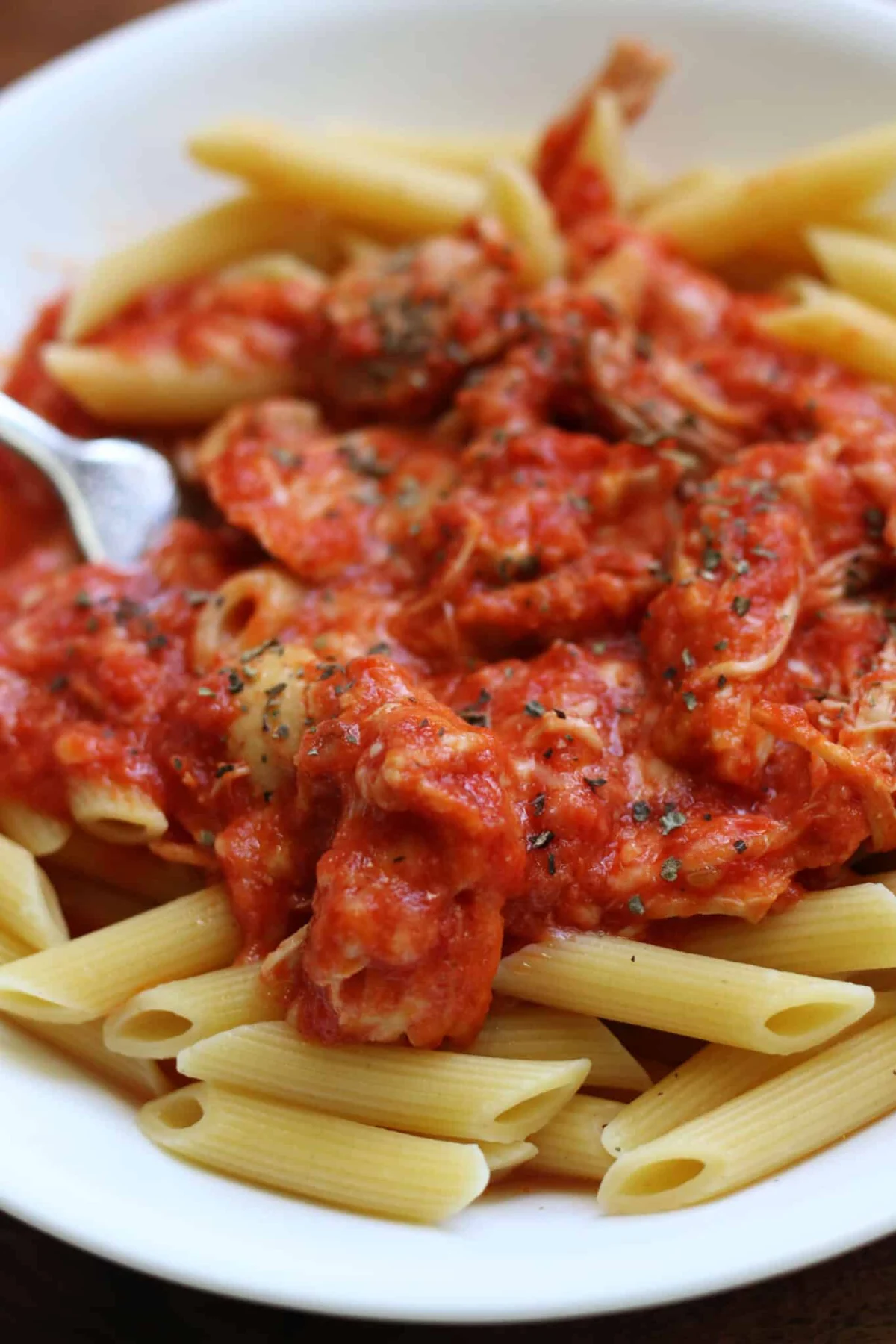
The culinary landscape of home-based meal preparation continues to evolve as "dump-and-go" recipes gain significant traction among busy households and young adults entering the workforce. The Garlic Tomato Chicken, a slow-cooked dish characterized by its low-intervention preparation and high-flavor yield, has emerged as a representative example of this modern efficiency-driven cooking style. Developed as part of the "365 Days of Crockpot" series by culinary creator Karen Petersen, the recipe utilizes high-fat, high-moisture chicken thighs simmered in a structured tomato base to deliver a restaurant-quality meal with minimal manual labor.

Technical Composition and Ingredient Analysis
The Garlic Tomato Chicken is built upon a foundation of classic Italian-American flavor profiles, optimized for the slow-cooking environment. The primary protein source, chicken thighs, is selected for its biological resilience during long-duration heat exposure. Unlike chicken breasts, which are prone to desiccation due to their low intramuscular fat content, thighs contain sufficient connective tissue and fat to remain tender over a four-hour cooking cycle.
The sauce architecture is defined by a combination of canned diced tomatoes and concentrated tomato paste. This dual-tomato approach ensures both volume and depth of flavor. The inclusion of unsalted butter serves as a mounting agent, emulsifying with the tomato juices to create a "velouté-adjacent" consistency that coats the protein. The seasoning profile relies on a triumvirate of garlic: minced fresh garlic for aromatic pungency, garlic powder for a consistent flavor baseline, and onion powder for savory complexity.

The final stage of the dish involves the integration of two distinct cheeses: mozzarella and parmesan. The mozzarella provides the "stretch" and creamy texture, while the parmesan introduces salinity and umami. This two-step cheese integration occurs only after the primary cooking cycle is complete, ensuring the dairy does not break down or separate under prolonged high heat.
Chronological Preparation and Execution
The execution of the Garlic Tomato Chicken follows a strict "dump-and-go" protocol, a term used in the industry to describe recipes that require no pre-searing or intermediate steps.

- Assembly Phase: The process begins with the integration of the sauce components. Diced tomatoes, butter, onion powder, garlic powder, minced garlic, salt, and tomato paste are combined directly within the ceramic insert of the slow cooker.
- Protein Integration: Once the sauce base is stirred, the chicken thighs are "nestled" into the liquid. This placement is critical; ensuring the chicken is submerged or partially covered allows for even heat distribution and prevents the top layer of the meat from drying out.
- Thermal Cycle: The slow cooker is set to "Low" for a duration of four hours. During this period, the low-intensity heat facilitates the breakdown of collagen in the chicken thighs and allows the acids in the tomatoes to tenderize the muscle fibers.
- Refining Phase: Following the four-hour cycle, the chicken is manually broken up—often referred to as "shredding"—to increase the surface area available for sauce absorption.
- Emulsification and Finishing: The mozzarella and parmesan are stirred into the hot mixture. The residual heat from the slow cooker is sufficient to melt the cheeses into the tomato-butter base, creating a cohesive, creamy sauce.
Supporting Data: The Rise of Slow Cooking in the 2020s
The popularity of recipes like Garlic Tomato Chicken is supported by broader economic and social data. According to market research, the global slow cooker market was valued at approximately $450 million in 2023 and is projected to grow at a compound annual growth rate (CAGR) of 6.5% through 2030. This growth is driven by a "return-to-home" cooking trend that accelerated during the early 2020s and has persisted due to rising inflation and the cost of dining out.
Nutritional data also favors this method of preparation. By utilizing a slow cooker, home cooks can achieve deep flavor profiles without the excessive oils or sodium often found in processed frozen meals or fast food. The Garlic Tomato Chicken provides a significant source of lean protein and lycopene, an antioxidant found in cooked tomatoes that is more bioavailable after the heating process.

Domestic Reception and User Feedback
Field testing of the Garlic Tomato Chicken indicates a high level of "palatability and convenience," two metrics essential for a recipe’s longevity in the digital age. In a documented domestic trial, the dish was served to a demographic ranging from adolescents to young adults.
Testimonials from the trial period were overwhelmingly positive. A guest identified as Lisa noted a sense of nostalgia and quality, stating, "I’ve missed your cooking," upon consuming the meal. Furthermore, the dish’s utility as a "meal prep" staple was confirmed when a second participant, Skyler, utilized the leftovers for a subsequent lunch, noting that the flavors continued to develop and meld during refrigeration.

The creator, Karen Petersen, has positioned the recipe as a foundational "teaching meal." She noted that the simplicity of the steps makes it an ideal candidate for young adults transitioning into independent living. "I’ll be making this again soon and teaching my kids how to do it too… it’s a perfect young adult meal," Petersen stated, highlighting the educational value of the recipe.
Strategic Variations and Adaptations
To maximize the versatility of the Garlic Tomato Chicken, several serving and preparation variations have been identified to accommodate different dietary needs and kitchen equipment.

Carbohydrate Integration
While the chicken and sauce can be consumed as a standalone protein dish, it is most frequently paired with penne pasta. The developer suggests boiling 8 ounces of pasta separately and then tossing it directly into the slow cooker insert. This "one-pot finish" allows the pasta to absorb the residual sauce, ensuring a higher flavor-to-pasta ratio.
Direct Slow Cooker Pasta Method
For those seeking to further reduce manual labor, an experimental method for cooking the pasta directly in the slow cooker has been proposed. This requires the addition of 1 to 2 cups of chicken broth or water during the final 30 to 60 minutes of cooking. The success of this variation depends on the "liquid-to-starch" ratio; if the liquid is insufficient, the pasta will remain brittle, whereas excess liquid will result in a soup-like consistency.

Dietary Filtering
In response to the growing demand for specialized diets, the "365 Days of Crockpot" platform has implemented digital filters. This allows users to adapt the Garlic Tomato Chicken for various requirements:
- Low Carb: Serving the chicken over zucchini noodles or steamed cauliflower instead of pasta.
- Gluten-Free: Utilizing certified gluten-free pasta or serving the dish over rice.
- Instant Pot Adaptation: While the primary focus is slow cooking, the recipe can be adapted for pressure cookers by reducing the liquid and adjusting the timer to approximately 10–15 minutes under high pressure.
Broader Impact and Economic Implications
The emergence of the Garlic Tomato Chicken recipe reflects a significant shift in the domestic economy. As "time poverty" becomes a defining characteristic of the modern workforce, the demand for "passive cooking" solutions has surged. The "dump-and-go" model allows for the decoupling of "preparation time" from "cooking time," enabling individuals to assemble a meal in 10 minutes that then cooks autonomously while they fulfill professional or familial obligations.

Furthermore, the recipe addresses the "cooking gap" found in Gen Z and younger Millennial cohorts. By lowering the barrier to entry—eliminating the need for complex knife skills or heat management—recipes like this encourage a transition away from ultra-processed convenience foods. This shift has long-term implications for public health, as home-cooked meals generally contain fewer preservatives and lower caloric densities than their commercial counterparts.
Conclusion
The Garlic Tomato Chicken is more than a mere dinner suggestion; it is a manifestation of contemporary culinary requirements: efficiency, affordability, and reliability. By leveraging the mechanical advantages of the slow cooker and the chemical properties of its ingredients, the recipe provides a sustainable model for home nutrition. As the trend toward simplified, high-quality home cooking continues, the Garlic Tomato Chicken stands as a benchmark for the "dump-and-go" genre, proving that the reduction of complexity does not necessitate a reduction in culinary excellence.