
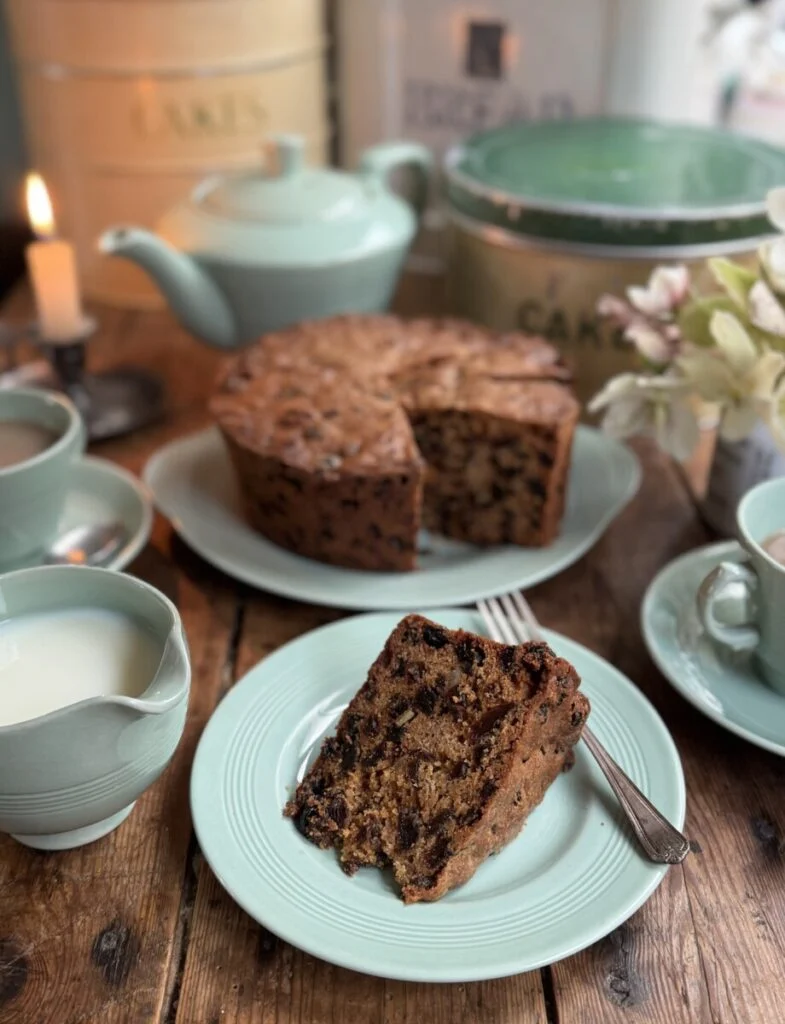
Published on February 20, 2026, culinary author and blogger Karen Burns-Booth has unveiled an enriched adaptation of a classic "Family Fruit Cake" recipe, originally found in a 1950s Be-Ro cookbook. This particular rendition, now dubbed "Fruit and Cherry Afternoon Tea Cake," introduces glacé cherries and an increased measure of mixed spice to the traditional formula, aiming to enhance its flavour profile and appeal for contemporary home bakers. The release highlights a broader trend in culinary circles: the celebration and reinterpretation of vintage recipes that offer a comforting connection to past eras of British home baking.

A Culinary Journey Back to the 1950s

The foundation of Burns-Booth’s latest offering lies in the venerable Be-Ro cookbooks, a staple in British kitchens for over a century. Be-Ro, a brand synonymous with self-raising flour, began publishing its iconic recipe books in 1923. These cookbooks quickly became an indispensable guide for generations of home bakers, providing accessible and reliable recipes during periods of economic austerity and evolving culinary tastes. The 1950s, in particular, marked a significant era for these publications, as post-war rationing gradually eased, allowing for a renewed emphasis on domestic comforts and celebratory baking. Recipes from this period, like the original "Family Fruit Cake," often prioritized robust flavours, economical ingredients, and methods suitable for everyday preparation, making them enduring favourites. Burns-Booth’s decision to revisit this specific 1950s recipe underscores the enduring relevance of Be-Ro’s contribution to British culinary heritage and provides a tangible link to the domestic practices of previous generations.

The Enduring Legacy of Be-Ro Cookbooks

The Be-Ro cookbook series is more than just a collection of recipes; it represents a cultural artifact reflecting the evolution of British home cooking. From its inception, the books were designed to be user-friendly, often featuring simple, clear instructions and illustrations that demystified baking for a wide audience. This pedagogical approach helped cultivate a nation of confident home bakers, particularly women, who found empowerment and creative expression in the kitchen. The books were typically affordable, sometimes even given away, ensuring widespread accessibility. This strategic dissemination cemented Be-Ro’s place in the national consciousness, transforming it from a flour brand into a household name associated with reliable, traditional baking. The original "Family Fruit Cake" recipe, by its very name, evoked a sense of communal sharing and domestic warmth, qualities that remain highly valued today. The continuous re-discovery and adaptation of these recipes by modern food enthusiasts like Burns-Booth ensure that the legacy of Be-Ro continues to inspire new generations, bridging the gap between historical culinary practices and modern dietary preferences.

Elevating the Everyday: The Art of Afternoon Tea

The re-imagined "Fruit and Cherry Afternoon Tea Cake" positions itself perfectly within the cherished British tradition of afternoon tea. More than just a meal, afternoon tea is a cultural institution, a moment of respite and conviviality. Historically introduced in the 19th century by Anna, the Duchess of Bedford, to bridge the gap between lunch and dinner, it quickly evolved into an elaborate social ritual. Central to this tradition are finely baked goods, ranging from delicate finger sandwiches and scones to a variety of cakes and pastries. Fruit cakes, with their substantial texture and rich flavours, have always held a prominent place on the afternoon tea tray, offering a satisfying counterpoint to lighter fare. Burns-Booth’s choice of "Afternoon Tea Cake" in the title is deliberate, signalling its suitability for this particular occasion and evoking a sense of nostalgic elegance. The act of serving such a cake, accompanied by a freshly brewed pot of tea, transcends mere sustenance, becoming an experience that celebrates tradition, craftsmanship, and shared moments. The growing popularity of afternoon tea experiences across the UK, both in homes and commercial establishments, provides a fertile ground for such heritage recipes to flourish.

Burns-Booth’s Modern Twist on a Timeless Classic

Karen Burns-Booth, known for her dedication to preserving and reinterpreting traditional British and European recipes, has thoughtfully adapted the original Be-Ro recipe. Her primary modifications include the addition of glacé cherries and an increased quantity of mixed spice. These adjustments are not arbitrary; they reflect a contemporary desire for bolder, more pronounced flavours while retaining the comforting essence of the original. Glacé cherries contribute a vibrant colour and a distinct chewy texture, along with a sweet, slightly tart note that complements the dried fruit base. The increase from half a teaspoon to a full teaspoon of mixed spice amplifies the cake’s aromatic qualities, introducing warmer, more complex undertones often associated with festive bakes. This subtle enhancement transforms the "Family Fruit Cake" into a more "fruity" and "pronounced" experience, appealing to modern palates accustomed to richer flavour profiles. Burns-Booth’s philosophy often revolves around respecting the integrity of historical recipes while infusing them with a touch of modern sensibility, ensuring they remain relevant and exciting for today’s home bakers. Her adaptations serve as a testament to the dynamic nature of culinary traditions, demonstrating that even classic recipes can evolve without losing their inherent charm.

Beyond the Bake: Serving Suggestions and Cultural Context

One of the distinctive aspects of Burns-Booth’s presentation is her suggestion of serving the fruit cake with a slice of cheese. While perhaps surprising to some outside the UK, this pairing is a long-standing British tradition, particularly prevalent in the North. Hard cheeses like Wensleydale or Cheshire, with their crumbly texture and mild, slightly tangy flavour, offer an excellent contrast to the sweet, dense fruit cake. The cheese cuts through the cake’s richness, cleansing the palate and creating a harmonious flavour combination that is both comforting and sophisticated. This practice speaks to a broader British culinary ethos that values simple, yet effective, flavour combinations and local produce. Furthermore, Burns-Booth notes the cake’s potential as a "Christmas Cake," suggesting that it can be made weeks in advance and "fed" with spirits such as brandy, whisky, sherry, or rum. This tradition of maturing and fortifying Christmas cakes is a hallmark of festive British baking, allowing the flavours to deepen and the cake to become incredibly moist. These serving and preparation notes are not merely practical advice; they imbue the recipe with cultural depth, inviting bakers to participate in long-held British culinary rituals.

The Allure of Vintage Aesthetics in Contemporary Dining

The visual presentation of the "Fruit and Cherry Afternoon Tea Cake" on vintage Woodsware Beryl china further enhances its nostalgic appeal. Woodsware Beryl, known for its distinctive pastel green hue and robust design, was a popular choice for everyday crockery in mid-20th century British households. Its enduring charm lies in its simplicity, functionality, and classic aesthetic. Burns-Booth’s deliberate choice to serve her adapted cake on this particular china creates a cohesive narrative, marrying the historical roots of the recipe with a period-appropriate setting. This attention to detail resonates with a growing appreciation for vintage items and sustainable consumption, where objects from the past are cherished and repurposed. The visual harmony between the classic cake and the vintage tableware transforms the act of serving into a sensory experience, evoking memories of bygone eras and the comforting familiarity of family traditions. This trend extends beyond ceramics, encompassing vintage linens, cutlery, and even retro-inspired kitchen gadgets, all contributing to a holistic approach to celebrating culinary heritage.

Implications for Modern Home Baking and Culinary Heritage

The resurgence of interest in recipes like the "Fruit and Cherry Afternoon Tea Cake" carries several implications for modern home baking and the broader culinary landscape. Firstly, it highlights a renewed appreciation for traditional skills and the satisfaction derived from scratch baking, contrasting with the convenience-driven trends of previous decades. In an increasingly fast-paced world, the act of baking a classic fruit cake offers a mindful, therapeutic escape. Secondly, the adaptation of vintage recipes by prominent food bloggers like Karen Burns-Booth plays a crucial role in the preservation of culinary heritage. By making these recipes accessible and appealing to a contemporary audience, they ensure that valuable culinary knowledge is not lost to time but continues to evolve and thrive. Thirdly, the emphasis on robust, wholesome ingredients, such as butter over margarine (as explicitly recommended for better keeping qualities), reflects a growing consumer demand for quality and authenticity in food. The article also provides a valuable insight into ingredient substitutions, noting that UK-standard dried mixed fruit typically includes chopped peel, negating the need for additional preparation. This practical advice empowers home bakers to confidently tackle traditional recipes with readily available ingredients. Finally, the positive reception of such recipes, particularly when shared across online platforms, underscores the powerful role of digital media in fostering culinary communities and sharing gastronomic traditions globally.

The Resurgence of Traditional Recipes

The publication of the "Fruit and Cherry Afternoon Tea Cake" is indicative of a broader culinary movement towards rediscovering and celebrating traditional recipes. In an era dominated by rapid food trends and innovative techniques, there is a palpable yearning for the familiar and the comforting. Consumers are increasingly seeking out dishes that tell a story, connect them to their roots, or offer a taste of nostalgia. This trend is fueled by a desire for authenticity, a push towards sustainable practices (often involving simpler, less processed ingredients), and a fascination with food history. Food bloggers, culinary historians, and even mainstream media outlets are actively contributing to this resurgence, curating collections of vintage recipes, hosting workshops on traditional baking techniques, and sharing personal anecdotes that bring these dishes to life. The "Fruit and Cherry Afternoon Tea Cake" serves as an exemplary case study of this phenomenon, demonstrating how a humble recipe from a bygone era can be revitalized and embraced by a new generation of enthusiastic bakers, ensuring that the flavours and traditions of the past continue to enrich our present and future culinary experiences. Burns-Booth expressed her enthusiasm for engaging with bakers who recreate her adaptations, underscoring the communal aspect of culinary exploration and the joy found in sharing these timeless treats.